Hydraulic systems are the backbone of modern industrial machinery, construction equipment, and manufacturing lines. While many engineers focus on pumps, hoses, or cylinders, the importance of 1/4 hydraulic hose fittings is often underestimated. These small yet critical components directly influence system reliability, efficiency, and safety. Choosing the wrong fitting can result in leaks, costly downtime, and even accidents.
In this guide, we dive deep into the cost versus performance debate, provide expert insights, data-backed comparisons, and actionable tips for selecting the right fittings for your hydraulic system. Whether you’re a maintenance engineer, a system designer, or an industrial procurement specialist, this guide will help you make informed decisions.
Table of Contents
Key Points Covered in This Guide
- Why 1/4 hydraulic hose fittings are critical to system performance
- Understanding cost versus long-term value
- Types and materials of hydraulic hose fittings
- Installation and maintenance best practices
- Data-driven performance comparisons
- Industry standards and pressure ratings
- Real-world case studies
- FAQs addressing common concerns and troubleshooting
- How to choose the optimal fitting for specific applications
Why 1/4 Hydraulic Hose Fittings Matter
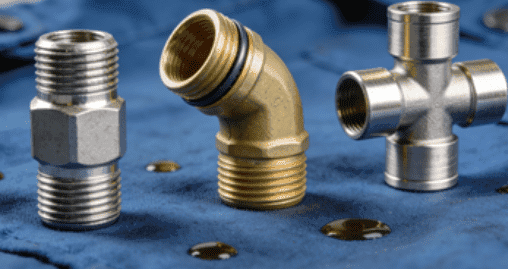
What Are Hydraulic Hose Fittings?
A 1/4 hydraulic hose fitting is a connector used to join hoses to pumps, valves, cylinders, and other hydraulic components. Its primary role is to ensure a secure, leak-free connection that can handle high pressures and extreme temperatures.
Impact on System Performance
- Prevents fluid leaks that reduce system efficiency
- Maintains pressure and flow integrity
- Ensures safety in high-pressure operations
- Reduces downtime and maintenance costs
Expert Insight: According to Michael Thompson, Senior Hydraulic Engineer at FlowTech Systems, “Over 60% of unplanned hydraulic system failures trace back to poor-quality fittings or improper installation. Investing in high-quality fittings upfront can save thousands in downtime and maintenance.”
Types of 1/4 Hydraulic Hose Fittings
Hydraulic hose fittings are classified based on connection type, thread style, and sealing mechanism.
Common Types
- JIC (37° Flare) Fittings: High-pressure industrial applications, excellent leak resistance.
- NPT (National Pipe Tapered) Fittings: Easy installation, widely used in North America. Requires sealant for leak prevention.
- BSP (British Standard Pipe) Fittings: Common in European hydraulic systems, compatible with various industrial machinery.
- ORFS (O-Ring Face Seal) Fittings: Superior leak prevention, especially under vibration and dynamic loads.
Tip: Matching the fitting type to system requirements is crucial to prevent failures and ensure efficient operation.
Material Matters: Carbon Steel vs Stainless Steel vs Brass
The material choice affects durability, corrosion resistance, pressure handling, and cost.
| Material | Corrosion Resistance | Pressure Rating | Recommended Applications |
|---|---|---|---|
| Carbon Steel | Moderate | High | Industrial machinery, construction |
| Stainless Steel | Excellent | High | Chemical plants, marine, long-term use |
| Brass | Good | Medium | Low-pressure, food & beverage systems |
Expert Tip: “While stainless steel fittings cost more upfront, their longevity and resistance to corrosion make them more economical in high-stakes environments,” says Dr. Karen Liu, Materials Engineer at Hydraulics Research Group.
Cost vs Performance: Breaking It Down
Carbon Steel Fittings
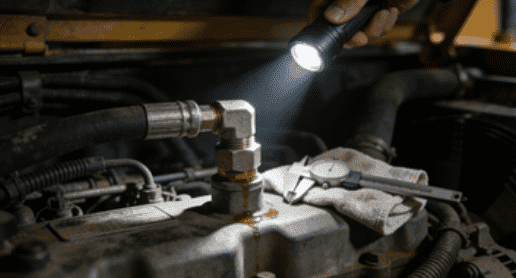
Carbon steel fittings are widely used due to their affordability and high strength. They are ideal for industrial applications where budget constraints are significant. However, carbon steel is prone to corrosion when exposed to moisture, chemical contaminants, or high-humidity environments. Without proper protective coatings, the fittings may require frequent replacement, potentially negating initial cost savings.
Brass Fittings
Brass is another cost-effective option, known for its lightweight and resistance to certain types of corrosion, such as those caused by non-oxidizing acids. Brass fittings perform well in low-pressure systems and applications where weight is a concern, such as mobile machinery. However, brass is softer than steel, making it less suitable for high-pressure or heavy-duty applications.
Stainless Steel Fittings
Stainless steel fittings have a higher purchase cost but provide superior durability, corrosion resistance, and long-term reliability. They are particularly suitable for high-pressure hydraulic systems, corrosive industrial environments, and applications with frequent maintenance demands. According to a study published by the Journal of Hydraulic Engineering in 2022, stainless steel fittings can last 2–3 times longer than carbon steel equivalents under harsh operating conditions.
Practical Insight: While the initial investment in stainless steel may be 2–3 times higher than carbon steel, the reduction in downtime and replacement frequency often results in a lower total cost of ownership over the system’s lifecycle.
Long-Term Performance
- High-quality fittings reduce leak risk, maintenance frequency, and replacement costs.
- Poor fittings increase system downtime and potential fluid contamination.
- In high-pressure systems, failure of low-quality fittings can be catastrophic.
Data Insight: A 2021 survey by Industrial Hydraulics Journal showed that companies using stainless steel fittings reported 35% fewer unplanned system failures over two years compared to carbon steel fittings in corrosive environments.
Installation Best Practices
Proper Tools and Torque
- Always use calibrated wrenches and follow torque specifications to avoid damaging threads.
- For NPT fittings, apply appropriate thread sealants to prevent leaks.
Routine Checks
- Inspect fittings every 3–6 months for wear, corrosion, or leaks.
- Replace any damaged fittings immediately.
Pro Tip: Use color-coded fittings to distinguish pressure ratings and materials, improving safety and maintenance efficiency.
Maintenance Strategies for Longevity
- Clean fittings during system servicing to prevent debris from damaging seals.
- Avoid mixing different metals to reduce galvanic corrosion.
- Monitor hydraulic fluid for contamination, as this can accelerate fitting wear.
Real-World Case Studies
Case 1: Construction Equipment Failure
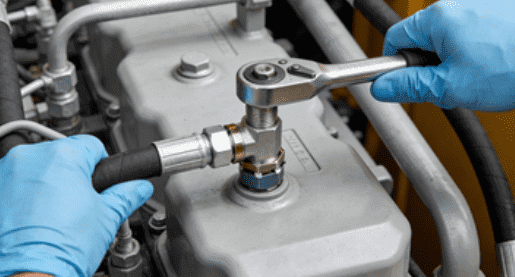
A mid-size construction firm faced frequent hydraulic cylinder leaks. Investigation revealed the use of low-cost brass 1/4 hydraulic hose fittings in a high-pressure application. After switching to stainless steel JIC fittings, leak incidents dropped by 90%, and system uptime improved significantly.
Case 2: Manufacturing Plant Upgrade
A manufacturing plant upgraded its machinery with ORFS stainless steel fittings to reduce vibration-induced leaks. Maintenance costs fell by 40%, and downtime was minimized, demonstrating the value of investing in high-performance fittings.
Comparative Analysis: Choosing the Best Fitting
| Feature | Carbon Steel | Stainless Steel | Brass |
|---|---|---|---|
| Initial Cost | Low | High | Medium |
| Corrosion Resistance | Moderate | Excellent | Good |
| Maintenance Frequency | High | Low | Medium |
| Pressure Rating | High | High | Medium |
| Recommended Applications | Industrial | Chemical/Marine | Low-pressure |
Key Takeaway: For critical systems, prioritize performance over initial cost. For low-pressure, short-term applications, budget-friendly options can suffice.
Expert Recommendations
- Dr. Patel, Hydraulic Systems Consultant: “Always match fitting material, type, and pressure rating to your system. Short-term savings on cheap fittings often lead to long-term losses.”
- Michael Thompson: “Routine inspections and preventative maintenance can extend fitting life by up to 50%.”
Conclusion
Selecting the right 1/4 hydraulic hose fittings requires balancing upfront cost, long-term performance, system safety, and maintenance efficiency. While budget options may seem attractive initially, investing in high-quality materials like stainless steel and following proper installation and maintenance practices ensures reliability, reduces downtime, and protects your hydraulic systems.
Whether upgrading industrial machinery, maintaining construction equipment, or designing a new hydraulic system, understanding the cost-performance relationship and choosing the appropriate fittings is essential for operational success.
Actionable Tip: Always evaluate fittings in the context of your application, pressure rating, and environmental conditions, and consider long-term value over immediate savings.
FAQ
Q1: How do I select the correct 1/4 hydraulic hose fitting for my system?
A1: Consider system pressure, fluid compatibility, environmental conditions, and required thread type.
Q2: Can stainless steel fittings be used in corrosive environments?
A2: Yes, they offer superior resistance to chemicals, moisture, and saltwater exposure.
Q3: How often should fittings be replaced?
A3: Typically every 3–5 years for industrial systems, but inspect more frequently under high pressure or corrosive conditions.
Q4: Are ORFS fittings better than JIC?
A4: ORFS provides better leak protection under vibration, while JIC fittings are easier to assemble and widely available.
Q5: Do I need thread sealant for all fittings?
A5: Only for tapered threads like NPT. Flared or ORFS fittings do not require additional sealant.