Key Takeaways:
- Proper installation and handling can extend hose life by years.
- High-quality PTFE tubing outperforms standard rubber hoses in durability.
- Regular inspections and preventive maintenance reduce downtime.
- Optimal storage practices prevent chemical and physical damage.
- Following usage guidelines ensures maximum safety and efficiency.
Table of Contents
Introduction
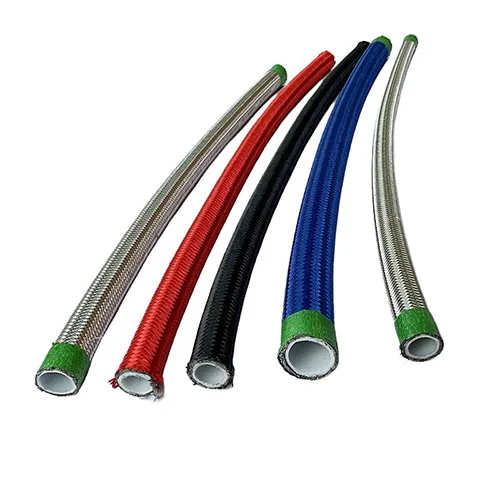
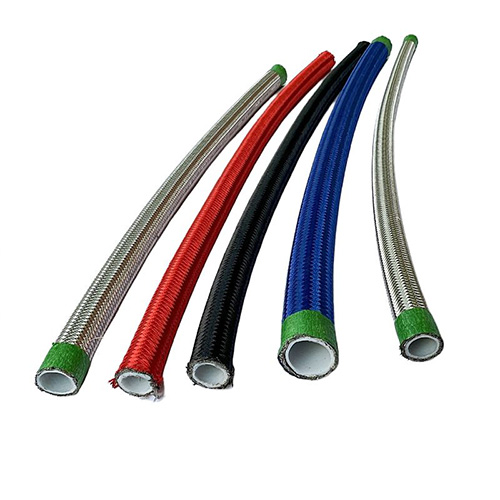
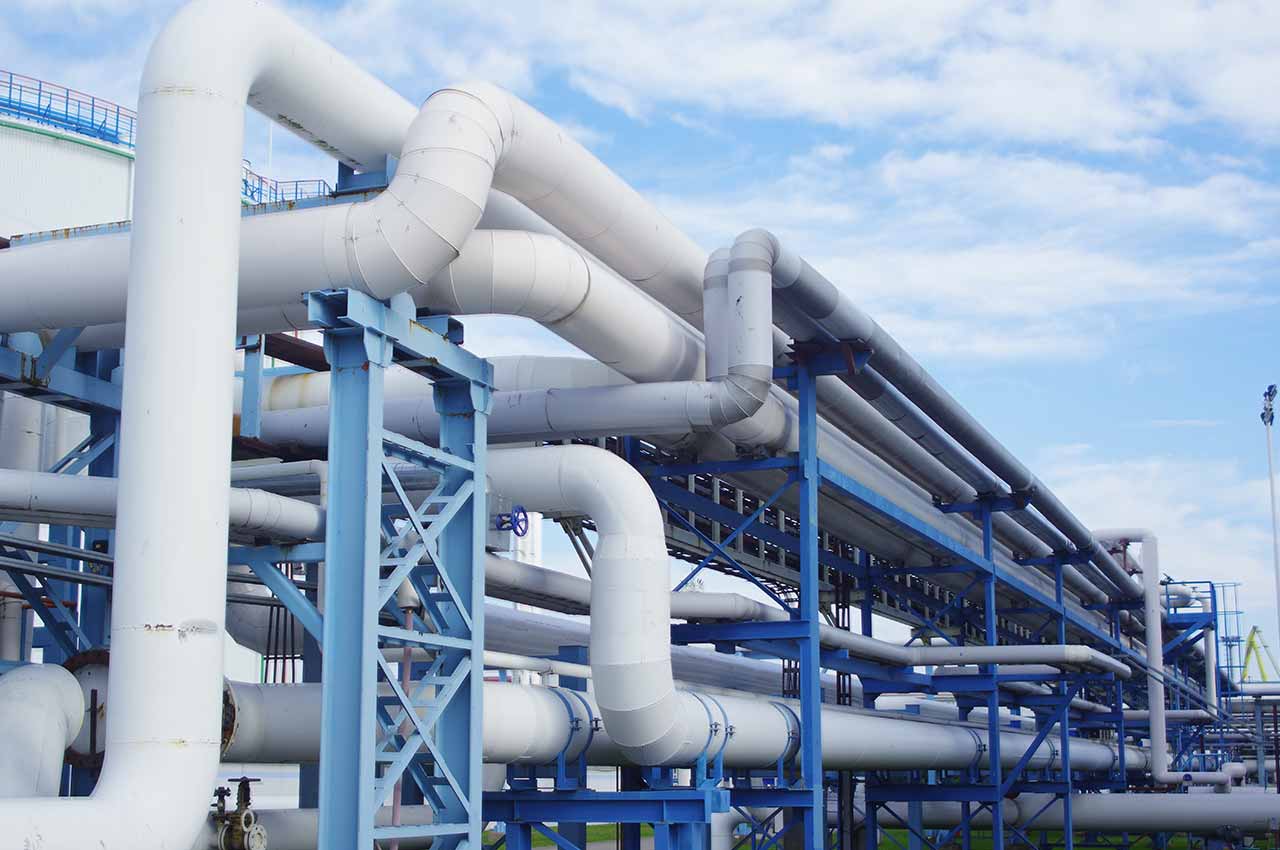
In industrial, automotive, laboratory, and construction environments, bulk hydraulic hoses—especially high-quality PTFE tubing—play a critical role in transmitting fluids under extreme conditions. From high-pressure hydraulic oil to corrosive chemicals and hot steam, these hoses must withstand temperature fluctuations, chemical exposure, and mechanical stress.
A recent report by the Industrial Fluid Systems Association (IFSA, 2025) found that improper handling and low-quality hoses are responsible for over 40% of hydraulic system failures in manufacturing and construction plants. This highlights the importance of selecting the right hose and following best practices for maintenance and storage.
This guide explores 5 vital tips for maximizing the longevity of bulk hydraulic hoses, supported by technical insights, expert opinions, and real-world case studies.
Understanding Bulk Hydraulic Hoses
Concept of PTFE Tubing
PTFE (Polytetrafluoroethylene) tubing is the premium choice for bulk hydraulic hoses. Key features include:
- High heat resistance: Up to 250°C internally, ensuring safe operation with hot fluids.
- Chemical resistance: Handles acids, alkalis, and corrosive chemicals without degradation.
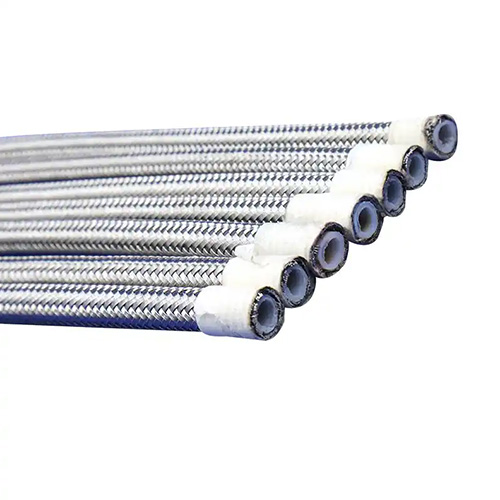
- Mechanical strength: Reinforced with braided stainless steel or aramid fibers for high-pressure performance.
PTFE tubing is lightweight, flexible, and minimizes operator fatigue while ensuring consistent fluid flow under demanding conditions.
Bulk Hydraulic Hose vs Rubber Hose
| Feature | PTFE Bulk Hydraulic Hose | Standard Rubber Hose |
|---|---|---|
| Temperature Resistance | Up to 250°C | Up to 90°C |
| Pressure Handling | 150–3000 psi | 150–500 psi |
| Corrosion Resistance | Excellent | Moderate |
| Flexibility | High | Medium |
| Lifespan | 5–10 years | 1–2 years |
| Weight | Lightweight (~500g/2m) | Heavier |
Insight: For critical applications requiring reliability, PTFE hoses are superior in longevity, safety, and operational efficiency.
Proper Installation Techniques
Prevent Kinking and Twisting
Kinking or twisting during installation can dramatically reduce hose lifespan. PTFE tubing has a recommended minimum bend radius that must be followed to prevent stress fractures and flow obstruction.
Use Certified Fittings
High-quality hoses require compatible fittings, such as stainless steel or nickel-plated connectors. Improper fittings create weak points that can lead to leaks or bursts under pressure.
Pre-Installation Inspection
Always check hoses for visible defects, contamination, or abrasion. Removing foreign particles prevents internal wear and ensures smooth fluid transmission.
Regular Inspections and Preventive Maintenance
Monitoring Wear and Tear
Even PTFE tubing can fail if neglected. Inspect hoses monthly for:
- Abrasion on the braided layer
- Chemical discoloration or softening
- Micro-cracks inside the PTFE lining
According to Hydraulic Engineering Review (2024), hoses inspected regularly last 30% longer than those with irregular checks.
Pressure and Temperature Management
PTFE hoses handle pressures up to 3000 psi and temperatures up to 250°C. Overpressurization can weaken the hose, so installing pressure relief valves and temperature sensors is recommended.
Cleaning and Flushing
Flush hoses after use with compatible cleaning agents to remove residues. This prevents internal degradation and blockages, especially when transferring corrosive or high-temperature fluids.
Optimal Storage Practices
Environmental Control
Store hoses in cool, dry environments away from sunlight and chemicals. UV exposure can weaken the outer braid, and chemical exposure can degrade PTFE internally.
Coiling and Weight Distribution
Avoid sharp bends or heavy compression. Proper coiling ensures the hose maintains its shape, preventing reduced flow efficiency or damage to the internal lining.
Temperature Awareness
Extreme storage temperatures can compromise material integrity. Keep hoses within recommended storage ranges to maintain optimal performance.
Choosing the Right Bulk Hydraulic Hose
Material Quality
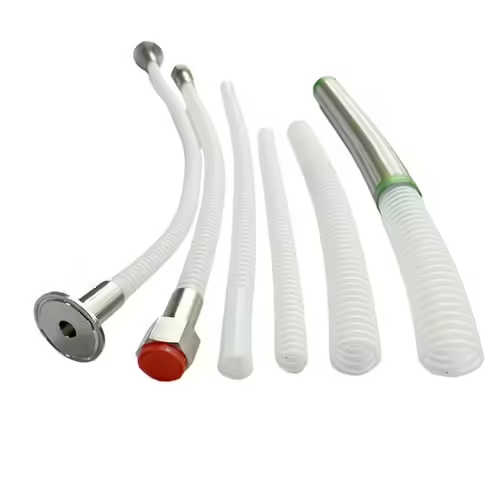
Invest in hoses with reinforced PTFE tubing, preferably using Japanese stainless steel double-buckle spiral reinforcement. This design can handle tensile forces up to 180kg per 2m section, ensuring durability under industrial workloads.
Certifications
Look for hoses with ISO 9001, CE, or GS certifications. Certified hoses undergo rigorous testing for pressure, temperature, and chemical resistance, ensuring safety and reliability.
Cost-Benefit Analysis
Although high-quality hoses cost more upfront, their long service life reduces replacement frequency and downtime. According to Fluid Tech Journal (2023), using certified PTFE bulk hoses can reduce overall operational costs by 25% over five years compared to standard hoses.
Proper Usage and Handling
Minimize Vibration Damage
High vibration from machinery can weaken hoses. Use vibration dampers or flexible loops to reduce wear.
Rotate Fixed Hoses
For static installations, occasionally rotate hoses to prevent uneven wear and distribute stress along the hose length.
Respect Pressure Limits
Never exceed manufacturer-specified pressure limits. Overloading PTFE hoses can cause catastrophic failure.
Advanced Applications
Bulk hydraulic hoses are essential in industries such as:
- Automotive: Transmission fluid, brake systems
- Aerospace: Fuel and coolant transfer
- Chemical: Transport of corrosive fluids
- Food & Pharma: Hot fluid conveyance with chemical safety
- Construction & Machinery: Heavy-duty hydraulic systems
PTFE hoses ensure consistent performance where rubber hoses might fail, especially under high pressure, temperature, or corrosive environments.
Machinery for Bulk Hose Processing
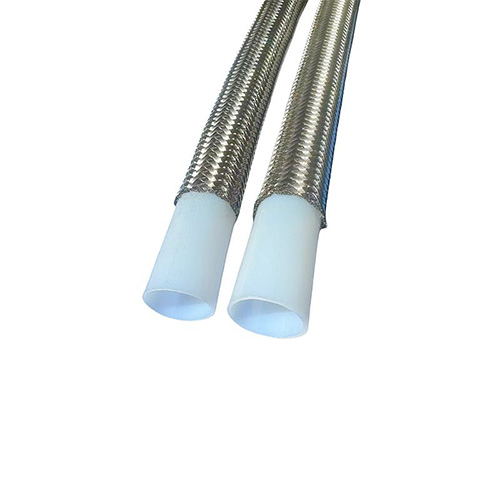
To fabricate and reinforce PTFE bulk hoses, manufacturers use specialized machines:
- Heat Press Machines: Bond layers and create seamless tubing with temperature control
- Cold Press Machines: Ensure dimensional accuracy and reinforcement without heat-induced deformation
These machines allow precise customization of hose length, diameter, and braid reinforcement to meet industrial demands.
Tips for Maximizing Longevity
- Inspect monthly to catch early wear signs
- Flush hoses to prevent residue buildup
- Use appropriate clamps and fittings
- Track usage and lifespan for replacement planning
- Train operators on proper handling and pressure limits
Industry Insights and Expert Opinions
Experts agree that investing in high-grade PTFE bulk hydraulic hoses pays off long-term. According to Hydraulic Engineers International (2024), plants using certified PTFE hoses reported 40% fewer system failures and 35% lower maintenance costs compared to those using standard rubber hoses.
Conclusion
Proper installation, maintenance, storage, and operator training are key to the longevity of bulk hydraulic hoses. PTFE tubing, reinforced with stainless steel or aramid fibers, provides exceptional durability, heat and chemical resistance, and long-term cost savings. By implementing the tips outlined here, industries can maximize hose lifespan, reduce downtime, and ensure safe, efficient fluid handling.
FAQ
What is a bulk hydraulic hose?
A high-capacity hose for fluid transmission, often reinforced for pressure, temperature, and chemical resistance.
Why is PTFE preferred?
PTFE tubing resists heat, chemicals, and abrasion, making it ideal for long-term, high-pressure use.
How often should I inspect PTFE hoses?
Monthly inspections are recommended, especially in high-pressure or high-temperature environments.
Can PTFE hoses handle high pressures?
Yes, up to 3000 psi depending on diameter and reinforcement.
How should hoses be stored?
Cool, dry, away from UV, chemicals, and heavy objects.
Is PTFE better than rubber hoses?
For durability, chemical resistance, and long lifespan, PTFE hoses outperform standard rubber hoses.
What maintenance practices prolong the life of a bulk hydraulic hose?
- Regular inspection for wear and cracks
- Avoiding excessive bending or twisting
- Using pressure relief systems to prevent overpressure
- Flushing hoses after use to remove corrosive residues
- Training operators in proper handling
What is the difference between PTFE and rubber bulk hydraulic hoses?
PTFE hoses offer superior chemical, heat, and pressure resistance, along with a longer lifespan. Rubber hoses are more flexible at room temperature but degrade faster under high pressure or corrosive conditions.
Can I use bulk hydraulic hoses for steam applications?
Yes, high-quality PTFE hoses can handle saturated steam at temperatures up to 250°C, while maintaining external surface safety below 60°C.
Are there color options for bulk hydraulic hoses?
Yes, PTFE hoses can be white, transparent, milky white, or custom colors, depending on industrial or laboratory needs, allowing easy identification and compliance with safety protocols.