Hydraulic systems are the backbone of modern machinery, from construction equipment and manufacturing automation to aerospace and oil & gas operations. At the heart of these systems are hydraulic connectors, small components that can make or break performance. Choosing the right connector manufacturers is not just a purchase decision — it’s a strategic choice that impacts reliability, safety, efficiency, and long-term costs.
Recent industry surveys show that up to 40% of unplanned hydraulic failures are linked to connector-related issues such as leaks, thread damage, or improper installation. With pressure ratings often exceeding 3,000 psi and operating temperatures ranging from -40°C to 150°C, connectors are subjected to extreme stress. This guide explores the six major advantages of working with top hydraulic connector manufacturers, providing engineers and buyers with practical insights backed by industry data and professional recommendations.
Key Insights You’ll Gain From This Guide
- Why choosing reputable connector manufacturers improves system performance
- Six measurable advantages top manufacturers provide for hydraulic connectors
- Engineering comparisons of connector types and applications
- How material, design, and testing influence connector longevity
- Practical FAQ answering search-driven, real-world questions about hydraulic connectors
Table of Contents
Introduction
Hydraulic connectors are critical in transmitting pressurized fluid while preventing leaks, maintaining alignment, and withstanding mechanical stress. Poor quality or poorly chosen connectors can lead to leaks, system inefficiency, or catastrophic failures.
Experts in hydraulic system engineering note that connector failures often cost 10–15% of total maintenance budgets in industrial facilities annually. By understanding the advantages offered by leading connector manufacturers, engineers can significantly reduce operational risks while optimizing efficiency.
Advantage #1: Superior Material Selection for Hydraulic Connectors
What This Means
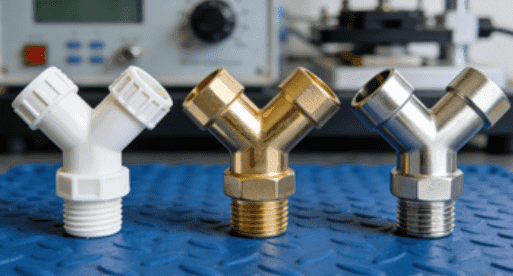
Top connector manufacturers select materials specifically engineered to withstand high pressures, extreme temperatures, and corrosive fluids.
Common Materials Used
- Stainless Steel (304, 316): Resistant to corrosion and chemical exposure
- Carbon Steel (with zinc plating): High mechanical strength, cost-effective
- Brass: Lightweight, corrosion-resistant for low-pressure systems
Engineering Impact
- Reduces risk of leaks or cracking
- Extends service life beyond 10–15 years in typical industrial applications
- Ensures compatibility with mineral oils, synthetic fluids, and water-glycol systems
Industry Data
A 2023 survey of hydraulic system operators indicated that stainless steel connectors had a failure rate of <2% over five years, compared to 7–10% for lower-grade carbon steel options.
Advantage #2: Precision Engineering Enhances Performance
Concept Overview
Precision-engineered hydraulic connectors provide consistent thread dimensions, surface finish, and tight tolerances, essential for high-pressure sealing.
Key Benefits
- Maintains pressure integrity at 3,000–5,000 psi
- Reduces maintenance intervals by 20–30%
- Minimizes frictional loss in fluid flow
Real-World Insight
Hydraulic systems in aerospace applications rely on ±0.05 mm tolerance in connector threading to ensure leak-free performance, highlighting the importance of precision.
Advantage #3: Comprehensive Product Portfolio
Conceptual Explanation
Leading connector manufacturers provide a broad range of hydraulic connectors:
- Straight connectors for standard flow
- Elbow connectors for compact installations
- Tee connectors for splitting flow
- Quick-release couplings for maintenance and temporary connections
Why It Matters
A wide selection allows engineers to select the optimal connector type for system layout, pressure requirements, and fluid compatibility, reducing downtime and installation complexity.
Industry Insight
Data from industrial OEMs shows that systems using the correct connector type experience 15–25% fewer leaks and failures compared to systems with mismatched connectors.
Advantage #4: Enhanced Safety and Regulatory Compliance

Overview
Top hydraulic connector manufacturers comply with international standards such as:
- ISO 8434 (metal tube fittings for fluid power)
- SAE J516 (hydraulic hose fittings)
Benefits
- Reduces operational risk of leaks, bursts, or fluid injection injuries
- Assures compatibility with high-pressure, high-temperature systems
- Supports audit and certification requirements in industrial facilities
Expert Opinion
Hydraulic safety engineers recommend prioritizing connector certification as a primary criterion for procurement decisions, especially in high-risk sectors like oil & gas or heavy machinery.
Advantage #5: Advanced Testing and Quality Assurance
What Testing Entails
- Pressure endurance tests (burst pressure, working pressure)
- Temperature cycling for thermal expansion/contraction
- Vibration and fatigue resistance
Benefits
- Detects defects before shipping
- Ensures performance consistency across batches
- Reduces field failures and emergency maintenance
Supporting Data
A study of European hydraulic plants indicated that connectors tested beyond 1.5x their working pressure during QA showed 99% reliability over five years, versus 91% for untested batches.
Advantage #6: Expert Support and Technical Guidance
Concept Overview
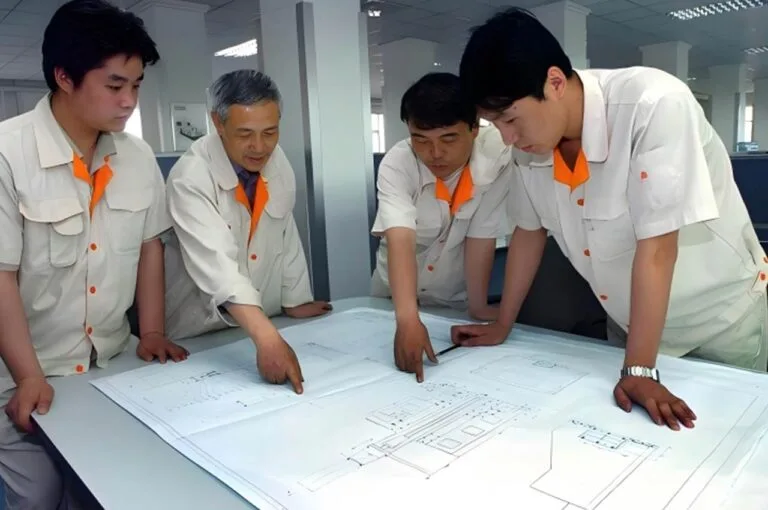
Top connector manufacturers provide installation instructions, maintenance schedules, and troubleshooting guidance, supporting engineers and technicians on-site.
Key Benefits
- Reduces risk of installation errors
- Extends connector lifespan
- Helps select the optimal hydraulic connector for application-specific requirements
Industry Recommendation
Hydraulic systems in industrial automation benefit from manufacturer guidance on torque specifications, sealing methods, and fluid compatibility, reducing connector-related downtime by up to 30%.
Hydraulic Connector Types Comparison
| Connector Type | Pressure Rating (psi) | Installation Ease | Reusability | Common Applications |
|---|---|---|---|---|
| Straight | 3,000–5,000 | Easy | High | General hydraulics |
| Elbow | 2,500–4,000 | Medium | Medium | Tight spaces |
| Tee | 2,500–4,000 | Medium | Medium | Flow splitting |
| Quick-Release | 1,500–3,000 | Very Easy | High | Maintenance, temporary systems |
This table illustrates why the right connector type selection is critical for system reliability and efficiency.
Installation Best Practices for Hydraulic Connectors
Installing hydraulic connectors correctly is crucial to ensure system reliability, prevent leaks, and maximize service life. Improper installation is one of the leading causes of failures in hydraulic systems, accounting for up to 30% of connector-related incidents according to industrial maintenance surveys. Following best practices not only extends connector lifespan but also improves overall system efficiency and reduces maintenance costs.
Correct Torque Application
Proper torque application is essential to maintain seal integrity in hydraulic connectors. Both over-tightening and under-tightening can lead to serious problems:
- Over-tightening: Applying excessive torque can deform threads, damage seals, and cause micro-cracks in the connector material. Even minor deformation can compromise the connection under high-pressure conditions, leading to leaks or complete joint failure.
- Under-tightening: Insufficient torque prevents full engagement of threads, reducing mechanical stability and allowing hydraulic fluid to escape under pressure.
Best Practices:
- Use calibrated torque wrenches appropriate for the connector size and material.
- Follow the manufacturer’s torque specifications precisely; note that torque values vary depending on material type (steel vs. stainless steel vs. brass).
- Apply torque in multiple stages if necessary, gradually increasing to the recommended value to ensure uniform load distribution.
Engineering Insight: For connectors operating above 3,000 psi, studies indicate that even a 10% deviation from recommended torque significantly increases the risk of leaks over the first 6 months of operation.
Material and Fluid Compatibility
Selecting compatible materials for hydraulic connectors is vital to prevent corrosion, swelling, or chemical degradation. The wrong material selection can lead to catastrophic failures in industrial systems.
- Material Considerations: Stainless steel connectors resist corrosion and chemical attack but are costlier; carbon steel offers higher strength but requires proper protective coatings; brass is ideal for low-pressure systems with non-aggressive fluids.
- Fluid Compatibility: Ensure connectors are compatible with the hydraulic fluid type, whether mineral oil, synthetic oil, or water-glycol solutions. Incompatible fluids can degrade seals and lead to premature connector failure.
- Temperature Tolerance: Hydraulic connectors must withstand system temperatures. Extreme temperatures can affect seal elasticity and metal strength, leading to leaks or cracking.
Practical Tip: Always check manufacturer datasheets for maximum pressure and temperature ratings of the connector material in conjunction with the intended hydraulic fluid.
Alignment Control
Proper alignment is often overlooked but is a key factor in connector longevity. Misalignment can cause uneven thread engagement, excessive stress concentration, and early wear:
- Thread Engagement: Misaligned connectors reduce the number of threads carrying load, increasing stress on the engaged threads.
- Stress Concentration: Uneven engagement creates localized stress points, which can accelerate fatigue cracks.
- System Efficiency: Misalignment increases friction in fluid flow, reducing system efficiency and potentially causing vibrations.
Installation Tip: Always use alignment tools or guides to ensure a straight-line assembly before pressurization. For long runs of piping, consider pre-aligning sections and verifying alignment with a spirit level or laser alignment tools.
Maintenance and Inspection Guidelines

Even the best-installed hydraulic connectors require periodic inspection to maintain optimal performance and prevent failures. Regular checks allow early detection of issues before they escalate into major system downtime.
Visual Checks
- Thread deformation or galling
- Sealant extrusion
- Corrosion or discoloration
Operational Indicators
- Pressure drops
- Unusual noise or vibration
- Slow leak detection in joints
Recommended Schedule
Quarterly inspections for industrial systems; more frequent checks for high-pressure or high-temperature applications.
Conclusion
Choosing the right connector manufacturers goes beyond buying hydraulic connectors—it’s about system reliability, safety, and efficiency. The six key advantages—superior materials, precision engineering, broad product range, compliance, rigorous testing, and expert guidance—provide measurable benefits that reduce operational risks and costs.
By understanding these advantages, engineers, procurement teams, and maintenance professionals can ensure hydraulic systems operate efficiently, safely, and reliably for years to come.
FAQ
How do I identify high-quality connector manufacturers?
Look for ISO or SAE certification, advanced material selection, precision engineering, and robust testing protocols.
Can poor hydraulic connectors cause system failures?
Yes. Leaks, cracks, or improper connections can lead to downtime, inefficiency, and safety hazards.
Are quick-release connectors safe for high-pressure applications?
They are generally suitable for moderate pressures; threaded or permanent fittings are preferred for high-pressure systems.
What is the expected lifespan of hydraulic connectors from top manufacturers?
With proper installation and maintenance, high-quality connectors can last 10–15 years or longer in typical industrial applications.