Table of Contents
Introduction
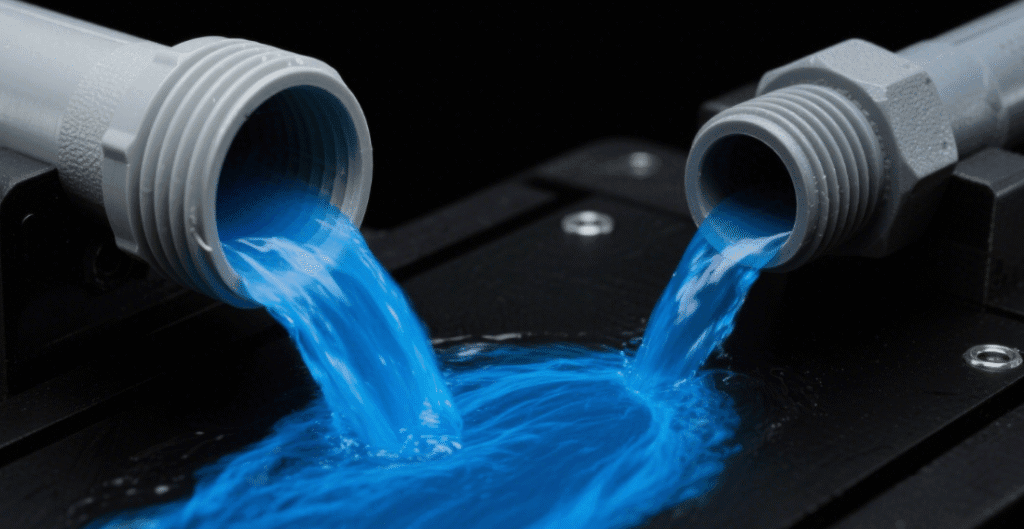
Selecting the right hydraulic hose connector size is a critical decision for ensuring the performance, safety, and efficiency of hydraulic systems. Whether you’re an equipment manufacturer, maintenance professional, or project manager, understanding the key factors that affect hydraulic hose connector sizing can help you avoid costly mistakes and ensure optimal system performance.
Hydraulic hose connectors play a vital role in any hydraulic system by ensuring secure and leak-free connections between various components. This blog will explore seven key factors that impact hydraulic hose connector size selection, providing you with insights that will help you make informed decisions when selecting connectors for your specific needs.
At Hebei Minglai Pipe Fitting Co., Ltd., we specialize in both standard and non-standard hydraulic joints, offering a variety of high-quality connectors that are tested for durability and performance. Our goal is to deliver reliable hydraulic solutions tailored to your needs, and in this post, we’ll explain how you can choose the right hydraulic hose connector for your system.
Key Factors Affecting Hydraulic Hose Connector Size Selection
1. Pressure Rating and Hydraulic Hose Connector Size
The pressure rating is one of the most critical factors to consider when choosing a hydraulic hose connector. Hydraulic systems operate under varying pressure levels, and the connectors must be capable of withstanding the maximum pressure of the system without failing. A connector’s pressure rating indicates the maximum pressure it can safely handle without compromising its integrity.
Hydraulic connectors designed for higher pressures typically feature thicker walls and a more robust construction. When selecting the appropriate connector size, ensure it matches or exceeds the required pressure rating for your system. Using connectors with insufficient pressure ratings can lead to catastrophic failures, including ruptured hoses, leaks, or complete system breakdowns.
For example, in high-pressure systems such as heavy-duty construction machinery or industrial hydraulic systems, a connector with a pressure rating that matches the system’s specifications is essential. Be sure to check the manufacturer’s specifications for pressure ratings to ensure you are selecting the correct hydraulic hose connector for your application.
2. Flow Rate and Hydraulic Hose Connector Sizing
Flow rate refers to the volume of hydraulic fluid that passes through the system over time, typically measured in liters per minute (LPM) or gallons per minute (GPM). The flow rate directly affects the connector size since connectors with smaller diameters can restrict fluid flow, reducing system efficiency. This reduction in flow can cause inefficiencies, temperature increases, and increased power consumption.
On the other hand, excessively large connectors can allow too much flow, which may lead to cavitation or turbulence in the system. Therefore, selecting the right connector size is crucial to maintain optimal fluid flow while avoiding excessive energy consumption or damage to system components.
When determining the appropriate size, it’s vital to consider the flow rate of the hydraulic system and match it with the connector size. This will help ensure the system operates smoothly and at peak efficiency. Flow rate calculations should be performed based on your system’s operating conditions to ensure you avoid under-sized or over-sized connectors that can impair system performance.
3. Temperature Resistance and Connector Size
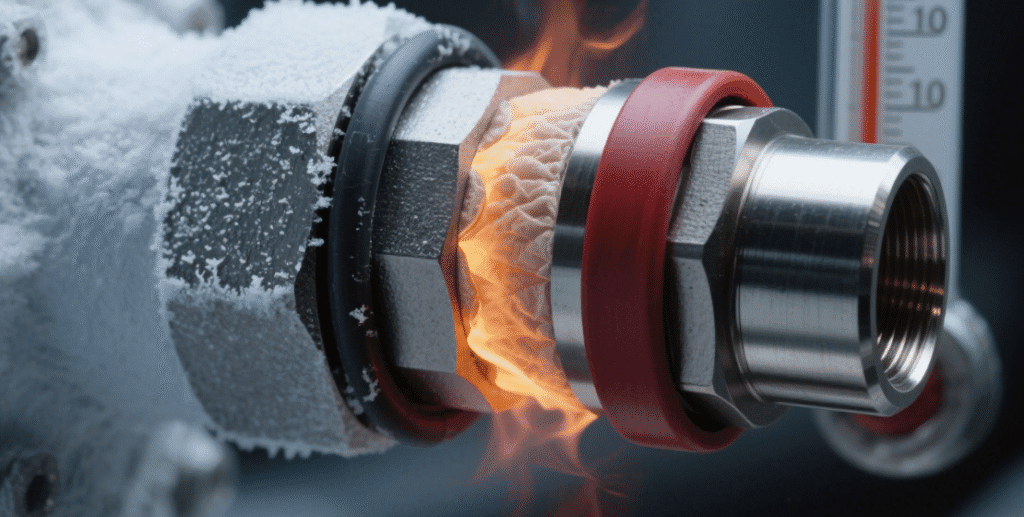
Temperature plays a significant role in determining the suitability of hydraulic hose connectors for specific applications. Extreme temperatures—either hot or cold—can affect the performance of both the connector material and the hydraulic system. At high temperatures, some materials may become soft or less rigid, compromising their strength and sealing capabilities. Conversely, at low temperatures, materials may become brittle and prone to cracking.
Temperature resistance is an important factor in selecting the appropriate hydraulic hose connector size. Hydraulic systems operating in high-temperature environments require connectors that are specifically designed to withstand those conditions. Conversely, systems in colder environments may need materials that remain flexible at low temperatures without losing their integrity.
For example, hydraulic hose connectors made from stainless steel or other high-temperature-resistant materials are ideal for high-heat applications. For cold environments, connectors made from specialized alloys or rubber compounds can prevent brittleness and ensure proper sealing.
Selecting connectors with the right temperature resistance ensures that they will function optimally under your system’s operating conditions, reducing the risk of failure due to temperature extremes.
4. Material Compatibility with Hydraulic Hose Connectors
The material of the hydraulic hose connector is critical in ensuring compatibility with both the hose material and the fluid used in the system. There is a wide range of materials used for hydraulic hose connectors, including stainless steel, carbon steel, brass, aluminum, and various composite materials. The material choice depends on the type of hydraulic fluid used, the operating pressure, and the potential for exposure to harsh chemicals or corrosive environments.
For example, in applications involving corrosive fluids such as certain oils or chemicals, connectors made of corrosion-resistant materials like stainless steel or aluminum are essential to prevent rusting and degradation. In systems with high-pressure or high-temperature conditions, choosing a material that can withstand the stress while providing reliable sealing is essential for long-term performance.
Proper material selection ensures that connectors remain intact and functional throughout the lifespan of the hydraulic system. Additionally, compatibility with the fluid type helps prevent damage to the connector, hose, and the system as a whole.
5. Connector Size and System Design
The overall design of the hydraulic system, including the arrangement of pumps, hoses, actuators, and other components, significantly influences the size of the connector you need. Some systems have specific space constraints, particularly in mobile equipment or compact machinery. In such cases, selecting the correct size connector that fits within the available space while still providing reliable sealing and functionality is crucial.
In systems where space is limited, smaller connectors may be necessary to avoid interference with other components or to ensure that hoses and connectors don’t obstruct critical parts of the machine. However, it’s important to strike a balance between space efficiency and functionality—selecting a connector that’s too small could restrict flow or pressure, while an overly large connector may not fit properly within the system.
Before selecting the size of the hydraulic hose connector, carefully evaluate the layout of your system and the space constraints within the machine or infrastructure. This will help you choose the right connector size to ensure smooth operation without interfering with other components.
6. Vibration and Connector Durability
Vibration is a common issue in hydraulic systems, especially in heavy-duty machinery and mobile equipment. Constant vibration can cause connectors to loosen, which can lead to leaks, ruptures, or even complete system failure. To address this challenge, it’s essential to select connectors that are not only the right size but also durable enough to withstand constant vibration.
Certain types of hydraulic hose connectors come with vibration-resistant features, such as locking mechanisms or vibration-damping materials, that help secure the connector in place. Additionally, selecting a connector size that minimizes the potential for vibration-related issues is essential to ensuring long-term reliability.
For applications in industries such as construction or mining, where equipment is frequently exposed to high levels of vibration, selecting the correct hydraulic hose connector with features that reduce vibration risks will extend the lifespan of the system and improve overall safety.
7. Ease of Installation and Maintenance
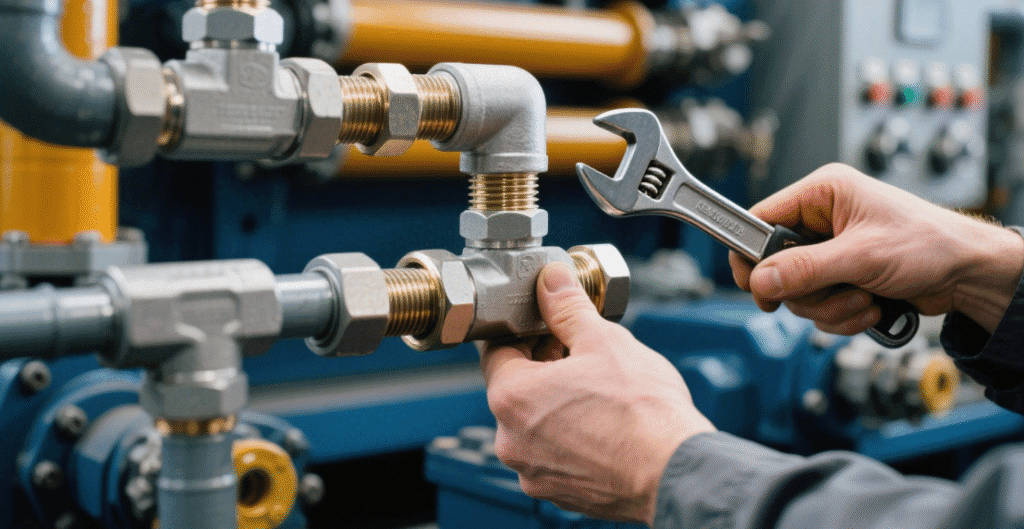
Lastly, the ease of installation and maintenance should be considered when selecting the hydraulic hose connector size. In systems where connectors need to be frequently replaced or serviced, it’s essential to choose connectors that are easy to install and remove. This is particularly important for industries where downtime is costly, and frequent maintenance is necessary.
Some hydraulic hose connectors, such as quick-change or removable pipe joints, are designed to simplify installation and maintenance. These connectors allow for easy disconnection and reconnection, reducing downtime and minimizing the risk of errors during maintenance procedures. Quick-change connectors are particularly beneficial in systems that require frequent service or replacement of components.
Choosing connectors that are both easy to install and durable will ensure that the system remains functional and minimizes the amount of time spent on maintenance.
Choosing the Right Hydraulic Hose Connector for Your Needs
Selecting the right hydraulic hose connector is not a one-size-fits-all decision. It requires a careful consideration of several factors to ensure optimal system performance, efficiency, and safety. Here’s a table summarizing the key factors to consider when selecting a hydraulic hose connector:
| Factor | Description | Considerations |
|---|---|---|
| Pressure Rating | The pressure the connector can safely withstand. | Ensure the connector is rated for the maximum system pressure. |
| Flow Rate | The amount of hydraulic fluid passing through the connector. | Match connector size with system flow to avoid inefficiency or cavitation. |
| Temperature Resistance | The ability of the connector to withstand extreme temperatures. | Choose connectors made from materials that can handle high or low temperatures. |
| Material Compatibility | Compatibility between the connector material, hose material, and fluid. | Ensure materials are resistant to corrosion and compatible with the hydraulic fluid. |
| System Design Compatibility | The space constraints and design layout of the hydraulic system. | Ensure connectors fit into tight spaces and are easy to install in your system layout. |
| Vibration Resistance | The ability to withstand constant vibration. | Select connectors with vibration-resistant features for long-term reliability. |
| Ease of Installation and Maintenance | The ease of installation and removal of the connector. | Consider quick-change connectors for easier maintenance in frequent service applications. |
Conclusion
Selecting the correct hydraulic hose connector size is essential for ensuring your hydraulic system operates safely and efficiently. By considering factors such as pressure rating, flow rate, material compatibility, temperature resistance, and system design, you can make informed decisions that will improve system performance and reduce maintenance costs.
At Hebei Minglai Pipe Fitting Co., Ltd., we offer a range of standard and non-standard hydraulic hose connectors that meet the highest industry standards. Our products are designed for reliability and durability, with strict quality control processes in place to ensure customer satisfaction. Whether you’re looking for flared pipe joints, welded pipe joints, or quick-change connectors, we have the perfect solutions for your hydraulic needs.
FAQ
Q1: How do I know which connector size to choose for my hydraulic system?
A1: The correct connector size depends on factors such as pressure rating, flow rate, material compatibility, and system design. Refer to the system specifications and consult with a hydraulic professional to ensure the right size is selected.
Q2: Can I use the same connector size for all hydraulic systems?
A2: No, different hydraulic systems have different requirements. It’s important to select the appropriate connector size based on the unique needs of your system, such as pressure, flow, and temperature conditions.
Q3: What is the benefit of using quick-change connectors?
A3: Quick-change connectors allow for faster and easier installation and maintenance, reducing downtime and improving system reliability, particularly in industries where frequent service or part replacement is required.
Q4: Can I use standard connectors for high-pressure systems?
A4: Standard connectors may not be suitable for high-pressure systems. For high-pressure applications, it’s crucial to select connectors that are specifically rated for higher pressure to avoid failure.
For more information about selecting the right hydraulic hose connector or to request a quote, please contact us at Hebei Minglai Pipe Fitting Co., Ltd. We are happy to assist you with customized solutions that meet your specific needs.