Table of Contents
Introduction
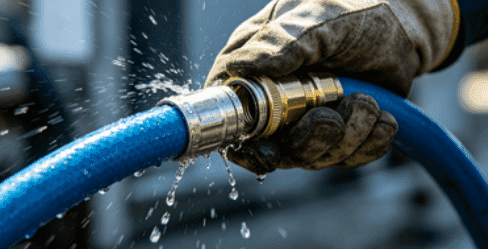
In modern hydraulic systems, fittings play a critical role in maintaining pressure integrity, preventing leaks, and ensuring the safe transmission of fluid power. Choosing the correct hydraulic fitting types is not just a matter of compatibility — it directly influences efficiency, system longevity, and operational safety.
Engineers, maintenance professionals, and procurement managers in industries such as construction, mining, manufacturing, and transportation understand that even a small fitting failure can cause significant downtime. That’s why knowing the right fitting types and their specific applications is vital.
In this blog, we’ll explore 10 powerful hydraulic fitting types you must know. You’ll learn their design principles, advantages, and practical use cases, helping you make more informed engineering and purchasing decisions.
What Are Hydraulic Fittings?
Hydraulic fittings are precision-engineered connectors used to join sections of pipe, tube, or hose in hydraulic systems. They allow fluid to flow securely under high pressure, enabling movement and power transfer across machinery.
Their main functions include:
- Connecting components with different thread types or sizes
- Preventing leaks and fluid loss
- Allowing quick maintenance or component replacement
- Reducing vibration stress in high-pressure systems
Hydraulic fittings come in various designs — each optimized for a specific sealing method, pressure range, and application. Understanding these categories helps engineers standardize systems and avoid cross-threading or incompatible sealing.
Why Choosing the Right Hydraulic Fitting Type Matters
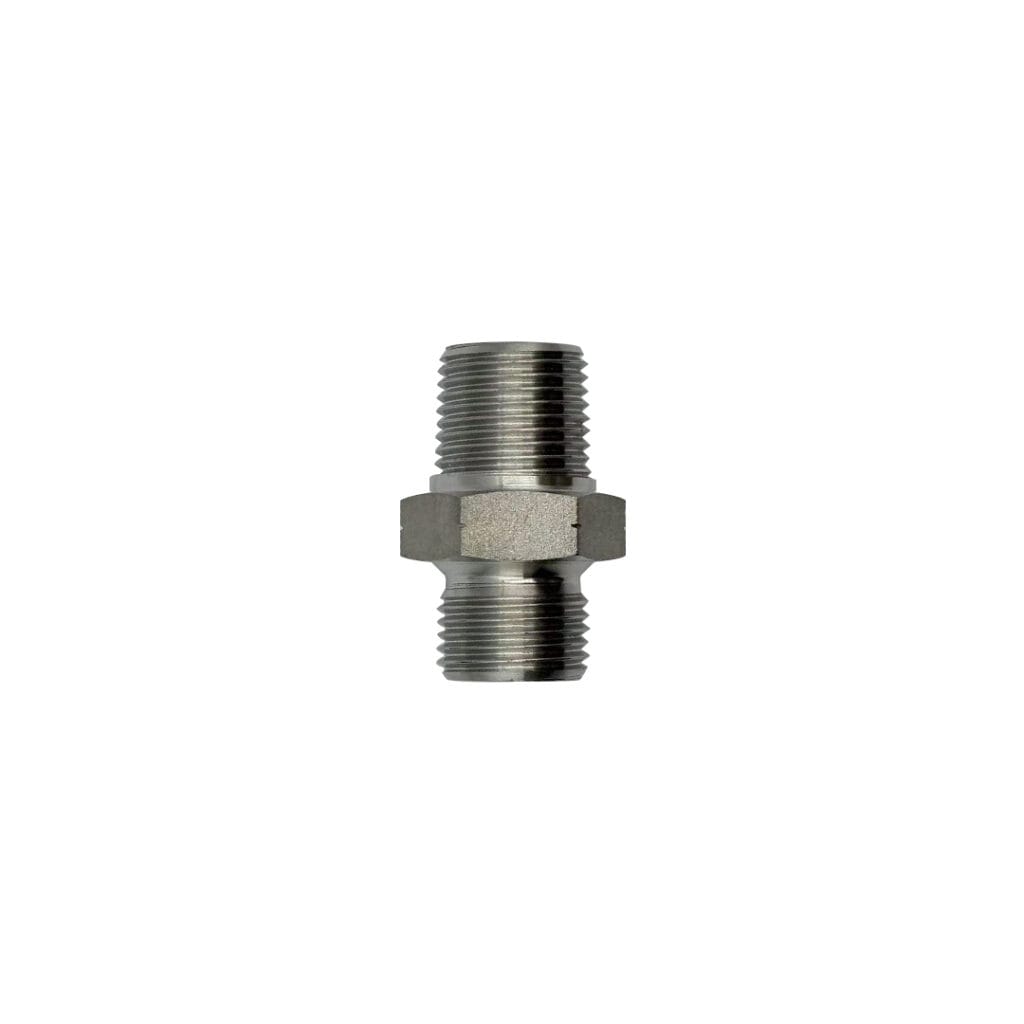
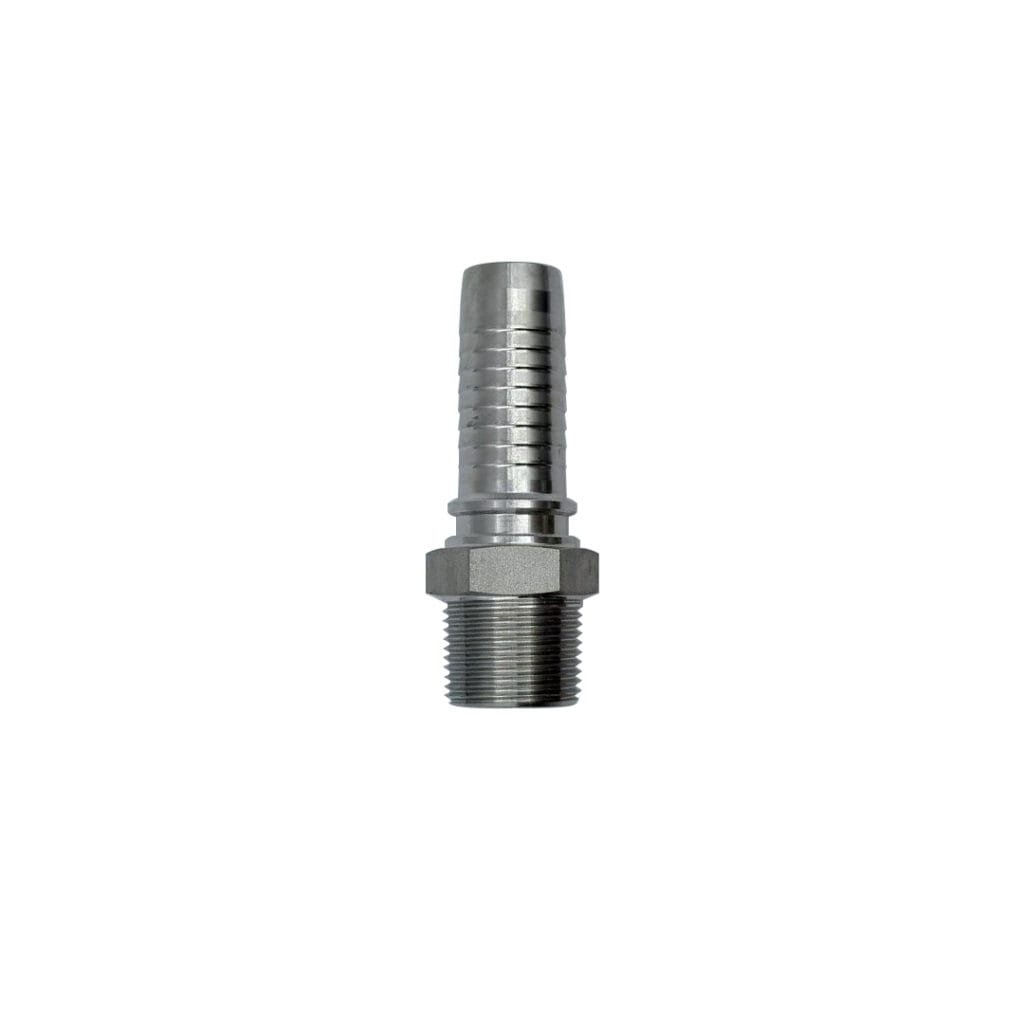
The selection of hydraulic fitting types affects multiple aspects of system performance:
- Pressure rating: Some fittings handle extreme pressures, while others are meant for low- to medium-pressure systems.
- Sealing method: Flare, O-ring face, or tapered thread — each provides a different level of leak protection.
- Material compatibility: Brass, carbon steel, and stainless steel fittings offer different resistance to corrosion and fatigue.
- Maintenance and replacement: Certain fittings, such as reusable or quick-connect types, simplify maintenance operations.
Incorrect selection often leads to micro-leaks, thread damage, or catastrophic failure — all of which can cost time, fluid, and safety.
Overview of the 10 Most Common Hydraulic Fitting Types
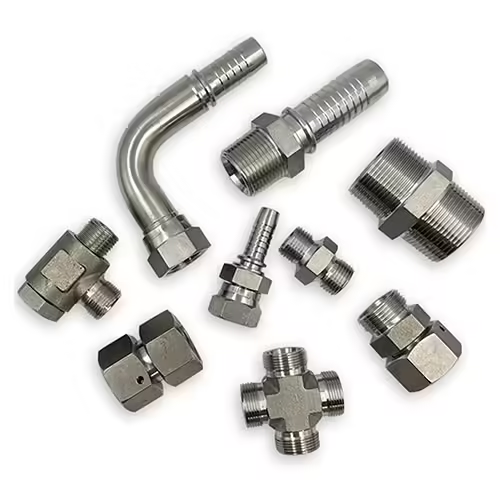
Before diving into detailed descriptions, here’s a quick overview of the most widely used hydraulic fitting types in industrial applications:
- JIC (Joint Industry Council) Fittings
- NPT (National Pipe Tapered) Fittings
- BSP (British Standard Pipe) Fittings
- ORFS (O-Ring Face Seal) Fittings
- SAE Straight Thread Fittings
- DIN Metric Fittings
- Compression Fittings
- Flange Fittings
- Push-to-Connect Fittings
- Quick-Disconnect Fittings
Each of these has its own unique sealing mechanism, thread design, and application range — from low-pressure instrumentation to heavy-duty hydraulic machinery.
How Engineers Typically Identify Hydraulic Fitting Types
Engineers commonly identify fittings based on:
- Thread angle and pitch: Measured with thread gauges.
- Sealing surface: Flare, cone, or O-ring face seal.
- Nominal diameter and thread form: Metric, UNF, BSPT, etc.
- Visual inspection: Notches, hex sizes, and material markings.
Using the wrong identification standard can lead to cross-threading and leaks. For multinational operations, it’s crucial to match fitting standards to regional equipment specifications.
Top 10 Hydraulic Fitting Types
1. JIC (Joint Industry Council) Fittings

JIC fittings feature a 37-degree flare design that ensures a tight seal and high-pressure tolerance. They are commonly used in industrial and mobile hydraulic applications and are known for their durability.
2. NPT (National Pipe Tapered) Fittings
NPT fittings have tapered threads that create a pressure-tight seal. They are simple, widely available, and commonly used in general hydraulic systems. Sealants or tapes are usually required to prevent leaks.
3. BSP (British Standard Pipe) Fittings
BSP fittings are widely used in European hydraulic systems. They come in parallel (BSPP) and tapered (BSPT) forms. BSP fittings are versatile but require proper installation to avoid leaks.
4. ORFS (O-Ring Face Seal) Fittings
ORFS fittings use an O-ring on the face to create a leak-free seal. They are high-pressure rated, reusable, and common in industrial hydraulic systems where reliability is critical.
5. SAE Straight Thread Fittings
SAE straight thread fittings provide a straightforward threaded connection. They are often used with O-rings or gaskets for sealing, offering reliable performance under medium to high pressures.
6. DIN Metric Fittings
DIN metric fittings follow ISO standards and are commonly used in modern machinery. They offer standardized sizing and threading, ensuring compatibility across different hydraulic systems.
7. Compression Fittings
Compression fittings create a seal without flaring the tube by using a ferrule. They are easy to install, ideal for tight spaces, and widely used in industrial applications.
8. Flange Fittings
Flange fittings provide a secure connection using bolts and a flange plate. They are suitable for high-pressure and large-diameter systems, commonly seen in industrial and construction machinery.
9. Push-to-Connect Fittings
Push-to-connect fittings allow quick installation without tools. They are convenient for systems that require frequent assembly or disassembly and are often used in pneumatic or low-pressure hydraulic applications.
10. Quick-Disconnect Fittings
Quick-disconnect fittings enable fast connection and disconnection without tools, making them ideal for temporary setups or equipment that needs regular maintenance. They help reduce downtime and improve workflow efficiency.
Comparison Table of Hydraulic Fitting Types
| Fitting Type | Pressure Rating | Common Applications | Advantages | Disadvantages |
|---|---|---|---|---|
| JIC (Joint Industry Council) | High | Industrial, Mobile | Durable, high-pressure | Requires precise installation |
| NPT (National Pipe Tapered) | Medium | General hydraulics | Simple, widely available | Needs sealant/tape |
| BSP (British Standard Pipe) | Medium | European systems | Standardized, versatile | Can leak if not installed properly |
| ORFS (O-Ring Face Seal) | High | Industrial | Leak-free, reusable | Higher cost |
| SAE Straight Thread | Medium-High | Industrial, Mobile | Reliable, standard | Needs O-ring/gasket for seal |
| DIN Metric | Medium-High | Modern machinery | Standardized, compatible | Requires metric thread tools |
| Compression | Medium | Tight spaces | Easy installation | Limited pressure capacity |
| Flange | High | Large-diameter, high pressure | Secure, strong | Requires bolts, space-consuming |
| Push-to-Connect | Low-Medium | Temporary or low-pressure | Fast, tool-free | Not for high pressure |
| Quick-Disconnect | Medium | Maintenance setups | Fast, convenient | Limited pressure tolerance |
How to Choose the Right Hydraulic Fitting Types

Consider Pressure and Flow Requirements
Choosing the right fitting depends on system pressure, fluid type, and flow rate. High-pressure systems require strong, leak-proof fittings.
Installation Environment
Consider temperature, corrosion, and vibration. Some fittings perform better in harsh conditions, like stainless steel ORFS or JIC fittings.
Maintenance and Accessibility
Select fittings that allow easy maintenance, replacement, and inspection to reduce downtime.
Compatibility with Hoses and Pipes
Ensure the fitting matches hose size, thread type, and material compatibility to prevent leaks and failures.
Common Issues and Troubleshooting Hydraulic Fitting Types
Leaks and How to Prevent Them
Leaks can result from improper installation, wrong type selection, or damaged threads. Use the correct torque and sealing methods.
Wear and Corrosion
Fittings exposed to harsh chemicals or environments may corrode. Material selection and protective coatings can prevent early wear.
Pressure Loss
Incorrect fittings or misaligned connections can reduce system efficiency. Always verify pressure ratings and alignment during installation.
Conclusion
Understanding the different hydraulic fitting types is crucial for system efficiency, safety, and longevity. Selecting the right type based on pressure, environment, and application helps avoid leaks, downtime, and costly repairs. With proper knowledge and maintenance, hydraulic systems can operate smoothly and reliably for years.
FAQ
What are hydraulic fitting types used for?
They connect different parts of a hydraulic system, allowing fluid to flow efficiently while maintaining pressure.
How do I know which hydraulic fitting types to use?
Consider pressure rating, fluid type, hose compatibility, and environmental conditions.
Can hydraulic fitting types be reused?
Some types, like ORFS, JIC, or quick-disconnect fittings, are reusable if inspected and undamaged. Others, like NPT with sealant, may require replacement.
Are there standards for hydraulic fitting types?
Yes, fittings often follow standards such as ISO, SAE, DIN, or BSP to ensure compatibility and safety.
How can I prevent leaks in hydraulic fittings?
Use proper installation torque, compatible sealants if needed, and inspect threads or seals regularly.
What is the difference between JIC and ORFS fittings?
JIC uses a 37-degree flare for sealing, while ORFS uses an O-ring on the face. ORFS provides a leak-free, reusable seal, whereas JIC is more traditional and widely used.
Are push-to-connect fittings suitable for high-pressure systems?
They are generally used for low to medium pressures and are not recommended for high-pressure applications.