Table of Contents
Hydraulic connectors are essential components in fluid power systems, ensuring the safe and efficient transfer of hydraulic fluid under high pressure. Choosing the right hydraulic fitting, understanding its common issues, and maintaining it properly are key to system reliability. This guide covers types, materials, installation tips, and troubleshooting advice for hydraulic fittings.
Introduction
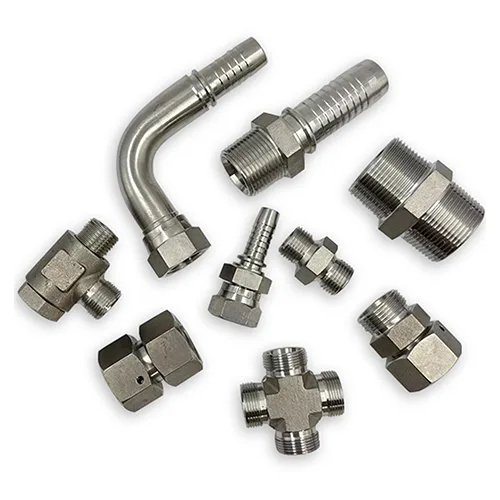
Hydraulic connectors come in various types, each designed for specific applications:
- JIC fittings: Popular for high-pressure applications with a 37-degree flare seating.
- O-ring face seal fittings: Provide a leak-free seal and are suitable for high-pressure systems.
- NPT (National Pipe Thread) fittings: Threaded connections for moderate pressure, easy to install.
- BSP fittings: Widely used in industrial systems with parallel or tapered threads.
- Quick disconnect fittings: Allow rapid connection and disconnection without fluid loss.
Each type has advantages depending on pressure, fluid type, and installation requirements.
Materials Used for Hydraulic Fittings
Material selection affects durability, corrosion resistance, and compatibility with hydraulic fluid:
- Carbon steel: Strong and cost-effective, ideal for industrial applications.
- Stainless steel: Highly resistant to corrosion and chemical exposure.
- Brass: Suitable for low-pressure systems and non-corrosive fluids.
- Aluminum: Lightweight, commonly used in mobile hydraulic systems.
Choosing the right material ensures long-lasting performance and reduces maintenance frequency.
Hydraulic Fitting Sizes and Standards
Hydraulic connectors follow industry standards to ensure compatibility and safety. Consider:
- Fitting sizes based on hose diameter and thread type
- Pressure ratings and system requirements
- Compliance with standards such as SAE, ISO, or DIN
Correct sizing and standards compliance prevent leaks and system failures.
Common Problems with Hydraulic Fittings
Even well-designed hydraulic connectors can face issues:
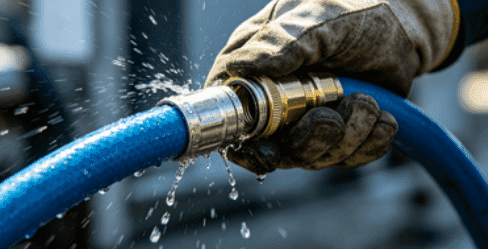
- Leaks due to worn seals, improper torque, or misalignment
- Corrosion and material degradation over time
- Thread damage or stripping during installation
- Fitting loosening from vibration or thermal expansion
Preventive inspection and proper installation practices are critical to mitigate these problems.
Installation Tips for Hydraulic Fittings
Proper installation is essential for performance and longevity:
- Ensure mating surfaces are clean and free from debris.
- Select the correct seal or O-ring for the pressure and fluid.
- Align fittings properly to avoid stress and leaks.
- Tighten fittings gradually, following manufacturer torque specifications.
- Inspect for leaks and retighten if necessary after initial system pressurization.
Hydraulic Fitting Quick Reference Table
| Fitting Type | Recommended Application | Installation Notes |
|---|---|---|
| JIC | High-pressure hydraulic systems | Ensure 37-degree flare seat is aligned |
| O-ring face seal | Leak-sensitive high-pressure lines | Proper O-ring material selection required |
| NPT | Moderate-pressure threaded systems | Use correct thread sealant |
| BSP | Industrial fluid systems | Check for parallel or tapered thread match |
| Quick disconnect | Mobile or modular systems | Ensure proper valve engagement |
Maintenance Tips for Hydraulic Fittings
Routine maintenance can significantly extend the life of hydraulic connectors:
- Inspect for leaks, corrosion, and seal wear regularly
- Check torque on threaded connections periodically
- Replace worn or damaged O-rings and seals immediately
- Clean fittings and surrounding areas to prevent contamination
- Maintain a log of inspections and maintenance activities
Hydraulic Fittings vs Other Connection Types
Understanding alternatives helps you make informed choices:
- Threaded fittings: Easier to install but less suitable for high-pressure systems
- Welded connections: Permanent and leak-proof but difficult to disassemble
- Flared or compression fittings: Good for moderate pressures with easier maintenance
Hydraulic connectors provide a balance of strength, reliability, and serviceability in most hydraulic systems.
How to Choose the Right Hydraulic Fitting
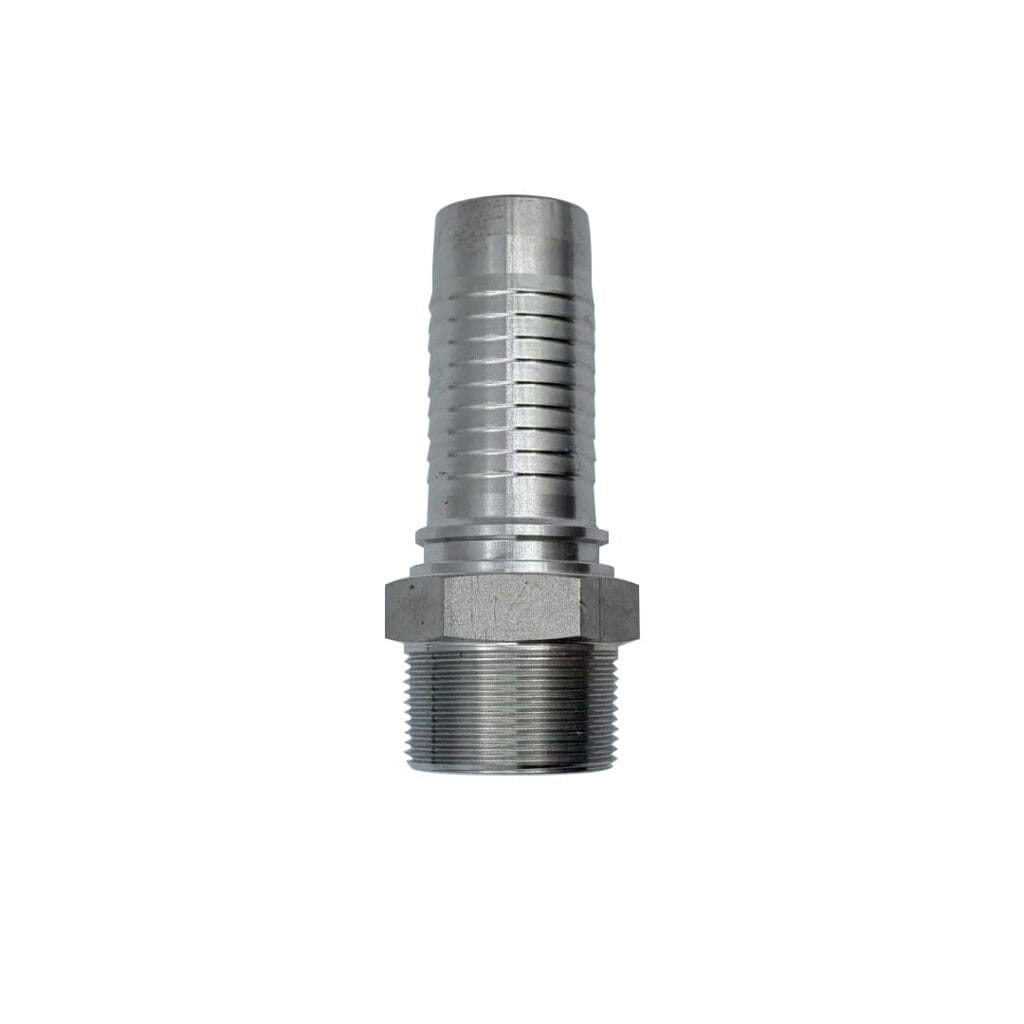
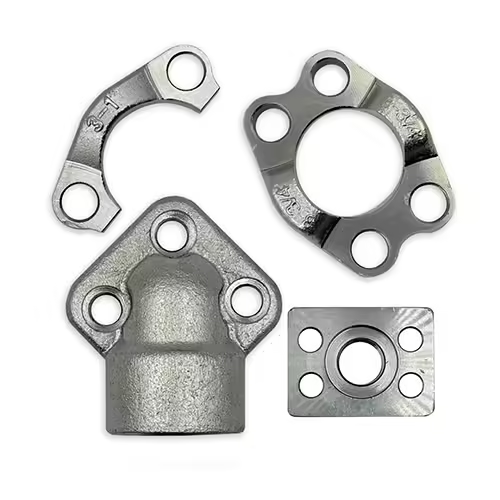
When selecting hydraulic connectors, consider:
- System pressure and operating temperature
- Compatibility with hydraulic fluid and hoses
- Ease of installation and maintenance access
- Material strength, corrosion resistance, and cost-effectiveness
By evaluating these factors, you can ensure a safe, reliable, and long-lasting hydraulic system.
Conclusion
Hydraulic connectors play a crucial role in system safety and efficiency. Proper selection, installation, and maintenance can prevent leaks, reduce downtime, and extend component life. Understanding types, materials, and common issues helps you make informed decisions for your hydraulic systems.
FAQ
What is a hydraulic fitting?
A hydraulic connector is a component used to connect hoses, pipes, and tubes in a hydraulic system. It ensures a secure, leak-free connection while withstanding high pressure and fluid flow. Proper fitting selection is essential for system reliability.
How do I choose the right hydraulic connector?
Select based on system pressure, fluid type, hose or pipe size, and material compatibility. Also consider installation space, maintenance needs, and industry standards such as SAE or ISO.
How can I prevent leaks in hydraulic fittings?
Inspect fittings regularly, tighten bolts according to manufacturer specifications, and replace worn seals or O-rings. Clean mating surfaces before installation to ensure a proper seal.
Can hydraulic connectors handle high-pressure systems?
Yes, but only if they are rated for the system’s maximum operating pressure. Using incorrect fittings can cause leaks, failures, and safety hazards. Always verify pressure ratings before installation.
How often should hydraulic connectors be replaced?
Replace fittings immediately if there are signs of wear, corrosion, thread damage, or persistent leaks. Follow manufacturer guidelines and schedule routine inspections to maintain system performance.
Need Help Choosing the Right Hydraulic Fitting?
If you’re unsure which hydraulic connector is best for your system or application, our experts are here to help. Contact us today for a personalized consultation, and ensure your hydraulic system is safe, reliable, and leak-free. Don’t wait until downtime occurs—get in touch now to protect your equipment and operations!