Table of Contents
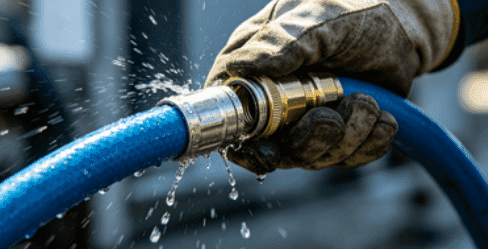
Tube to tube fittings are essential components in fluid and gas piping systems, ensuring secure, leak-free connections between two tubes. They are widely used in industries ranging from chemical processing and food production to hydraulics and pneumatics. Choosing the right tube to tube fittings ensures system reliability, prevents leaks, and maintains safe operation. This article provides a comprehensive guide on types, materials, installation, maintenance, and troubleshooting for tube to tube fittings.
Introduction

Tube to tube fittings are connectors that join two tubes together, maintaining a sealed system for fluid or gas transfer. Unlike hose fittings, these connectors are designed for rigid tubing, ensuring precise alignment and a strong seal. According to data from the Fluid Connection Institute, more than 55% of system leaks in industrial piping are caused by improper tube fitting selection or installation.
Types of Tube to Tube Fittings
Tube to tube fittings come in several configurations depending on the application:
- Compression Fittings: Use a ferrule to create a tight seal around the tube. Ideal for medium-pressure systems.
- Flared Fittings: The tube end is flared to provide a mechanical seal, suitable for high-pressure applications.
- Push-to-Connect Fittings: Allow quick assembly without tools, commonly used in pneumatic systems.
- Threaded Fittings: Tubes are joined via male and female threads for removable connections.
- Butt Weld Fittings: Tubes are welded together for permanent, high-strength connections.
Materials for Tube to Tube Fittings
The choice of material affects durability, chemical compatibility, and corrosion resistance:
- Stainless Steel: Excellent corrosion resistance, commonly used in chemical and food applications.
- Brass: Durable and corrosion-resistant, suitable for water and low-pressure applications.
- Carbon Steel: High strength, ideal for high-pressure systems.
- Plastic (PVC, Nylon): Lightweight, affordable, and resistant to certain chemicals.
Selecting the right material based on fluid type and operating conditions is critical for long-term performance.
Standards and Specifications
Tube to tube fittings are manufactured according to industry standards such as ANSI, ISO, ASME, and DIN. These standards define dimensions, thread types, pressure ratings, and material specifications. Ensuring compliance with these standards is essential to maintain safety and system compatibility.
Installation Tips
Proper installation ensures leak-free operation:
- Cut tubes cleanly and squarely before fitting.
- Deburr and smooth tube ends to avoid damage to seals.
- Follow manufacturer guidelines for torque and assembly sequence.
- Use appropriate gaskets or ferrules depending on fitting type.
- Inspect for alignment and proper seating before pressurizing the system.
Correct installation reduces stress on the fitting and prevents leaks.
Maintenance and Inspection
Regular inspection and maintenance are vital for system reliability:
- Check for leaks or corrosion around fittings.
- Clean fittings periodically to remove dirt or chemical residues.
- Replace worn ferrules, O-rings, or gaskets immediately.
- Ensure fittings remain properly tightened according to manufacturer specifications.
Proactive maintenance extends the life of your fittings and prevents costly downtime.
Troubleshooting Common Issues
Common problems with tube to tube fittings include:
- Leaks due to misalignment or improper installation
- Corrosion from incompatible fluids
- Thread damage or stripped ferrules
- Loose connections due to vibration or thermal cycling
Addressing issues promptly ensures system safety and avoids costly repairs.
Comparison Table of Tube to Tube Fittings
| Fitting Type | Typical Application | Material Options | Key Advantages |
|---|---|---|---|
| Compression Fitting | Medium-pressure fluid systems | Stainless, Brass | Easy installation, reusable |
| Flared Fitting | High-pressure pipelines | Stainless, Carbon | Strong mechanical seal |
| Push-to-Connect | Pneumatic and low-pressure | Plastic, Brass | Quick assembly, tool-free |
| Threaded Fitting | Removable tube connections | Stainless, Brass | Reusable, versatile |
| Butt Weld Fitting | Permanent high-strength joints | Carbon, Stainless | High durability, leak-proof |
How to Choose the Right Tube to Tube Fittings


When selecting fittings, consider:
- Tube diameter and wall thickness
- Operating pressure and temperature
- Fluid or gas type and chemical compatibility
- Material strength and corrosion resistance
- Ease of installation and maintenance
- Compliance with relevant standards
Choosing the correct fitting ensures safety, reliability, and long-term performance.
Conclusion
Tube to tube fittings are critical for secure and efficient fluid or gas transfer. Understanding the types, materials, installation practices, and maintenance strategies is essential for building a reliable piping system. Proper selection and care prevent leaks, corrosion, and failures, ensuring your system operates efficiently and safely over time.
FAQ
What are tube to tube fittings used for?
Tube to tube fittings are designed to join two rigid tubes securely, creating a stable and leak-free connection for fluid or gas systems. They are widely used in industrial piping, chemical processing, hydraulics, and pneumatic applications where reliable sealing and precise alignment are essential. These fittings ensure safe operation and prevent system downtime caused by leaks or misalignment.
How do I select the right fitting?
Selecting the correct tube to tube fitting requires considering several factors: the diameter and wall thickness of the tubes, system operating pressure, type of fluid or gas being conveyed, and the material compatibility with both the medium and environment. Additionally, ensure the fittings comply with relevant industry standards and specifications for durability, safety, and long-term performance.
Which materials are commonly used?
Common materials for tube to tube fittings include stainless steel, brass, carbon steel, and plastic. Stainless steel offers excellent corrosion resistance for aggressive fluids, brass is suitable for water and low-pressure applications, carbon steel provides high strength for heavy-duty systems, and plastics such as PVC or nylon are lightweight and resistant to specific chemicals. Material choice affects longevity, safety, and system reliability.
How can I prevent leaks?
To prevent leaks, it’s crucial to install fittings correctly using the proper ferrules, gaskets, or seals. Torque bolts or nuts according to manufacturer guidelines and ensure proper tube alignment. Regular inspection for corrosion, wear, or damage, along with timely replacement of worn parts, will maintain a secure, leak-free connection throughout the system’s lifecycle.
What are common issues with tube to tube fittings?
Typical problems include leaks, corrosion, damaged threads, or loose connections, often caused by misalignment, incorrect installation, incompatible materials, or vibration. Addressing these issues proactively with proper installation practices, routine maintenance, and material selection ensures system efficiency, safety, and longevity.
Need Help Choosing the Right Tube to Tube Fittings?
If you’re unsure which fittings are best for your system, our experts are here to help. Contact us today for a personalized consultation, and ensure your piping system is safe, reliable, and leak-free. Don’t wait until downtime occurs—get in touch now to protect your operations and equipment!