Table of Contents
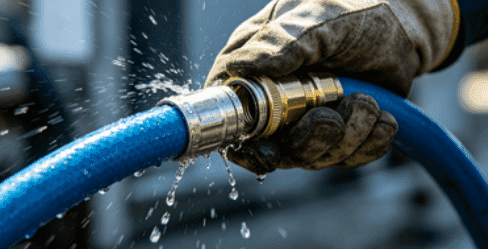
Crimped connector is a critical process in electrical and fluid connection systems, ensuring secure, reliable, and long-lasting connections between wires, cables, or tubes. Whether used in industrial machinery, electrical wiring, or hydraulic systems, a properly executed tube ferrule crimp improves safety, conductivity, and system efficiency. This guide explores the types, materials, tools, installation methods, and maintenance practices related to tube ferrule crimp to help you achieve optimal performance.
Introduction

Crimped connector crimp refers to the process of compressing a ferrule onto a wire or tube using a specialized crimping tool. The goal is to create a strong mechanical bond that ensures electrical conductivity or fluid sealing. According to data from the Electrical Connection Research Group, improper crimping accounts for nearly 30% of connection failures in wiring systems, highlighting the importance of correct technique and tool selection.
Types of Ferrule Crimp
Ferrule crimping methods vary depending on application and required performance:
- Hex crimp: Provides uniform pressure distribution, commonly used in industrial applications
- Square crimp: Ideal for electrical connections with consistent contact surfaces
- Indent crimp: Used for flexible wires and lightweight connections
- Double crimp: Ensures both insulation and conductor are secured
- Hydraulic crimp: Used for high-pressure or heavy-duty applications
Each type offers different levels of strength, conductivity, and reliability.
Materials Used in Ferrule Crimp
The materials used in ferrules directly affect durability and performance:
- Copper: Excellent electrical conductivity, widely used in electrical systems
- Tinned copper: Corrosion-resistant and suitable for harsh environments
- Aluminum: Lightweight and cost-effective for certain applications
- Stainless steel: High strength and corrosion resistance for industrial use
Selecting the right material ensures compatibility with environmental and operational conditions.
Tools and Equipment for Crimped Connector
Using the correct crimping tool is essential for achieving a reliable connection:
- Manual crimping tools for small-scale or low-volume applications
- Ratchet crimping tools for consistent pressure and repeatability
- Hydraulic crimping tools for heavy-duty and high-force requirements
- Automated crimping machines for high-volume production
Proper tool selection reduces the risk of under-crimping or over-crimping.
Installation Process for Ferrule Crimp
A correct crimping process ensures long-term reliability:
- Strip the wire or prepare the tube to the correct length
- Insert the conductor fully into the ferrule
- Choose the correct crimping die and tool size
- Apply uniform pressure until the crimp is complete
- Inspect the crimp visually and mechanically
Following these steps minimizes connection failures and ensures safety.
Common Problems with Ferrule Crimp
Even with proper tools, issues can arise:
- Loose connections caused by insufficient crimping force
- Over-crimping leading to conductor damage
- Corrosion due to improper material selection
- Inconsistent crimps caused by worn tools
Regular inspection and proper training can significantly reduce these risks.
Maintenance and Inspection
Routine maintenance ensures consistent crimp quality:
- Inspect crimping tools for wear and calibration accuracy
- Check ferrules for corrosion or deformation
- Test connections periodically for mechanical strength
- Replace damaged components immediately
A study from the Industrial Reliability Association indicates that regular inspection can reduce connection failures by up to 25%.
Ferrule Crimp vs Other Connection Methods
Comparing crimped connector with alternative methods helps in selecting the best option:
| Connection Method | Strength | Ease of Installation | Typical Use Case |
|---|---|---|---|
| Ferrule Crimp | High | Moderate | Electrical and fluid systems |
| Soldering | Medium | Difficult | Electronics and small circuits |
| Screw Terminal | Medium | Easy | Low-voltage connections |
| Welding | Very High | Complex | Permanent industrial joints |
Crimped connector offers a balance between strength, reliability, and serviceability.
How to Choose the Right Ferrule Crimp

When selecting a crimped connector solution, consider:
- Wire or tube size and type
- Operating environment and temperature
- Required mechanical strength and conductivity
- Tool compatibility and ease of installation
- Compliance with industry standards
Choosing the correct ferrule and crimping method ensures optimal system performance.
Conclusion
Crimped connector plays a vital role in ensuring secure and efficient connections in both electrical and fluid systems. By understanding the types, materials, tools, and installation techniques, you can significantly reduce failure risks and improve system reliability. Proper selection, correct crimping practices, and regular maintenance are essential for achieving long-lasting, high-performance connections.
FAQ
What is ferrule crimp used for?
Crimped connector is used to secure wires or tubes by compressing a ferrule, ensuring a strong, reliable, and conductive or leak-free connection in electrical and fluid systems.
How do I choose the right ferrule crimp?
Consider wire size, material, operating conditions, and tool compatibility. Selecting the correct crimping method ensures proper performance and durability.
What tools are needed for ferrule crimp?
Manual, ratchet, hydraulic, or automated crimping tools are used depending on application scale and required precision.
How can I prevent crimping failures?
Use the correct tools, follow proper crimping procedures, and inspect connections regularly to avoid loose or damaged crimps.
What are common ferrule crimp issues?
Common issues include under-crimping, over-crimping, corrosion, and tool wear, all of which can affect connection reliability.
Need Help Choosing the Right Ferrule Crimp?
If you’re unsure which crimped connector solution is best for your application, our experts are here to help. Contact us today for a personalized consultation, and ensure your connections are secure, reliable, and built to last. Don’t wait until failures occur—get in touch now to protect your systems and operations!