Table of Contents
Flanged fitting is a key component in modern piping systems, providing a strong, reliable, and detachable connection between pipes, valves, and equipment. Whether used in industrial processing, fluid transport, or mechanical systems, choosing the right flanged fitting ensures system safety, reduces leakage risks, and improves long-term performance. This guide explores types, materials, installation practices, and maintenance strategies to help you make informed decisions.
Introduction
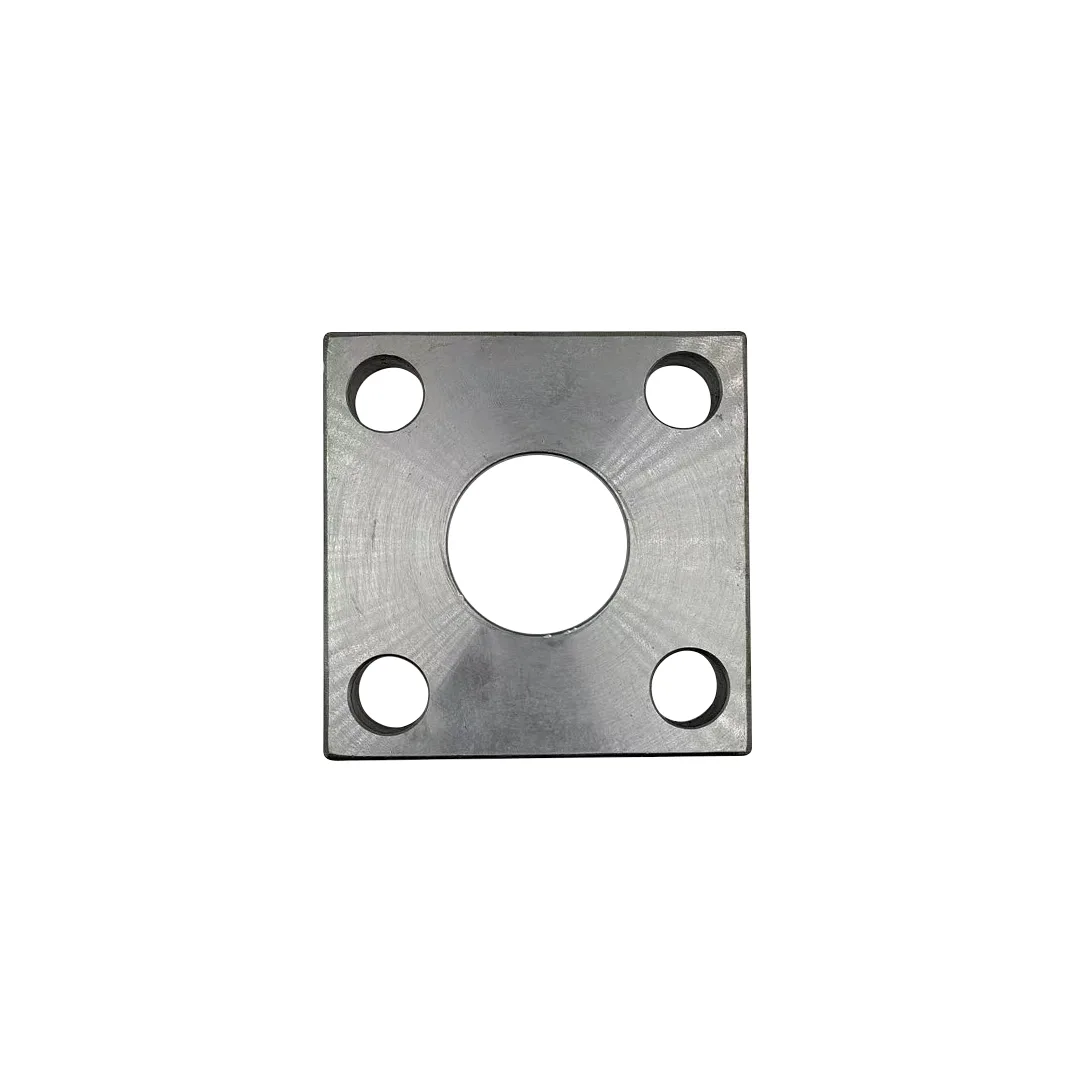
A flanged fitting is a mechanical connection that joins two pipe sections using flanges, bolts, and gaskets. It allows for easy assembly and disassembly, making maintenance and system upgrades more efficient. Studies from piping system research organizations indicate that improper flange connections contribute to a significant percentage of leakage-related failures, emphasizing the importance of correct selection and installation.
Types of Flange Fitting
Flanged fittings are available in several types, each designed for specific applications:
- Weld neck flanged fitting: Suitable for high-pressure and high-temperature systems
- Slip-on flange fitting: Easy to install and ideal for moderate pressure
- Blind flanged fitting: Used to seal the end of a pipeline
- Socket weld flanged fitting: Provides a smooth flow path and strong connection
- Lap joint flanged fitting: Ideal for systems requiring frequent disassembly
Each type offers unique benefits depending on system requirements.
Materials Used in Flange Fitting
Material selection plays a critical role in durability and compatibility:
- Carbon steel: High strength and widely used in industrial applications
- Stainless steel: Excellent corrosion resistance for harsh environments
- Alloy steel: Enhanced performance under extreme conditions
- Plastic (PVC): Cost-effective for low-pressure systems
Selecting the right material ensures resistance to corrosion, pressure, and temperature variations.
Standards and Specifications
Flanged fittings must comply with industry standards such as ANSI, ASME, DIN, and ISO. These standards define dimensions, pressure ratings, and material requirements. Using standardized components ensures compatibility and system safety.
Installation Tips
Proper installation is essential for a leak-free system:
- Align flanges carefully before tightening bolts
- Use the correct gasket type and size
- Tighten bolts evenly in a cross pattern
- Avoid over-tightening to prevent deformation
- Test the system under pressure after installation
Correct installation reduces the risk of leaks and extends service life.
Maintenance and Inspection
Routine maintenance improves performance and reliability:
- Inspect for corrosion, leaks, or cracks
- Replace worn gaskets and seals promptly
- Clean flange surfaces regularly
- Check bolt tightness periodically
Preventive maintenance minimizes downtime and repair costs.
Common Problems and Troubleshooting
Common issues with flanged fitting include:
- Leaks due to damaged gaskets or improper tightening
- Corrosion from incompatible materials
- Misalignment causing uneven stress
- Bolt loosening from vibration or thermal expansion
Addressing these problems early ensures system stability and safety.
Comparison Table of Flange Fitting Types
| Flange Type | Pressure Level | Ease of Installation | Typical Application |
|---|---|---|---|
| Weld Neck | High | Moderate | High-pressure pipelines |
| Slip-On | Medium | Easy | General piping systems |
| Blind | High | Easy | Pipeline termination |
| Socket Weld | High | Moderate | Small-diameter systems |
| Lap Joint | Medium | Easy | Systems needing frequent access |
How to Choose the Right Flange Fitting
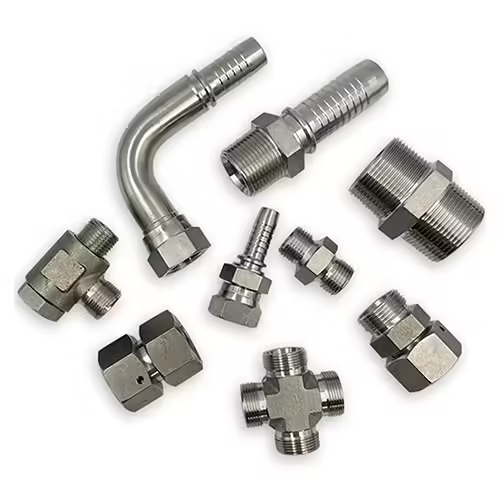
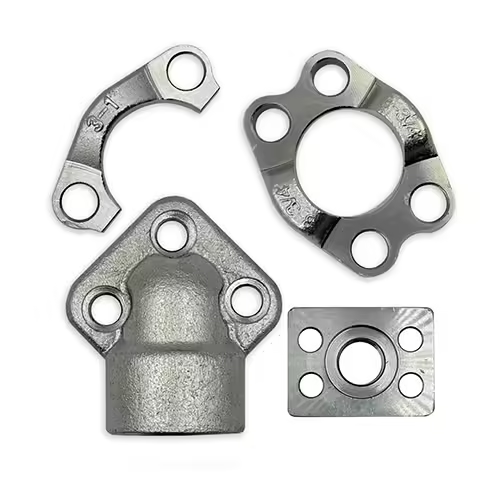
When selecting a flange fitting, consider:
- Operating pressure and temperature
- Type of fluid or gas
- Material compatibility
- Installation environment
- Maintenance requirements
Choosing the correct flange fitting ensures efficiency, safety, and long-term durability.
Conclusion
Flange fitting is an essential element in piping systems, providing a secure and flexible connection solution. By understanding the different types, materials, installation techniques, and maintenance practices, you can significantly improve system performance and reliability. Proper selection and care help prevent leaks, reduce downtime, and extend the lifespan of your piping system.
FAQ
What is a flange fitting used for?
A flange fitting is used to connect pipes, valves, and equipment in a piping system, creating a secure and detachable joint. It ensures proper alignment and leak-free fluid or gas transfer while allowing easy maintenance, inspection, and system modifications when needed.
How do I choose the right flange fitting?
To choose the right flange fitting, consider system pressure, temperature, fluid type, and material compatibility. You should also evaluate installation conditions and ensure the fitting meets relevant standards to guarantee safety, durability, and reliable long-term performance.
What materials are commonly used?
Common materials for flange fittings include carbon steel, stainless steel, alloy steel, and plastic. Each material offers different benefits, such as strength, corrosion resistance, or cost efficiency, depending on the operating environment and application requirements.
How can I prevent leaks?
Prevent leaks by using the correct gasket, tightening bolts evenly in a cross pattern, and ensuring proper alignment during installation. Regular inspections and timely replacement of worn components also help maintain a secure and leak-free connection.
What are common problems?
Typical problems with flange fittings include leaks, corrosion, misalignment, and loose bolts. These issues often result from improper installation, material incompatibility, or lack of maintenance, and can be minimized through proper practices and regular inspections.
Need Help Choosing the Right Flange Fitting?
If you’re unsure which flange fitting is best for your system, our experts are here to help. Contact us today for a personalized consultation, and ensure your piping system is safe, reliable, and leak-free. Don’t wait until failures occur—get in touch now to protect your operations and equipment!