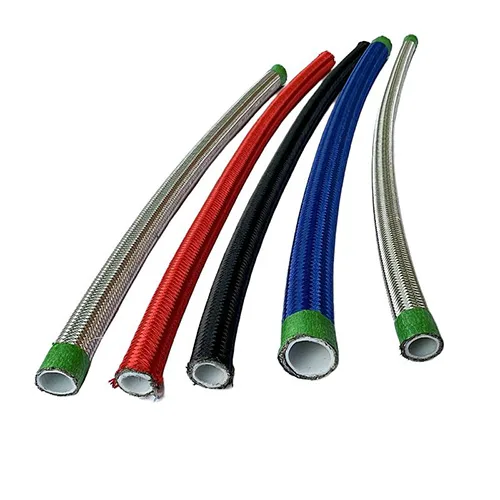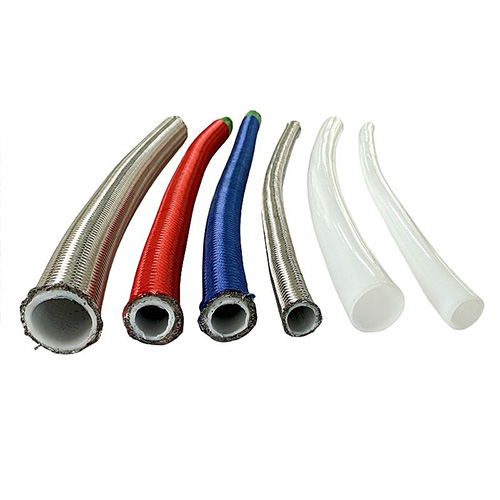
Hydraulic systems are the silent engines behind modern industry. From construction machinery to aerospace applications, metric hydraulic fittings ensure precise control of fluid power, high efficiency, and system reliability. Yet, even minor failures in these fittings can cause catastrophic leaks, pressure loss, or equipment downtime.
A 2023 survey by Hydraulic Systems International found that over 40% of hydraulic system malfunctions were caused by improper fittings installation or material mismatch. In high-pressure applications, a single failed fitting can result in costs exceeding $50,000 due to production delays, repairs, and lost labor.
This guide explores every aspect of metric hydraulic fittings, from common problems to preventive solutions, installation best practices, material selection, and practical advice from industry experts. By the end, engineers, maintenance personnel, and buyers will have a clear roadmap to select, maintain, and optimize hydraulic fittings for reliable performance.
Table of Contents
What Are Metric Hydraulic Fittings?
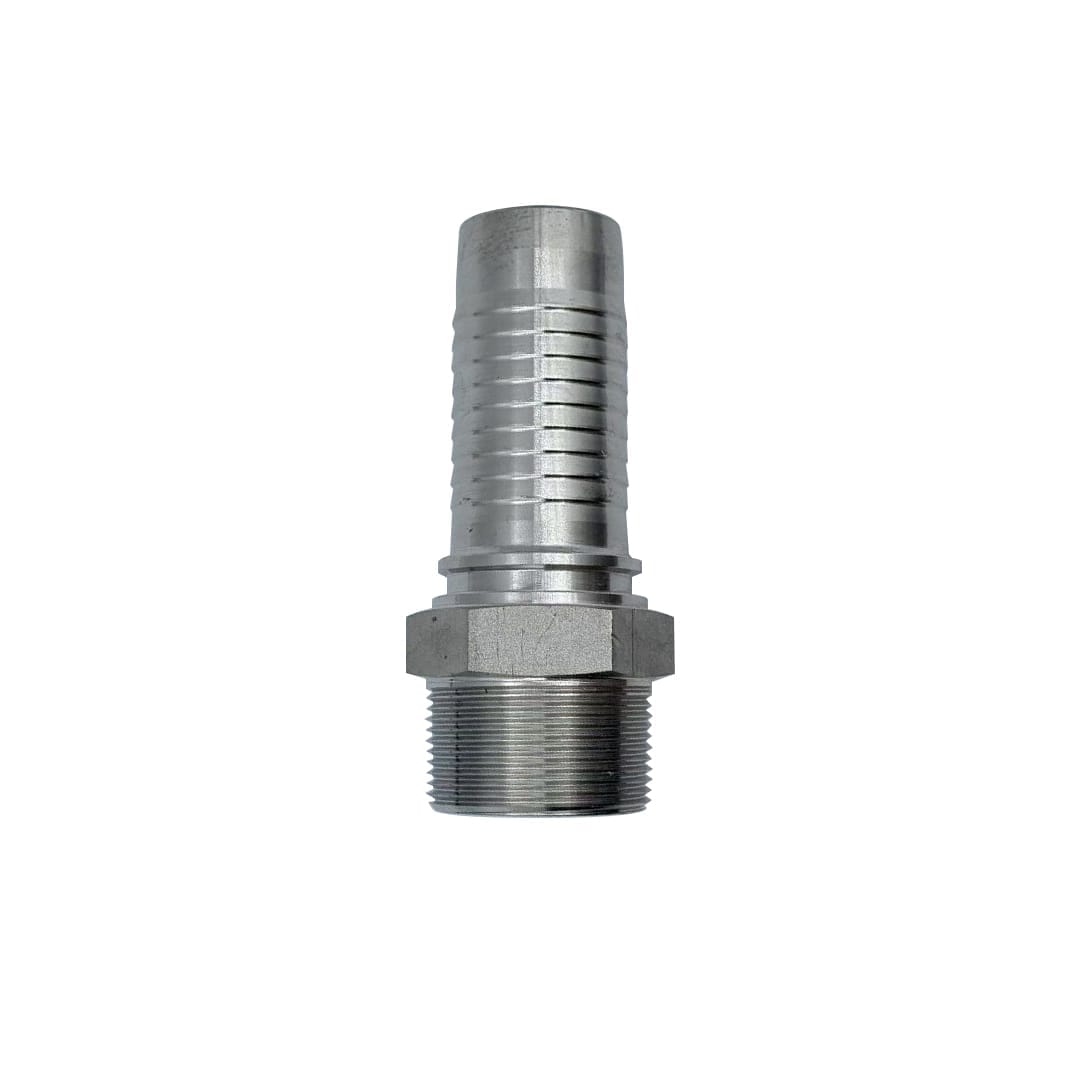
Metric hydraulic fittings are connectors designed with metric threading and standardized dimensions. They connect hoses, tubes, and hydraulic components, ensuring leak-free operation under high pressure. Unlike imperial fittings, metric fittings are widely adopted in Europe and Asia, offering consistent sizing and easier maintenance for international systems.
Metric hydraulic fittings typically consist of three parts:
- Nut: Secures the fitting to the hose or tube.
- Ferrule or Sleeve: Ensures a tight seal between the fitting and tubing.
- Body: Directs fluid flow and connects with mating components.
Industry Insight: John Mitchell, Senior Hydraulic Engineer at FluidTech International, notes:
“Proper selection of metric fittings is not just about matching sizes. Material choice, pressure ratings, and installation techniques collectively determine system reliability.”
Common Problems with Metric Hydraulic Fittings
Leakage
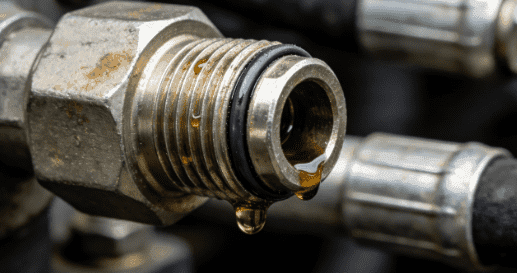
Leaks are the most reported issue with metric hydraulic fittings, causing hydraulic fluid loss and reducing system efficiency.
Causes of Leakage:
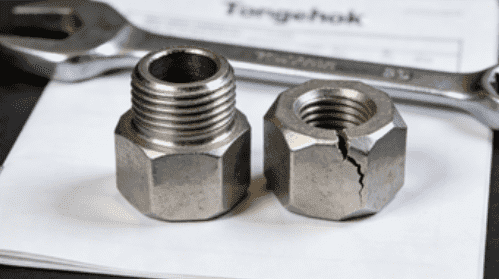
- Over-tightening or under-tightening the fitting
- Thread mismatch or incorrect type
- Contaminants between the sealing surfaces
Real-World Impact: In a 2022 case study, a manufacturing plant experienced $120,000 in losses due to a single fitting leak in a high-pressure line. The root cause was identified as a mismatched thread and a worn ferrule.
Pressure Loss
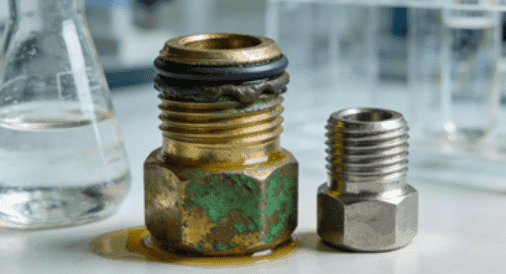
Pressure loss can significantly reduce system performance and cause machinery to underperform.
Reasons for Pressure Loss:
- Partially blocked fittings or hoses
- Worn internal fitting components
- Mismatched pressure ratings or application errors
Expert Recommendation: Always select fittings rated for 10–20% above your maximum operating pressure to account for transient spikes.
Contamination
Contamination of hydraulic fluid is a critical problem affecting longevity and performance.
| Contaminant | Source | Impact on System |
|---|---|---|
| Metal particles | Installation abrasion | Accelerated wear, scoring of valves |
| Dirt & dust | Environmental exposure | Seal damage, clogging |
| Degraded hydraulic fluid | High temperature | Reduced lubrication, efficiency loss |
Case Study: A European automotive plant discovered microscopic steel shavings introduced during fitting assembly caused premature wear on pumps, leading to a 15% efficiency drop.
Material Compatibility
Using incompatible materials can accelerate corrosion, cracking, or failure.
Common Materials:
- Stainless Steel: High corrosion resistance, suitable for aggressive fluids.
- Carbon Steel: Economical, suitable for standard fluids.
- Aluminum: Lightweight, low-pressure applications only.
Comparison Table: Material vs Performance
| Material | Max Pressure | Corrosion Resistance | Cost | Recommended Use |
|---|---|---|---|---|
| Stainless Steel | High | Excellent | High | Harsh fluids, industrial |
| Carbon Steel | Medium | Moderate | Medium | Standard hydraulic fluids |
| Aluminum | Low | Poor | Low | Low-pressure, mobile machinery |
Authority Insight: Sarah Lee, Material Engineer at PipeTech, says:
“Stainless steel fittings prevent corrosion and system contamination in aggressive fluids, extending maintenance cycles significantly.”
Installation Errors
Improper installation is a primary cause of failures in metric hydraulic fittings.
Key Mistakes:
- Misalignment leading to uneven seal pressure
- Incorrect torque causing leaks or thread damage
- Use of improper sealants
Tips for Proper Installation:
- Follow manufacturer torque specifications
- Inspect threads and sealing surfaces before assembly
- Ensure proper alignment and engagement depth
Maintenance Oversights
Neglecting maintenance can turn minor issues into major failures.
Best Practices:
- Monthly visual inspections of fittings
- Periodic replacement of seals
- Pressure testing to identify early leaks
Industry Insight: Preventive maintenance reduces unscheduled downtime by 30–40%, according to the Hydraulic Maintenance Association 2023 report.
Metric vs Imperial Hydraulic Fittings: Problem Comparison
| Issue | Metric Fittings | Imperial Fittings | Notes |
|---|---|---|---|
| Leak Potential | Medium | Medium-High | Metric fittings’ standardized threads reduce mismatch errors |
| Availability | EU & Asia | US | Availability depends on region; adapters may be required |
| Material Options | Stainless, Carbon, Aluminum | Same | Corrosion depends on material grade |
| Installation Ease | Standard torque & tools | Often needs conversion | Metric standardization simplifies training & maintenance |
Insight: Standardization in metric fittings reduces installation errors and long-term maintenance complexity, making them preferred for international projects.
Material Selection and Fluid Compatibility
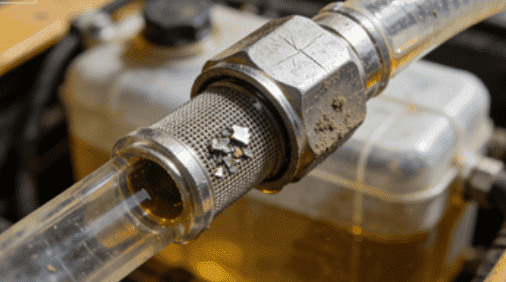
Choosing the correct material is vital for system safety and longevity.
Considerations:
- Hydraulic fluid type: Mineral oil, synthetic fluids, or water-based fluids may react differently with metals
- Operating temperature: High temperatures accelerate corrosion and degrade seals
- System pressure: Ensure fittings meet or exceed system’s maximum operating pressure
Practical Advice: For high-temperature synthetic fluids, stainless steel fittings with PTFE seals provide the best durability.
Advanced Troubleshooting Techniques
Leak Detection:
- Use dye testing or ultrasonic detectors to locate micro-leaks
- Inspect O-rings and ferrules for wear or cracks
Pressure Monitoring:
- Install inline pressure sensors
- Track pressure drop trends to predict potential failures
Contamination Control:
- Use inline filters and strainers
- Implement clean-room practices during fitting assembly
Preventive Measures for Reliable Performance
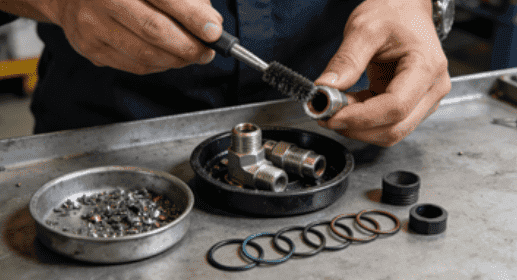
- Match fittings to pressure, temperature, and fluid type
- Adhere to manufacturer torque and alignment specifications
- Conduct routine inspections and proactive maintenance
- Avoid mixing metric and imperial fittings without adapters
- Train personnel on proper installation and handling
Pro Tip: Well-trained staff can reduce fitting-related failures by 50% or more, improving uptime and system efficiency.
Case Studies and Industry Examples
Automotive Assembly Plant: Micro-leaks from misaligned metric fittings caused hydraulic press inefficiencies. Replacement with correctly sized stainless steel fittings restored system performance and saved $75,000 annually.
Construction Machinery: Heavy machinery in Europe using metric hydraulic fittings with PTFE seals survived over 10,000 operational hours with zero leaks, demonstrating the impact of correct material selection.
Oil & Gas Pipeline: Transitioning from imperial to metric fittings reduced leak incidents by 30% and streamlined maintenance protocols for international operators.
Conclusion
Understanding the common problems with metric hydraulic fittings—including leakage, pressure loss, contamination, material compatibility, and installation errors—empowers engineers and buyers to design safer, more efficient hydraulic systems.
By combining correct material selection, standardized installation, and proactive maintenance, hydraulic systems can operate with maximum reliability, reduced downtime, and extended component lifespan.
Adopting metric hydraulic fittings is a strategic decision that enhances system consistency and simplifies global operations.
FAQ
1. How do I select the correct size for metric hydraulic fittings?
Check the nominal size, thread pitch, and pressure rating. Always cross-reference with the manufacturer’s sizing chart to avoid mismatches.
2. Can metric and imperial hydraulic fittings be used together safely?
Yes, but only with the correct adapters. Direct mixing can cause leaks, thread damage, and reduced system efficiency.
3. What is the most common cause of leaks in metric hydraulic fittings?
Leaks usually result from improper installation, worn threads, damaged seals, or using incompatible materials.
4. How often should hydraulic fittings be inspected?
Monthly visual inspections are recommended, with a comprehensive check every 6–12 months depending on system usage.
5. Are stainless steel metric fittings always better than carbon steel?
Not always. Stainless steel is superior in corrosive or high-pressure environments, while carbon steel is suitable for standard hydraulic fluids and cost-effective applications.
6. How can I prevent contamination in hydraulic systems?
Use inline filters, maintain clean assembly areas, replace worn seals promptly, and avoid introducing dirt during installation.
7. What tools are needed for proper installation of metric hydraulic fittings?
Torque wrenches, thread gauges, and proper sealing materials (if recommended) ensure correct installation and prevent leaks.
8. Can incorrect torque damage metric hydraulic fittings?
Yes. Over-tightening can strip threads or crush seals, while under-tightening may result in leaks. Always follow manufacturer torque specifications.
9. How do pressure fluctuations affect metric hydraulic fittings?
Repeated high-pressure spikes beyond the fitting’s rated pressure can deform threads, damage seals, and shorten fitting lifespan. Use fittings rated 10–20% above maximum operating pressure.
10. What are the signs that a metric hydraulic fitting needs replacement?
Signs include visible leaks, unusual pressure drops, corrosion, cracks in the fitting body, or damaged threads.
11. Are metric hydraulic fittings suitable for high-temperature fluids?
Yes, but material selection is critical. Stainless steel fittings with PTFE or high-temperature seals are recommended for fluids above 150°C (302°F).
12. Can I reuse metric hydraulic fittings after disassembly?
Reusing fittings is possible only if threads, seals, and ferrules are undamaged. Reuse is generally discouraged in high-pressure applications to avoid failure.
13. How do I choose between stainless steel and carbon steel metric fittings?
Consider fluid type, temperature, pressure, and environmental exposure. Stainless steel offers superior corrosion resistance; carbon steel is sufficient for standard systems.
14. What’s the difference between male and female metric hydraulic fittings?
Male fittings have external threads that insert into female fittings with internal threads. Proper pairing ensures leak-free connections and correct fluid flow.
15. How can I reduce downtime due to metric hydraulic fitting failures?
Implement preventive maintenance, use standardized fittings, train staff in installation best practices, and keep spare high-quality fittings in stock.