Table of Contents
Introduction
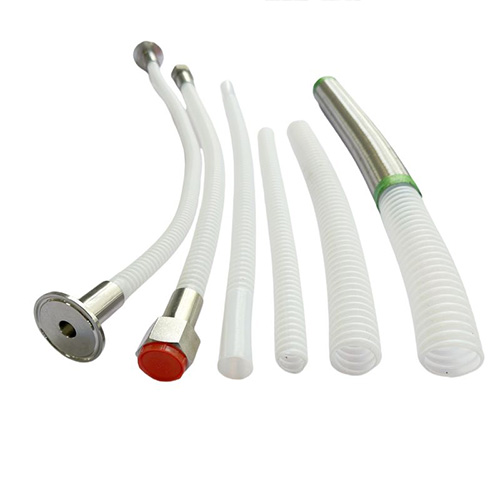
Hydraulic components are essential components in industrial systems where power, precision, and reliability are critical. From heavy machinery to automated production lines, the durability of hydraulic components directly affects system performance, safety, and maintenance costs. Choosing the right components ensures long-term efficiency and minimizes downtime.
What Are Hydraulic Products?
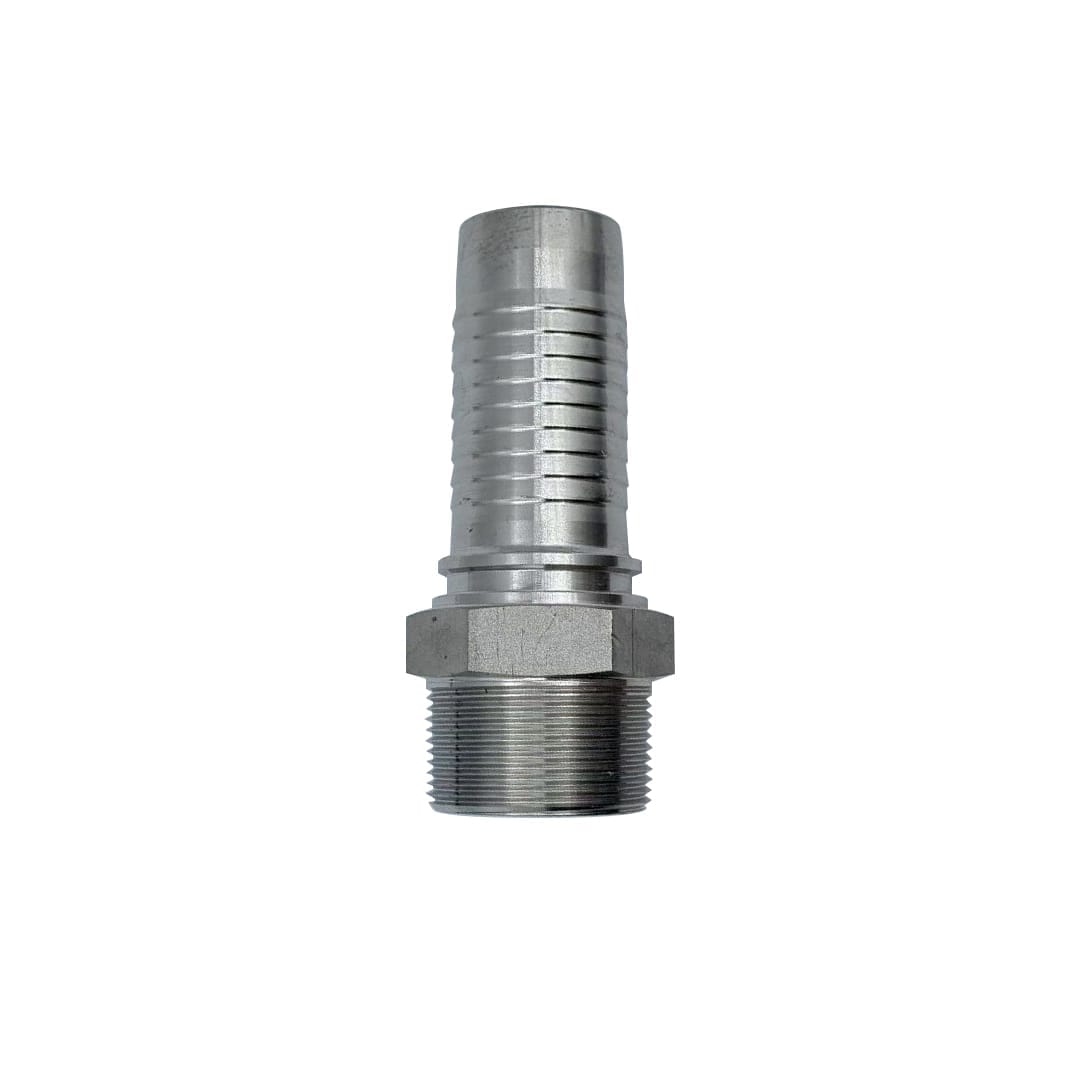
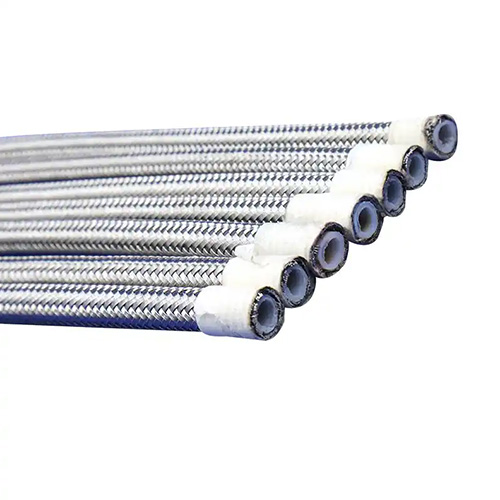
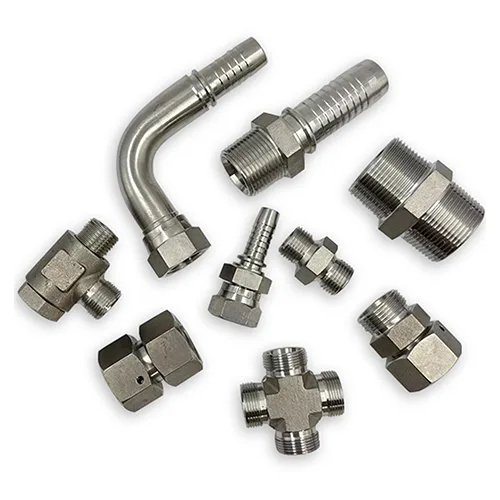
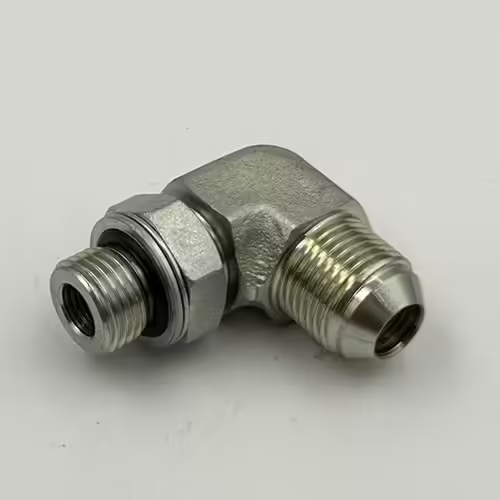
Hydraulic components refer to a wide range of components used in hydraulic systems to transmit power through fluid pressure. These include hoses, fittings, pumps, valves, cylinders, and connectors. Each component plays a specific role in controlling, directing, or transferring hydraulic energy within the system.
Importance of Durability in Hydraulic Products
Durability is a key factor when selecting hydraulic components. Industrial systems often operate under high pressure, extreme temperatures, and harsh environments. Using durable components helps:
- Reduce system failures and downtime
- Improve operational safety
- Extend equipment lifespan
- Lower maintenance and replacement costs
According to industry equipment reliability reports, systems using high-quality hydraulic components experience significantly fewer breakdowns compared to those using lower-grade alternatives.
Types of Hydraulic Products
Hydraulic components are categorized based on their functions within a system:
- Hydraulic Hoses – Flexible lines that carry pressurized fluid
- Hydraulic Fittings – Connect hoses and pipes securely
- Hydraulic Pumps – Generate fluid flow and pressure
- Hydraulic Valves – Control fluid direction and pressure
- Hydraulic Cylinders – Convert fluid pressure into mechanical force
Understanding these types helps you select the right combination for your system.
Materials Used in Hydraulic Products
Material selection is critical for durability and performance.
| Material | Key Features | Typical Applications |
|---|---|---|
| Stainless Steel | High corrosion resistance, long lifespan | Chemical and harsh environments |
| Carbon Steel | Strong and cost-effective | General industrial systems |
| Brass | Corrosion-resistant, easy to machine | Low-pressure applications |
| Rubber/Synthetic | Flexible, abrasion-resistant | Hydraulic hoses |
Choosing the correct material ensures that hydraulic components can withstand operational stress and environmental conditions.
How to Choose Durable Hydraulic Products
When selecting hydraulic components, consider the following factors:
- Pressure Rating – Ensure components can handle maximum operating pressure
- Temperature Resistance – Choose materials suited for temperature variations
- Fluid Compatibility – Prevent degradation caused by chemical reactions
- Environmental Conditions – Consider exposure to moisture, dust, or chemicals
- Standards Compliance – Verify compliance with ISO, SAE, or DIN standards
Careful evaluation ensures long-lasting and reliable system performance.
Installation Best Practices
Proper installation is essential to maximize the durability of hydraulic components:
- Clean all components before installation
- Use correct torque for fittings and connectors
- Avoid twisting or bending hoses beyond recommended limits
- Ensure proper alignment of system components
- Check seals and O-rings before assembly
Correct installation reduces the risk of leaks and premature wear.
Common Problems and Solutions
Hydraulic components can encounter issues if not properly managed:
- Leaks – Caused by worn seals or incorrect installation
- Corrosion – Resulting from unsuitable material selection
- Pressure Loss – Due to incorrect sizing or internal damage
- Component Wear – From excessive pressure or poor maintenance
Addressing these problems early helps maintain system efficiency.
Maintenance Tips for Long-Term Performance
Routine maintenance is crucial for extending the lifespan of hydraulic components:
- Inspect components regularly for wear or damage
- Replace seals and worn parts promptly
- Keep systems clean to prevent contamination
- Monitor pressure levels and system performance
Preventive maintenance reduces downtime and enhances reliability.
Benefits of Choosing High-Quality Hydraulic Products
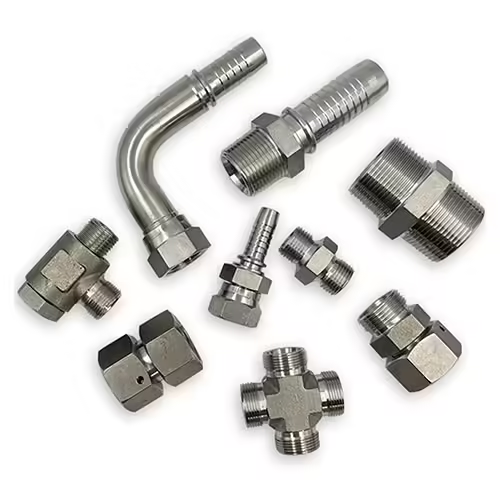
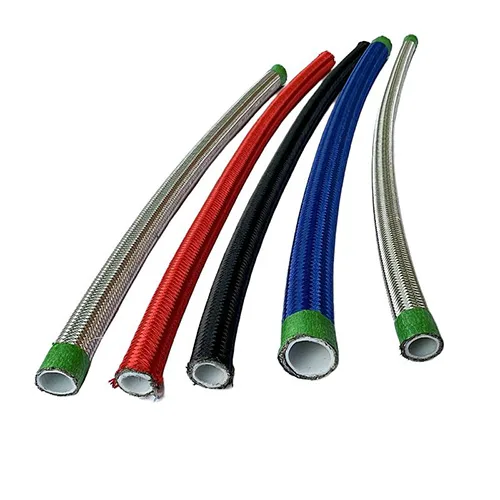
Investing in durable hydraulic components offers several advantages:
- Increased system efficiency
- Reduced maintenance and repair costs
- Improved safety in high-pressure operations
- Longer equipment service life
These benefits contribute to overall operational success in industrial environments.
Conclusion
Choosing durable hydraulic components is essential for ensuring reliable and efficient industrial operations. By selecting the right materials, understanding system requirements, and following proper installation and maintenance practices, you can significantly improve system performance and longevity. High-quality hydraulic products not only reduce downtime but also provide long-term value and safety.
FAQ
What are hydraulic products used for?
Hydraulic products are used to transfer power through fluid pressure, enabling machinery to perform tasks such as lifting, moving, and controlling heavy loads efficiently.
How do I choose durable hydraulic products?
Consider pressure rating, material quality, environmental conditions, and compatibility with your system to ensure long-lasting performance.
Which materials are best for durability?
Stainless steel and high-grade carbon steel are ideal for durability, while rubber and synthetic materials are suitable for flexible components.
How can I extend the lifespan of hydraulic products?
Proper installation, regular maintenance, and timely replacement of worn components help extend lifespan and improve performance.
What are common issues with hydraulic products?
Leaks, corrosion, pressure loss, and wear are common problems, often caused by improper selection, installation, or maintenance.
Need Help Choosing the Right Hydraulic Products?
If you’re unsure which hydraulic products are best for your industrial system, our experts are here to help. Contact us today for a personalized consultation and ensure your system is reliable, efficient, and built to last. Don’t wait until failures occur—get in touch now to protect your operations!