Table of Contents
Hydraulic hoses are the backbone of any hydraulic system, playing a crucial role in transferring pressurized fluids to power machinery and equipment. Whether in industrial machinery, construction equipment, or mobile hydraulics, selecting, installing, and maintaining the right hydraulic hoses ensures efficiency, safety, and longevity. This guide breaks down everything you need to know about hydraulic hoses, their types, installation, and maintenance best practices.
Introduction
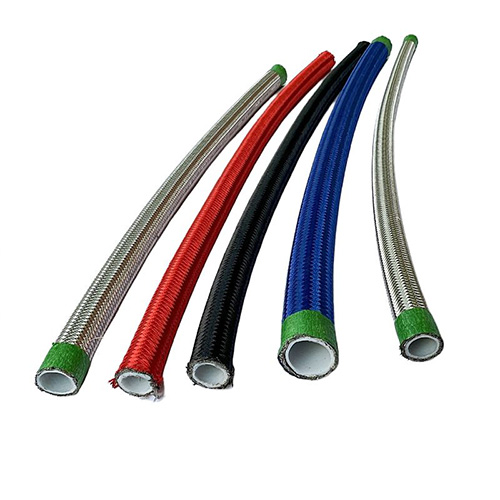
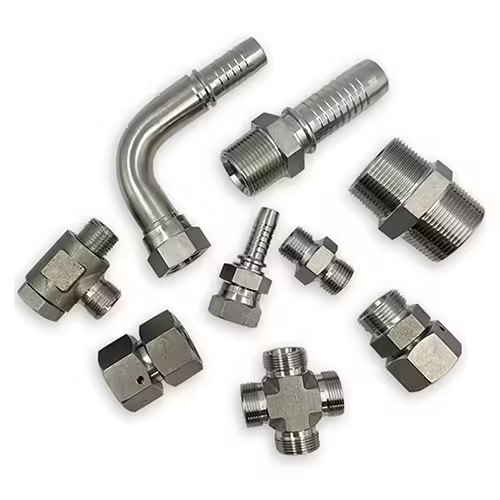
Hydraulic hoses are tubular conduits designed to carry hydraulic fluid between components such as pumps, valves, actuators, and motors. Unlike hoses, which are flexible, hydraulic hoses are rigid or semi-rigid and can withstand high pressures and temperature variations. Their strength and durability make them ideal for systems that require long-term reliability under demanding conditions.
Types of Hydraulic Pipes
Understanding the different types of hydraulic hoses is key to choosing the right one for your system. Here are the main categories:
- Steel Pipes: Commonly used for high-pressure hydraulic systems, steel pipes offer excellent strength and resistance to wear. They are ideal for industrial and heavy-duty applications.
- Stainless Steel Pipes: Perfect for corrosive environments or where cleanliness is crucial, such as in food processing or chemical industries.
- Aluminum Pipes: Lightweight and corrosion-resistant, suitable for mobile hydraulics where weight reduction is important.
- Composite Pipes: Made from reinforced polymers, composite pipes provide flexibility while still handling moderate pressures. They are easier to route in tight spaces.
How Hydraulic Pipes Work
Hydraulic hoses operate as part of a closed-loop system. The pump pressurizes hydraulic fluid, which travels through the pipes to the actuator or motor. As the fluid flows, it creates mechanical energy that drives movement or force. Proper sizing, material selection, and routing of hydraulic hoses are crucial to maintaining pressure, avoiding leaks, and ensuring smooth system operation.
Key Considerations When Choosing Hydraulic Pipes
Selecting the right hydraulic hose involves evaluating multiple factors:
- Pressure Rating: Ensure the pipe can handle the maximum operating pressure of your system.
- Temperature Rating: Pipes must withstand operating temperatures without deforming or corroding.
- Fluid Compatibility: The material should be resistant to the type of hydraulic fluid used.
- Bend Radius: Consider the installation space and the minimum bend radius to avoid stress and damage.
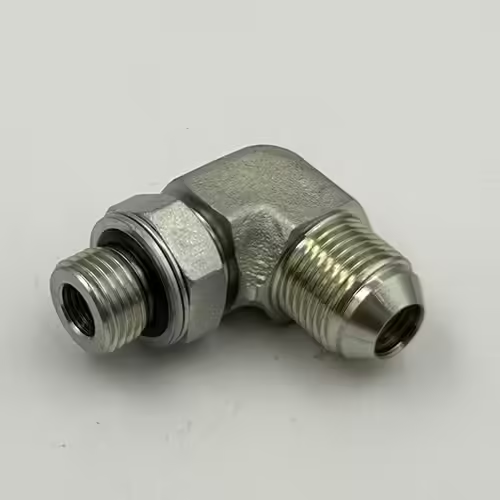
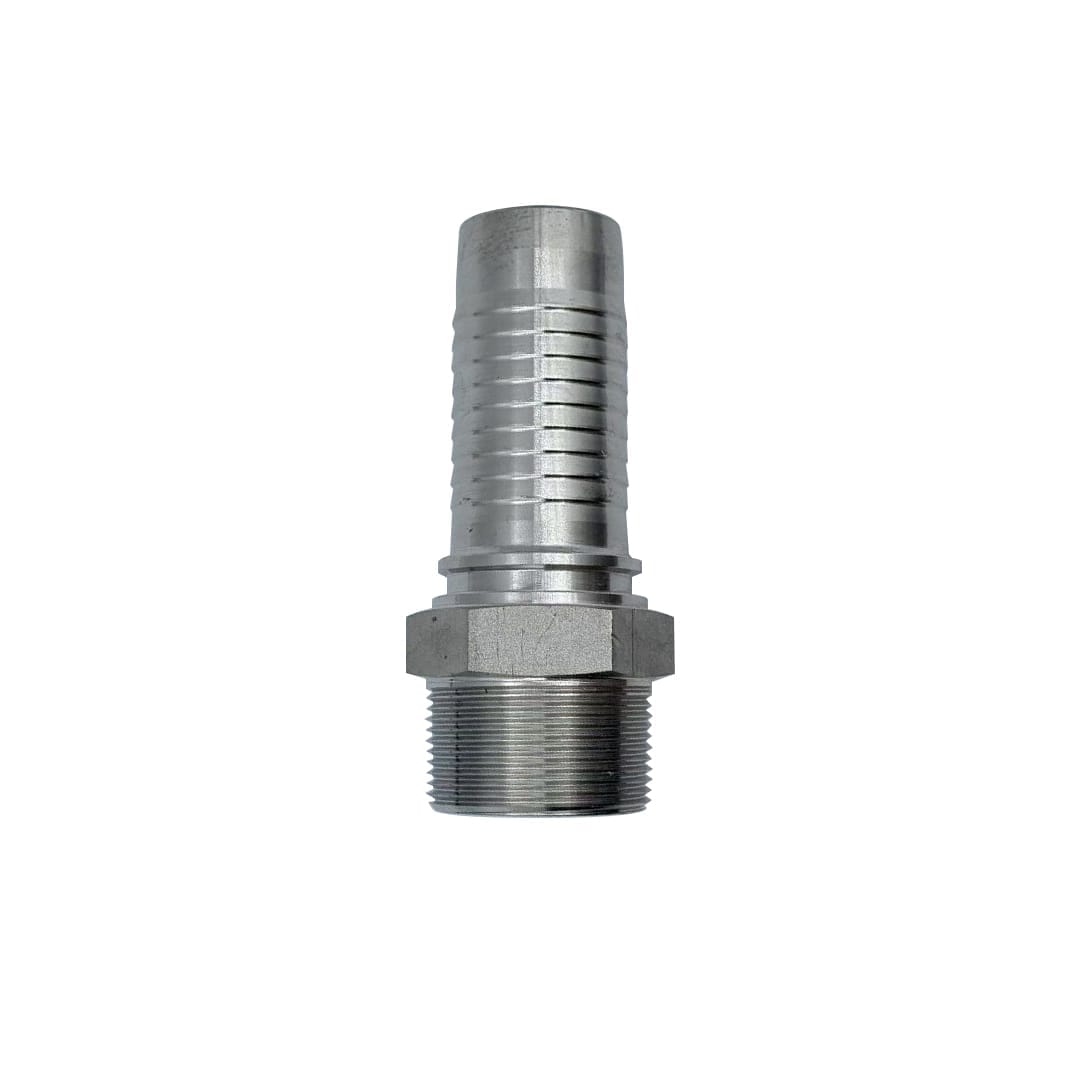
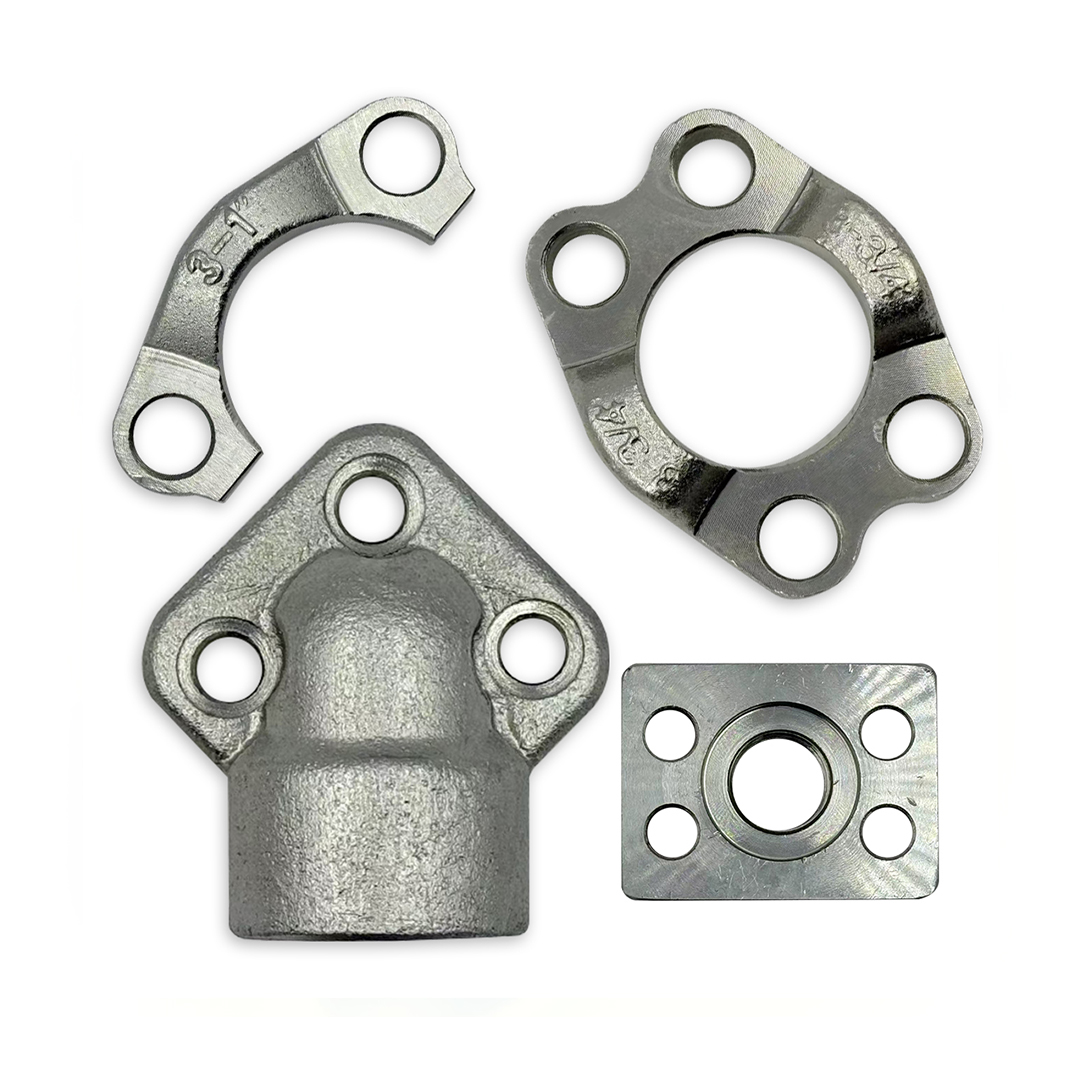
- Connection Type: Threaded, flanged, or welded connections must match the system design for safety and efficiency.
Common Hydraulic Pipe Standards
Hydraulic systems often follow international standards to ensure safety and compatibility:
| Standard | Description | Typical Use |
|---|---|---|
| SAE 100R1 | Single-wire braid steel pipe | Medium-pressure industrial systems |
| SAE 100R2 | Double-wire braid steel pipe | High-pressure hydraulic systems |
| ISO 8434 | Tube fittings and dimensions | General hydraulic machinery |
| EN 853/EN 856 | High-pressure hose with steel reinforcement | Mobile and industrial hydraulics |
Installation Best Practices for Hydraulic Pipes
Proper installation is critical to maximize the lifespan and performance of hydraulic hoses:
- Correct Alignment: Avoid twisting or stretching pipes during installation.
- Secure Clamps: Use pipe clamps to prevent vibration and movement.
- Avoid Abrasion: Ensure pipes do not rub against sharp edges or other components.
- Leak Testing: Perform pressure tests after installation to detect leaks before system operation.
- Temperature Protection: Insulate pipes exposed to extreme temperatures.
Maintaining Hydraulic Pipes
Maintenance ensures reliability and prevents downtime:
- Regular Inspections: Check for cracks, corrosion, or leaks.
- Cleaning: Keep hydraulic hoses free from debris that may contaminate the fluid.
- Replacement: Replace damaged or worn pipes immediately.
- Monitoring Pressure: Use gauges to ensure the system operates within safe parameters.
- Documentation: Keep maintenance logs for predictive servicing.
Common Hydraulic Pipe Issues
Awareness of common issues helps prevent system failure:
- Leaks: Often caused by damaged seals, incorrect fittings, or corrosion.
- Pressure Loss: Can result from undersized pipes or internal blockages.
- Vibration Damage: Repeated vibration can fatigue pipes if not properly supported.
- Temperature-Related Deformation: Overheating may weaken the pipe walls or connections.
Benefits of High-Quality Hydraulic Pipes
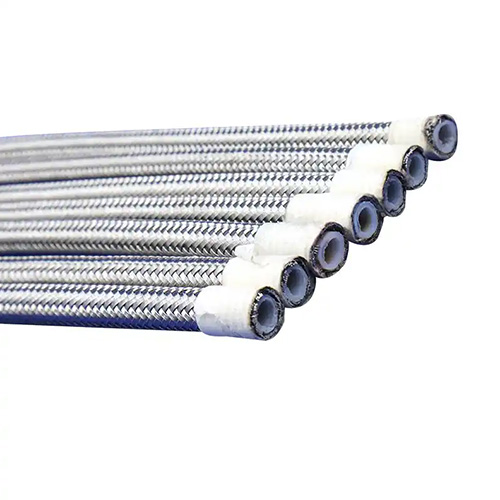
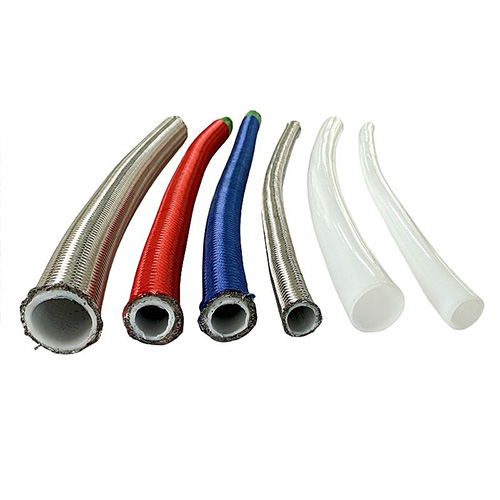
Investing in high-quality hydraulic pipes offers several advantages:
- Increased system efficiency and smoother operation
- Enhanced safety for operators and equipment
- Reduced downtime and maintenance costs
- Extended lifespan of hydraulic components
- Compliance with industry standards and regulations
Conclusion
Hydraulic pipes are fundamental to the performance and safety of hydraulic systems. Choosing the right material, following installation best practices, and performing regular maintenance can significantly enhance the efficiency and reliability of your machinery. By understanding the types, standards, and operational requirements of hydraulic pipes, you ensure that your system delivers consistent and safe performance over time.
FAQ
What are hydraulic pipes used for?
Hydraulic pipes carry pressurized hydraulic fluid between system components, enabling movement and force transmission in machinery and industrial equipment.
How do hydraulic pipes differ from hoses?
Pipes are rigid and handle higher pressures, while hoses are flexible, easier to route, but typically rated for lower pressure systems.
What materials are hydraulic pipes made from?
Common materials include steel, stainless steel, aluminum, and composite reinforced polymers, chosen based on pressure, temperature, and fluid compatibility.
How do I know the correct pipe size?
Select pipe size based on flow rate, system pressure, and the length of the run. Oversized or undersized pipes can lead to inefficiency or damage.
How can I prevent leaks in hydraulic pipes?
Ensure proper connections, correct installation, adherence to pressure ratings, and perform regular inspections and maintenance.
Need Help Choosing the Right Hydraulic Pipes?
If you’re unsure which hydraulic pipes are best for your system or machinery, our experts are here to guide you. Contact us today for a personalized consultation and ensure your hydraulic system operates safely and efficiently. Don’t wait for downtime—get in touch now to protect your equipment and workforce!