Table of Contents
Introduction
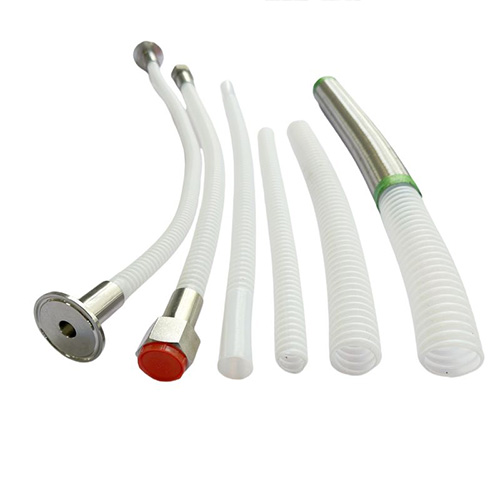
Hydraulic tubing is a flexible tube designed to transport hydraulic fluids under pressure between components in a hydraulic system. These hoses are essential for delivering reliable performance in machinery, construction, agriculture, and industrial applications. Choosing the right hose hydraulic ensures safety, efficiency, and system longevity.
Types of Hose Hydraulic
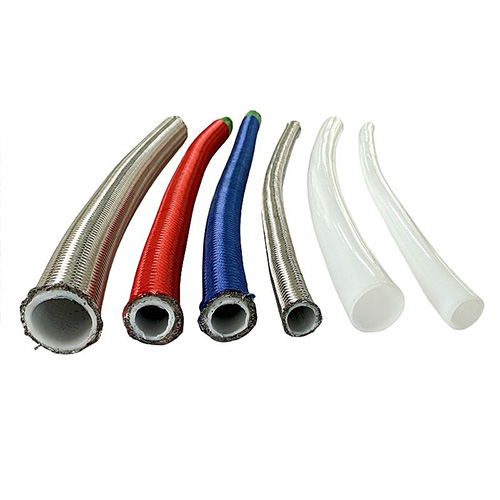
Hydraulic tubing are available in various types based on pressure ratings, materials, and construction methods:
- Thermoplastic hoses – Lightweight, flexible, and resistant to corrosion.
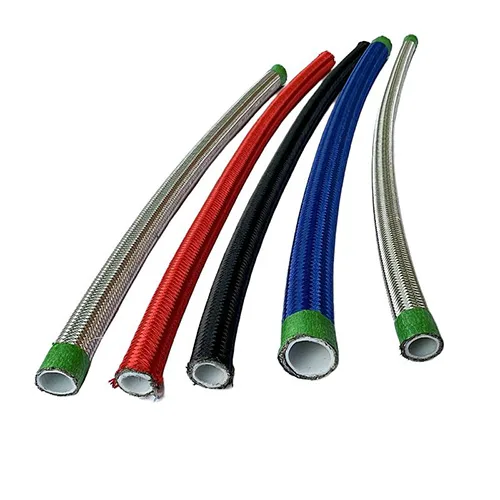
- Reinforced rubber hoses – High durability and pressure tolerance due to multiple reinforcement layers.
- Teflon (PTFE) hoses – High chemical resistance and temperature tolerance.
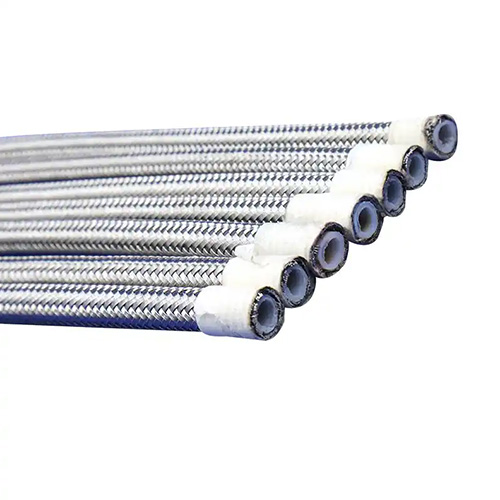
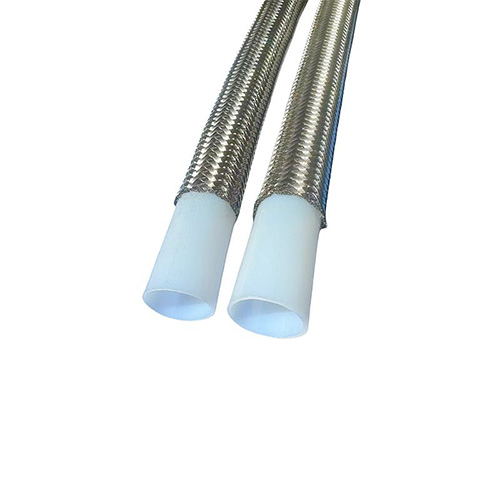
- Steel braided hoses – Designed for extremely high pressure applications.
Selecting the correct type depends on system requirements, fluid compatibility, and operational environment.
Common Materials Used
Materials directly affect performance and longevity. Common options include:
- Synthetic rubber – Flexible and abrasion-resistant.
- Thermoplastics – Lightweight and chemical-resistant.
- Stainless steel braiding – Provides strength and protection from external damage.
- PTFE liners – Resistant to most chemicals and high temperatures.
How to Choose the Right Hose Hydraulic
To select a hose hydraulic:
- Identify the system pressure and maximum working pressure.
- Determine the fluid type (oil, water, chemical).
- Measure the required hose length and bend radius.
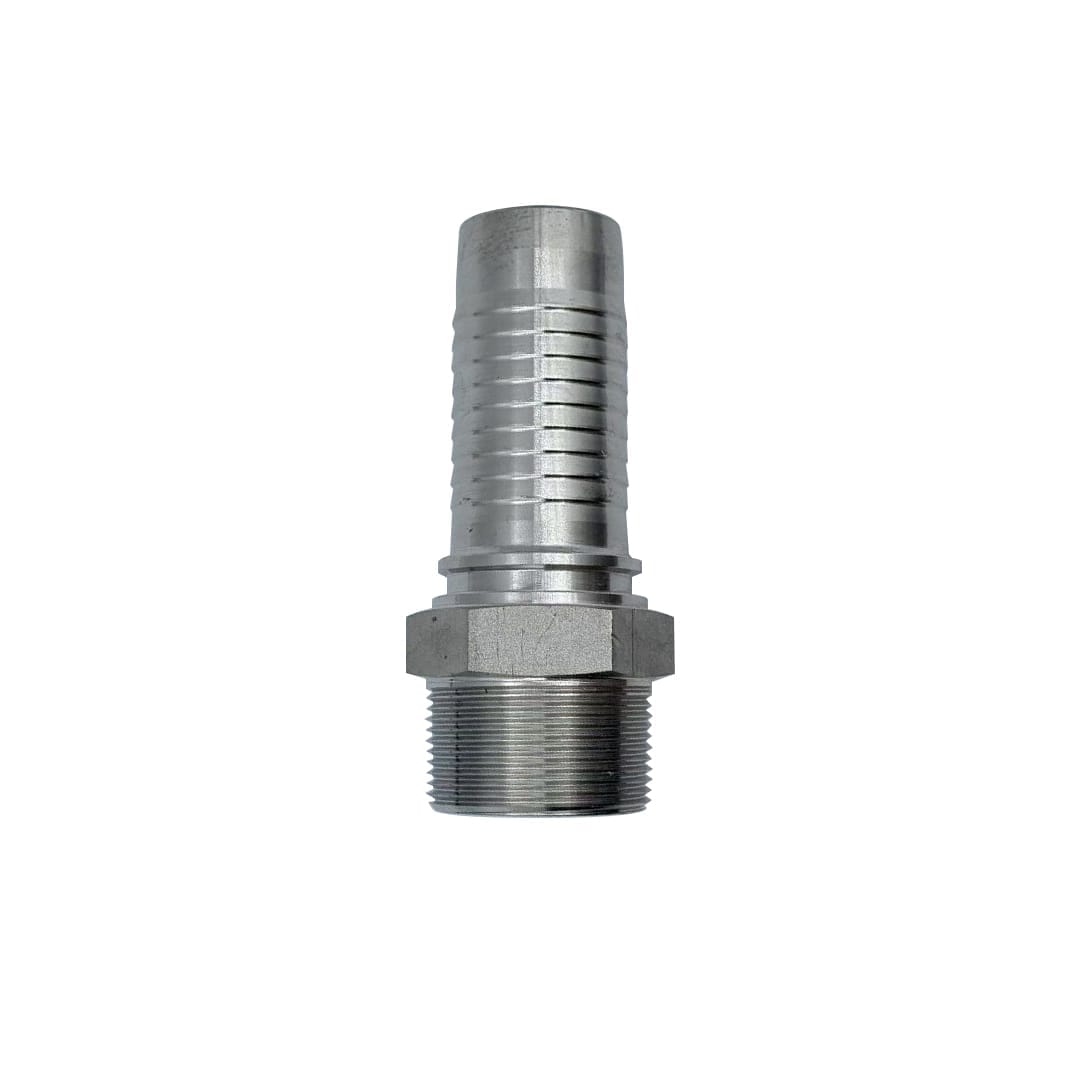
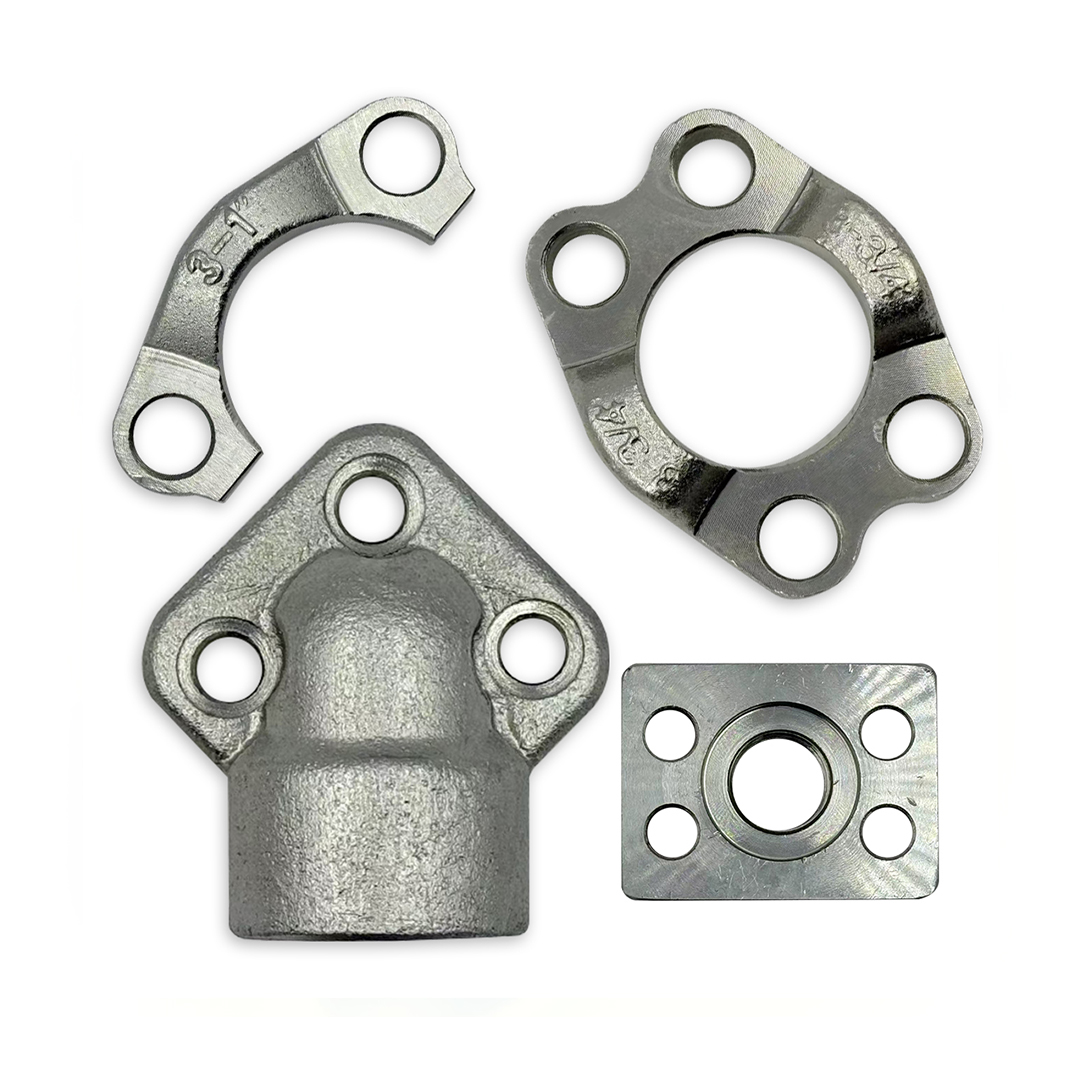
- Ensure compatibility with fittings and connectors.
- Check for temperature range tolerance.
Installation Tips for Hose Hydraulic
Correct installation minimizes leaks and system failures:
- Avoid sharp bends or kinks.
- Ensure connectors and fittings match the hose specification.
- Keep hoses away from moving parts or heat sources.
- Torque fittings according to manufacturer guidelines.
- Secure hoses with clamps to prevent excessive vibration.
Maintenance Practices
Regular inspection and maintenance improve safety and longevity:
- Inspect for cracks, abrasion, or leaks.
- Check fittings and clamps for tightness.
- Replace damaged hoses promptly.
- Clean hoses to remove debris or chemical residues.
- Follow manufacturer-recommended replacement intervals.
Troubleshooting Common Issues
Here are frequent problems and solutions for hydraulic tubing:
| Problem | Possible Cause | Solution |
|---|---|---|
| Leak at connection | Improper fitting torque or seal damage | Retighten or replace seal |
| Hose bulging | Overpressure or internal damage | Replace hose and check system pressure |
| Abrasion marks | Contact with rough surfaces | Install protective sleeves or reroute hose |
| Kinks or bends | Improper installation | Reroute or use hoses with suitable bend radius |
| Corrosion | Chemical exposure or poor material | Use chemical-resistant hoses and clean regularly |
Advantages of High-Quality Hose Hydraulic
- Reduces downtime due to fewer leaks and failures.
- Improves operational efficiency with consistent fluid flow.
- Enhances safety by preventing high-pressure accidents.
- Supports long-term system reliability.
Conclusion
Hydraulic tubing is a critical component in any hydraulic system. Selecting the right type, material, and size while following proper installation and maintenance practices ensures safe, leak-free, and reliable performance for your machinery or industrial system. Regular inspection and replacement of worn components protect your system and maximize its lifespan.
FAQ
What is a hose hydraulic used for?
A hydraulic tubing transports pressurized fluids between system components, enabling hydraulic machinery to operate efficiently.
How do I choose the right hose hydraulic?
Consider system pressure, fluid type, hose length, bend radius, material, and compatibility with connectors and fittings.
Which materials are commonly used?
Rubber, thermoplastics, PTFE, and stainless steel braiding are widely used based on pressure, chemical resistance, and application.
How can I prevent leaks?
Install correctly, avoid sharp bends, ensure proper torque on fittings, inspect regularly, and replace damaged hoses.
What are common issues with hose hydraulics?
Leaks, bulging, abrasion, kinks, and corrosion are typical problems caused by improper installation or wear over time.
Need Help Choosing the Right Hose Hydraulic?
If you’re unsure which hose hydraulic is best for your system, our experts are here to help. Contact us today for a personalized consultation, and ensure your hydraulic system is safe, efficient, and reliable. Don’t wait until downtime occurs—get in touch now to protect your equipment and operations!