Table of Contents
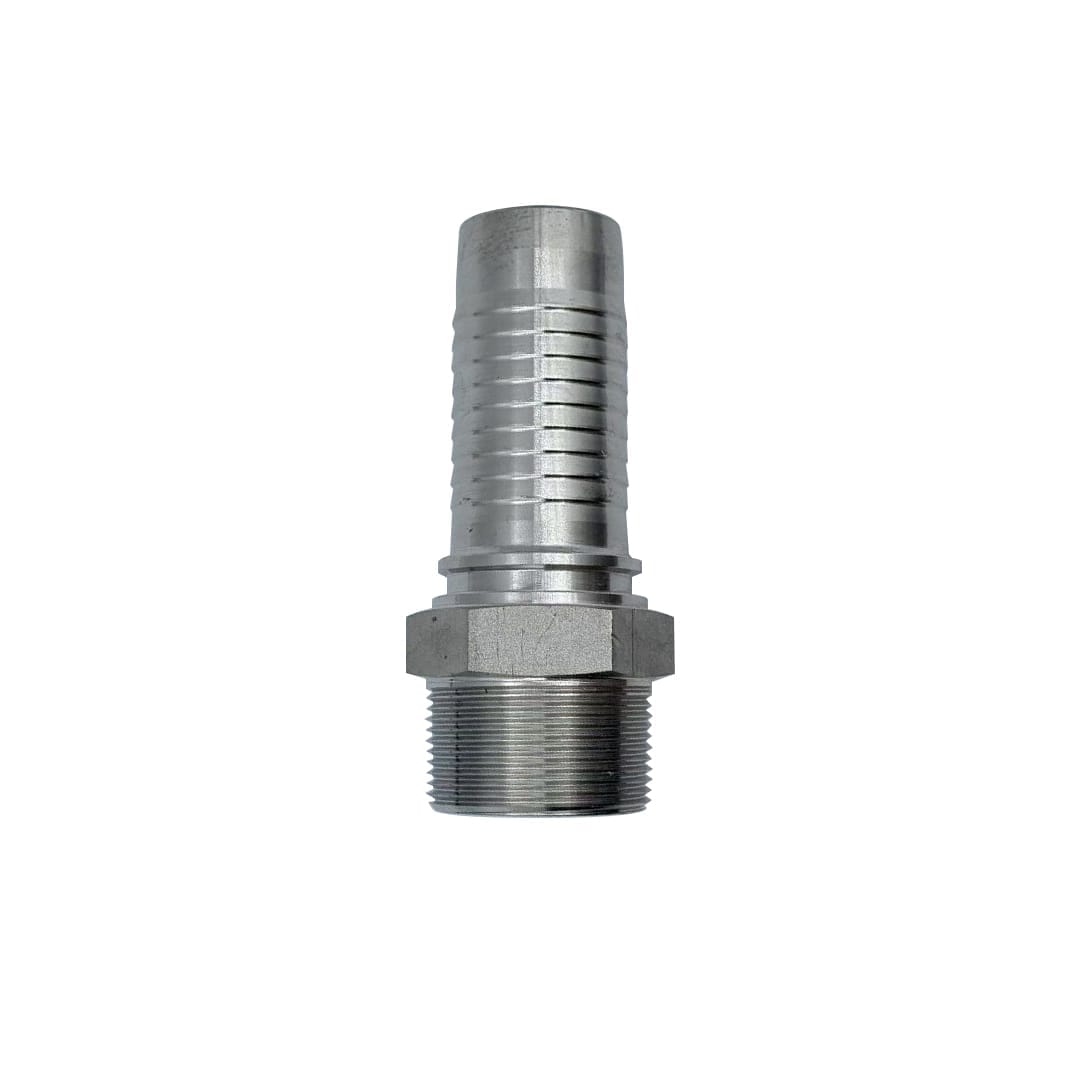
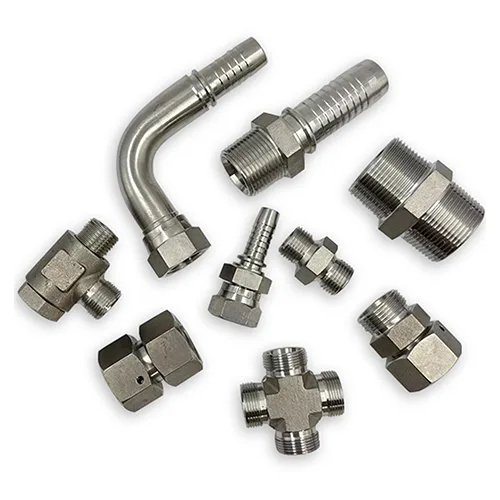
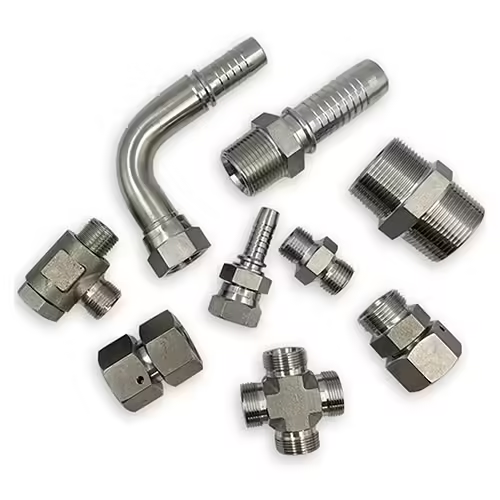
Hydraulic hose fittings are critical components in hydraulic systems, ensuring secure connections between pumps, valves, and actuators. Selecting the right hydraulic fittings hoses guarantees leak-free performance, system efficiency, and long-term reliability. This guide covers types, materials, selection criteria, installation tips, and maintenance practices for hydraulic fittings hoses.
Introduction
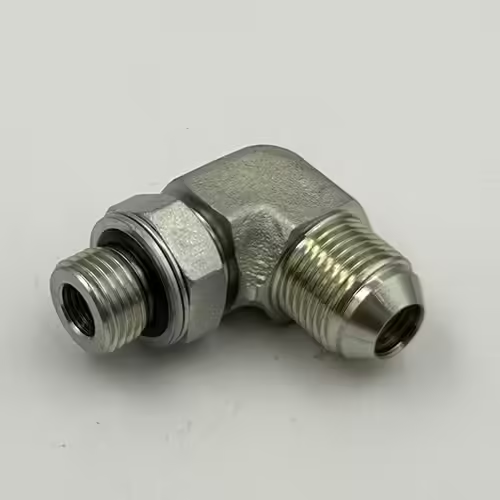
Hydraulic hose fittings transport hydraulic fluid under pressure while connecting various system components. They provide flexibility, withstand high pressure, and ensure safe fluid transfer. Using the correct hoses and fittings reduces downtime, prevents leaks, and maintains system efficiency.
Types of Hydraulic Fittings Hoses
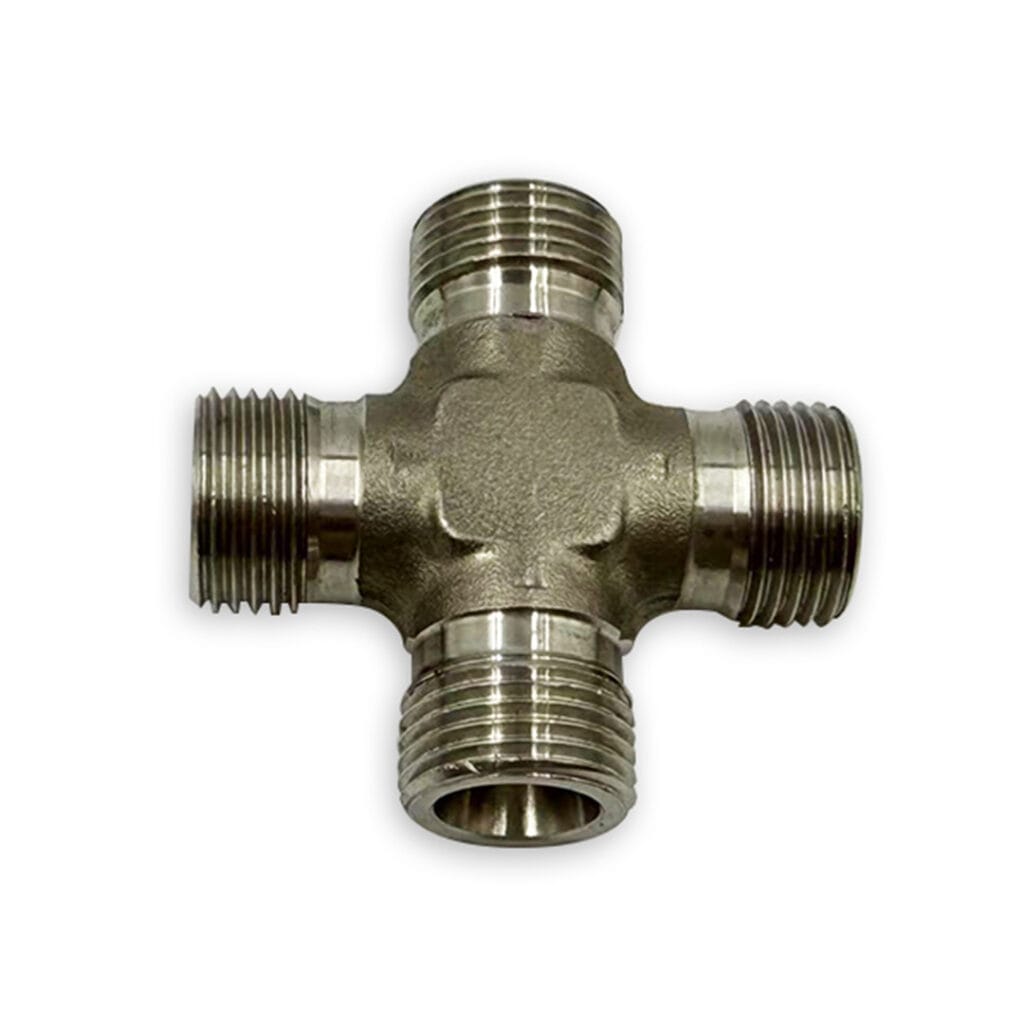
Hydraulic hose fittings come in several types, designed for different applications:
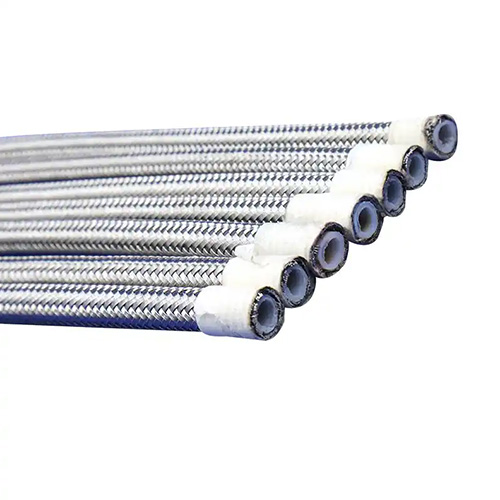
- Braided Hoses – Reinforced with steel wire braiding for high-pressure applications.
- Spiral Hoses – Multiple layers of wire for extreme pressure and durability.
- Thermoplastic Hoses – Lightweight, corrosion-resistant, ideal for low to medium pressure.
- PTFE Hoses – Resistant to chemical corrosion and high temperatures.
Materials Commonly Used
Material choice affects durability, pressure rating, and compatibility with hydraulic fluids.
| Material | Characteristics | Typical Use |
|---|---|---|
| Stainless Steel | Corrosion-resistant, high-pressure durability | Chemical, marine, and industrial systems |
| Carbon Steel | Strong, cost-effective, widely used | General hydraulic systems |
| Rubber / Synthetic | Flexible, lightweight, chemical resistant | Mobile machinery and low-pressure systems |
| PTFE | Chemical-resistant, high-temperature stability | Food, pharmaceutical, and chemical systems |
How to Choose the Right Hydraulic Fittings Hoses
Selecting the right hydraulic fittings hoses requires considering several factors:
- System Pressure & Temperature – Ensure hose and fitting ratings meet operational requirements.
- Fluid Type – Material compatibility prevents degradation and leaks.
- Hose Length & Diameter – Avoid excessive bending and pressure drops.
- Fitting Type – Threaded, push-to-connect, or flared fittings must match system specifications.
- Compliance – Verify hoses meet standards such as SAE, ISO, or DIN for safety and reliability.
Installation Tips
- Avoid twisting or kinking hoses during installation.
- Use correct torque for fittings to prevent leaks.
- Maintain proper bend radius to prolong hose life.
- Inspect hoses and fittings regularly for wear, cracks, or corrosion.
Common Problems and Solutions
Hydraulic fittings hoses can face several issues if not maintained correctly:
- Leaks – Often caused by improper installation or worn seals.
- Abrasion – Protect hoses with guards or sleeves to prevent rubbing.
- Bursting – Ensure hose rating exceeds system maximum pressure.
- Corrosion – Choose corrosion-resistant materials and inspect regularly.
Maintenance Best Practices
Proper maintenance extends the life of hydraulic hose fittings and improves system reliability:
- Regularly check fittings, seals, and hose surfaces for wear or damage.
- Replace hoses that show signs of cracking, bulging, or leaks.
- Keep hoses clean and avoid exposure to harsh chemicals.
- Follow manufacturer-recommended inspection intervals.
Benefits of Proper Hydraulic Fittings Hoses
- Ensures leak-free operation and system efficiency.
- Reduces downtime and maintenance costs.
- Improves safety in high-pressure hydraulic applications.
- Compliance with industry standards guarantees reliability.
Conclusion
Choosing and maintaining the right hydraulic hose fittings is essential for any hydraulic system. Proper selection based on pressure, material, and application, combined with careful installation and regular maintenance, ensures leak-free performance, safety, and longevity. Investing in quality hoses and fittings reduces downtime and protects your equipment while improving overall system efficiency.
FAQ
What are hydraulic fittings hoses used for?
Hydraulic fittings hoses connect system components and transport fluid under high pressure, ensuring safe, leak-free operation in industrial and mobile hydraulic systems.
How do I select the right hydraulic fittings hoses?
Consider system pressure, fluid type, temperature, hose length, diameter, and fitting compatibility to ensure safety, reliability, and performance.
Which materials are commonly used?
Stainless steel, carbon steel, rubber, synthetic, and PTFE are widely used, chosen for pressure rating, corrosion resistance, and application environment.
How can I prevent leaks in hydraulic fittings hoses?
Ensure proper installation, correct torque on fittings, regular inspection of seals, and alignment of hoses to prevent fluid leaks and system failure.
What are common problems with hydraulic fittings hoses?
Leaks, corrosion, abrasion, misalignment, and burst hoses are common issues, often caused by improper installation, wear, or inadequate material selection.
Need Help Choosing the Right Hydraulic Fittings Hoses?
If you’re unsure which hydraulic fittings hoses are best for your system, our experts are here to help. Contact us today for a personalized consultation, and ensure your hydraulic system is reliable and leak-free. Don’t wait until issues occur—get in touch now to protect your equipment and efficiency!