Table of Contents
Introduction
Hydraulic hoses and fittings are the lifeblood of hydraulic systems, transmitting pressurized fluid between pumps, valves, and actuators. Despite their seemingly simple appearance, incorrect installation can lead to catastrophic failures, leaks, safety hazards, and unnecessary downtime. Studies show that up to 40% of hydraulic system failures in industrial and mobile applications result from improper hose installation.
According to John Matthews, a senior hydraulic engineer at FluidTech International, “Even a minor misalignment or an incorrectly torqued fitting can reduce hose life by half, increase leakage risk, and cause significant operational inefficiency.”
This blog will provide an in-depth exploration of hydraulic hoses and fittings, highlight common installation mistakes, compare hose types, and offer practical solutions for both industrial and mobile applications.
Key Points Covered in This Blog
- Common hydraulic hose and fitting installation mistakes
- Correct techniques and best practices for installation
- Comparison of hydraulic hose types, fittings, and materials
- Importance of torque, bend radius, alignment, and pressure ratings
- Preventing leaks, abrasion, and premature wear
- Maintenance tips and inspection routines
- Safety considerations and OSHA guidelines
- Emerging technologies in hydraulic hoses and fittings
- FAQ addressing common installation questions
Understanding Hydraulic Hoses and Fittings
What Are Hydraulic Hoses and Fittings?
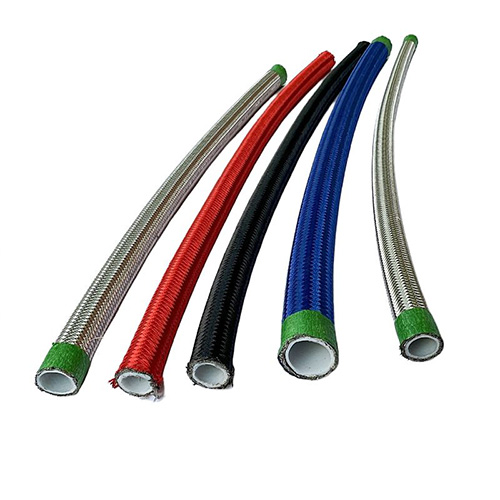
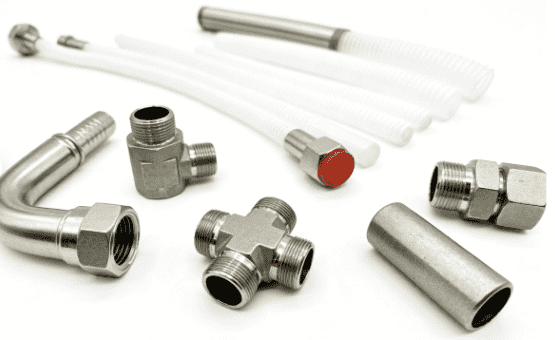
Hydraulic hoses are flexible conduits designed to transport pressurized fluid, while fittings create secure connections between hoses and system components such as pumps, cylinders, and valves. Their combined role ensures the safe and efficient operation of the hydraulic system.
Why Proper Installation Matters
- Guarantees fluid integrity and system efficiency
- Prevents leaks and reduces downtime
- Increases equipment lifespan and minimizes replacement costs
Expert Insight
Dr. Emily Wong, professor of mechanical engineering at MIT, states, “Hydraulic hoses and fittings, if installed correctly, can maintain system integrity under pressures exceeding 5,000 psi and temperatures above 200°C. The smallest error in installation can compromise the entire system.”
Common Hydraulic Hose and Fitting Installation Mistakes
Using the Wrong Hose Type
Selecting a hose incompatible with pressure, fluid type, or temperature can result in premature failure. Always verify the hose’s pressure rating, chemical compatibility, and temperature tolerance.
Incorrect Fitting Torque
Over-tightening can strip threads or damage fittings, while under-tightening leads to leaks. Using a calibrated torque wrench ensures accuracy.
Excessive Bending or Twisting
Every hydraulic hose has a minimum bend radius. Exceeding this limit causes internal kinking, reduces flow, and significantly shortens service life.
Improper Routing and Support
Unsupported hoses may rub against machinery, leading to abrasion, vibration damage, or accidental rupture. Proper clamps, guides, and sleeves prevent mechanical wear.
Ignoring System Pressure Ratings
Hoses must match the maximum operating pressure of the system. Overpressurization is a common cause of sudden failures in industrial hydraulics.
Best Practices for Installing Hydraulic Hoses and Fittings
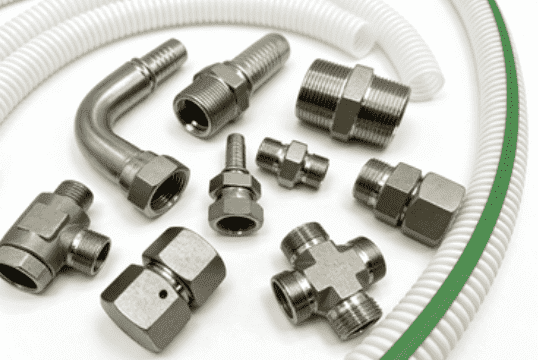
Choosing the Right Hose and Fitting
- Consider operating pressure, temperature, and fluid type
- Use manufacturer-approved fittings compatible with hose construction
- Verify hose length and routing for minimal stress
Maintaining Proper Bend Radius
- Always follow the manufacturer’s specified minimum bend radius
- Avoid sharp bends near fittings to reduce stress on hose walls
Correct Torque Application
- Use calibrated torque wrenches
- Refer to fitting-specific torque specifications to avoid leaks or thread damage
Adequate Hose Support and Routing
- Install clamps, brackets, and protective sleeves
- Route hoses away from heat sources, moving parts, and sharp edges
Comparison of Hydraulic Hoses and Fittings
| Hose Type | Pressure Rating | Flexibility | Typical Application | Cost Level | Longevity (hours) |
|---|---|---|---|---|---|
| SAE 100R1 | Medium | Medium | Mobile equipment | Medium | 3,000–5,000 |
| SAE 100R2 | High | Medium | Industrial hydraulics | Medium | 5,000–7,000 |
| PTFE / Teflon | Very High | High | Chemical/heat systems | High | 10,000+ |
| Wire-Reinforced | High | Low | High-pressure machinery | Medium | 7,000–10,000 |
Concept Notes:
- PTFE hoses resist chemicals and heat but cost more
- Wire-reinforced hoses handle high pressures but are less flexible
- Proper material and fitting selection improves both safety and performance
Signs of Poor Installation
Leaks and Fluid Loss
Visible hydraulic fluid around fittings indicates incorrect torque, misalignment, or worn hoses.
Abrasion or Kinking
Hoses rubbing against surfaces or bent beyond the minimum radius will deteriorate quickly.
Premature Fitting Wear
Loose, misaligned, or over-torqued fittings cause accelerated wear and risk sudden failures.
Vibration Damage
Hoses without support experience fatigue cracks due to constant vibration in mobile equipment.
Safety Considerations and OSHA Guidelines
- Always wear safety goggles and gloves during installation
- Ensure system depressurization before removing or installing hoses
- Follow OSHA standard 1910.111 for hydraulic system safety
- Install protective guards to prevent accidental contact with high-pressure hoses
Maintenance Tips for Longevity
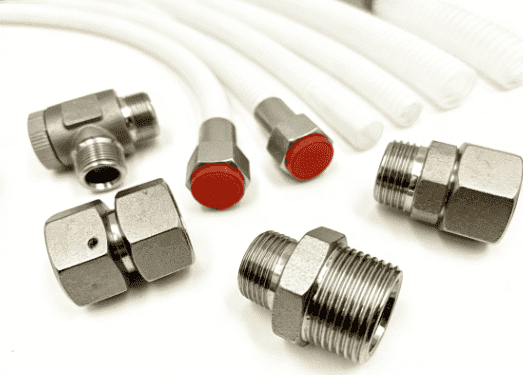
Regular Inspections
- Check hoses and fittings weekly for leaks, wear, or damage
- Replace hoses showing cracks, swelling, or worn threads
Proper Cleaning and Contamination Control
- Keep hoses and fittings free of debris
- Flush hydraulic fluid according to system guidelines to avoid contamination
Use Protective Sleeves
- Guards prevent abrasion and extend hose life
- Especially important in high-traffic or high-temperature areas
Emerging Technologies in Hydraulic Hoses and Fittings
Smart Hydraulic Hoses
Embedded sensors monitor pressure, temperature, and fluid quality, enabling predictive maintenance.
Advanced Materials
- PTFE, polyurethane, and composite hoses increase chemical resistance, flexibility, and heat tolerance
- Coatings reduce wear and extend service life
Quick-Connect Fittings
- Reduce installation time and minimize leak risks
- Enable faster maintenance and assembly in complex systems
Sustainable Hydraulic Components
- Recyclable hose materials
- Environmentally friendly hydraulic fluids and fittings
Installation Checklist
- Verify hose type and pressure rating
- Confirm compatibility with fittings and system fluid
- Measure hose length and routing path
- Maintain minimum bend radius
- Apply correct torque using calibrated tools
- Secure hoses with clamps and protective sleeves
- Inspect for abrasion, kinks, and leaks
Real-World Case Study
Company: GlobalHydro Solutions
Scenario: Retrofitting industrial hydraulic presses with new hoses
Action Taken: Selected SAE 100R2 wire-reinforced hoses, applied proper torque, installed protective sleeves
Outcome:
- Leaks reduced by 90%
- Maintenance downtime decreased by 40%
- Hose lifespan increased from 5,000 to 8,000 operational hours
Conclusion
Correct installation of hydraulic hoses and fittings is essential to maximize hydraulic system performance, safety, and durability. Avoiding common mistakes such as improper hose selection, incorrect torque, and poor routing ensures fewer failures, reduced maintenance costs, and higher operational efficiency.
Expert Tip:
John Matthews concludes: “Investing in proper installation techniques and high-quality hoses pays off in safety, efficiency, and long-term cost savings. Small mistakes today can lead to large operational losses tomorrow.”
FAQ
Q: How tight should hydraulic fittings be?
A: Always follow the manufacturer’s torque specifications. Over-tightening can damage threads; under-tightening causes leaks.
Q: Can I bend a hydraulic hose sharply to fit a tight space?
A: No, maintain the minimum bend radius to avoid hose fatigue or rupture.
Q: How often should hoses be inspected?
A: Inspect weekly or per manufacturer guidelines. Replace any hoses showing wear immediately.
Q: Are all fittings compatible with all hoses?
A: No, the fitting type must match the hose construction, pressure rating, and fluid compatibility.
Q: How can vibration damage be prevented?
A: Secure hoses with clamps, brackets, and protective sleeves to minimize movement.
Q: Can hydraulic hoses handle extreme temperatures?
A: Only if the material is rated for the specific temperature range; PTFE and polyurethane hoses are commonly used for high-temperature applications.