Table of Contents
Introduction
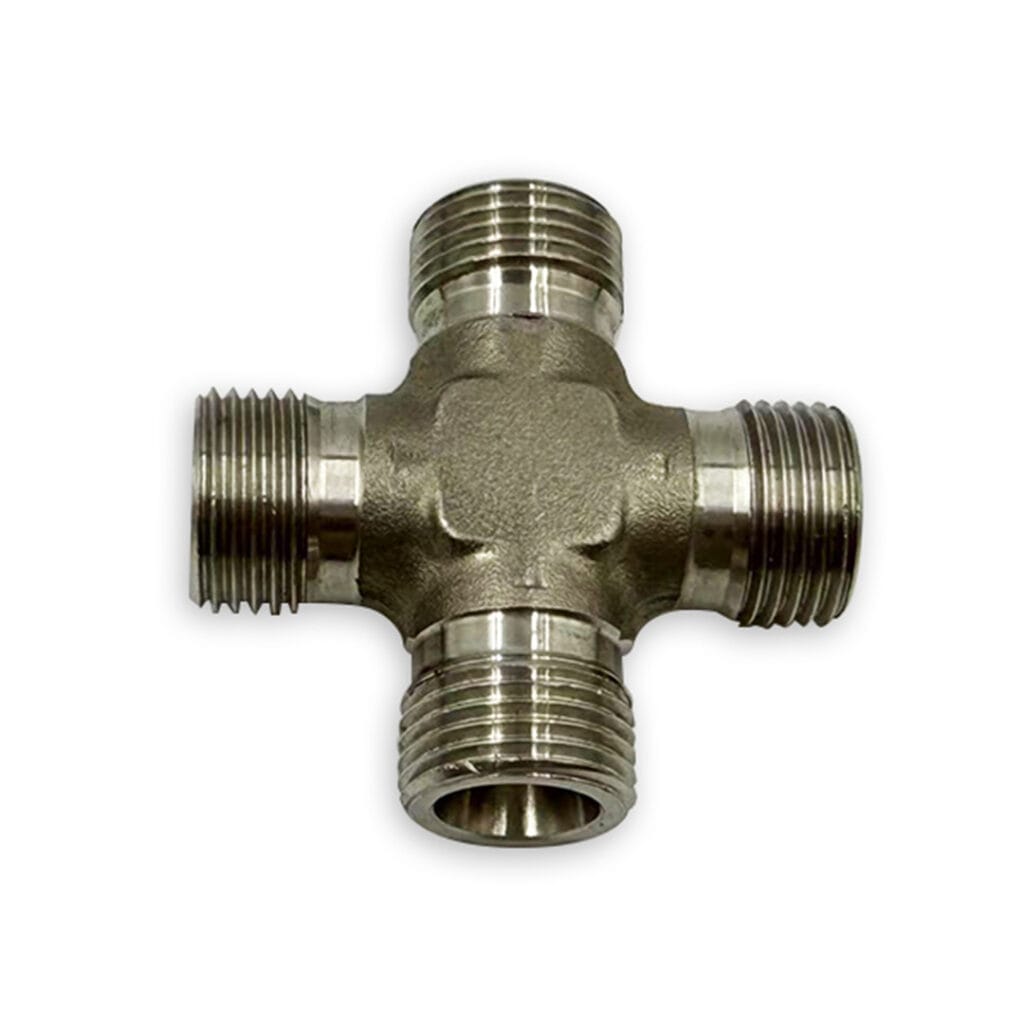
Stainless steel plumbing fittings are widely used in modern piping systems due to their strength, corrosion resistance, and long service life. Whether in residential plumbing, commercial water systems, or industrial fluid networks, choosing the right stainless plumbing fittings is essential for ensuring leak-free performance and long-term stability.
What Are Stainless Plumbing Fittings?
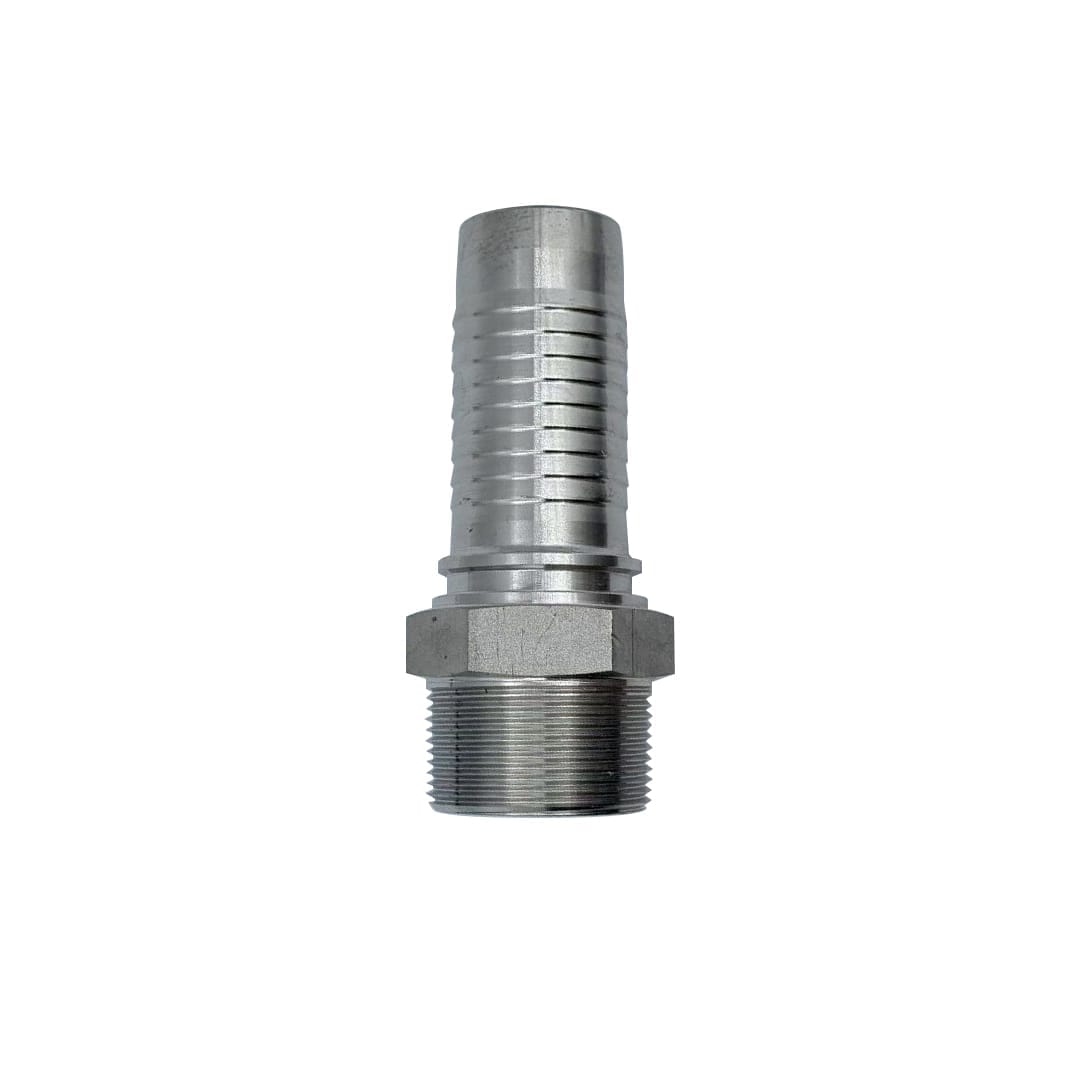
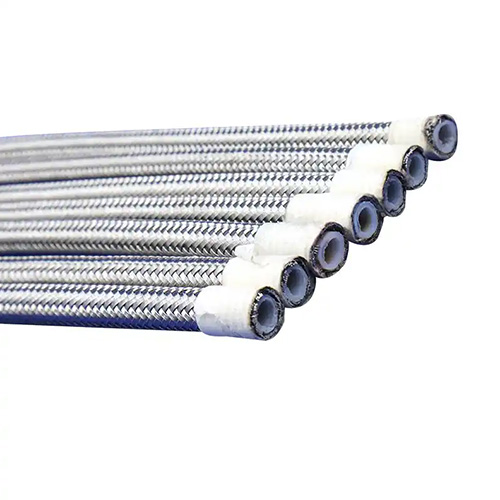
Stainless steel plumbing fittings are connectors used to join, control, or change the direction of pipes in a plumbing system. Made primarily from stainless steel, they are designed to withstand corrosion, pressure, and temperature changes, making them suitable for demanding environments.
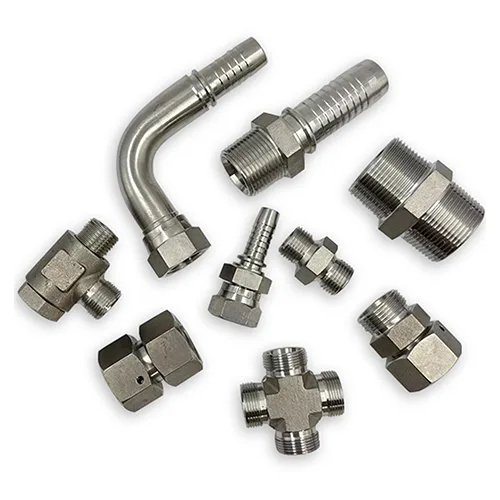
Types of Stainless Plumbing Fittings
Different applications require different fitting types:
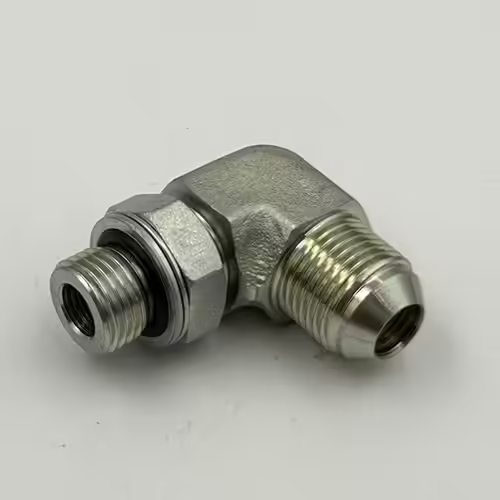
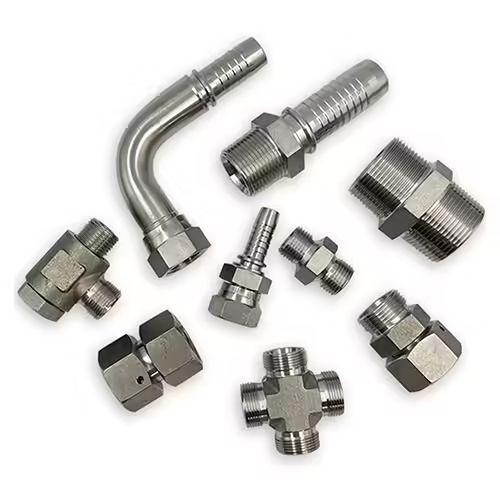
- Elbow fittings – Used to change the direction of flow (45° or 90° angles).
- Tee fittings – Allow flow to split into two directions.
- Couplings – Connect two pipes in a straight line.
- Reducers – Connect pipes of different diameters.
- Union fittings – Allow easy disconnection for maintenance.
Common Materials and Grades
Stainless steel plumbing fittings are typically made from different stainless steel grades depending on performance requirements:
| Grade | Characteristics | Typical Use |
|---|---|---|
| 304 Stainless Steel | Good corrosion resistance, cost-effective | Residential and general plumbing |
| 316 Stainless Steel | Higher corrosion and chemical resistance | Marine, chemical, industrial systems |
| 201 Stainless Steel | Lower cost, moderate durability | Light-duty applications |
Industry material studies show that 316 stainless steel performs significantly better in high-moisture and chemical environments compared to 304, especially in long-term corrosion resistance.
How to Choose the Right Stainless Plumbing Fittings
When selecting fittings, consider the following:
- System pressure rating – Ensure fittings can handle operating pressure
- Fluid type – Water, chemicals, or mixed fluids affect material choice
- Corrosion environment – Moisture, salt, or chemicals require higher-grade steel
- Pipe size compatibility – Ensure precise matching to avoid leakage
- Installation requirements – Threaded, welded, or compression connections
Installation Tips
Proper installation ensures system reliability:
- Clean all pipe ends before installation
- Apply thread seal tape or sealant where needed
- Tighten fittings evenly to avoid stress
- Avoid over-tightening to prevent thread damage
- Check alignment before final fixing
Maintenance Tips
Regular maintenance improves system lifespan:
- Inspect fittings for rust or leakage regularly
- Replace worn seals or gaskets immediately
- Clean surfaces to prevent buildup or corrosion
- Check tightness periodically in high-vibration systems
Advantages of Stainless Plumbing Fittings
- Excellent corrosion resistance
- Long service life and durability
- Suitable for high-pressure and high-temperature systems
- Low maintenance requirements
- Wide application across industries
Conclusion
Stainless plumbing fittings are a reliable solution for modern piping systems that require durability, safety, and corrosion resistance. By selecting the right type, grade, and installation method, you can ensure long-term performance and reduce maintenance costs. Proper installation and regular inspection further enhance system reliability and efficiency.
FAQ
What are stainless plumbing fittings used for?
Stainless plumbing fittings are used to connect, control, and direct pipes in water and fluid systems. They ensure secure, stable, and leak-free operation across residential, commercial, and industrial applications, even under pressure or corrosive environments, improving overall system safety and durability.
How do I choose the right stainless plumbing fittings?
To choose the right stainless plumbing fittings, you should consider pressure rating, pipe size, fluid type, temperature range, and environmental conditions. Proper selection ensures compatibility, prevents leakage, and improves long-term performance, especially in systems exposed to moisture, chemicals, or high demand.
What is the difference between 304 and 316 stainless steel fittings?
304 stainless steel fittings are suitable for general-purpose plumbing with good corrosion resistance, while 316 stainless steel fittings offer enhanced resistance to chemicals, saltwater, and harsh environments. This makes 316 ideal for more demanding or corrosive applications where durability is critical.
How can I prevent leaks in stainless plumbing fittings?
Leaks can be prevented by ensuring proper installation, using correct sealing materials such as thread tape or gaskets, and tightening fittings evenly. Regular inspection is also important to detect early wear or loosening, helping maintain a reliable, leak-free plumbing system over time.
What are common problems with stainless plumbing fittings?
Common issues include leaks, corrosion, thread damage, and misalignment, often caused by improper installation, poor material selection, or lack of maintenance. Regular inspection, correct installation practices, and timely replacement of worn components help ensure long-term system reliability and safety
Need Help Choosing the Right Stainless Plumbing Fittings?
If you’re not sure which stainless plumbing fittings are best for your system, our experts are here to help. Contact us today for a professional consultation and ensure your piping system is safe, durable, and efficient. Don’t wait for failures—get in touch now to protect your water system!