Table of Contents
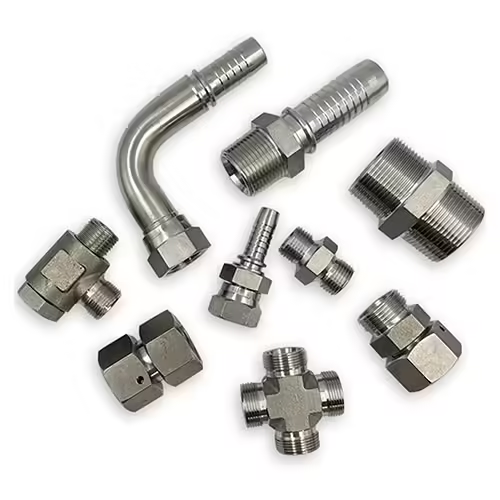
Tube connectors are essential components in fluid and gas systems, connecting two tubes or a tube to other equipment securely. Selecting the right tube fitting ensures leak-free operation, prevents system failures, and enhances efficiency across industrial, laboratory, or residential applications. Understanding types, materials, installation methods, and maintenance is critical for reliable performance.
Types of Tube Fittings
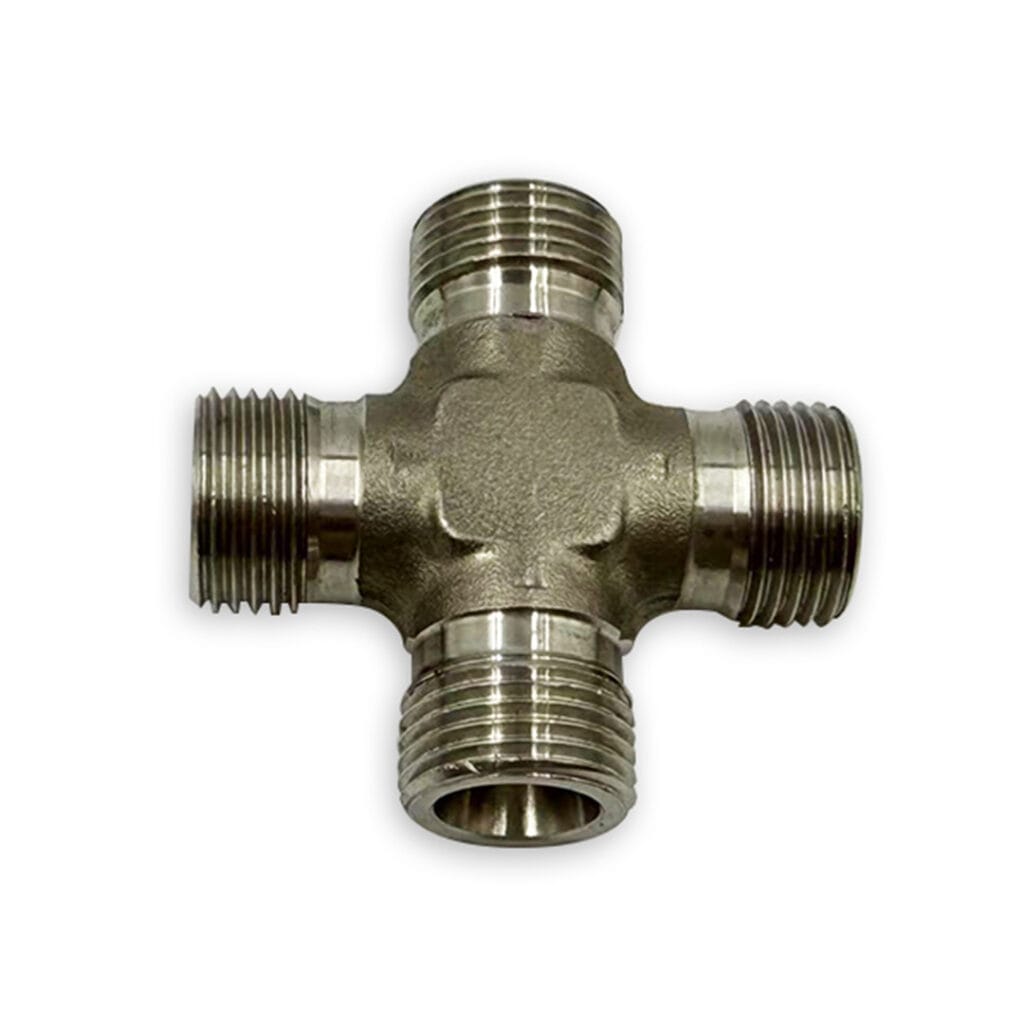
Tube connectors come in various types designed for different applications:
- Compression Fittings: Use compression nuts and ferrules to create a tight seal without soldering or welding. Ideal for medium-pressure applications.
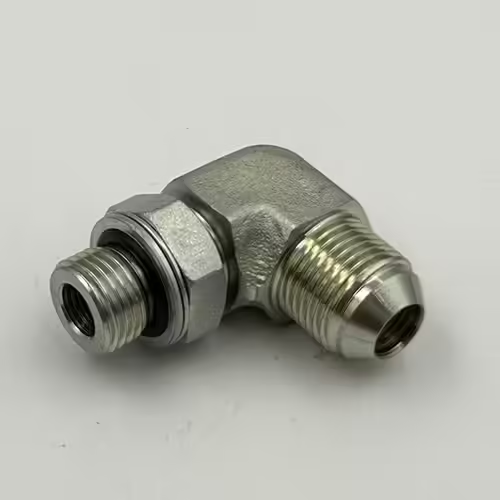
- Flare Fittings: Tubes are flared to match fitting angles, providing a strong, leak-resistant connection. Common in high-pressure and gas systems.
- Push-to-Connect Fittings: Allow fast and easy installation by pushing the tube into the fitting. Suitable for pneumatic systems.
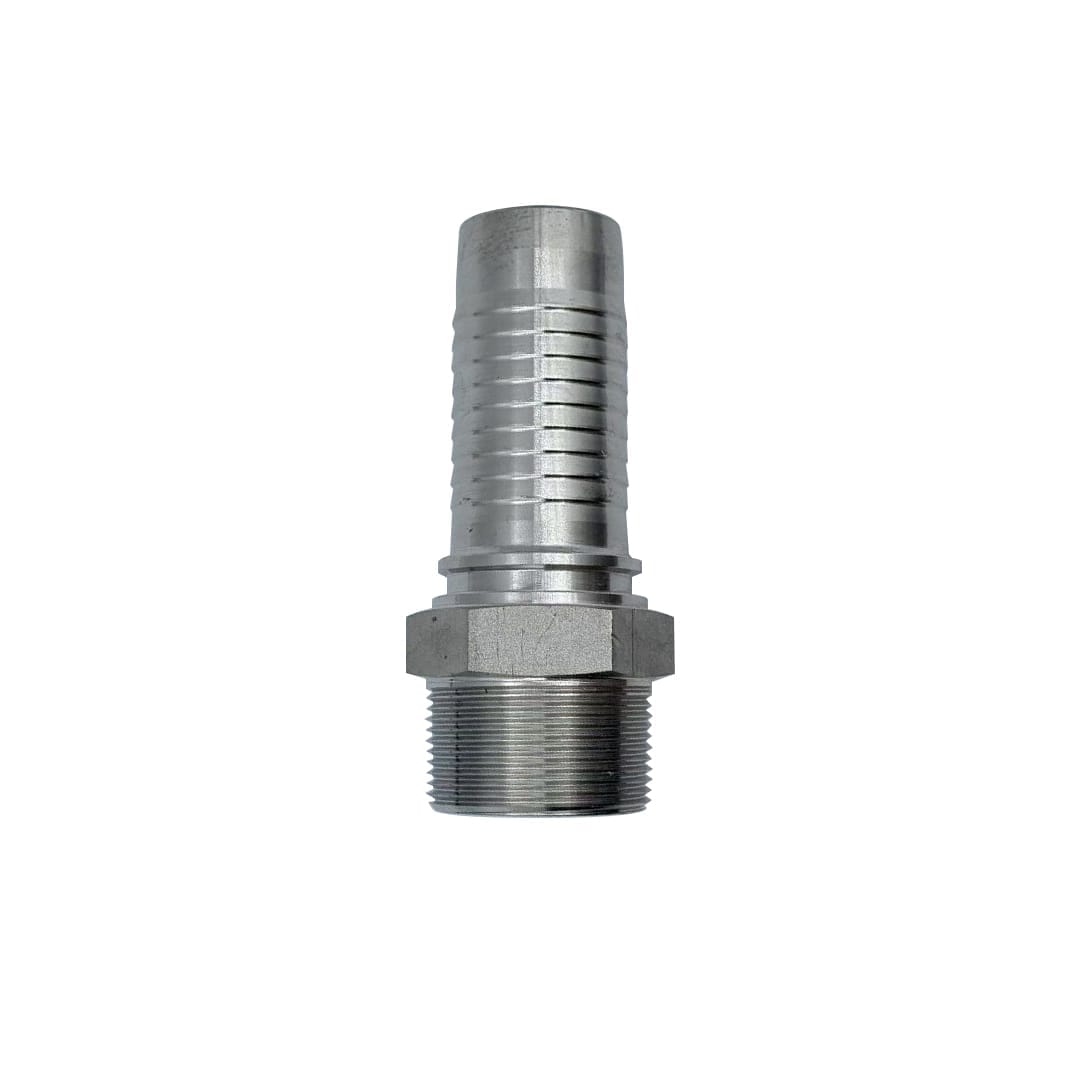
- Threaded Fittings: Involve male and female threads to connect tubes or tubes to equipment. Useful for systems requiring frequent disassembly.
Materials Used in Tube Fittings
Choosing the right material impacts longevity and performance:
- Stainless Steel: Corrosion-resistant, suitable for chemical or high-pressure applications.
- Brass: Durable, corrosion-resistant, and cost-effective. Common in water and air systems.
- Carbon Steel: Strong for high-pressure industrial applications but requires proper coatings to prevent rust.
- Plastic (Nylon, PVC): Lightweight and resistant to many chemicals; suitable for low-pressure systems.
How to Select the Right Tube Fitting
When choosing a tube connector, consider:
- Tube outer diameter and wall thickness
- System pressure and temperature
- Type of fluid or gas being transported
- Compatibility with existing system components
- Maintenance and accessibility requirements
Installation Tips for Tube Fittings
Proper installation ensures leak-free performance:
- Cut tubes cleanly with a deburring tool.
- Ensure fittings match tube size and type.
- Use proper torque for compression or threaded fittings.
- Check alignment to prevent stress on the joint.
- Inspect seals and replace damaged ferrules or O-rings.
Common Issues and How to Fix Them
| Issue | Cause | Solution |
|---|---|---|
| Leaks | Misalignment, worn O-rings | Re-align tubes, replace seals |
| Corrosion | Improper material selection | Switch to corrosion-resistant fittings |
| Loose Connection | Under/over-torqued nuts | Torque fittings correctly |
| Cracks | Excessive stress or vibration | Add support, replace damaged tubes |
| Reduced Flow | Internal blockage or debris | Clean system, flush tubes |
Maintenance Tips
Regular inspection and maintenance prolong tube fittingtube connector life:
- Check for leaks, corrosion, or cracks routinely.
- Tighten loose fittings according to manufacturer guidelines.
- Replace worn ferrules, O-rings, and seals promptly.
- Clean fittings periodically to remove dirt or chemical residues.
Advantages of Using Quality Tube Fittings
Investing in high-quality tube fittings ensures:
- Leak-free and safe system operation
- Reduced maintenance costs and downtime
- Compatibility with a wide range of fluids and gases
- Compliance with industry safety standards
- Longer lifespan for the overall piping system
Applications of Tube Fittings
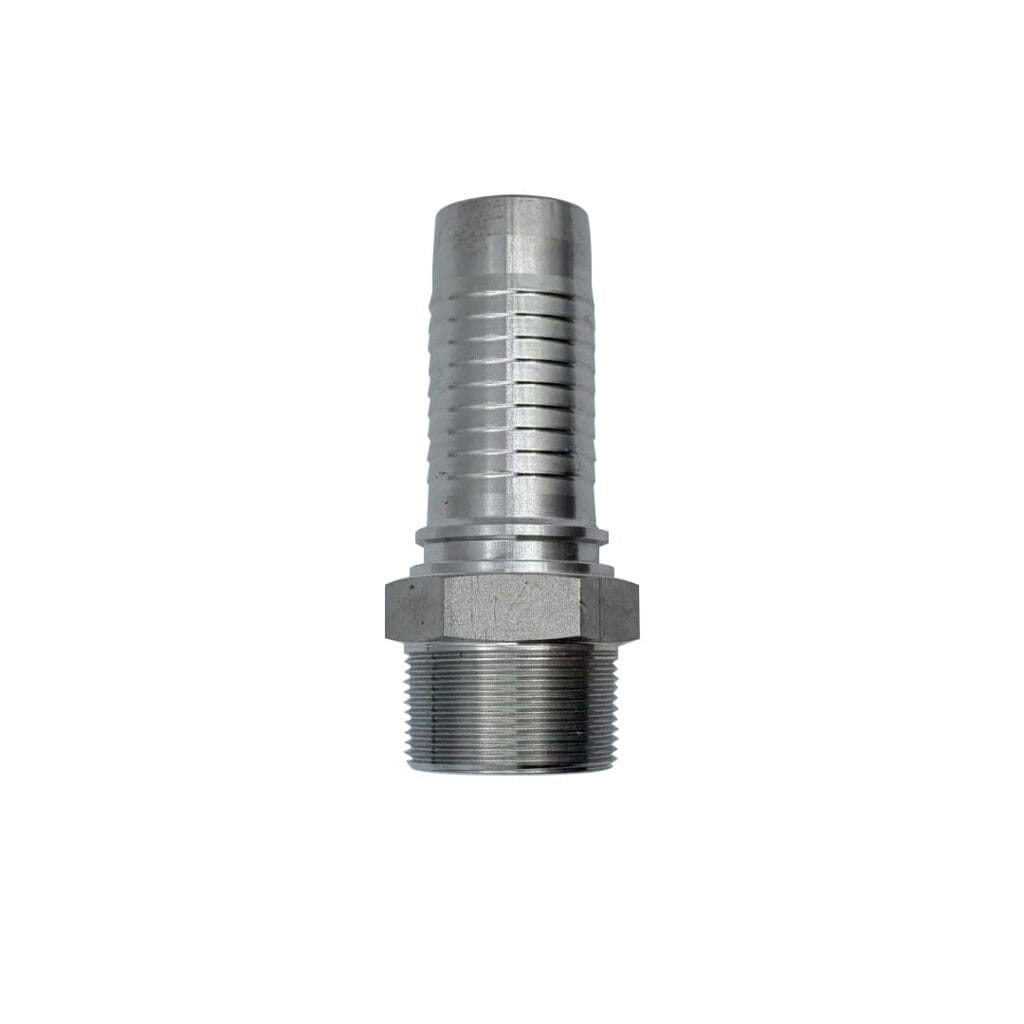
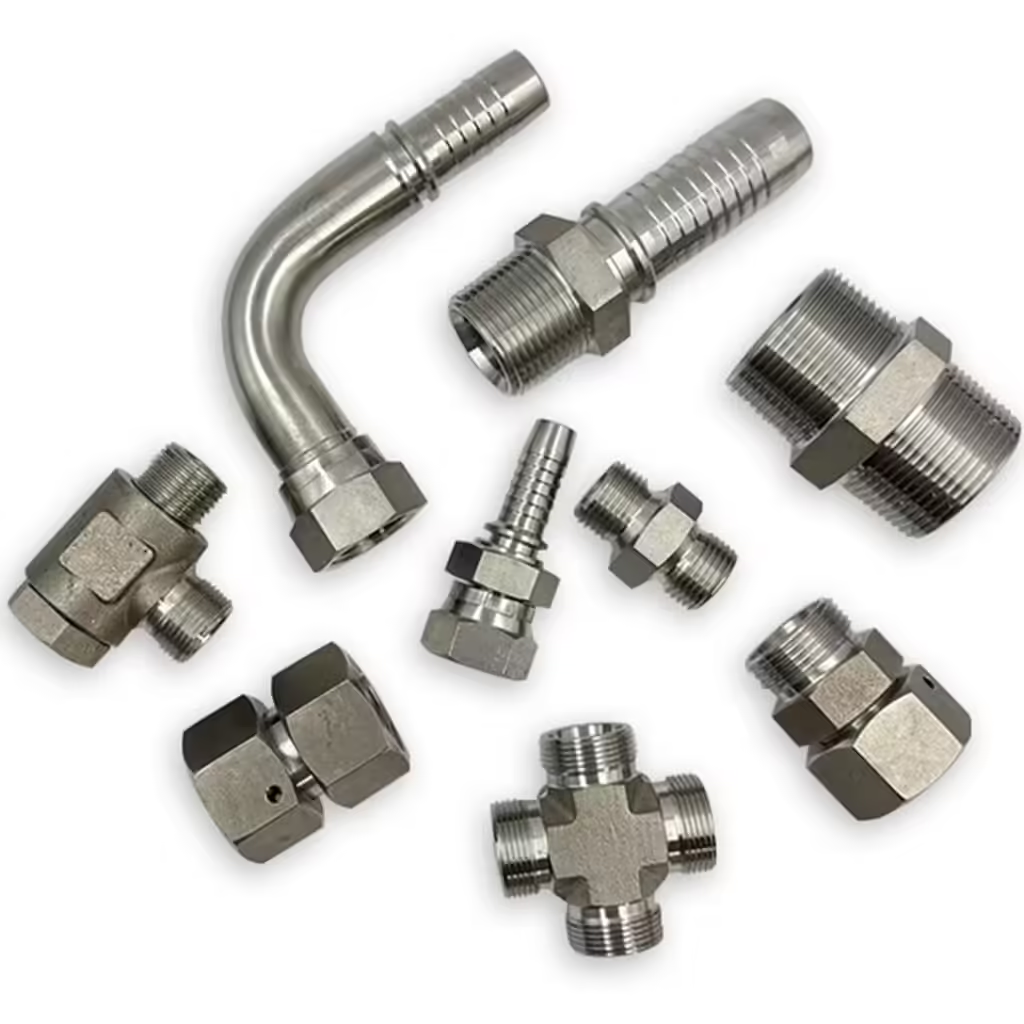
Tube connectorss are widely used across industries:
- Industrial Equipment: Hydraulic and pneumatic systems
- Laboratory Systems: Gas and fluid transfer
- Plumbing: Water supply lines and heating systems
- Automotive: Fuel and brake lines
- HVAC Systems: Refrigerant and coolant lines
Conclusion
Selecting the right tube connector requires understanding your system’s requirements, including pressure, material compatibility, and maintenance needs. Proper installation, regular inspections, and quality components ensure reliable and efficient operation. Making informed choices reduces the risk of leaks, downtime, and costly repairs while improving overall system performance.
FAQ
What are tube fittings used for?
Tube connectors are components designed to securely connect two tubes or a tube to equipment. They ensure a leak-free and reliable transfer of fluids or gases in industrial, laboratory, and residential systems. Proper tube fittings prevent system failures, reduce downtime, and maintain operational efficiency.
How do I select the right tube connector?
Choosing the correct tube connector requires considering multiple factors: tube diameter, system pressure, fluid or gas type, material compatibility, and the connection style needed. Selecting the right tube fitting ensures safe operation, prevents leaks, extends system life, and improves overall performance and reliability.
Which materials are commonly used?
Tube connectorss are commonly made from stainless steel, brass, carbon steel, and durable plastics. Material choice depends on operating pressure, corrosion resistance, chemical compatibility, and environmental conditions. Using the appropriate material ensures the tube connectors last longer and maintain safety under demanding system requirements.
How can I prevent leaks in tube connectors?
Leaks in tube connectors can be prevented by proper installation techniques, using correct torque for tightening, ensuring proper alignment, and regularly inspecting O-rings, ferrules, and seals. Routine maintenance of tube connectors helps maintain system integrity, prevents costly downtime, and keeps fluid or gas systems operating efficiently.
What are common problems with tube connectors?
Typical issues with tube connectors include leaks, corrosion, loose connections, misalignment, and damage from improper installation or wear over time. Regular inspection, correct installation, and timely maintenance are crucial for ensuring tube fittings provide safe, leak-free operation and protect the overall fluid or gas system.
Need Help Choosing the Right Tube Fitting?
If you’re unsure which tube connector is best for your system, our experts are here to help. Contact us today for a personalized consultation and ensure your fluid or gas system is reliable and leak-free. Don’t wait—secure your system now and prevent costly downtime!