Table of Contents
Introduction
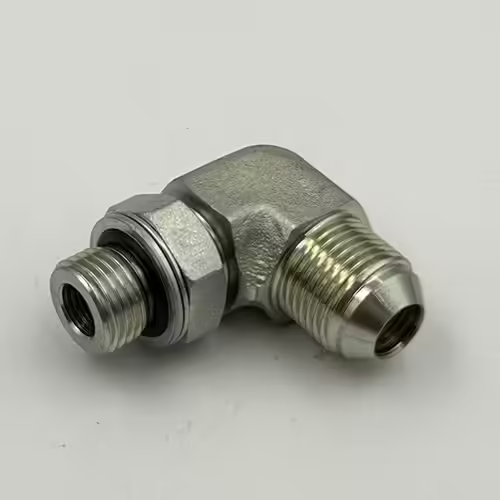
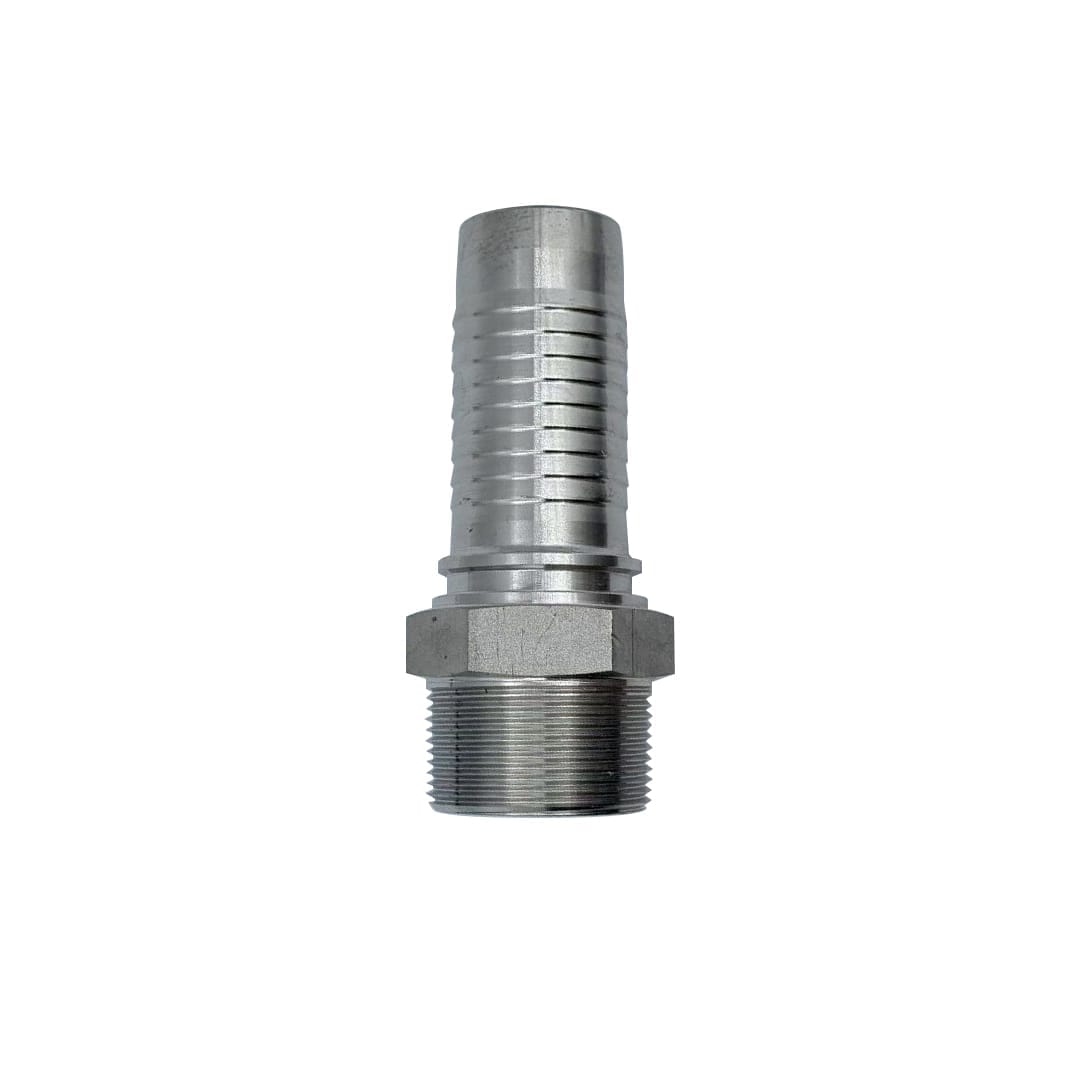
A union in pipe fitting is a crucial component in piping systems, allowing two pipes to be connected or disconnected easily without causing any deformation to the pipes themselves. It is widely used in industrial, commercial, and residential piping systems where maintenance, repair, or temporary disassembly is frequently required.
What is a Union in Pipe Fitting?
A union is a mechanical joint that connects two pipes securely while allowing them to be disconnected without cutting the pipes. Unlike welded or threaded joints, unions provide flexibility and ease of maintenance.
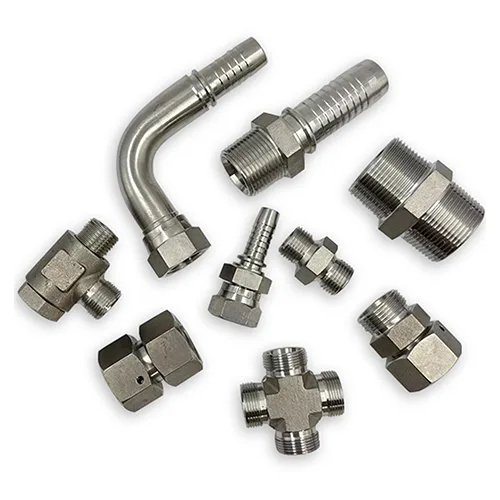
Types of Unions in Pipe Fittings
There are several types of unions available, including:
- Threaded unions – Simple to install and widely used for low-pressure systems.
- Flanged unions – Ideal for high-pressure applications and large pipe diameters.
- Socket-weld unions – Provide strong, permanent connections suitable for industrial piping.
- Compression unions – Common in hydraulic and fluid transfer systems for leak-proof connections.
Materials Used for Unions
Unions are typically made from materials based on pressure, fluid type, and corrosion resistance needs:
| Material | Characteristics | Typical Use |
|---|---|---|
| Stainless Steel | Corrosion-resistant, durable | Chemical, food, water systems |
| Brass | Lightweight, corrosion-resistant | Low-pressure and plumbing systems |
| Carbon Steel | High strength, cost-effective | Industrial and high-pressure systems |
| PVC / Plastic | Lightweight, affordable | Residential water systems |
How to Choose the Right Union in Pipe Fitting
When selecting a union, consider the following factors:
- Pipe size and diameter – Ensure compatibility with your system.
- Pressure rating – Check maximum allowable pressure for safe operation.
- Material compatibility – Ensure the union material matches the pipe and fluid.
- Temperature range – Select a union that can withstand operating temperatures.
Installation Tips for Unions
- Clean pipe ends before installation to ensure proper sealing.
- Apply thread sealant if using threaded unions.
- Tighten nuts evenly to avoid misalignment or leaks.
- Inspect unions periodically for wear, corrosion, or loosened connections.
Common Problems with Pipe Unions
- Leaks due to improper installation or worn seals.
- Corrosion or material degradation from incompatible fluids.
- Loosened connections caused by vibration or thermal expansion.
- Misalignment leading to stress on connected pipes.
Maintenance of Unions
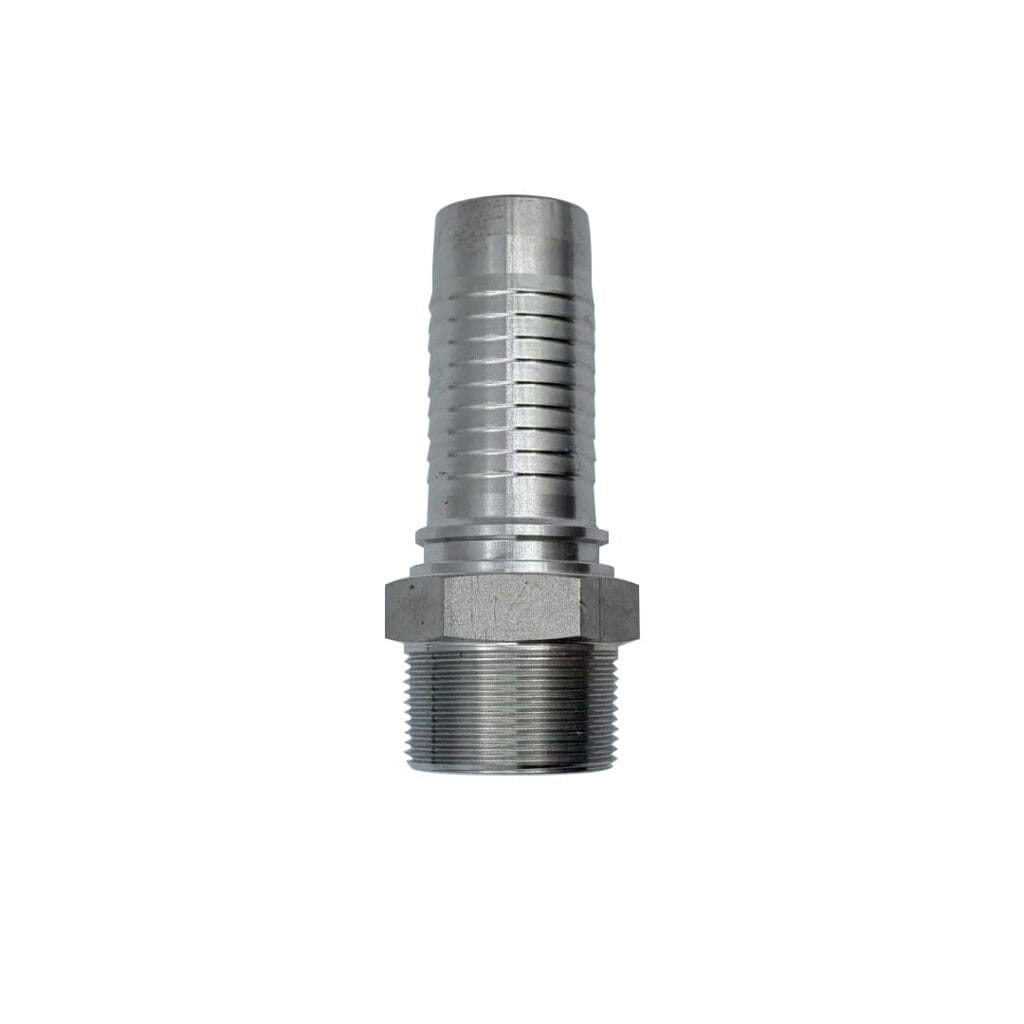
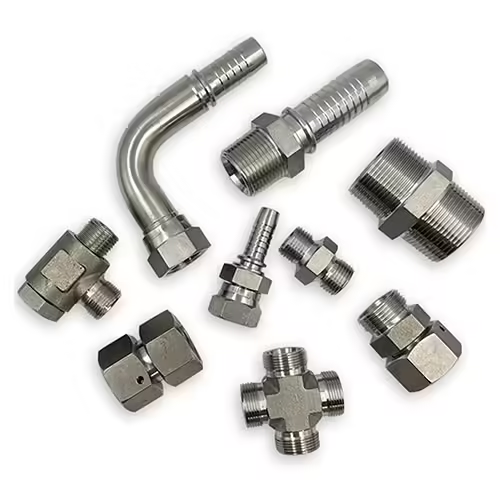
Regular maintenance ensures long-term reliability:
- Inspect for leaks and corrosion at least quarterly.
- Replace worn gaskets or O-rings immediately.
- Avoid over-tightening to prevent damage to threads.
- Document maintenance to track performance over time.
Conclusion
A union in pipe fitting is an essential component for creating flexible, maintainable piping systems. By understanding the types, materials, installation practices, and maintenance requirements, you can ensure safe and efficient operation of your piping network. Proper selection and care of unions will minimize downtime, prevent leaks, and improve the longevity of your system.
FAQ
What is a union in pipe fitting used for?
A union in pipe fitting connects two pipes securely while allowing easy disassembly for maintenance, repair, or system modifications without cutting the pipes.
How do I choose the right union for my system?
Consider pipe size, pressure rating, material compatibility, temperature range, and application type to ensure safe and efficient operation.
Which materials are commonly used for unions?
Stainless steel, brass, carbon steel, and PVC are widely used, selected based on pressure, corrosion resistance, and fluid type.
How can I prevent leaks in a pipe union?
Ensure proper installation, clean pipe ends, apply thread sealant when needed, tighten nuts evenly, and inspect gaskets or O-rings regularly.
What are common problems with unions in pipe fittings?
Leaks, corrosion, misalignment, and loosened connections are typical issues, often caused by improper installation or wear over time.
Need Help Choosing the Right Union in Pipe Fitting?
If you’re unsure which union fits best for your piping system, our experts are here to guide you. Contact us today for a personalized consultation, and ensure your system operates safely and efficiently. Don’t wait until leaks or failures occur—get in touch now to protect your piping network!