Hydraulic systems are the backbone of various industries, from manufacturing to oil and gas, and they rely heavily on the quality of hydraulic fittings. When it comes to high-pressure systems, selecting the right materials for your hydraulic fittings is crucial. 316 SS hydraulic fittings have emerged as a top choice due to their exceptional durability, resistance to corrosion, and ability to withstand high-pressure environments. In this blog, we will explore why 316 SS hydraulic fittings are ideal for high-pressure systems, discussing their key advantages, applications, and factors that make them the best choice for demanding environments.
Table of Contents
Introduction
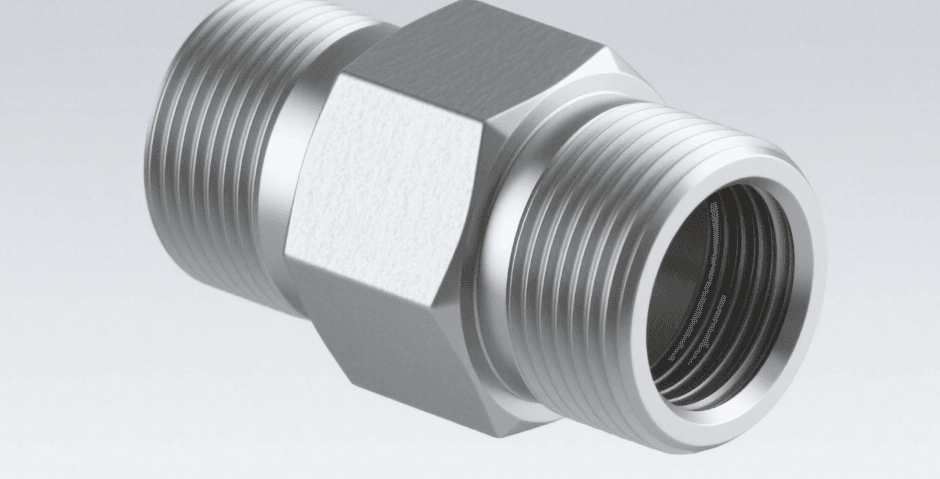
In hydraulic systems, fittings play a crucial role in connecting pipes and hoses, ensuring seamless fluid transfer and maintaining system integrity. However, choosing the right material for these fittings is essential to ensure that the system operates efficiently, safely, and durably. 316 SS hydraulic fittings are considered one of the best choices for high-pressure systems due to their outstanding resistance to corrosion and their ability to handle extreme pressures without compromising the performance of the system.
This article delves into the benefits of 316 SS hydraulic fittings, why they are favored for high-pressure applications, and how they contribute to the longevity and reliability of hydraulic systems.
The Importance of 316 SS Hydraulic Fittings in High-Pressure Systems
316 SS hydraulic fittings are a crucial component in high-pressure fluid systems due to their exceptional corrosion resistance and ability to withstand extreme operating conditions. Made from an alloy that contains molybdenum, these fittings are designed to handle environments that are harsh, including exposure to aggressive chemicals, seawater, and extreme temperatures. In high-pressure hydraulic systems, where fluids are transmitted under considerable force, it’s essential to use fittings that can prevent leaks and endure over time without losing their integrity. Any failure of these components could lead to costly system breakdowns, significant operational disruptions, and even safety hazards.
These fittings are specifically engineered for extreme durability, ensuring long-lasting performance in systems that require consistent pressure and fluid flow. For industries such as oil and gas, chemical processing, and food manufacturing, the risk of failure can be catastrophic. Therefore, selecting the right fitting is key to maintaining smooth, efficient operations.
Why 316 SS Hydraulic Fittings are Essential for High-Pressure Fluid Transfer
Hydraulic systems work on the principle of fluid transmission, which relies heavily on maintaining consistent pressure for efficiency. The 316 SS hydraulic fittings are specifically engineered to provide secure connections in high-pressure environments. Their unique material properties ensure that they can withstand extreme conditions such as high fluid pressures, aggressive chemicals, and varying temperatures without losing their integrity.
For industries like petrochemical, pharmaceutical, and mining, where failure due to poor-quality fittings can result in serious consequences, 316 SS hydraulic fittings provide the necessary security. These fittings guarantee fluid is transferred efficiently and securely, protecting the entire system from potential leaks or failures.
Key Features of 316 SS Hydraulic Fittings:
- Corrosion Resistance: Perfect for corrosive environments such as saltwater, acids, and chemicals.
- Pressure Resistance: Designed to withstand high fluid pressures without leakage or deformation.
- Temperature Tolerance: Can handle high heat and cold temperatures, making them ideal for extreme environmental conditions.
Advantages of Using 316 SS Hydraulic Fittings in High-Pressure Systems
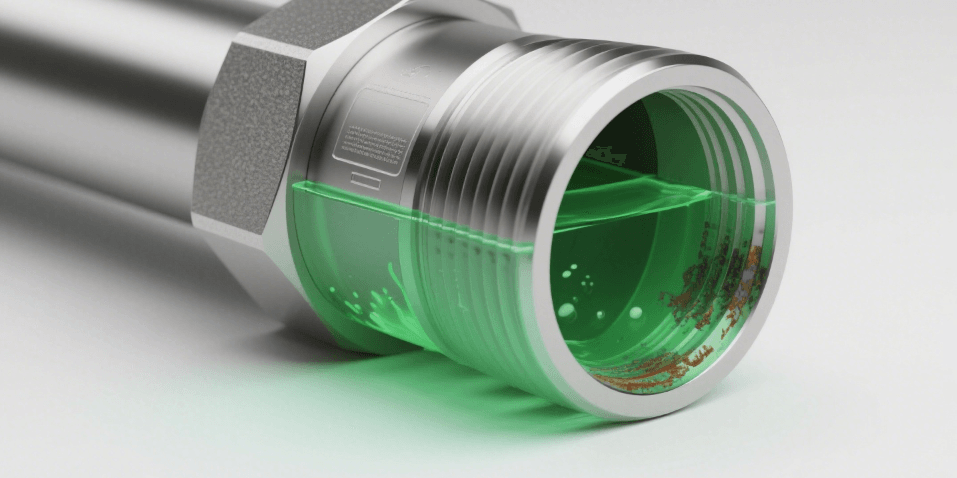
When dealing with high-pressure systems, there are several reasons to choose these fittings, especially for critical applications. Below are some notable advantages:
1. Superior Corrosion Resistance
Due to their exceptional resistance to corrosion, these fittings are ideal for environments where they are exposed to corrosive substances, including chlorides and acids. Industries such as chemical processing, offshore oil rigs, and food production depend on this property to ensure the fittings will not degrade over time. The molybdenum in the alloy makes these fittings particularly resistant to pitting and crevice corrosion, which is common in many aggressive environments.
2. Durability and Strength
The inherent strength and durability of these components make them perfect for high-pressure systems. They are designed to withstand the physical stress of fluid transmission without failing or compromising system performance. This makes them particularly valuable in industries where equipment reliability is crucial, such as heavy manufacturing, automotive production, and water treatment plants.
3. High Temperature Tolerance
Industries like pharmaceuticals and petrochemical plants often involve processes that require extreme temperature conditions. These fittings are engineered to withstand both high and low temperatures without compromising their structural integrity. Their temperature tolerance makes them suitable for environments where temperature fluctuations are common, ensuring they will continue to perform efficiently over time.
4. Long-Term Cost Efficiency
Though the initial cost of these fittings might be slightly higher compared to alternatives such as 304 SS, their long-term value is unmatched. Their durability, corrosion resistance, and minimal need for maintenance help to reduce repair and replacement costs. Over the lifetime of a system, these fittings lead to significant savings by preventing unplanned downtime and increasing the operational lifespan of the system.
Applications of 316 SS Hydraulic Fittings in High-Pressure Systems
Due to their outstanding properties, 316 SS hydraulic fittings find applications in a wide range of industries, particularly those that require high pressure for fluid transmission. Some of the most prominent applications include:
Oil & Gas Industry
In the oil and gas industry, high-pressure systems are used extensively to transport crude oil, natural gas, and other fluids through pipelines under extreme conditions. 316 SS hydraulic fittings are essential in this environment due to their resistance to corrosion, particularly when exposed to salty water and chemicals commonly found in oil exploration and refining processes.
Chemical Processing
In chemical plants, where harsh chemicals are commonly used, fittings need to resist degradation and withstand high pressures. By using these corrosion-resistant fittings, industries ensure the integrity of the system and safe fluid transfer, preventing contamination and maintaining system efficiency.
Food and Beverage Industry
The food and beverage industry requires strict hygiene standards and reliable systems to ensure safe and efficient production. 316 SS hydraulic fittings are often used in food production lines because of their resistance to corrosion and ease of cleaning. These fittings help maintain sanitary conditions while also handling the pressures necessary to run production equipment efficiently.
Pharmaceutical Industry
The pharmaceutical industry uses high-pressure systems to manufacture drugs. These systems must adhere to strict regulatory standards, and the fittings used must be able to handle high pressures without compromising product safety. 316 SS hydraulic fittings ensure that the fluid transfer process remains clean, efficient, and compliant with stringent industry standards.
Factors to Consider When Choosing 316 SS Hydraulic Fittings
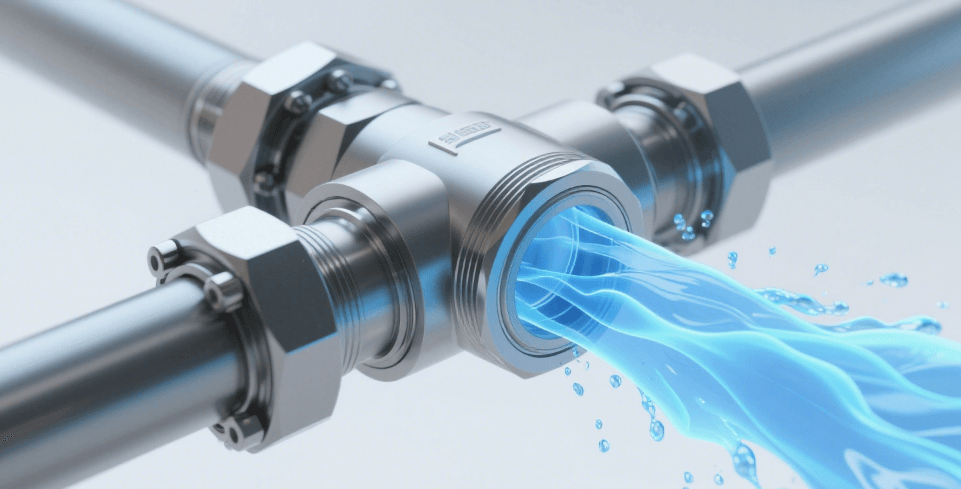
When selecting 316 SS hydraulic fittings for high-pressure applications, it’s essential to take several factors into account to ensure the best performance and compatibility with your system.
Pressure Rating
Each type of 316 SS hydraulic fitting has a specific pressure rating. It’s crucial to ensure that the selected fitting matches or exceeds the required pressure for your system. Choosing a fitting with the wrong pressure rating can result in system failures and safety hazards.
Temperature Tolerance
Consider the temperature range your system will operate in. Ensure that the 316 SS hydraulic fittings you select can withstand both the high and low temperatures involved. Fittings that cannot tolerate extreme temperatures may fail over time, affecting system performance.
Material Compatibility
The material compatibility of the fitting is crucial. 316 SS hydraulic fittings are ideal for most applications involving water-based or chemical fluids, but it’s important to ensure that the fluid being transferred will not negatively react with the stainless steel material.
316 SS Hydraulic Fittings vs. Other Materials
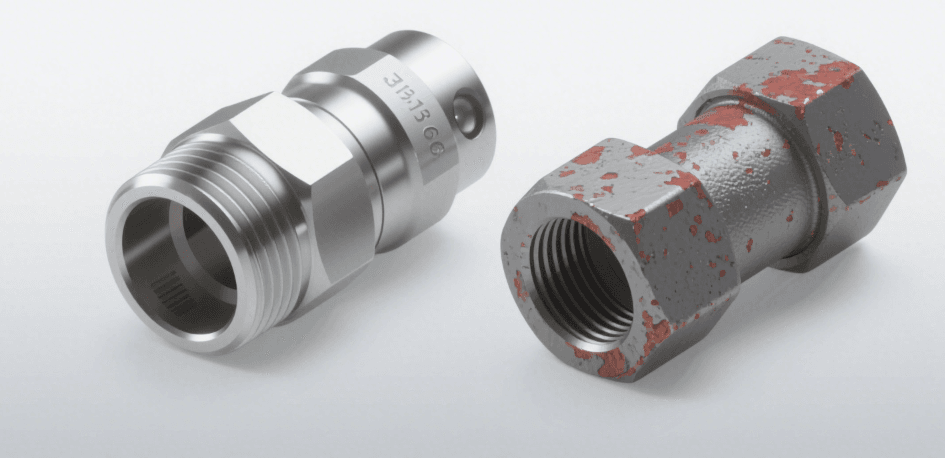
When compared to other materials like 304 SS or carbon steel, 316 SS hydraulic fittings outperform them in several key areas:
Corrosion Resistance: 316 SS hydraulic fittings offer superior resistance to corrosion, making them more suitable for industries with harsh, corrosive environments.
Pressure Handling: 316 SS fittings can handle higher pressure systems than 304 SS, which may deform or degrade under high stress.
Temperature Tolerance: 316 SS has a broader tolerance to temperature extremes compared to carbon steel, which may be prone to rust and degradation under such conditions.
The Durability and Lifespan of 316 SS Hydraulic Fittings
The 316 SS hydraulic fittings are known for their long lifespan, even in extreme conditions. Proper maintenance and timely inspections can further extend their service life. Regular checks for wear and tear can help prevent issues such as leaks or system failures.
Table: Comparison of 316 SS Hydraulic Fittings with Other Materials
| Property | 316 SS Hydraulic Fittings | 304 SS Hydraulic Fittings | Carbon Steel Fittings |
|---|---|---|---|
| Corrosion Resistance | High (Excellent in harsh environments) | Moderate (Not ideal for saltwater) | Low (Prone to rust) |
| Pressure Rating | High (Suitable for high-pressure systems) | Moderate (Lower pressure tolerance) | High (But can rust over time) |
| Temperature Tolerance | Excellent (Wide temperature range) | Good (Not suitable for extreme heat) | Moderate (Limited by temperature) |
| Durability | Very Durable (Long lifespan) | Durable (But less than 316 SS) | Less durable (Frequent replacements) |
| Maintenance Requirements | Low (Easy to maintain) | Moderate (Needs more maintenance) | High (Frequent repairs) |
Conclusion
In conclusion, 316 SS hydraulic fittings are a superior choice for high-pressure systems due to their exceptional corrosion resistance, durability, temperature tolerance, and long-term cost efficiency. Whether used in the oil and gas industry, chemical processing, or food and beverage production, these fittings offer reliable and secure connections that are essential for the smooth operation of high-pressure systems.
At Hebei Minglai Pipe Fitting Co., Ltd., we specialize in manufacturing high-quality 316 SS hydraulic fittings, designed to meet the rigorous demands of high-pressure applications. With strict quality control, durable materials, and customizable solutions, we are your trusted partner for all hydraulic fitting supply needs. Contact us today for more information and a customized quote.
FAQ
What are the key benefits of using 316 SS hydraulic fittings in high-pressure systems?
316 SS hydraulic fittings offer excellent corrosion resistance, high durability, and are ideal for high-pressure environments. They ensure leak-proof performance and long-lasting service.
Can 316 SS hydraulic fittings be used in low-pressure systems?
Yes, while 316 SS hydraulic fittings are primarily used in high-pressure applications, they can also be used in low-pressure systems where high resistance to corrosion is needed.
How do I maintain 316 SS hydraulic fittings for optimal performance?
Regular inspections and cleaning of 316 SS hydraulic fittings are essential. Ensure that fittings are properly tightened and check for any signs of corrosion or wear.
Are 316 SS hydraulic fittings cost-effective?
While 316 SS hydraulic fittings may have a higher initial cost, their durability, low maintenance, and long lifespan make them a cost-effective choice in the long run.
For more information about 316 SS hydraulic fittings and to request a personalized quote, feel free to contact Hebei Minglai Pipe Fitting Co., Ltd. today. Let us help you enhance the reliability and efficiency of your high-pressure systems!