Table of Contents
Choosing the right flange-connected pipe is a critical step in ensuring the efficiency, safety, and longevity of your piping system. Whether you’re working in industrial applications, chemical processing, or high-pressure systems, selecting the proper flange-connected pipe requires a clear understanding of types, materials, standards, and maintenance practices. This guide provides comprehensive insights and practical advice for making informed decisions.
Introduction
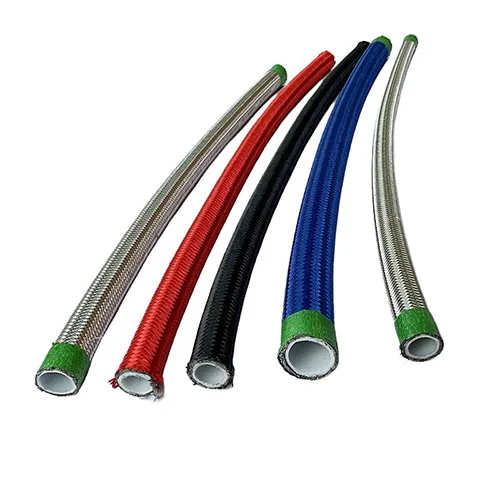
Flange-connected pipes are designed to connect securely using flanges, bolts, and gaskets. There are several types of flanged pipes, each suited for specific applications:
- Slip-on flange-connected pipe: Easy to install, ideal for moderate-pressure systems.
- Weld neck flanged pipe: Best for high-pressure and high-temperature applications, providing strong structural support.
- Socket weld flange-connected pipe: Suitable for smaller-diameter piping with moderate pressure.
- Blind flange-connected pipe: Used to close pipe ends or provide inspection access.
- Threaded flange-connected pipe: Simple installation without welding, commonly used in low-pressure systems.
Each type has specific benefits depending on system pressure, temperature, and installation requirements.
Materials Used for Flanged Pipes
The choice of material directly impacts performance, durability, and resistance to corrosion:
- Stainless steel: Corrosion-resistant and durable, suitable for chemical and food-grade systems.
- Carbon steel: Strong and cost-effective, ideal for industrial piping.
- Alloy steel: Handles high temperatures and pressures, often used in heavy industry.
- Plastic or composite materials: Lightweight and corrosion-resistant, suitable for non-high-pressure systems.
Material selection should align with the fluid type, operating conditions, and system longevity requirements.
Flange-Connected Pipe Dimensions and Standards
Flange-connected pipes are manufactured according to international standards to ensure compatibility and safety. Key considerations include:
- Nominal pipe size and flange diameter
- Pressure ratings (typically classified as PN or ANSI classes)
- Compliance with standards such as ANSI, ASME, or ISO
Selecting the correct size and pressure rating is essential to avoid leaks, mechanical stress, or premature failure.
Advantages of Using Flange-connected pipes
Flange-connected pipes offer multiple benefits over welded or threaded alternatives:
- Ease of installation and removal, which simplifies maintenance
- Suitable for high-pressure and large-diameter systems
- Flexibility to accommodate thermal expansion and contraction
- Standardized interfaces allow interchangeability of parts
These advantages make flanged pipes a preferred choice in industrial and commercial systems.
Common Problems with Flange-connected pipes
Even well-designed flange-connected pipes can encounter issues if not installed or maintained properly. Common problems include:
- Leaks due to gasket failure or improper torque
- Corrosion or wear on flange surfaces
- Bolt loosening from vibration or thermal cycling
- Misalignment causing stress and potential cracks
Preventive inspection, proper installation, and timely maintenance are key to minimizing these problems.
Installation Guide for Flanged Pipes
Correct installation ensures reliability and reduces maintenance needs. Follow these steps:
- Clean flange faces thoroughly to remove debris and corrosion.
- Select the appropriate gasket material for your fluid and pressure.
- Align flanges carefully before tightening bolts.
- Tighten bolts evenly in a crisscross pattern according to manufacturer torque specifications.
- Verify alignment and inspect for leaks after initial pressurization.
Flanged Pipe Installation Table
| Flange-Connected Pipe Type | Recommended Application | Installation Notes |
|---|---|---|
| Slip-on flange | Moderate-pressure piping | Weld inside and outside for strength |
| Weld neck flange | High-pressure, high-temperature | Ensure proper alignment and weld quality |
| Socket weld flange | Small-diameter, moderate pressure | Use correct pipe insertion depth |
| Blind flange | Closing pipe ends | Use compatible gasket thickness |
| Threaded flange | Low-pressure, temporary systems | Hand-tighten and check torque |
This table provides a quick reference to match flanged pipe types with applications and installation practices.
Maintenance Tips for Long-Lasting Flanged Pipes
Proper maintenance extends the lifespan of flange-connected pipe and prevents costly downtime:
- Inspect for corrosion, rust, or gasket wear regularly.
- Check bolt torque periodically and retighten if necessary.
- Replace damaged or worn gaskets immediately to prevent leaks.
- Clean flange surfaces to maintain a proper seal.
- Record maintenance activities to track system performance over time.
Flanged Pipe vs Threaded and Welded Pipes
Understanding alternatives helps in choosing the right pipe for your system:
- Threaded pipes are easier to install but less suitable for high-pressure systems.
- Welded pipes provide permanent joints, ideal for very high pressures or temperatures, but are difficult to disassemble.
- Flanged pipes strike a balance by offering strong, reliable joints with easier maintenance and replacement.
How to Choose the Right Flanged Pipe for Your System
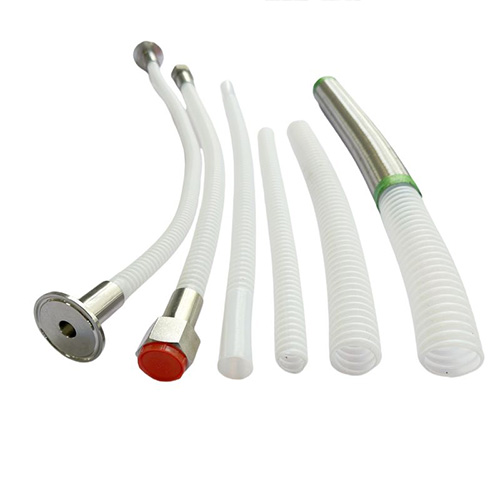
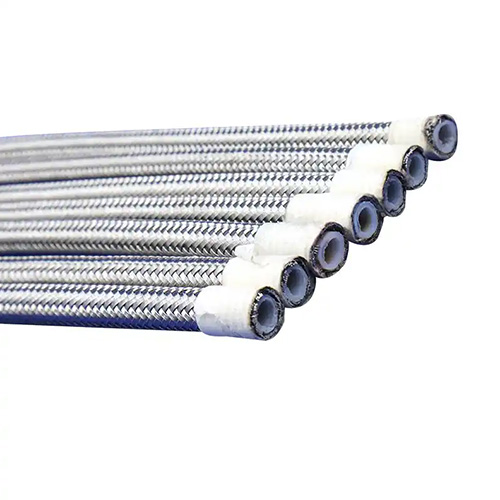
When selecting a flange-connected pipe, consider:
- System pressure, temperature, and fluid type
- Compatibility with existing piping and fittings
- Installation constraints and ease of maintenance
- Cost-effectiveness and projected lifespan
Using these criteria, you can select a flange-connected pipe that optimizes safety, reliability, and efficiency for your system.
Conclusion
Choosing the right flange-connected pipe is more than just selecting a type or material—it involves understanding system requirements, proper installation, and ongoing maintenance. By following best practices, you can ensure leak-free, long-lasting connections that keep your piping system safe and efficient.
FAQ
What is a flanged pipe?
A flanged pipe is a pipe joined using flanges, bolts, and gaskets to create a secure, leak-resistant connection. This design allows easy assembly, disassembly, and maintenance in industrial, chemical, and high-pressure systems.
What types of flanged pipes are available?
Common types include slip-on flange, weld neck flange, socket weld flange, blind flange, and threaded flange. Each type serves different pressure, temperature, and installation requirements.
How do I install a flanged pipe correctly?
Align flanges carefully, select the right gasket, and tighten bolts evenly in a crisscross pattern to the manufacturer’s torque specifications. Proper installation prevents leaks, stress, and flange damage.
Why is my flanged pipe leaking?
Leaks usually occur due to gasket failure, misaligned flanges, uneven bolt torque, or corrosion. Inspecting and replacing worn gaskets and checking bolt tightness regularly can prevent these issues.
How do I maintain a flanged pipe for long-term use?
Regularly inspect for corrosion, check bolt torque, replace worn gaskets, and clean flange surfaces. Proper maintenance ensures leak-free connections and prolongs the pipe’s service life.
Need Help Choosing the Right Flanged Pipe?
If you’re unsure about which flange-connected pipe is best for your system or application, our experts are here to help. Contact us today for a personalized consultation, and ensure your piping system is safe, reliable, and leak-free. Don’t wait until issues arise—get in touch now to protect your equipment and operations!