Table of Contents
Flanges and fittings are essential components in any piping system, whether for industrial, commercial, or residential applications. They ensure that pipes, valves, and equipment are securely connected, allowing fluid to flow efficiently while preventing leaks. Choosing the right flanges and fittings is crucial for system reliability, safety, and long-term performance. In this article, we will explore the types, materials, installation methods, maintenance, and troubleshooting strategies for flanges and fittings to help you make informed decisions.
Introduction
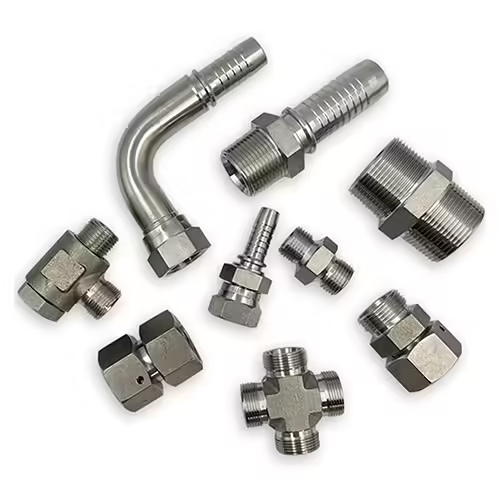
A flange is a mechanical component used to connect pipes, valves, pumps, and other equipment to form a sealed system. Fittings, on the other hand, are connectors that allow changes in direction, branching, or resizing of pipes. Together, flanges and fittings provide the flexibility, safety, and durability needed in piping systems. According to a report by the Fluid Power Research Institute, over 60% of piping system failures are caused by improperly selected or installed connectors, highlighting the importance of understanding these components.
Types of Flanges
Flanges come in various designs tailored for different applications:
- Weld Neck Flange: Ideal for high-pressure and high-temperature systems due to its reinforced neck.
- Slip-On Flange: Easy to install, suitable for medium-pressure pipelines.
- Blind Flange: Used to close the ends of a pipeline or vessel.
- Socket Weld Flange: Offers a smooth bore and strong weld connection.
- Lap Joint Flange: Paired with a stub end, suitable for systems requiring frequent dismantling.
Each type has unique advantages and limitations, making it critical to match the flange to system requirements.
Types of Fittings
Fittings allow pipelines to change direction, split, or connect different diameters. Common types include:
- Elbows: Redirect flow, available in 45° and 90° angles.
- Tees: Branch one pipeline into two, ideal for distribution.
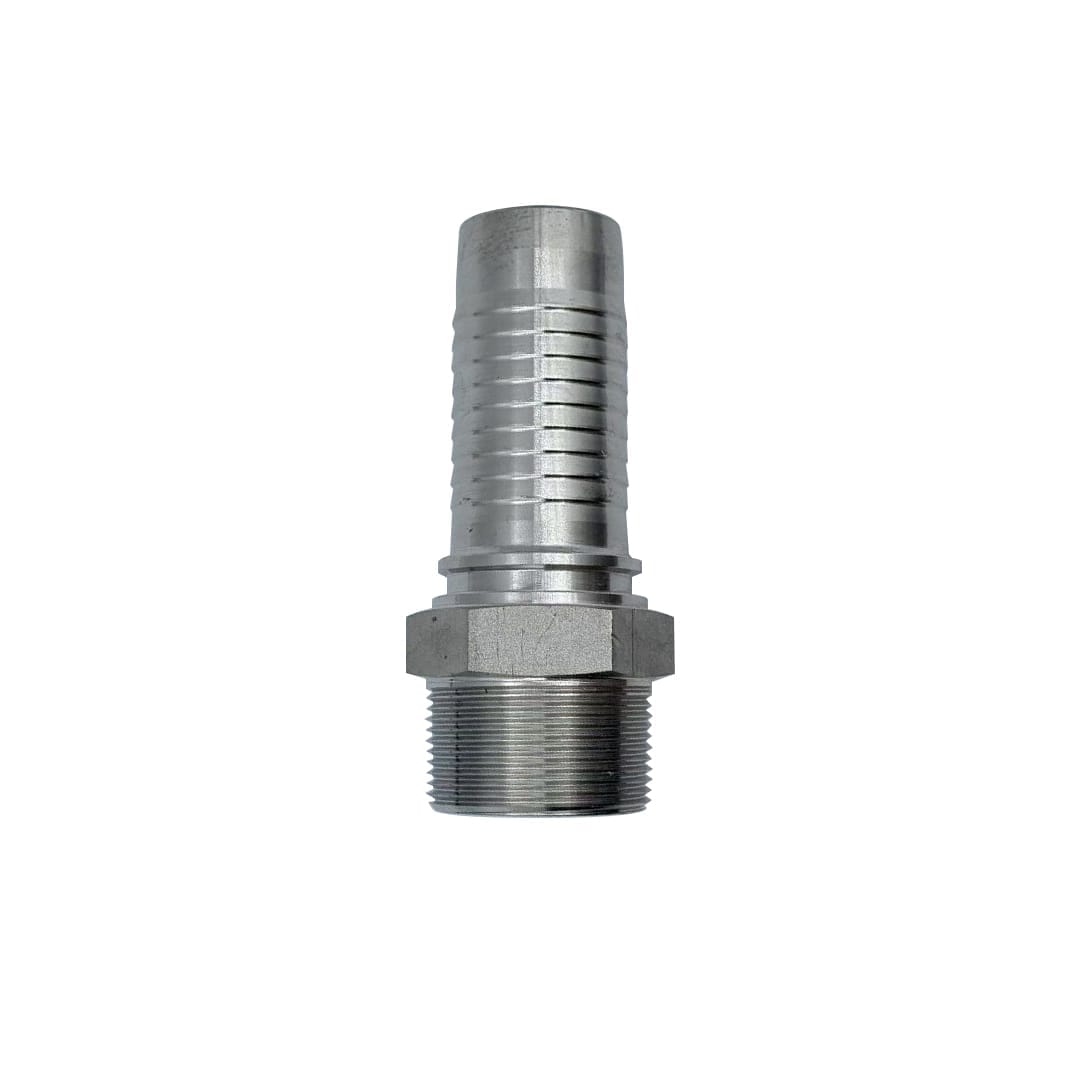
- Reducers: Connect pipes of different diameters.
- Couplings/Unions: Facilitate quick connection or disconnection.
Selecting the correct fitting type improves fluid efficiency, reduces turbulence, and minimizes maintenance needs.
Materials Used in Flanges and Fittings
The choice of material depends on pressure, fluid type, temperature, and environmental conditions. Common materials include:
- Carbon Steel: Strong and durable, often used for high-pressure pipelines.
- Stainless Steel: Corrosion-resistant, ideal for chemical and food processing systems.
- Brass: Lightweight and resistant to corrosion in potable water systems.
- PVC: Affordable and easy to install for low-pressure applications.
Research from the International Piping Materials Association shows that selecting materials compatible with the fluid and operating conditions can extend the system lifespan by 20–30%.
Standards and Specifications
Flanges and fittings must meet industry standards to ensure safety and compatibility. Common standards include ANSI, ASME, DIN, and ISO. These standards define dimensions, pressure ratings, and material requirements. Always verify that components comply with applicable standards to prevent leaks, failures, and potential safety hazards.
Installation Tips
Correct installation is critical for maintaining a leak-free system:
- Align pipes and flanges carefully before bolting.
- Use the correct gasket material and thickness for the application.
- Torque bolts evenly in a cross pattern to avoid warping.
- Inspect threads and sealing surfaces before assembly.
Proper installation reduces the likelihood of leaks, corrosion, and premature wear.
Maintenance and Inspection
Regular inspection and maintenance are vital:
- Check for signs of corrosion, leaks, or mechanical damage.
- Clean surfaces and remove debris that could compromise seals.
- Replace worn gaskets, seals, or fittings immediately.
- Periodically re-torque bolts according to manufacturer specifications.
Proactive maintenance can prevent costly downtime and extend component lifespan.
Common Problems and Troubleshooting
Common issues include:
- Leaks caused by misaligned flanges or degraded gaskets
- Corrosion from incompatible materials or aggressive fluids
- Thread damage due to improper installation
- Warping or cracks from excessive torque or thermal expansion
Addressing these problems promptly ensures system reliability and safety.
Comparison Table of Flanges and Fittings
| Component Type | Typical Application | Material Options | Key Advantages |
|---|---|---|---|
| Weld Neck Flange | High-pressure pipelines | Carbon/Stainless Steel | Strength, durability, leak-proof |
| Slip-On Flange | Medium-pressure systems | Carbon/Stainless Steel | Easy installation |
| Elbow Fitting | Direction changes in piping | Carbon/Brass/Alloy | Flow redirection |
| Tee Fitting | Branching pipelines | Stainless/Carbon Steel | Versatile connections |
| Coupling/Union | Hose or pipe connection | Stainless/Brass | Quick assembly/disassembly |
How to Choose the Right Flanges and Fittings
When selecting flanges and fittings, consider:
- System pressure and temperature
- Fluid type and chemical compatibility
- Material strength and corrosion resistance
- Ease of installation and maintenance
- Compliance with applicable industry standards
Balancing these factors ensures a reliable, leak-free piping system that performs optimally over time.
Conclusion
Understanding flanges and fittings, their types, materials, and installation requirements is essential for building a durable and efficient piping system. Proper selection, installation, and maintenance prevent leaks, corrosion, and system failures, ensuring long-term reliability and safety. With the right knowledge and practices, you can optimize your piping system’s performance while minimizing maintenance costs and downtime.
FAQ
What are flanges and fittings used for?
Flanges and fittings are essential components in piping systems, connecting pipes, valves, and equipment securely. They ensure fluid flows efficiently while preventing leaks. Proper selection of materials and types is crucial for long-term system performance and safety.
How do I choose the right flanges and fittings for my system?
Select flanges and fittings based on pipe size, system pressure, fluid type, and environmental conditions. Check industry standards like ANSI or ASME, and choose materials compatible with your fluid and temperature requirements to ensure durability and leak-free performance.
What materials are commonly used for flanges and fittings?
Common materials include carbon steel, stainless steel, brass, and PVC. Carbon steel is strong and ideal for high-pressure systems, stainless steel resists corrosion, brass works well for potable water, and PVC is cost-effective for low-pressure applications. Material choice impacts longevity and system reliability.
How can I prevent leaks in flanges and fittings?
Prevent leaks by installing components correctly, using the right gaskets or seals, and tightening bolts evenly. Regular inspection for corrosion, wear, and damage is essential. Replace worn or damaged parts immediately to maintain a secure, leak-free piping system.
What are common problems with flanges and fittings?
Common issues include leaks, corrosion, thread damage, warped flanges, and gasket failures. Most problems arise from improper installation, incompatible materials, or insufficient maintenance. Regular checks and adherence to proper installation practices minimize these risks and extend component lifespan.
Need Help Choosing the Right Flanges and Fittings?
If you’re unsure which flanges and fittings are best for your piping system, our experts are here to help. Contact us today for a personalized consultation, and ensure your system is safe, reliable, and leak-free. Don’t wait until downtime occurs—get in touch now to protect your operations and equipment!