Table of Contents
Hidraulic hose plays a critical role in fluid power systems, enabling the safe and efficient transfer of hydraulic fluid under high pressure. From industrial machinery to mobile equipment, selecting the right hidraulic hose ensures system reliability, minimizes downtime, and improves operational safety. In this guide, you will learn about types, materials, installation, maintenance, and troubleshooting strategies to maximize performance and longevity.
Introduction
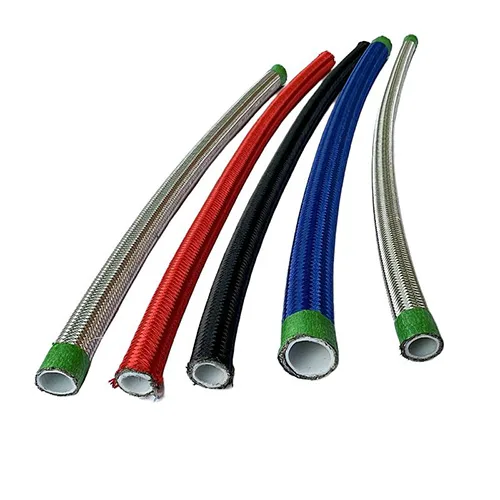
A fluid power hose is a flexible reinforced tube designed to carry hydraulic fluid between components such as pumps, valves, and actuators. It must withstand high pressure, temperature variations, and mechanical stress. According to data from the Fluid Power Industry Report, hose failures contribute to nearly 35% of hydraulic system downtime, often due to improper selection or maintenance.
Types of Hidraulic Hose
Different applications require different hose constructions:
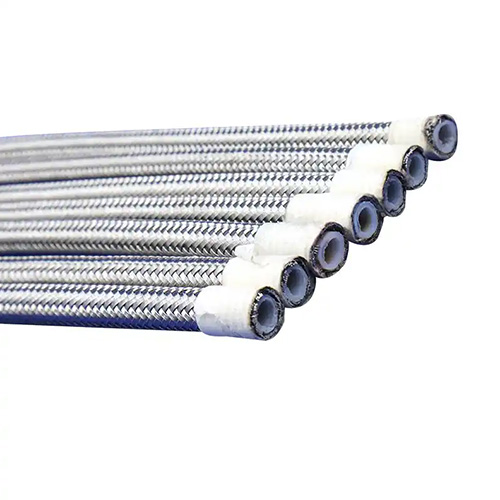
- Braided hydraulic hose: Reinforced with steel wire braid, suitable for medium-pressure systems
- Spiral hydraulic hose: Designed for high-pressure applications with multiple reinforcement layers
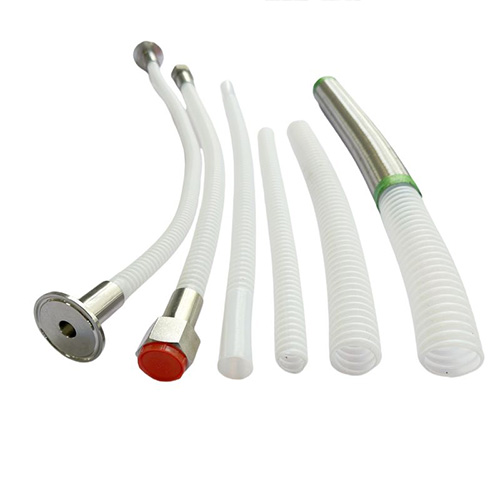
- Thermoplastic hose: Lightweight and flexible, often used in specialized environments
- Rubber hydraulic hose: Common in general-purpose industrial systems
Each type is engineered to meet specific pressure, flexibility, and durability requirements.
Materials Used in Hidraulic Hose
Material selection determines performance and lifespan:
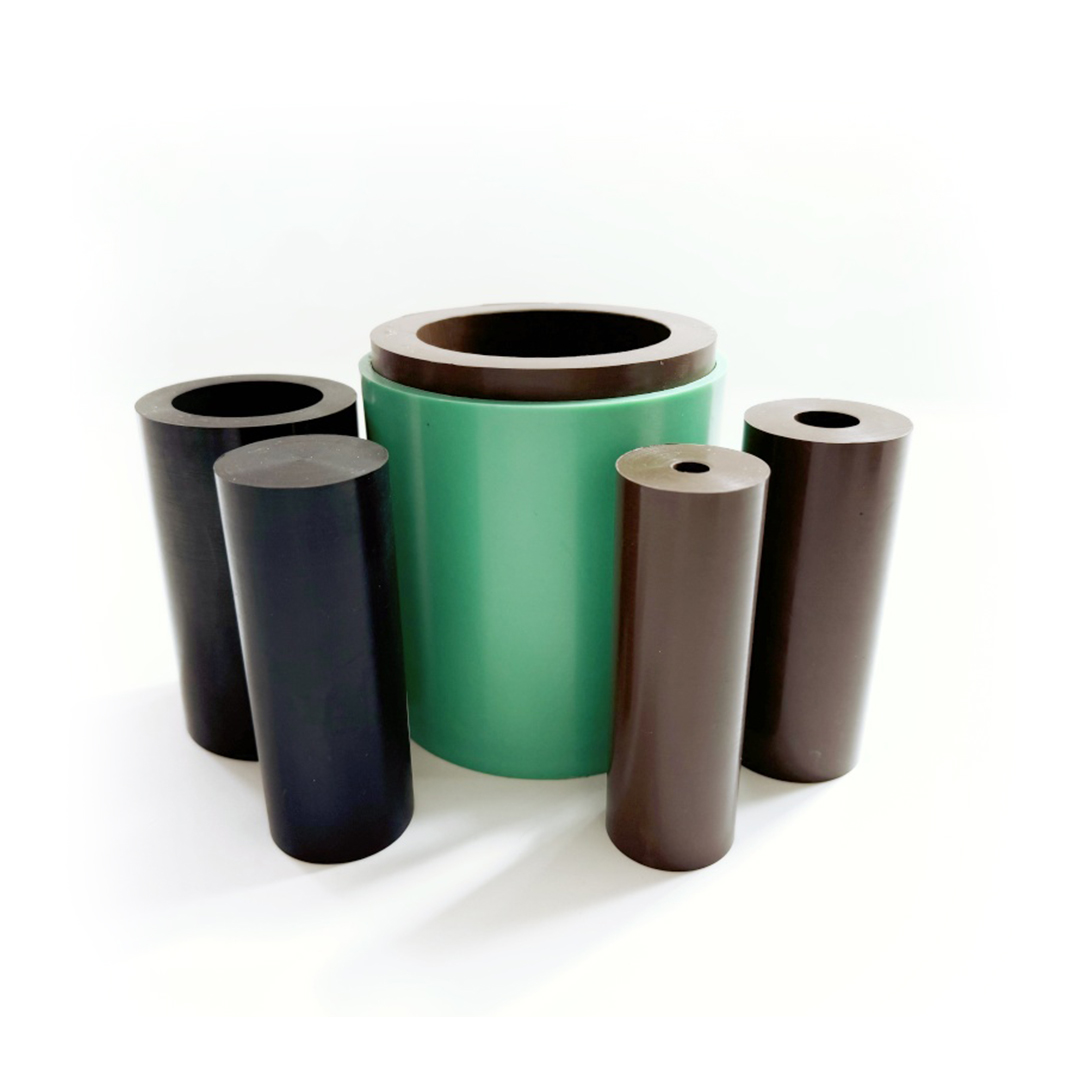
- Synthetic rubber: Offers flexibility and resistance to abrasion
- Thermoplastics: Provide chemical resistance and lightweight properties
- Steel wire reinforcement: Enhances pressure resistance
- Textile reinforcement: Used for low-pressure applications
Choosing compatible materials reduces wear and improves system efficiency.
Standards and Specifications
Fluid power hoses must meet recognized standards such as SAE, ISO, and EN. These standards define pressure ratings, dimensions, and performance requirements. Ensuring compliance guarantees safety and compatibility across system components.
Installation Tips
Proper installation is essential to prevent premature failure:
- Avoid twisting the hose during installation
- Maintain proper bend radius to prevent kinking
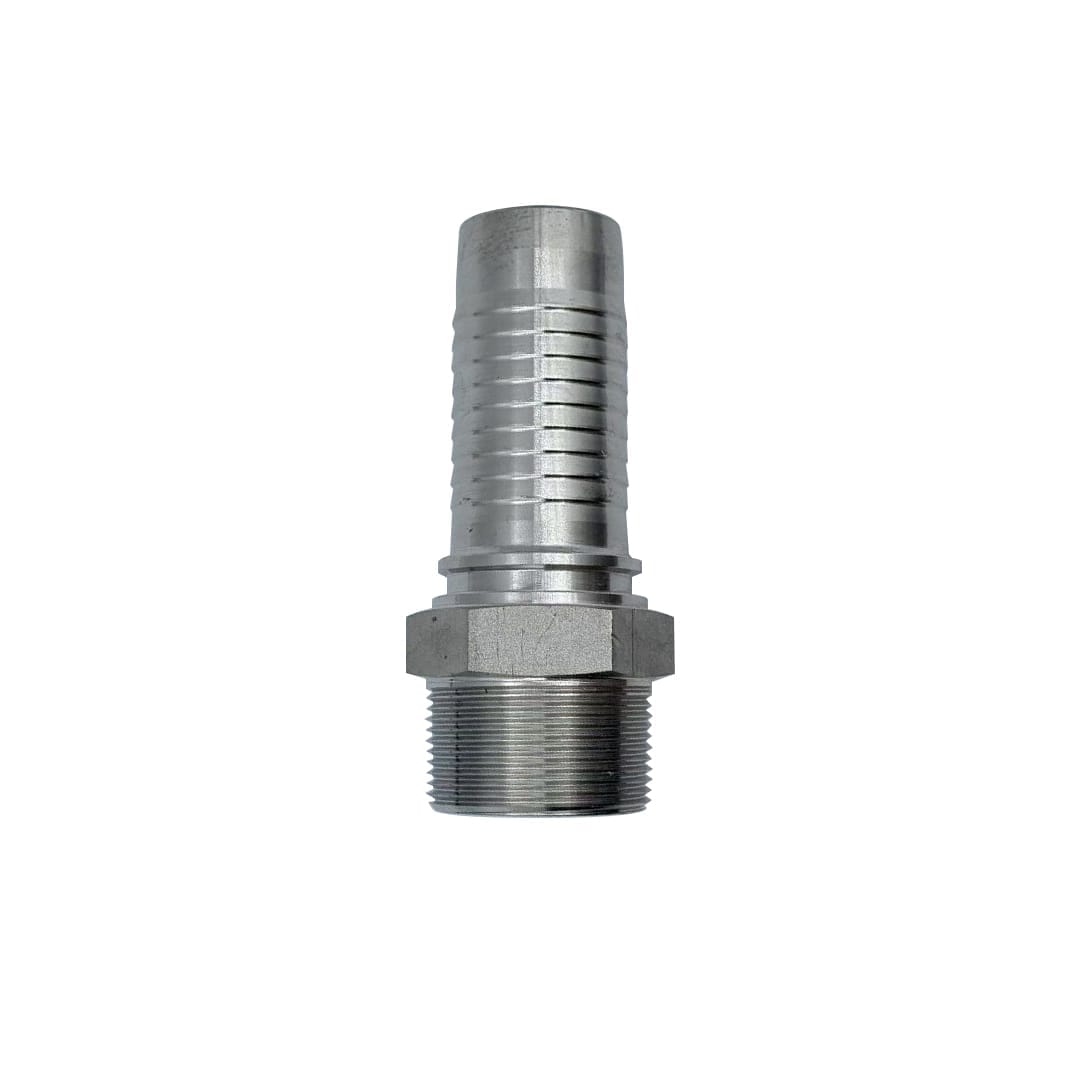
- Use correct fittings and secure connections
- Route hoses away from heat sources and sharp edges
- Check alignment to reduce stress on connections
Correct installation can significantly extend hose lifespan.
Maintenance and Inspection
Routine maintenance helps prevent costly failures:
- Inspect hoses for cracks, leaks, or abrasion
- Check fittings for tightness and wear
- Replace damaged hoses immediately
- Clean hoses to remove contaminants
- Monitor system pressure and temperature
Regular inspection can reduce unexpected downtime and improve safety.
Common Problems and Troubleshooting
Typical issues with fluid power hose include:
- Leaks caused by worn seals or improper fittings
- Bursting due to excessive pressure
- Abrasion damage from friction against surfaces
- Kinking from improper routing
Identifying root causes early helps prevent system failure.
Comparison Table of Hidraulic Hose Types
| Hose Type | Pressure Capacity | Flexibility | Typical Application |
|---|---|---|---|
| Braided Hose | Medium | High | General industrial systems |
| Spiral Hose | Very High | Medium | Heavy-duty machinery |
| Thermoplastic Hose | Medium | Very High | Specialized environments |
| Rubber Hose | Low to Medium | High | General-purpose use |
How to Choose the Right Hidraulic Hose
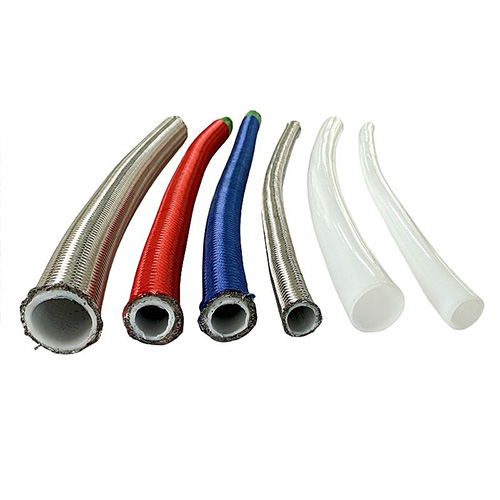
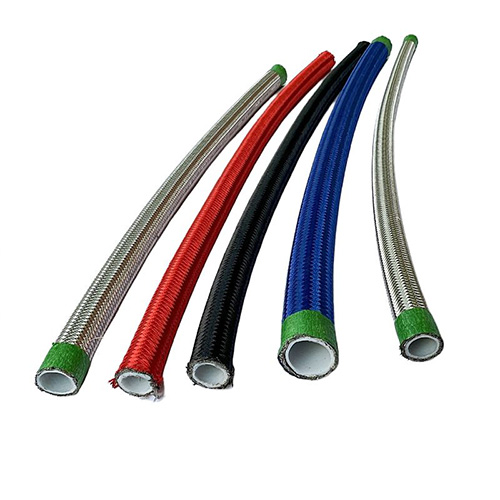
When selecting a fluid power hose, consider:
- Operating pressure and temperature
- Fluid type and compatibility
- Required flexibility and bend radius
- Environmental conditions such as abrasion or chemicals
- Compliance with industry standards
Selecting the right hose ensures safe and efficient system operation.
Conclusion
Hidraulic hose is a vital component in any hydraulic system. Understanding the different types, materials, and installation practices allows you to reduce failures, improve efficiency, and extend system lifespan. Proper maintenance and correct selection are key to achieving reliable, long-term performance.
FAQ
What is a hidraulic hose used for?
A fluid power hose is used to transfer hydraulic fluid between components in a system, ensuring efficient power transmission and reliable operation under pressure.
How do I choose the right hidraulic hose?
Consider pressure rating, fluid type, temperature, and flexibility. Proper compatibility ensures safe and long-lasting performance.
What materials are used in hidraulic hose?
Common materials include synthetic rubber, thermoplastics, and steel wire reinforcement, chosen based on application needs.
How can I prevent hose failure?
Install correctly, avoid excessive bending, inspect regularly, and replace worn hoses promptly to maintain system reliability.
What are common problems with hidraulic hose?
Leaks, bursting, abrasion, and kinking are common issues, often caused by improper installation or excessive pressure.
Need Help Choosing the Right Hidraulic Hose?
If you’re unsure which hidraulic hose is best for your system, our experts are here to help. Contact us today for a personalized consultation, and ensure your hydraulic system is safe, reliable, and built for long-term performance. Don’t wait until failure occurs—get in touch now to protect your equipment and operations!