Table of Contents
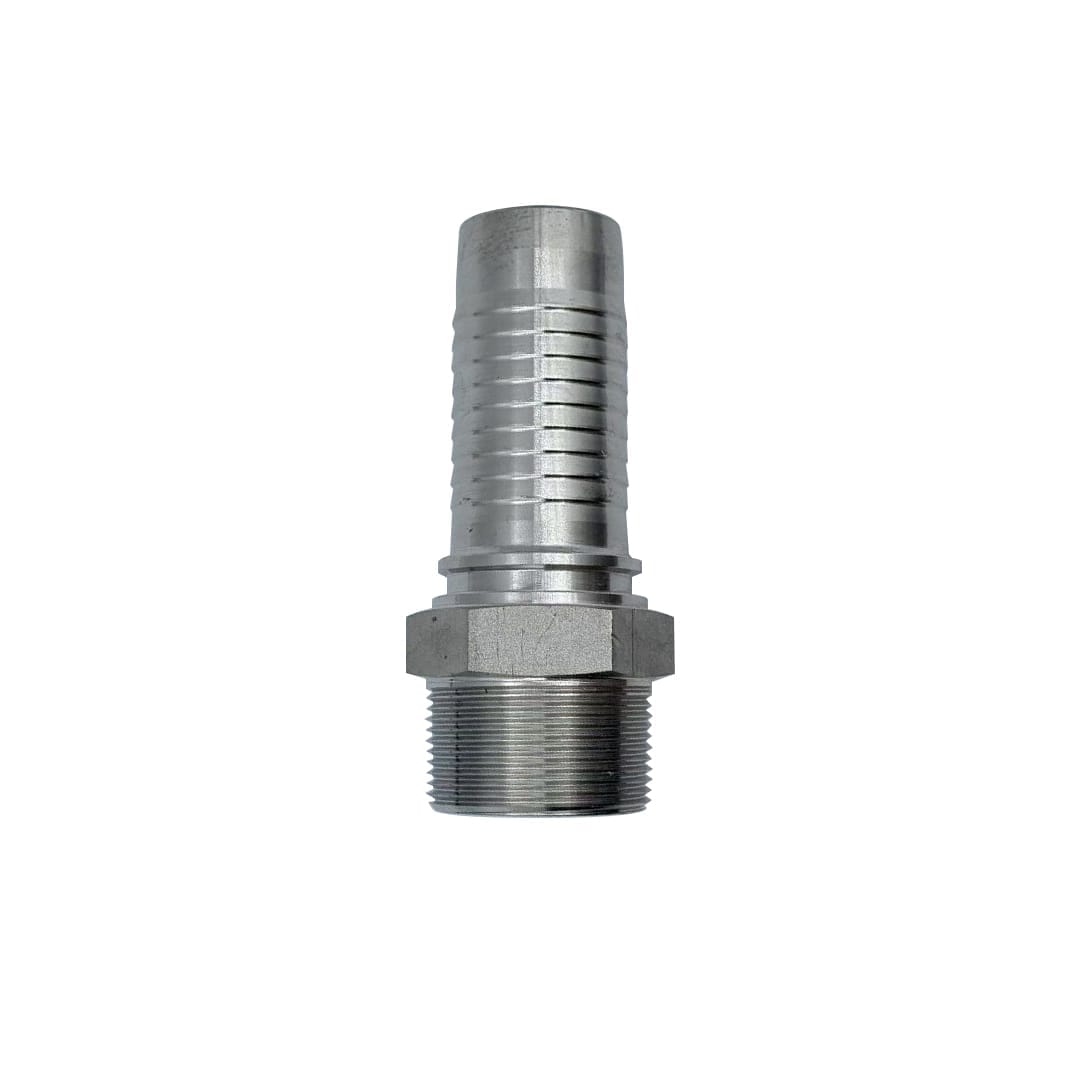
A hose coupling connector is a vital component in fluid transfer systems, designed to securely connect hoses to equipment, pipes, or other hoses. Whether used in industrial, agricultural, or mechanical applications, the right hose coupling connector ensures efficient flow, prevents leaks, and enhances system reliability. Understanding how these connectors work and how to choose the right one can significantly improve performance and reduce maintenance costs.
Introduction
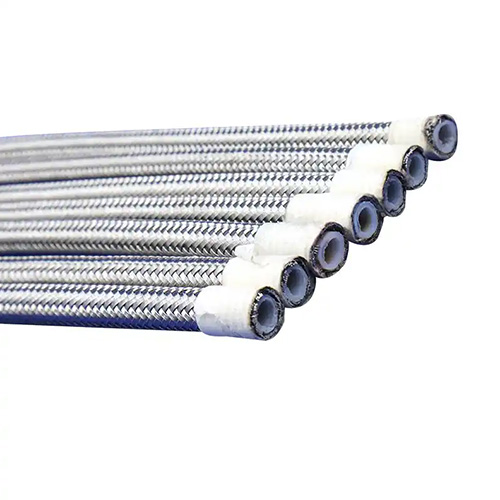
A hose coupling connector is a mechanical device used to join hoses or connect hoses to other system components. It allows for quick assembly and disassembly while maintaining a tight seal. According to industry reports from fluid system associations, improper coupling selection accounts for nearly 25% of leakage-related failures, highlighting the importance of correct selection and installation.
Types of Hose Coupling Connector
Different types of hose coupling connectors are designed for specific applications:
- Camlock couplings: Quick-connect fittings commonly used in industrial and agricultural systems
- Threaded couplings: Provide secure connections for high-pressure applications
- Quick disconnect couplings: Allow fast connection and disconnection without tools
- Push-to-connect couplings: Simple installation, widely used in low-pressure systems
- Compression couplings: Ensure tight sealing through mechanical compression
Each type offers unique advantages depending on pressure, fluid type, and application requirements.
Materials Used in Hose Coupling Connector
Material selection is critical for durability and compatibility:
- Stainless steel: Excellent corrosion resistance for harsh environments
- Brass: Durable and suitable for water and low-pressure systems
- Aluminum: Lightweight and cost-effective
- Plastic (PVC/Nylon): Ideal for lightweight and chemical-resistant applications
Choosing the correct material ensures long-term performance and reduces maintenance needs.
Standards and Specifications
Hose coupling connectors are manufactured according to standards such as ISO, ANSI, and DIN, which define dimensions, pressure ratings, and compatibility. Ensuring compliance with these standards is essential for safety and system efficiency.
Installation Tips
Proper installation is essential for leak-free operation:
- Ensure hose ends are clean and properly cut
- Select the correct coupling size and type
- Secure connections tightly without over-tightening
- Check alignment to avoid stress on the connector
- Test the system under pressure before full operation
Following these steps helps prevent leaks and prolongs connector life.
Maintenance and Inspection
Regular maintenance improves system reliability:
- Inspect connectors for wear, corrosion, or damage
- Clean couplings to remove debris and contaminants
- Replace worn seals or gaskets promptly
- Check tightness and re-secure connections if necessary
Routine inspection reduces downtime and ensures safe operation.
Common Problems and Troubleshooting
Common issues include:
- Leaks caused by worn seals or improper installation
- Corrosion due to incompatible materials or harsh environments
- Loose connections from vibration or pressure changes
- Cracks or damage caused by mechanical stress
Identifying and resolving these problems early prevents system failures.
Comparison Table of Hose Coupling Connector Types
| Coupling Type | Pressure Level | Ease of Use | Typical Application |
|---|---|---|---|
| Camlock Coupling | Medium | Very Easy | Industrial fluid transfer |
| Threaded Coupling | High | Moderate | High-pressure systems |
| Quick Disconnect | Medium | Easy | Equipment requiring frequent use |
| Push-to-Connect | Low | Very Easy | Pneumatic systems |
| Compression Coupling | Medium | Moderate | General piping systems |
How to Choose the Right Hose Coupling Connector
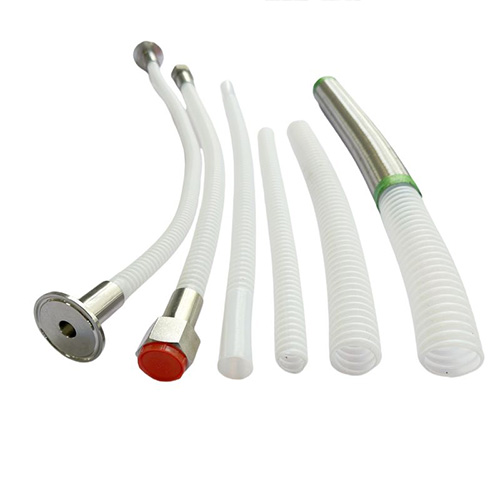
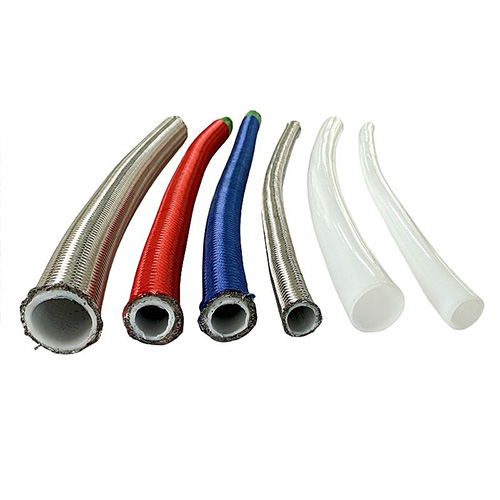
When selecting a hose coupling connector, consider:
- System pressure and temperature
- Type of fluid or gas being transferred
- Hose size and compatibility
- Material resistance to corrosion and wear
- Ease of installation and maintenance
Choosing the right connector ensures efficiency, safety, and durability.
Conclusion
A hose coupling connector is essential for maintaining secure and efficient fluid transfer systems. By understanding the types, materials, installation methods, and maintenance practices, you can significantly improve system performance and reduce operational risks. Proper selection and care ensure long-term reliability and cost savings.
FAQ
What is a hose coupling connector used for?
A hose coupling connector is used to join hoses to equipment, pipelines, or other hoses, creating a secure and reliable pathway for fluid or gas transfer. It plays a key role in maintaining system efficiency by preventing leaks and ensuring consistent flow. These connectors are widely used in industrial, agricultural, and mechanical systems where quick assembly, durability, and safety are essential for daily operations.
How do I choose the right hose coupling connector?
Choosing the right hose coupling connector requires evaluating several factors, including system pressure, fluid or gas type, hose diameter, and environmental conditions. Material compatibility is crucial to prevent corrosion or degradation. You should also consider connection type, ease of installation, and compliance with industry standards to ensure long-term performance, safety, and efficient operation of the system.
What materials are commonly used?
Common materials for hose coupling connectors include stainless steel, brass, aluminum, and plastic. Stainless steel offers excellent corrosion resistance and strength for demanding environments. Brass is durable and suitable for water systems, aluminum is lightweight and cost-effective, while plastic options provide chemical resistance and flexibility. The right material depends on pressure levels, fluid type, and operating conditions.
How can I prevent leaks?
Preventing leaks starts with proper installation and selecting the correct connector type and size. Always use appropriate seals, gaskets, or O-rings, and ensure connections are tightened according to manufacturer recommendations. Regular inspections are essential to detect wear, corrosion, or damage early. Replacing worn components promptly helps maintain a secure, leak-free connection and ensures system reliability over time.
What are common problems?
Common problems with hose coupling connectors include leaks, corrosion, loose connections, and mechanical damage. These issues are often caused by improper installation, incompatible materials, excessive pressure, or environmental stress. Regular maintenance, correct installation practices, and proper material selection can significantly reduce these risks and extend the lifespan of the connectors and the entire system.
Need Help Choosing the Right Hose Coupling Connector?
If you’re unsure which hose coupling connector is best for your system, our experts are here to help. Contact us today for a personalized consultation, and ensure your fluid transfer system is safe, reliable, and leak-free. Don’t wait until failures occur—get in touch now to protect your operations and equipment!