Table of Contents
304 stainless steel is one of the most widely used stainless steel grades across multiple industries due to its excellent combination of mechanical strength, corrosion resistance, and versatility. Whether you are an engineer, manufacturer, or buyer, understanding the properties of stainless steel 304 is critical for selecting the right material for your project. This article explores its composition, performance characteristics, applications, and maintenance considerations to give you a comprehensive understanding.
Introduction

stainless steel 304 is an austenitic stainless steel primarily composed of chromium (Cr) and nickel (Ni). Its typical composition includes 18–20% chromium and 8–10.5% nickel, along with small amounts of carbon, manganese, and silicon. Developed for its durability and resistance to corrosion, 304 stainless steel has become a go-to material for applications ranging from kitchen equipment to industrial machinery. Its popularity stems from its ability to maintain structural integrity under challenging environmental conditions.
Chemical Composition of 304 Stainless Steel
The chemical composition of stainless steel 304 is fundamental to its performance. Chromium forms a protective oxide layer on the surface, providing corrosion resistance, while nickel enhances ductility and toughness. Minor elements such as manganese and silicon improve strength and oxidation resistance.
A typical composition breakdown is as follows:
- Chromium: 18–20%
- Nickel: 8–10.5%
- Carbon: ≤0.08%
- Manganese: ≤2%
- Silicon: ≤1%
- Phosphorus: ≤0.045%
- Sulfur: ≤0.03%
This precise balance ensures stainless steel 304 is resistant to rust, stains, and many corrosive chemicals, making it suitable for food-grade and industrial applications.
Mechanical Properties of 304 Stainless Steel
stainless steel 304 exhibits impressive mechanical properties that make it ideal for a wide range of structural and manufacturing needs. It offers a combination of strength, ductility, and toughness. Below is a comparison with 316 stainless steel, another commonly used grade:
| Property | 304 Stainless Steel | 316 Stainless Steel |
|---|---|---|
| Tensile Strength (MPa) | 515 | 580 |
| Yield Strength (MPa) | 205 | 290 |
| Hardness (HRB) | 70–90 | 80–95 |
| Elongation (%) | 40 | 40 |
| Corrosion Resistance | High | Very High |
This table demonstrates that while 316 may offer slightly higher corrosion resistance, 304 provides excellent overall performance for most industrial and domestic applications.
Corrosion Resistance of 304 Stainless Steel
One of the standout features of stainless steel 304 is its corrosion resistance. The combination of chromium and nickel enables it to withstand moisture, many acids, and oxidizing environments. It performs exceptionally well in indoor and outdoor applications where exposure to water, cleaning agents, or mild chemicals is frequent. However, it is not ideal for highly saline or chloride-rich environments, where 316 stainless steel may perform better. Studies by materials engineering sources confirm that 304 stainless steel maintains integrity in environments with pH levels ranging from 4 to 9, providing long-lasting durability.
Thermal Properties
stainless steel 304 has favorable thermal properties, including good heat resistance and moderate thermal conductivity. It can be used continuously at temperatures up to 870°C and intermittently up to 925°C. Its coefficient of thermal expansion allows it to tolerate temperature fluctuations without warping, making it suitable for kitchen appliances, industrial ovens, and heat exchangers.
Fabrication and Workability
Fabricating stainless steel 304 is relatively straightforward due to its austenitic structure. It can be welded, cut, bent, and formed without losing strength. Common welding techniques include TIG, MIG, and resistance welding. For cutting and machining, carbide tools and slower feed rates are recommended to reduce wear. Surface finishing options such as polishing, bead blasting, or passivation enhance both aesthetics and corrosion resistance.
Applications of 304 Stainless Steel
The versatility of stainless steel 304 is reflected in its wide range of applications:
- Food and Beverage Industry: countertops, sinks, and processing equipment
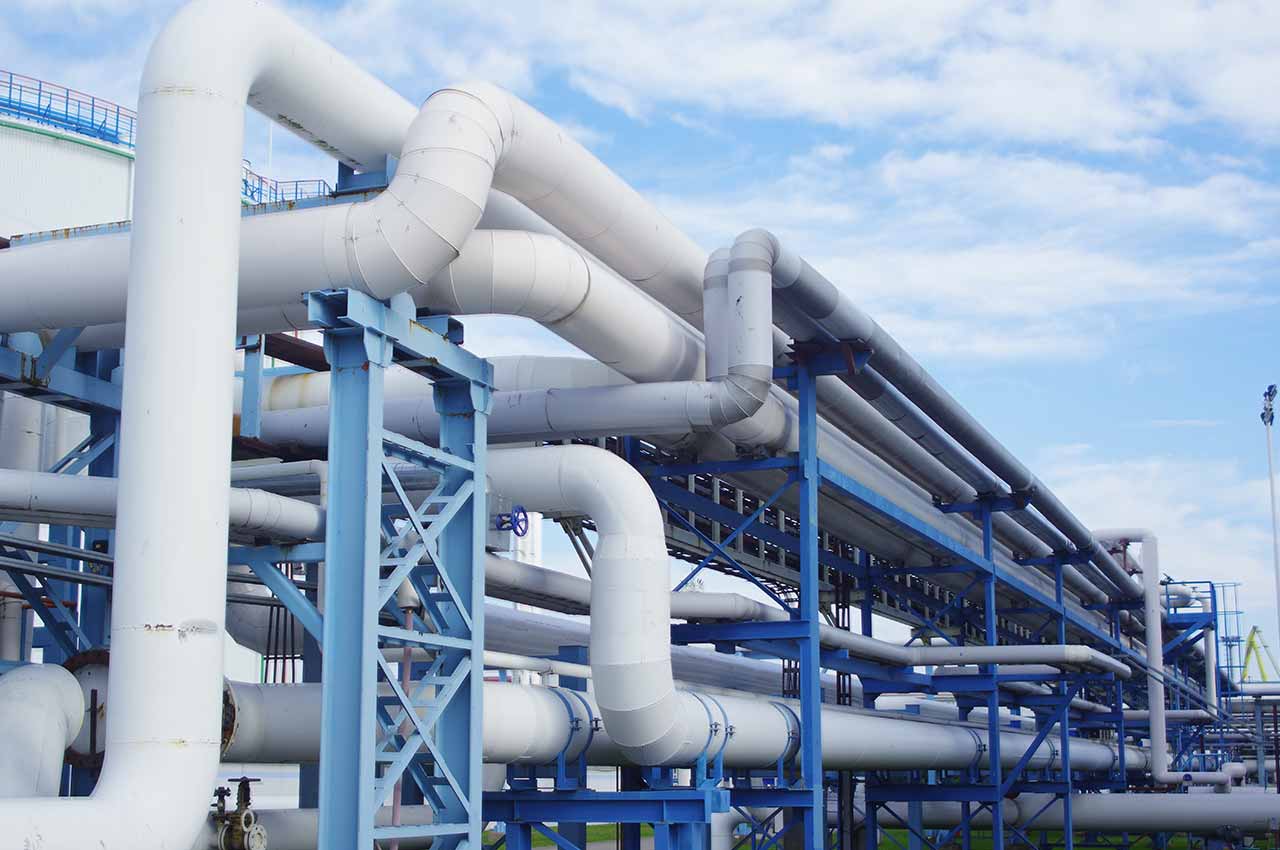
- Chemical Industry: storage tanks and piping
- Construction: handrails, architectural panels, and roofing
- Transportation: vehicle parts, exhaust systems
- Household Appliances: refrigerators, ovens, and dishwashers
Its combination of strength, corrosion resistance, and aesthetic appeal makes it a reliable choice across sectors.
Maintenance and Cleaning
Maintaining 304 stainless steel involves regular cleaning to remove dirt, grease, and potential contaminants. Mild detergents and warm water are generally sufficient. Abrasive cleaners should be avoided to prevent scratching the surface. For tougher stains, a mixture of baking soda and water or specialized stainless steel cleaners can be used. Consistent maintenance extends the lifespan and preserves the appearance of the material.
Comparison with Other Stainless Steel Grades
304 stainless steel is often compared with other grades like 316 and 430:
- 304 vs 316: 316 contains molybdenum, which provides superior resistance to chlorides and marine environments.
- 304 vs 430: 430 is ferritic, less corrosion-resistant, and often used for decorative purposes rather than structural applications.
Choosing the right grade depends on the environment, desired properties, and budget constraints.
Environmental and Sustainability Considerations

304 stainless steel is 100% recyclable, making it an environmentally responsible choice. It can be melted down and reused without losing quality, contributing to a circular economy. Additionally, energy-efficient production methods and long service life minimize environmental impact over time, aligning with sustainability goals in manufacturing and construction.
Conclusion
Understanding the properties of 304 stainless steel helps you make informed decisions for industrial, commercial, or domestic projects. Its combination of corrosion resistance, mechanical strength, thermal tolerance, and workability ensures reliability and versatility. Whether you are selecting materials for construction, manufacturing, or appliances, 304 stainless steel offers a balance of performance and durability that few other materials can match.
FAQ
What is 304 stainless steel used for?
304 stainless steel is commonly used in kitchen equipment, food processing machinery, chemical storage tanks, construction materials, and household appliances due to its corrosion resistance and durability.
How does 304 stainless steel compare to 316 stainless steel?
304 stainless steel offers excellent corrosion resistance and strength for most applications, while 316 stainless steel provides superior resistance to chlorides and harsh chemical environments.
Can 304 stainless steel be welded and machined?
Yes, 304 stainless steel is highly workable. It can be welded, cut, bent, and machined using standard techniques, though slower feed rates and proper tools are recommended to maintain surface quality.
How do I clean and maintain 304 stainless steel?
Regular cleaning with mild detergents and water is sufficient. For tougher stains, baking soda, specialized stainless steel cleaners, or gentle polishing can help maintain its appearance and corrosion resistance.
Is 304 stainless steel resistant to rust and corrosion?
Yes, 304 stainless steel has high corrosion resistance under normal conditions, including moisture and mild chemicals, but it is less resistant in highly saline or chloride-rich environments compared to 316 stainless steel.
Need Help Choosing the Right 304 Stainless Steel Product?
If you’re unsure which 304 stainless steel grade or form is best for your project, our experts are here to help. Contact us today for a personalized consultation, and ensure your material choice delivers durability, corrosion resistance, and optimal performance. Don’t wait to make the wrong decision—get in touch now to protect your investment and achieve lasting results!