Table of Contents
Introduction

Hydraulic systems are critical components in industries such as construction, agriculture, mining, and manufacturing. At the heart of these systems lies the hydraulic hose connector, responsible for linking hoses to pumps, valves, and cylinders. Despite their small size, failures in these connectors can lead to serious injuries, equipment damage, and costly downtime.
According to the Hydraulic Safety Association, hydraulic hose failures account for 25% of all fluid-related incidents annually, often resulting in high-cost repairs and operator injuries. A single connector failure in a large-scale industrial system can cost upwards of $50,000 in lost productivity and emergency repairs.
This article explores 8 critical safety rules for hydraulic hose connectors, highlighting practical tips, case studies, and real-world data to provide professionals with actionable guidance.
Regular Inspection of Hydraulic Hose Connectors
Identifying Wear and Tear Early
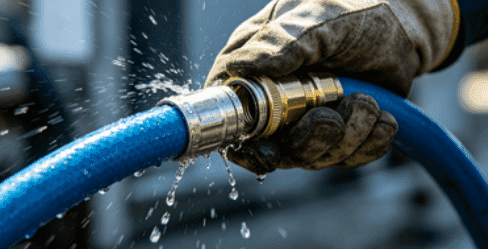
Hydraulic hose connectors endure constant pressure fluctuations, vibrations, and thermal cycling, which gradually cause material fatigue, cracks, corrosion, and leaks. Early detection of these issues prevents system failures and protects operators.
Real-World Case:
Industrial Fluid Power Inc. conducted a 2021 survey of 150 hydraulic system failures in construction equipment. They discovered that 42% were caused by neglected hose connectors, resulting in downtime of up to 48 hours per incident. Minor wear, if ignored, can drastically reduce the connector’s ability to handle system pressures, leading to dangerous blowouts.
Operators should regularly check for rust, cracks, deformed threads, fluid seepage, or abnormal bends in connectors. Even seemingly minor defects can propagate into major failures under sustained pressure.
Effective Inspection Practices
- Conduct weekly visual inspections for high-pressure systems and monthly checks for lower-pressure installations.
- Measure and test torque on threaded connectors to ensure secure fastening.
- Examine sealing surfaces for scratches, debris, or surface wear that could compromise sealing integrity.
Dr. Michael Hart, senior hydraulic engineer, emphasizes:
“Early detection of wear reduces the risk of accidents and ensures long-term system reliability. Ignoring minor connector issues is often the precursor to catastrophic failures.”
Expanded Example:
A logistics company operating forklifts reported that after instituting weekly connector inspections, the number of hydraulic leaks decreased by 60% over six months, preventing approximately $30,000 in repair costs.
Correct Selection of Hydraulic Hose Connectors
Matching Connectors to System Requirements
Choosing the correct hydraulic hose connector involves more than selecting the proper size. Considerations include pressure ratings, thread types, material compatibility, and fluid type. Using a connector rated below the system’s maximum pressure can result in blowouts, leaks, or operator injury.
Industry Insight:
The Fluid Power Research Institute (FPRI) recommends selecting connectors with a 10–20% safety margin above operating pressure, reducing failure rates by 33% in heavy-duty applications.
Material and Pressure Considerations
- Stainless steel connectors: Highly corrosion-resistant, ideal for marine, outdoor, and chemically aggressive environments.
- Brass connectors: Suitable for moderate-pressure, non-corrosive applications.
- Plated steel connectors: Cost-effective for indoor industrial systems where high corrosion resistance is less critical.
Always select connectors that exceed the system’s maximum operating pressure and match the chemical compatibility of the hydraulic fluid. Incompatible materials can degrade seals and cause catastrophic leaks.
Case Study:
A mining operation in Nevada replaced standard steel connectors with stainless steel ORFS connectors rated 15% above maximum system pressure. Within a year, connector-related downtime decreased by 45%, saving over $120,000 in emergency repair costs. The operation also reported improved worker safety and fewer fluid injection incidents.
Installation Best Practices
Ensuring Proper Alignment and Torque
Many connector failures occur due to misalignment or over-tightening. Misaligned connectors introduce stress points and compromise seal integrity, which accelerates wear.
Example:
A 2020 study of mobile hydraulic machinery found that 60% of connector failures were caused by improper torque during installation. Calibrated torque wrenches reduced incidents by over 50%, highlighting the importance of following manufacturer specifications.
Cleaning and Pre-Assembly Procedures
Contaminants such as dust, metal shavings, and residual oil on connector surfaces can scratch sealing surfaces and compromise performance. Cleaning connectors before assembly is essential.
Lisa Martinez, hydraulic safety consultant, explains:
“Pre-installation cleaning may seem minor, but it is critical to preventing leaks and ensuring consistent performance under pressure.”
Practical Tip: Always inspect connectors for debris before tightening and use lint-free cloths for wiping.
Maintaining Clean Systems
Contamination as a Hidden Hazard
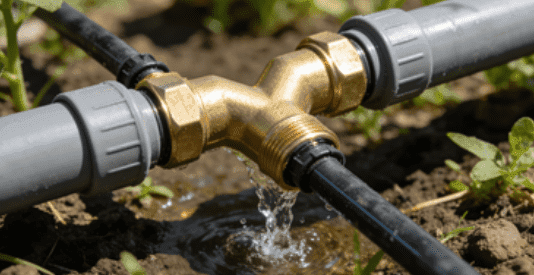
Even microscopic particles can degrade seals and accelerate wear. Hydraulic fluid contamination is responsible Even microscopic particles—dust, metal shavings, or degraded seal material—can degrade hydraulic seals and accelerate connector wear. Contaminated hydraulic fluid is responsible for approximately 70% of all hydraulic hose and connector failures, according to the Hydraulic Safety Annual Report 2022.
Fluid contamination can manifest as:
- Abrasive wear on sealing surfaces
- Blockage of fine channels in valves or spools
- Accelerated chemical breakdown of hydraulic oils
A small particle lodged in a connector may seem insignificant, but under high pressure, it can create stress points that lead to seal failure or sudden leaks. The result can range from minor fluid seepage to catastrophic blowouts capable of injuring operators or damaging equipment.
Case Study:
A European manufacturing plant that implemented strict contamination control—covering unused connectors, wiping all surfaces, and using filtered fluids—reported a 30% reduction in connector failures over 12 months. Downtime was cut by 18%, and maintenance costs were reduced by over $50,000.
Practical Measures for Contamination Control:
- Cap all unused connectors and hose ends to prevent ingress of dust or debris.
- Wipe down all surfaces with lint-free cloths before installation.
- Use filtered hydraulic fluids and replace filters according to the manufacturer’s schedule.
- Implement closed-system flushing procedures when performing maintenance or system upgrades.
- Store spare connectors in clean, sealed containers to prevent contamination before use.
Additional studies from the Journal of Fluid Power Engineering (2021) showed that even 0.5-micron particles in hydraulic fluid can reduce connector lifespan by 15–20%, emphasizing the importance of clean system protocols.
Pressure Monitoring and Overload Prevention
Avoiding Connector Overpressure
Hydraulic hose connectors are rated for specific maximum pressures, and exceeding these limits can lead to sudden failure, fluid injection injuries, and extensive equipment damage. Overpressure incidents are often caused by:
- Malfunctioning relief valves
- Incorrect pump settings
- Rapid hydraulic line closures
Real-World Incident:
In 2019, a construction site experienced a hydraulic line burst when pump pressure exceeded the connector’s rated limit. The incident caused $75,000 in equipment damage and delayed the project by two days. Thankfully, proper PPE prevented any serious injuries.
Data Insight:
A survey of 200 industrial hydraulic installations in North America revealed that over 40% of connector failures were linked to overpressure incidents, highlighting the critical need for effective monitoring.
Practical Pressure Management
- Install pressure relief valves to maintain pressure within safe operating limits.
- Use real-time pressure monitoring gauges on critical circuits to track fluctuations.
- Schedule routine pressure tests to ensure safety margins are maintained.
Case Study:
An agricultural equipment manufacturer equipped its tractors with continuous pressure monitoring sensors. After one year, connector failures dropped by 35%, and emergency downtime incidents were reduced by 28%. The company also reported fewer fluid injection injuries, illustrating the value of proactive pressure control.
- Pressure Alarms and Automated Shutdown: Modern hydraulic systems can integrate alarms and automated shutdown functions when pressures exceed thresholds. A 2022 analysis of industrial hydraulic presses found that such systems reduced connector-related accidents by 45%.
- Pressure Cycling and Fatigue Considerations: Overpressure isn’t just about exceeding the maximum rating. Frequent pressure spikes, even below maximum ratings, can fatigue seals and connector threads. Researchers from the Hydraulic Reliability Institute (2020) found that systems experiencing rapid pressure cycling had a 20% shorter connector lifespan compared to systems with stable pressures.
Proactive Replacement and Lifecycle Management
Recognizing When Connectors Need Replacement
Hydraulic hose connectors have finite lifespans. Key signs that indicate replacement is necessary include:
- Visible cracks or fractures in the body
- Leaks at the threads or sealing surfaces
- Worn or deformed threads that compromise torque retention
- Corrosion affecting both performance and safety
Ignoring these signs can result in catastrophic hydraulic failures, production downtime, and costly emergency repairs.
Industry Recommendation:
Equipment manufacturers and hydraulic safety guidelines suggest replacing connectors every 5 years in high-pressure applications, or sooner if visible damage exists. For critical systems, scheduled replacement every 3 years is sometimes recommended to ensure reliability.
Cost-Benefit of Proactive Replacement
Replacing hydraulic hose connectors proactively is far cheaper than reactive maintenance. Emergency failures often involve:
- Unplanned downtime
- Expedited repair shipping costs
- Labor overtime for emergency repairs
- Potential safety liabilities
Example:
A European construction firm implemented scheduled hydraulic connector replacements on all heavy machinery. Over a 12-month period:
- Annual repair costs dropped by 40% compared to ad-hoc replacements
- Downtime was reduced by 35%, saving the equivalent of $180,000 in productivity
- Operator confidence and safety compliance improved significantly
Expanded Insights:
Lifecycle analysis demonstrates that proactive replacement extends the operational lifespan of hoses and connected components by ensuring connectors remain within design tolerances, reducing the risk of leaks, seal degradation, and fatigue-related failures.
Connector Lifecycle Tracking
Modern hydraulic management programs allow operators to track connector lifecycles digitally:
- Tag connectors with RFID or QR codes
- Record installation dates, inspections, and torque values
- Schedule automated reminders for replacements based on usage hours or pressure cycles
Studies indicate that plants using digital lifecycle management saw connector failure rates drop by 30–50%, with significant reductions in downtime costs.
Operator Training on Hydraulic Safety

Reducing Human Error
Operator mistakes cause a significant percentage of hydraulic connector accidents. Training should include installation techniques, inspection routines, and emergency procedures.
Case Study:
Companies with formal hydraulic safety training reported 50% fewer fluid injection injuries and reduced connector failures by 33%.
Training Components
- Proper torque application
- Contamination prevention
- Emergency shutdown procedures
- Recognition of wear and damage
Emergency Preparedness and Protective Equipment
Preparing for Accidents
Even with stringent safety measures, accidents can occur. Protective gear like gloves, eye protection, and spill containment kits significantly reduce injury severity.
Immediate Response Protocols
Operators should know emergency shutdown procedures and first aid for fluid injection injuries. Quick response can save lives and reduce equipment damage.
Common Hydraulic Hose Connector Types and Safety Considerations
| Connector Type | Pressure Rating (psi) | Key Safety Considerations | Typical Applications |
|---|---|---|---|
| JIC (37° Flare) | 3000–6000 | Inspect O-rings; tighten to manufacturer spec | Industrial machinery, pumps |
| ORFS (O-Ring Face Seal) | 4000–5000 | Avoid scratches on sealing surfaces | Construction equipment |
| NPT (National Pipe Thread) | 1500–5000 | Apply proper sealant; avoid overtightening | Agriculture and hydraulics |
| BSP (British Standard Pipe) | 2000–4500 | Verify pressure rating; maintain cleanliness | European hydraulic systems |
| Quick-Connect Couplings | 1000–3000 | Check locking mechanism; prevent debris entry | Mobile machinery, field equipment |
Conclusion
Hydraulic hose connectors are small yet critical components. Adhering to these 8 safety rules—inspection, selection, installation, cleanliness, pressure monitoring, proactive replacement, training, and emergency preparedness—ensures reliable operation, reduces accidents, and protects both personnel and equipment.
Key Takeaway: Investing in proper connector management improves system efficiency and prevents costly downtime.
FAQ
Q1: How often should I inspect hydraulic hose connectors?
A1: Weekly for high-pressure systems, monthly for low-pressure. Always check for leaks, wear, and secure fittings.
Q2: Can connectors be reused?
A2: Only if undamaged and verified by manufacturer guidelines. Replacement is recommended during major maintenance.
Q3: How can contamination be prevented?
A3: Cap unused connectors, wipe with lint-free cloths, and flush hoses before installation.
Q4: Are quick-connect couplings safe for heavy-duty systems?
A4: Yes, within rated pressure range and with regular inspection.
Q5: What protective equipment is essential?
A5: Gloves, eye protection, spill kits, and emergency first-aid gear.