Table of Contents
Introduction
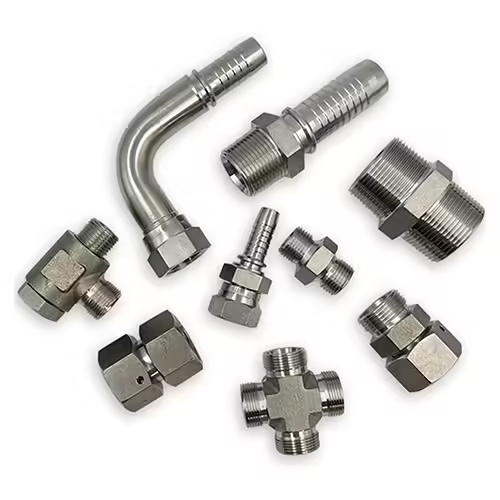
When dealing with fluid power systems, hydraulic hose connectors are essential for ensuring safe and efficient connections between hoses and various hydraulic components. These connectors play a pivotal role in preventing leaks, reducing wear and tear, and maintaining the overall performance of hydraulic systems. With a wide array of hydraulic hose connectors available, it can be challenging to choose the right one for your specific application.
In this comprehensive guide, we will explore the 5 key types of hydraulic hose connectors you need to know. By understanding their functions, advantages, and best-use scenarios, you’ll be able to make informed decisions for your industrial applications. Additionally, we will delve into how Hebei Minglai Pipe Fitting Co., Ltd. offers reliable and customizable hydraulic hose connectors that meet your requirements.
The Importance of Hydraulic Hose Connectors
Before diving into the specifics of the types of hydraulic hose connectors, it’s important to understand why they are critical components in hydraulic systems. These connectors are designed to establish secure, leak-proof connections between hoses and other hydraulic components, enabling the safe and efficient transfer of fluids under pressure.
Without the right connectors, several issues can arise, including fluid leakage, reduced system efficiency, and even catastrophic system failures. These issues often lead to costly downtime, extensive maintenance, and potential damage to machinery. Therefore, it’s imperative to choose hydraulic hose connectors that are compatible with your system’s requirements, ensuring that your hydraulic systems remain operational and efficient.
How Hydraulic Hose Connectors Contribute to System Efficiency
Hydraulic systems rely on the transfer of fluid under pressure to perform work, whether it be in construction machinery, mining equipment, manufacturing lines, or agricultural machinery. Hydraulic hose connectors play a crucial role in making sure that fluid flows smoothly through the system, without any leakage or contamination.
The efficiency of a hydraulic system is directly tied to the quality of its connectors. Well-designed hydraulic hose connectors allow for the seamless transfer of pressurized fluid, reducing energy losses and maintaining the optimal functioning of hydraulic pumps, actuators, and motors. Poorly selected or improperly maintained connectors can lead to energy wastage, leaks, and pressure drops, which, in turn, can negatively affect the overall system performance. Additionally, improper connector maintenance may cause wear, which could compromise the hydraulic system’s longevity, leading to frequent repairs and more expensive operational costs.
In summary, proper selection, installation, and maintenance of hydraulic hose connectors are essential for maintaining system efficiency, reducing downtime, and minimizing operational costs.
The 5 Key Types of Hydraulic Hose Connectors
When choosing hydraulic hose connectors, it’s important to understand the different types available and their specific advantages. Below are the five key types that are most commonly used in industrial and hydraulic systems, along with their unique benefits.
1. Flared Pipe Joints
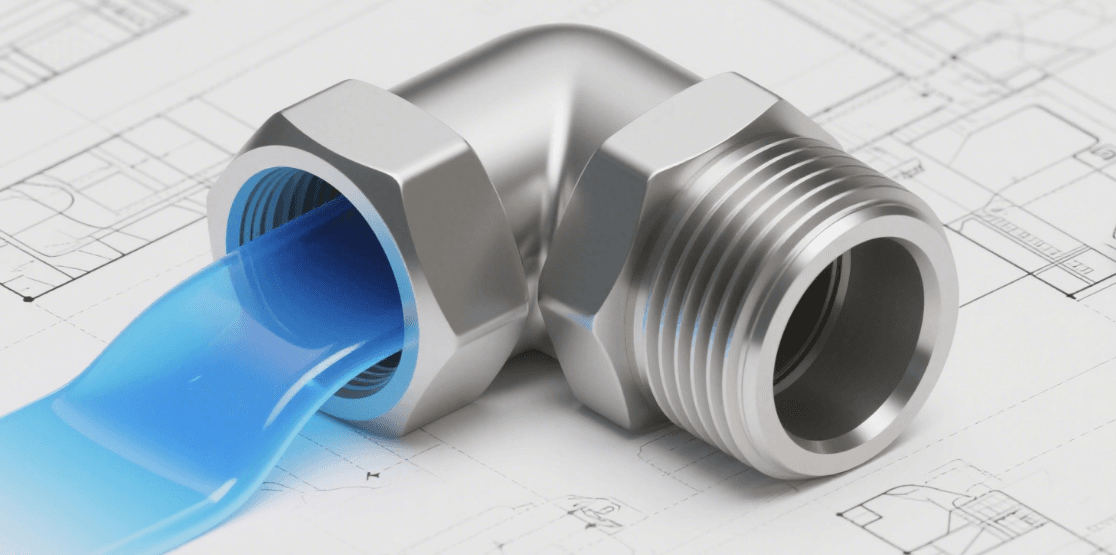
Flared pipe joints are among the simplest types of hydraulic hose connectors. These connectors are commonly used for joining copper pipes, thin-walled steel pipes, nylon pipes, and plastic pipes. Their straightforward structure makes them ideal for medium- and low-pressure pipeline systems. Industries where cost-effectiveness and easy installation are crucial will find these connectors a suitable choice.
Advantages:
- Simple structure for easy installation: No specialized tools or extensive training required.
- Suitable for medium and low-pressure applications: Works best in low-pressure hydraulic systems.
- Good sealing performance: Provides reliable, leak-proof connections when installed correctly.
Hebei Minglai Pipe Fitting Co., Ltd. specializes in manufacturing flared pipe joints, ensuring that they meet high standards of quality and performance for your specific industrial needs.
2. Welded Pipe Joints
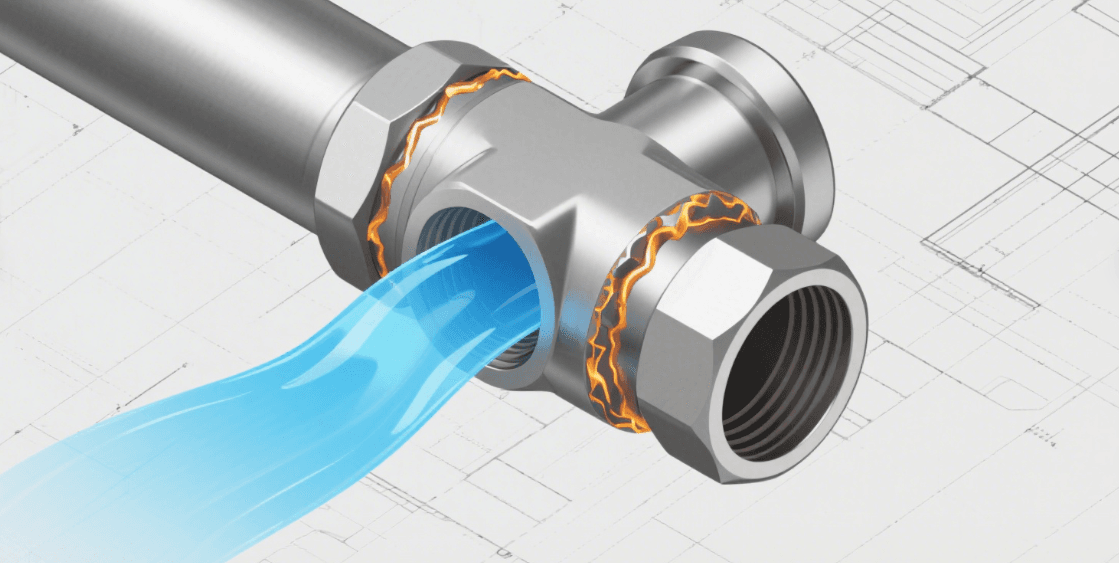
Welded pipe joints are highly durable connectors designed for high-pressure systems. These connectors are welded onto the inner core of the fitting, offering an exceptionally strong and robust connection. They are typically used in systems where high-pressure resistance and superior sealing performance are essential. However, the welding process can be time-consuming and may require special equipment.
Advantages:
- Strong pressure resistance: Ideal for applications involving high-pressure fluids.
- Suitable for high-pressure applications: Perfect for demanding hydraulic systems.
- Excellent sealing ability: Provides a secure, leak-proof connection under high pressure.
Welded pipe joints, while excellent for high-pressure systems, may not be suitable for applications where ease of installation and removal are required.
3. Card Sleeve Pipe Joints
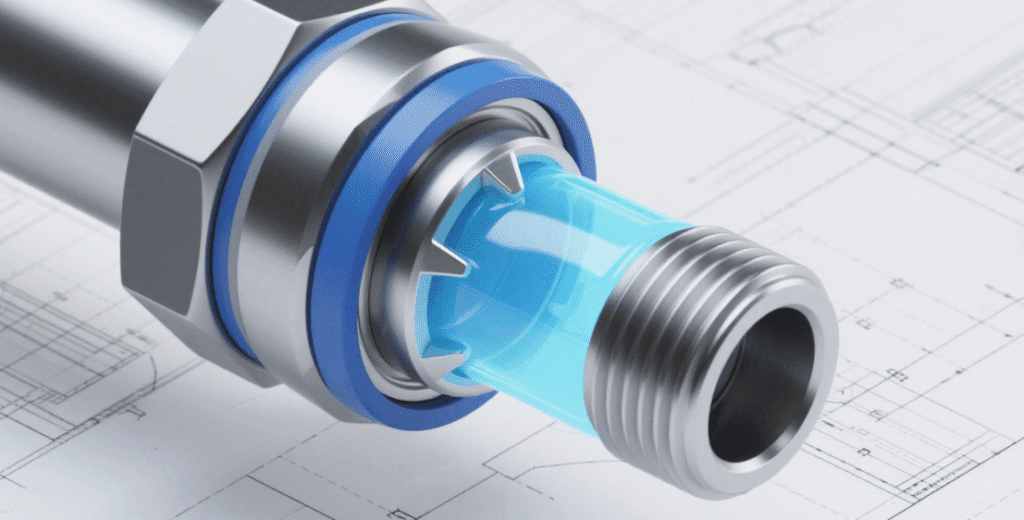
Card sleeve pipe joints use an elastic card sleeve that clamps the oil pipe, creating a secure and tight seal. These connectors are especially useful for connecting high-pressure cold-drawn seamless steel pipes. They are ideal for industries that require high-pressure systems but also demand ease of installation and cost-effectiveness.
Advantages:
- Simple and easy to install: Unlike welded connections, card sleeve joints can be installed quickly without specialized tools.
- Suitable for high-pressure systems: Designed to handle high-pressure fluid systems effectively.
- Cost-effective for large-scale operations: These connectors are relatively inexpensive, making them an attractive option for large systems.
These connectors are often used in applications such as oil refineries, power plants, and other industrial applications requiring both pressure resistance and simple installation.
4. Crimp Pipe Joints
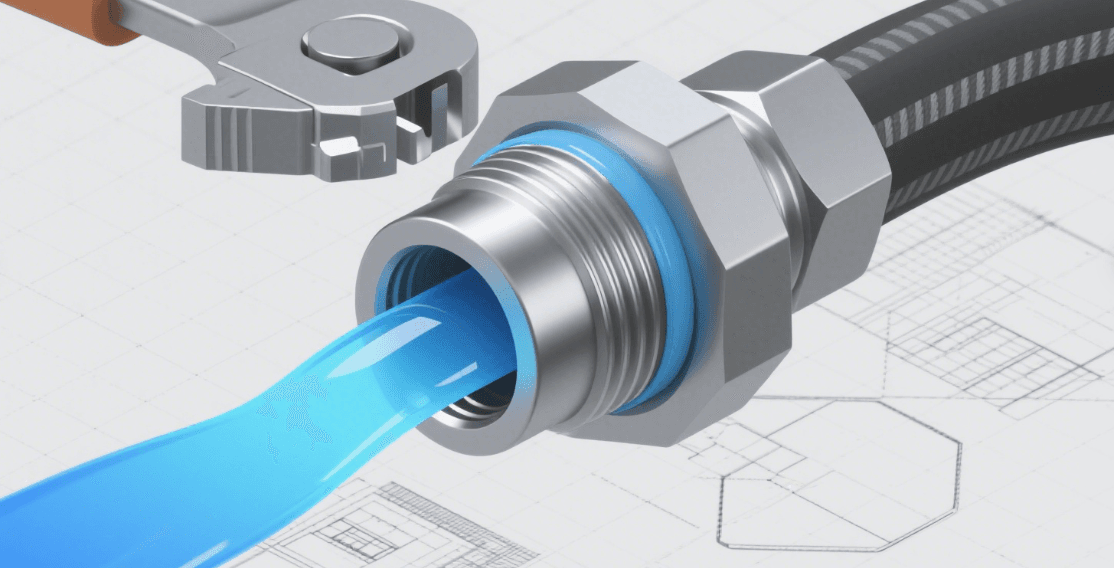
Crimp pipe joints are used for hose connections and are composed of a fitting jacket and a fitting core. They are widely used in hydraulic applications for their strong and secure hose connection. Crimp connectors are particularly useful for situations where systems require quick, reliable, and permanent connections between hoses and fittings.
Advantages:
- Strong and secure hose connection: The crimping process ensures a tight and leak-proof seal.
- Versatile and reliable: Crimp connectors are adaptable and can be used across a variety of hydraulic applications.
- Widely used in hydraulic applications: Their versatility and dependability make them common in many industries, including automotive, construction, and industrial machinery.
Crimped pipe joints are the go-to option for industries that require a long-lasting, durable connection with minimal maintenance.
5. Quick-Change Pipe Joints
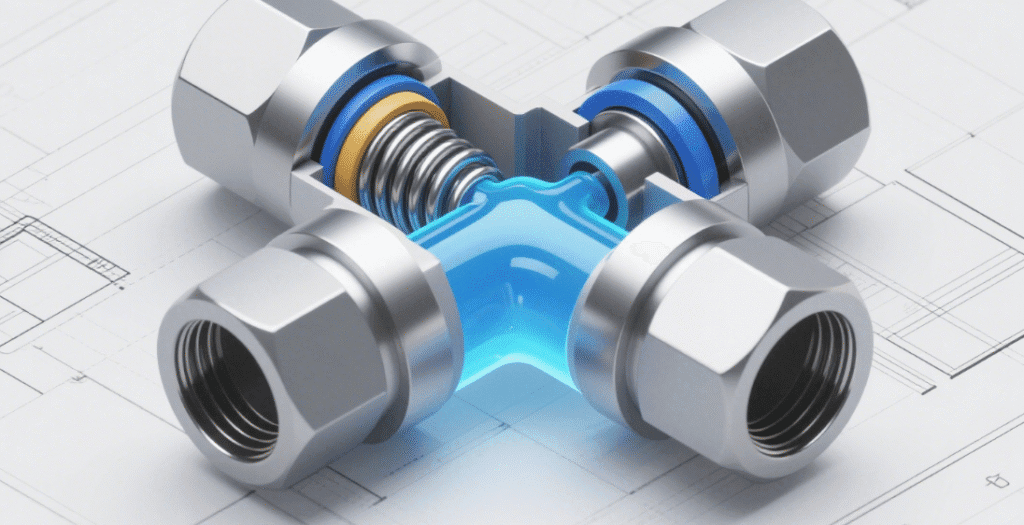
For industries where frequent maintenance or hose replacement is necessary, quick-change pipe joints are invaluable. These connectors are designed for systems where fast and efficient hose changes are essential. Quick-change pipe joints are often used in high-pressure small-diameter hoses in systems where oil and gas are the medium.
Advantages:
- Suitable for frequent hose changes: Ideal for industries requiring routine hose swaps for maintenance or repair.
- Ideal for high-pressure small-diameter hoses: Works well in systems where small, high-pressure lines are common.
- Saves time and effort during maintenance: Quick installation and removal reduce downtime during maintenance activities.
Quick-change pipe joints are typically found in industries like mining, agriculture, and oil & gas, where operational efficiency is crucial.
How to Choose the Right Hydraulic Hose Connector for Your Application
Choosing the correct hydraulic hose connector depends on various factors, including system pressure, the type of fluid, temperature, and the required durability. Below are some key considerations to help you choose the right hydraulic hose connector:
- Pressure Rating: Different types of connectors are designed to withstand different pressure levels. Ensure that the connector you choose matches the pressure requirements of your system.
- Material Compatibility: The connector material must be compatible with the hose material and the fluid being transferred to ensure proper sealing and prevent wear.
- Ease of Installation and Maintenance: Consider the ease of installation and the level of maintenance required. Some connectors, such as crimp pipe joints, offer secure connections but may require specialized tools for installation.
- System Requirements: Each hydraulic system has specific requirements that dictate the choice of connectors. Consider whether you need quick-change capabilities, high-pressure resistance, or simple installation.
Table: Comparison of Hydraulic Hose Connector Types
| Type of Connector | Pressure Rating | Ease of Installation | Durability | Best Use Case |
|---|---|---|---|---|
| Flared Pipe Joints | Medium-Low | Easy | Moderate | Medium- and low-pressure systems |
| Welded Pipe Joints | High | Complex | High | High-pressure systems |
| Card Sleeve Pipe Joints | High | Easy | High | High-pressure applications |
| Crimp Pipe Joints | High | Moderate | High | General hydraulic applications |
| Quick-Change Pipe Joints | High | Moderate | High | Frequent hose change systems |
This table provides a clear comparison of the key types of hydraulic hose connectors, highlighting their pressure ratings, installation ease, durability, and best use cases.
Conclusion
In conclusion, selecting the right hydraulic hose connector is essential for ensuring the smooth operation of hydraulic systems. Each type of connector has its unique advantages and is suited to specific applications, ranging from high-pressure systems to low-maintenance solutions. By considering the factors such as pressure, material compatibility, and system requirements, you can make an informed choice that enhances the efficiency and longevity of your hydraulic system.
Hebei Minglai Pipe Fitting Co., Ltd. offers a wide range of high-quality hydraulic hose connectors, including custom solutions tailored to your specific needs. Our commitment to strict quality control and the use of high-quality materials ensures that every product we provide meets the highest standards of durability and performance.
FAQ
What is the most common hydraulic hose connector type used in high-pressure systems?
The most common type used in high-pressure systems is the welded pipe joint due to its excellent sealing and pressure resistance.
Can I use a crimp pipe joint for low-pressure applications?
While crimp pipe joints are typically used in high-pressure applications, they can be used for low-pressure systems as well if the design and material are compatible.
Are quick-change pipe joints suitable for all hydraulic systems?
Quick-change pipe joints are ideal for systems where hoses need to be frequently changed, especially in high-pressure small-diameter applications. They are not suitable for systems with static connections.
What material should I choose for hydraulic hose connectors?
The material of the connector should be compatible with both the hose material and the fluid being transported. Common materials include stainless steel, brass, and carbon steel.
For more information on hydraulic hose connectors and to request a quote, feel free to contact us at Hebei Minglai Pipe Fitting Co., Ltd. We offer reliable and customizable solutions tailored to your industrial needs.