Table of Contents
When it comes to selecting stainless steel pressure fittings, making the right choice is critical to ensure the long-term durability and performance of your piping systems. These fittings play an essential role in transferring fluids and gases under high pressure, and choosing the right ones can make all the difference in maintaining system efficiency and minimizing operational downtime. Below are five must-know tips for selecting the best stainless steel pressure fittings for your business.
Introduction
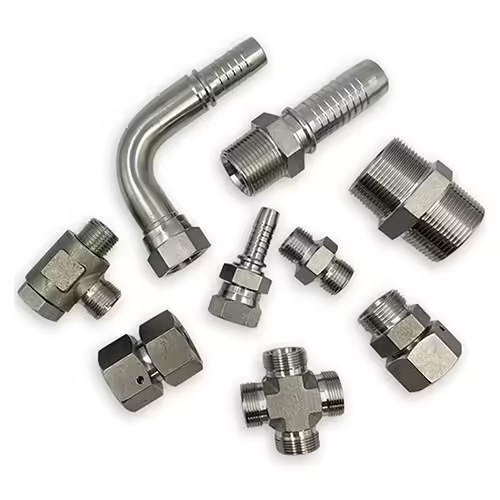
Stainless steel pressure fittings are vital components used in a wide range of industries, from oil and gas to food processing and manufacturing. Their ability to withstand high-pressure environments, resist corrosion, and maintain strength over time makes them ideal for use in both standard and harsh conditions.
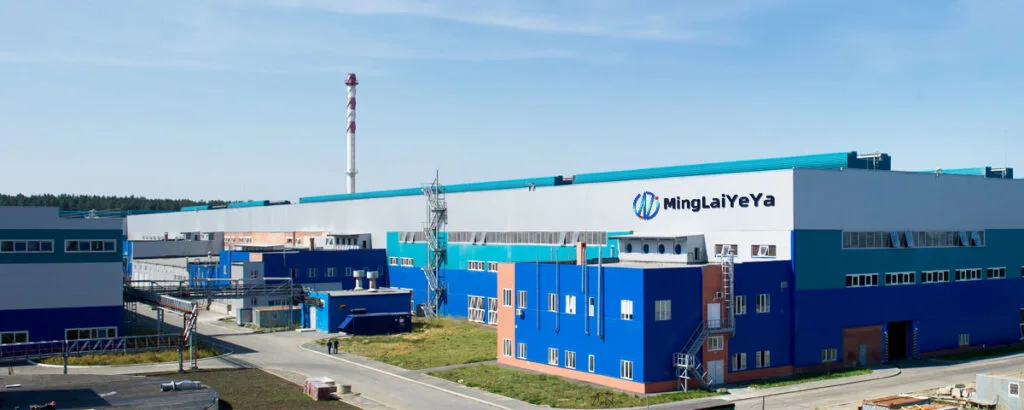
As a leading manufacturer of hydraulic components, Hebei Minglai Pipe Fitting Co., Ltd. specializes in providing high-quality stainless steel pressure fittings. Our products are designed with precision, durability, and reliability in mind, ensuring that they meet the toughest industrial demands. Below, we discuss some essential considerations when choosing the right fittings for your projects.
1. Understand the Material Specifications
When choosing stainless steel pressure fittings, the material quality is of utmost importance. Stainless steel is renowned for its high tensile strength, resistance to corrosion, and ability to withstand extreme temperatures. These characteristics make stainless steel an excellent choice for high-pressure and high-temperature applications across various industries.
However, not all stainless steel is created equal. Different grades of stainless steel—such as 304, 316, and 310—offer varying degrees of corrosion resistance, durability, and overall performance. For example, 316 stainless steel is well-suited for environments exposed to saltwater, acids, and other corrosive substances, making it a popular choice for industries like marine engineering, chemical processing, and pharmaceuticals. On the other hand, 304 stainless steel offers a more economical solution and performs well in general industrial applications with moderate exposure to corrosive conditions.
At Hebei Minglai Pipe Fitting Co., Ltd., we use only the finest materials that comply with international standards to meet the demanding needs of industries. Whether your application requires pressure fittings for food processing, high-temperature systems, or corrosive environments, we can provide customizable solutions to ensure maximum durability and optimal performance.
2. Ensure Compatibility with Your System
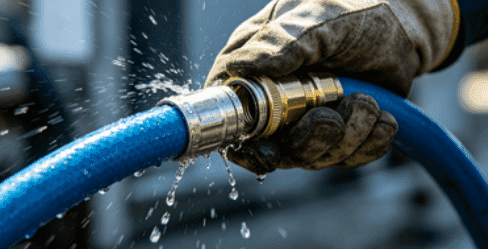
Compatibility between your stainless steel pressure fittings and your existing piping system is key to preventing issues such as leaks, pressure loss, and high maintenance costs. It is essential to choose pressure fittings that match not only the pipe size but also the thread type and pressure requirements of your system. When selecting the right pressure fittings, always ensure that the pressure rating of the fitting matches the operating pressure of your system to avoid dangerous malfunctions or system failures.
To help you make an informed decision, here’s a comparison table of common types of pressure fittings we offer:
| Fitting Type | Material | Pressure Rating | Best Used For |
|---|---|---|---|
| Flared Pipe Joint | Stainless Steel | Medium to Low | Copper, steel, nylon, plastic pipes |
| Welded Pipe Joint | Stainless Steel | High | Heavy-duty systems, sealed connections |
| Card Sleeve Pipe Joint | Stainless Steel | High | High-pressure cold-drawn seamless steel pipes |
| Crimp Pipe Joint | Stainless Steel | Medium | Hose connection systems |
| Quick-change Pipe Joint | Stainless Steel | High | Complex systems with oil and gas applications |
Each type of fitting is designed for a specific application, ensuring that you get the best results for your system. Whether you’re working with low-pressure systems or heavy-duty industrial equipment, we have the right fittings for your needs.
3. Focus on Durability and Corrosion Resistance
Durability is a critical consideration when selecting stainless steel pressure fittings, especially in industrial environments exposed to extreme conditions. These environments often involve high temperatures, fluctuating pressures, exposure to chemicals, and physical wear. Therefore, selecting durable and corrosion-resistant fittings is vital to ensure the longevity of your hydraulic or piping system.
Stainless steel pressure fittings are known for their resistance to rust, oxidation, and chemical degradation, making them an excellent choice for industries like oil and gas, pharmaceuticals, and food production. At Hebei Minglai Pipe Fitting Co., Ltd., our pressure fittings undergo rigorous testing for both corrosion resistance and durability, ensuring that they maintain their integrity even in the harshest operating conditions.
We use premium materials and employ cutting-edge manufacturing processes to create pressure fittings that perform consistently over time, helping you avoid costly repairs and system downtime.
4. Quality Control and Certifications
When purchasing stainless steel pressure fittings, you should ensure that the manufacturer adheres to strict quality control processes. Choosing a manufacturer with certifications such as ISO 9001 demonstrates their commitment to adhering to international quality standards. This certification ensures that the manufacturer follows industry-best practices throughout the production process, from raw material selection to final product inspection.
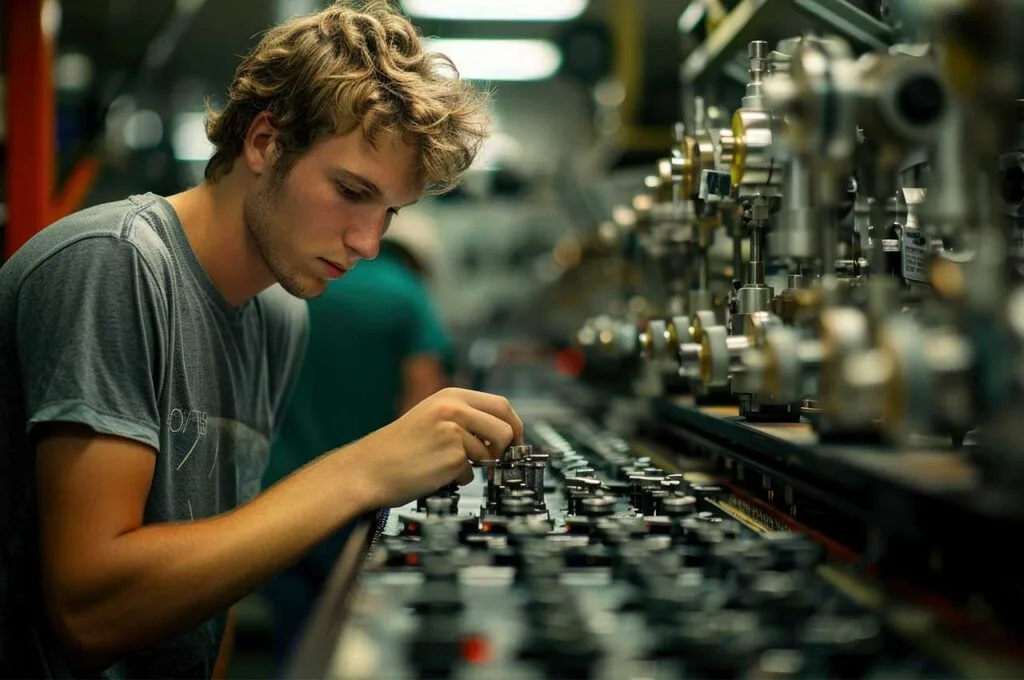
At Hebei Minglai Pipe Fitting Co., Ltd., we are ISO 9001 certified, guaranteeing that our stainless steel pressure fittings meet stringent quality standards. Our quality control system monitors each stage of the manufacturing process to ensure the highest quality in every product we produce. From initial design to final inspection, we maintain complete control over product quality, ensuring that our fittings are durable, reliable, and compliant with international standards.
5. Consider After-Sales Support and Custom Solutions

High-quality stainless steel pressure fittings are an investment, and it’s essential to choose a manufacturer that offers comprehensive after-sales support. No matter how well-built your fittings are, there may come a time when you need assistance with installation, maintenance, or troubleshooting. A reliable manufacturer should provide a range of services to ensure your systems operate smoothly long after the initial purchase.
At Hebei Minglai Pipe Fitting Co., Ltd., we understand the importance of reliable after-sales support. We provide a full suite of services, including installation guidance, operator training, and access to a dedicated technical support team. Whether you need assistance with custom orders, technical adjustments, or emergency repairs, we are committed to ensuring the long-term success of your hydraulic or piping system.
We also offer customizable solutions to fit your specific requirements, ensuring that our stainless steel pressure fittings integrate seamlessly with your existing systems. Whether you need specialized sizes or tailored designs, our team will work with you to deliver exactly what you need.
Conclusion
Selecting the right stainless steel pressure fittings is a crucial decision that can significantly impact the performance and longevity of your piping systems. By focusing on factors such as material quality, compatibility, durability, and after-sales support, you can ensure that your system operates efficiently and reliably.
At Hebei Minglai Pipe Fitting Co., Ltd., we are committed to providing the highest quality stainless steel pressure fittings that meet international standards. With a focus on strict quality control, customizable solutions, and comprehensive customer support, we ensure that our clients receive the best products and services.
For any inquiries or to learn more about our stainless steel pressure fittings, don’t hesitate to contact us today. Let us help you find the perfect solution for your industrial needs!
FAQ
Q1: What is the most common grade of stainless steel used for pressure fittings?
A1: The most commonly used grades for stainless steel pressure fittings are 304 and 316. 304 stainless steel is widely used in general industrial applications due to its excellent balance of strength, corrosion resistance, and cost-effectiveness. It is well-suited for environments where the fittings will not be exposed to severe corrosion or high temperatures.
On the other hand, 316 stainless steel is preferred in industries that deal with harsh environments, such as marine applications, chemical processing, and pharmaceutical industries. This is because 316 stainless steel provides superior resistance to saltwater, acids, and other corrosive substances, making it ideal for environments that require enhanced corrosion resistance. Therefore, if your system operates under more aggressive conditions, choosing 316 stainless steel will ensure greater longevity and reliability for your fittings.
Q2: How do I know if the stainless steel pressure fitting is compatible with my system?
A2: To ensure compatibility between your stainless steel pressure fitting and the system, you must consider several key factors. First, pipe size is crucial; the fitting must match the diameter of your pipe to ensure a secure and leak-free connection. Secondly, thread type matters greatly—whether it’s BSPT, NPT, or BSPP threads, ensure that the fitting’s thread matches the pipe’s threading. Using mismatched threads can cause sealing issues and potential leaks. Another factor to consider is the pressure rating of the fitting.
Each fitting is designed to handle a specific pressure, so ensure that the pressure rating of the fitting is suitable for your system’s operating pressure. Finally, check the material compatibility—the material of the fitting should be suitable for the medium flowing through the system, whether it’s water, gas, or chemicals. Consulting with an experienced manufacturer, like Hebei Minglai Pipe Fitting Co., Ltd., ensures that you get precise fittings that perfectly integrate into your system, minimizing potential failures and enhancing operational efficiency.
Q3: What types of applications use stainless steel pressure fittings?
A3: Stainless steel pressure fittings are widely used across various industries due to their strength, corrosion resistance, and durability. In the oil and gas industry, these fittings are essential for creating secure connections in pipelines that transport high-pressure fluids, ensuring no leaks and maximum safety. The food processing industry also relies on stainless steel fittings for its ability to withstand frequent cleaning cycles and exposure to food-grade chemicals without degrading.
Additionally, pharmaceutical systems require pressure fittings that meet stringent hygiene standards, as they ensure that chemicals and solvents are transferred without contamination. In the chemical processing industry, stainless steel pressure fittings are crucial for preventing corrosion from harsh chemicals while maintaining safe and secure connections in high-pressure systems. Lastly, automotive and aerospace industries use these fittings in hydraulic systems, brake systems, and fuel systems where high-pressure fluids are involved, ensuring smooth operations and system integrity. Hebei Minglai Pipe Fitting Co., Ltd. specializes in providing high-quality stainless steel pressure fittings for all of these demanding applications, ensuring durability, performance, and compliance with industry standards.=