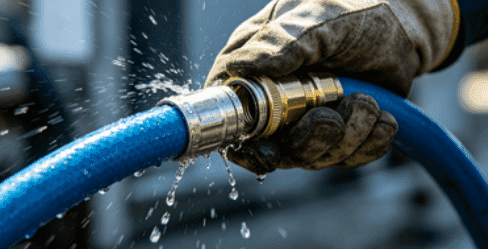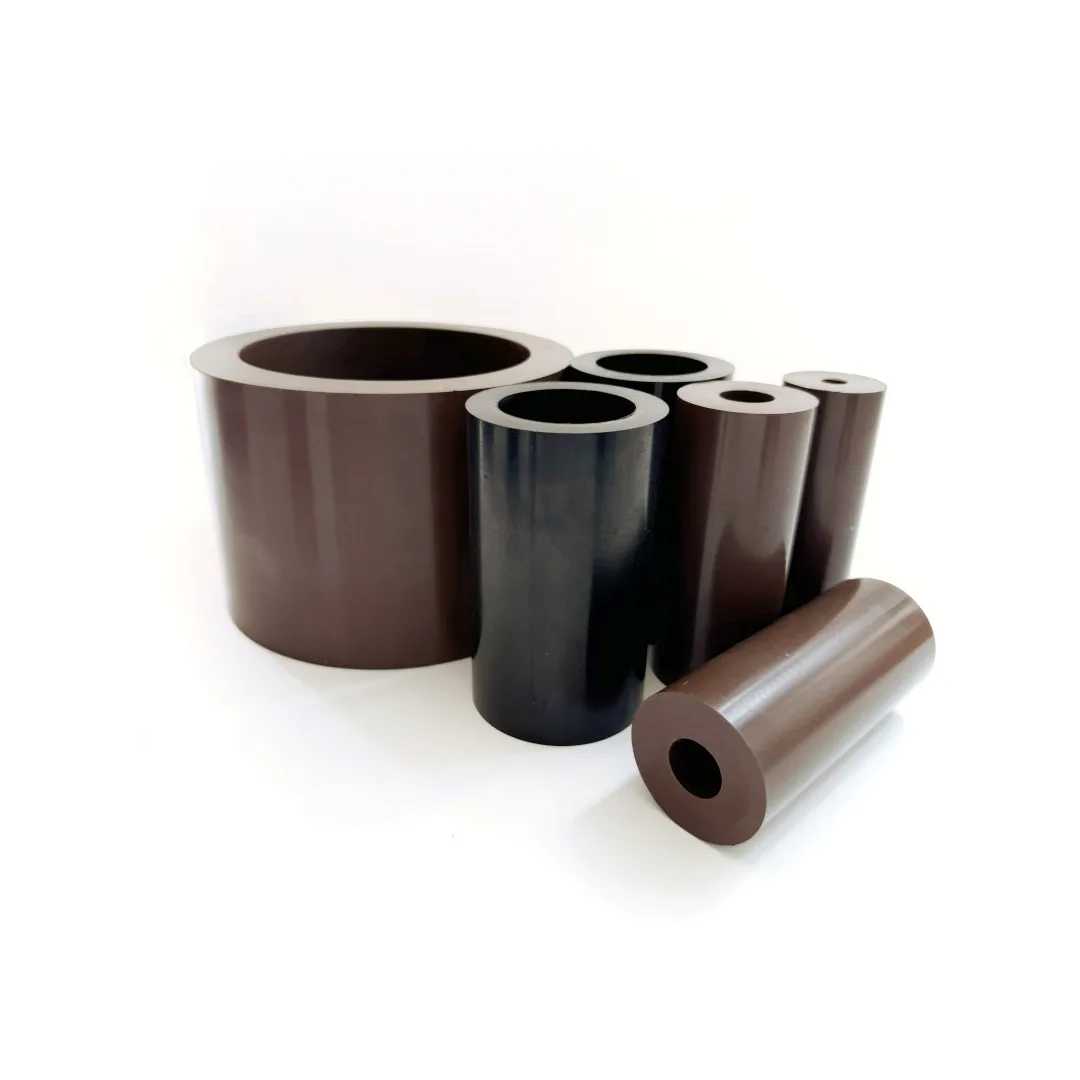
Imagine a hydraulic system operating at 5,000 psi suddenly failing due to a mismatched fitting. The consequences could include costly downtime, equipment damage, or even serious injury. In modern industrial and automotive applications, high pressure hose fittings are not just connectors—they are critical safety components.
Selecting the correct fitting involves understanding material properties, pressure ratings, chemical compatibility, and installation techniques. According to Hydraulic & Pneumatics Magazine, over 40% of hydraulic system failures result from improper hose or fitting selection.
This guide provides a comprehensive overview for engineers, technicians, and safety officers who aim to minimize risk and maximize performance in hydraulic and industrial systems.
Table of Contents
Key Takeaways
- Importance of choosing the right high pressure hose fittings to prevent leaks and failures
- Step-by-step guide on material, size, pressure rating, and chemical compatibility
- Expert insights and industrial benchmarks for safe selection
- Conceptual analysis: pressure rating, temperature limits, chemical resistance, and fatigue life
- Comparisons of steel, brass, and composite fittings for various applications
- Installation, maintenance, and inspection best practices
- Common mistakes and how to avoid them
- FAQ section addressing common user questions in a Google-search-friendly style
Step 1: Understanding High Pressure Hose Fittings
Concept: Definition and Function
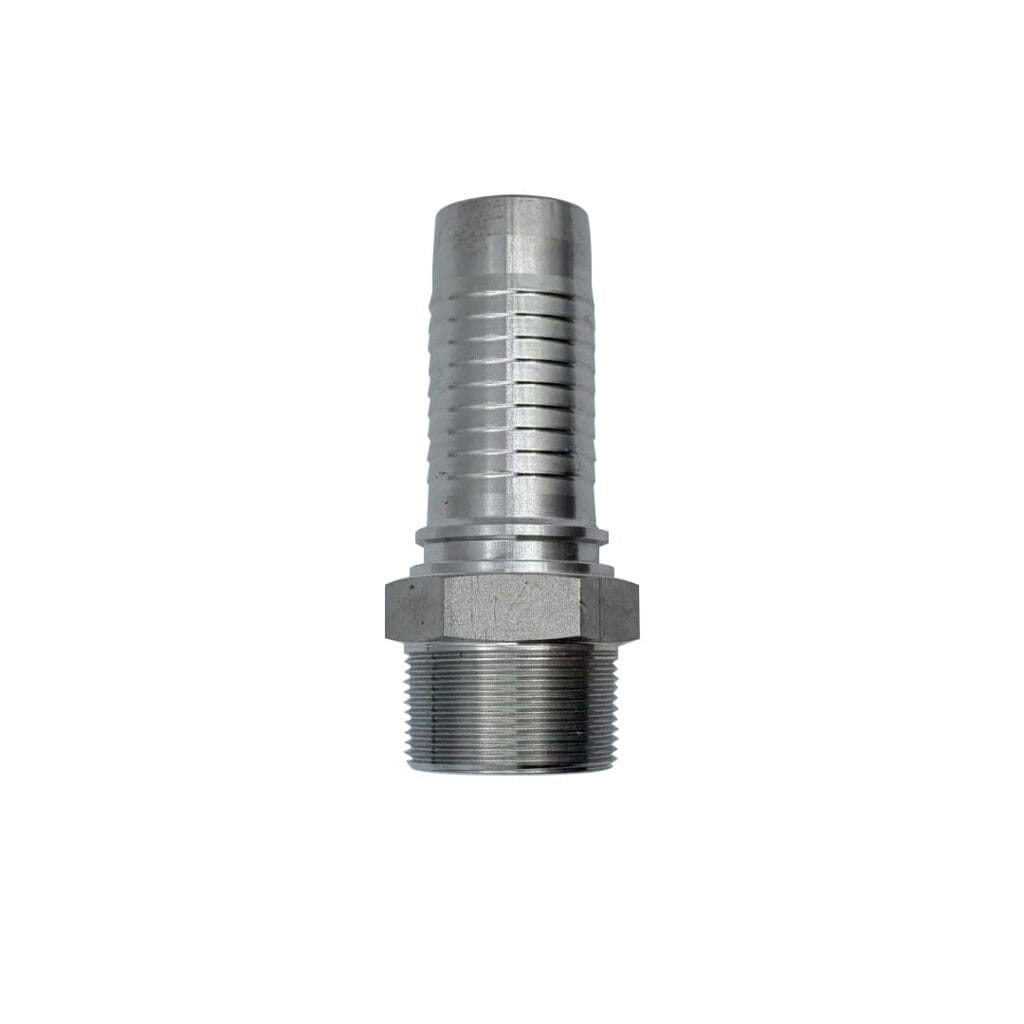
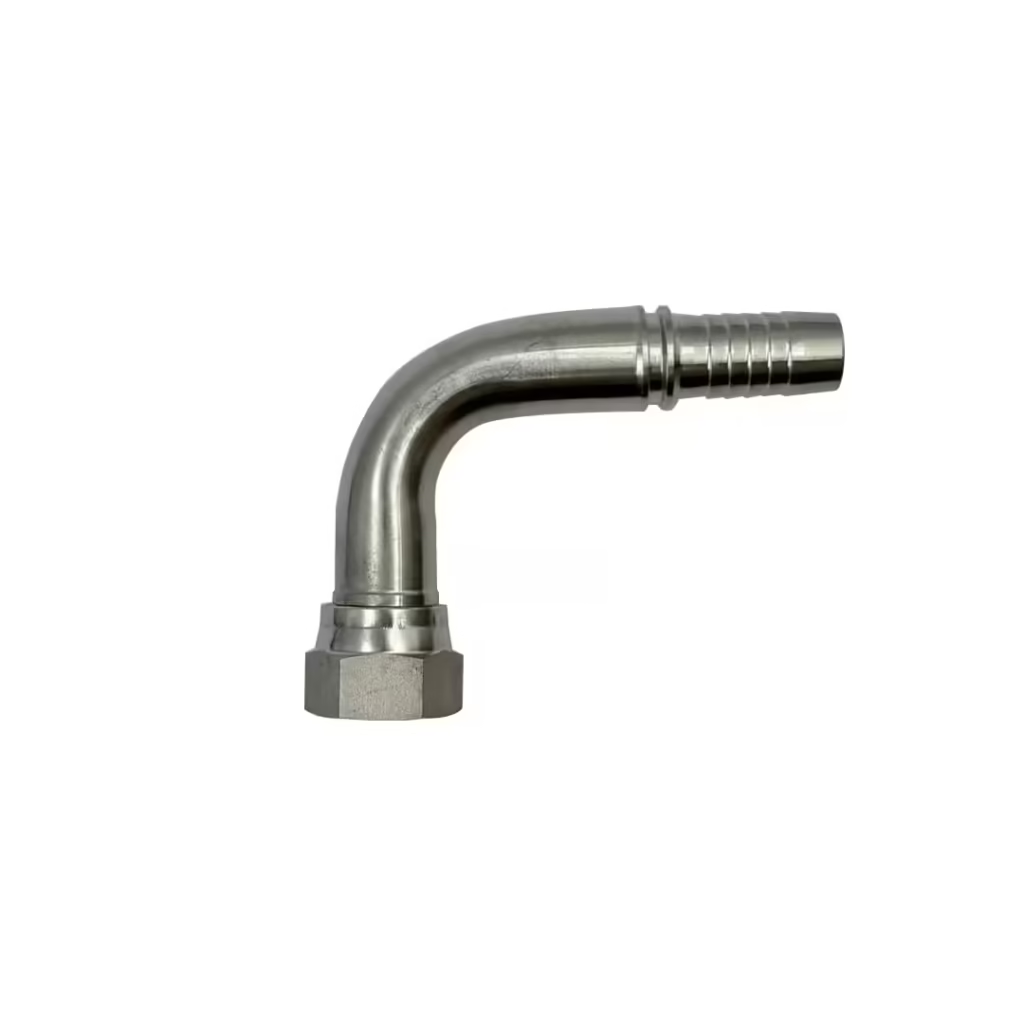
High pressure hose fittings are mechanical components used to connect hoses to hydraulic or fluid systems. They must withstand extreme pressures, vibration, and sometimes corrosive chemicals.
- Proper fitting ensures leak-free operation.
- Inappropriate selection can result in catastrophic failure or system inefficiency.
Types of High Pressure Hose Fittings
Steel Fittings
- Industrial-grade, high-strength fittings
- Can handle pressures up to 10,000 psi
- Resistant to wear and fatigue in heavy-duty applications
Brass Fittings
- Corrosion-resistant, suitable for medium-pressure systems
- Easier to install but lower maximum pressure (~5,000 psi)
- Ideal for automotive and light hydraulic use
Composite/Polymer Fittings
- Lightweight and chemically resistant
- Typically rated up to 3,000 psi
- Used in specialty applications such as chemical handling
Step 2: Material Selection for High Pressure Safety
Concept: Material Strength and Performance
The fitting material directly affects maximum pressure capacity, temperature tolerance, and chemical compatibility.
- Steel: High strength, excellent fatigue life, suitable for industrial hydraulics
- Brass: Moderate strength, high corrosion resistance, often used in automotive or residential applications
- Composite: Lightweight, chemically resistant, lower pressure tolerance
Table: Material Properties Comparison
| Material | Max Pressure | Corrosion Resistance | Weight | Typical Applications |
|---|---|---|---|---|
| Steel | Up to 10,000 psi | Medium-High | Heavy | Industrial hydraulics, construction |
| Brass | Up to 5,000 psi | High | Medium | Automotive, light hydraulics |
| Composite | Up to 3,000 psi | High | Light | Specialty chemical systems, portable equipment |
Expert Insight:
“Steel fittings are the backbone of industrial hydraulic systems, providing unmatched strength and fatigue resistance,” – Dr. Alan Matthews, Hydraulic Systems Engineer
Step 3: Hose Size and Thread Selection
Concept: Inner Diameter, Outer Diameter, and Thread Standards
Selecting the correct diameter and thread type is essential to prevent leaks and ensure system efficiency.
- Common standards: NPT (National Pipe Thread), JIC (Joint Industry Council), BSP (British Standard Pipe)
- Mismatched sizes or thread types can weaken connections and increase risk of failure
Installation Tip
Always match hose inner diameter (ID) with fitting ID. If adapters are necessary, ensure they are pressure-rated for the system.
Step 4: Pressure Rating and Safety Factors


Concept: Maximum Working Pressure and Safety Margin
Each fitting has a maximum rated pressure. Operating above this can lead to burst, leaks, or catastrophic failure.
- Rule of thumb: select fittings with 1.5–2× safety factor relative to operating pressure
- Consider pressure spikes during startup or operation
Example:
A system operating at 3,000 psi should use fittings rated for 4,500–6,000 psi.
Step 5: Temperature and Chemical Compatibility
Concept: Temperature Limits
High-pressure fittings can be exposed to extreme temperatures (-40°C to +200°C for steel, lower for brass and composite). Exceeding these limits may cause material deformation or cracking.
Concept: Chemical Resistance
- Hydraulic fluids, oils, and chemicals may degrade brass or polymer fittings over time
- Select materials compatible with fluid type and operating conditions
Data Insight:
- Steel fittings maintain integrity in hydraulic oil temperatures up to 200°C
- Brass fittings may soften at >150°C under continuous operation
Step 6: Installation Best Practices
Concept: Torque, Alignment, and Avoiding Stress
Correct installation ensures safety and longevity.
- Apply manufacturer-recommended torque to avoid over-tightening
- Ensure threads and mating surfaces are clean
- Avoid bending or twisting hoses at the fitting
Expert Tip:
“Even top-quality fittings fail if misaligned or over-tightened. Proper installation is as important as material selection.” – Sarah Jones, Hydraulic Systems Specialist
Step 7: Maintenance and Inspection
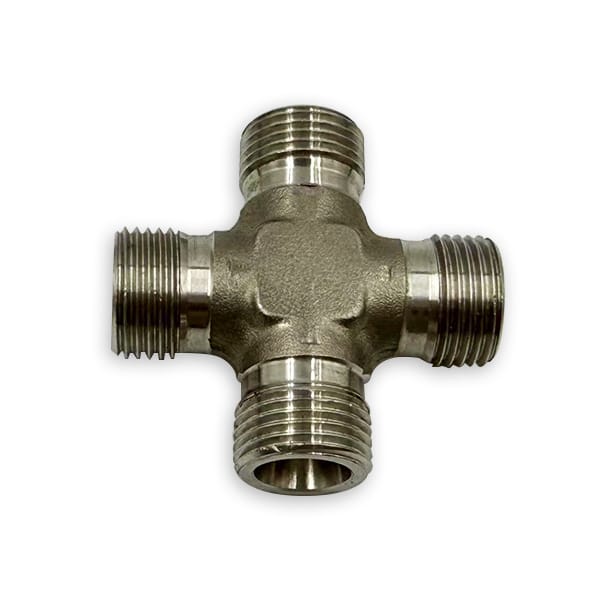
Routine Checks
- Inspect fittings every 3–6 months, or after unusual stress events
- Look for cracks, corrosion, leaks, or wear
- Replace any fittings showing signs of pressure compromise
Concept: Fatigue Life
Repeated pressure cycling can weaken fittings. Steel fittings typically withstand 1 million cycles at rated pressure, while brass and composites have lower fatigue limits.
Step 8: Comparing Fitting Types
| Feature | Steel | Brass | Composite |
|---|---|---|---|
| Strength | Very High | Medium | Low-Medium |
| Pressure Rating | Up to 10,000 psi | Up to 5,000 psi | Up to 3,000 psi |
| Corrosion Resistance | Medium-High | High | High |
| Weight | Heavy | Medium | Light |
| Ideal Applications | Industrial hydraulics | Automotive/light hydraulics | Chemical/specialty systems |
| Cost | High | Medium | Medium |
Insight:
Steel is best for heavy-duty, high-pressure systems, while brass or composite may be sufficient for lower-pressure, chemically sensitive applications.
Step 9: Common Mistakes and How to Avoid Them
- Choosing fittings based solely on cost
- Ignoring pressure rating, temperature, or chemical compatibility
- Mixing thread standards without proper adapters
- Skipping regular inspections and maintenance
Pro Tip:
Document operating pressures, temperature ranges, and chemical exposure. Review fittings annually to prevent system failure.
Step 10: Emerging Trends in High Pressure Hose Fittings
AI & Predictive Maintenance
- Sensor-enabled fittings monitor leaks and pressure drops in real time
- Predictive analytics reduce downtime and prevent catastrophic failures
Advanced Materials
- High-strength polymers with metal reinforcement
- Corrosion-resistant coatings for steel fittings
- Lighter components without sacrificing pressure rating
Sustainability
- Reusable fittings and connectors
- Reduced chemical waste in hydraulic systems
- Energy-efficient manufacturing processes
Step 11: High Pressure Hose Fittings Safety Checklist
- Confirm pressure rating > system max pressure
- Check material compatibility with fluid and environment
- Verify correct diameter and thread type
- Apply proper torque and installation practices
- Conduct routine inspection and replacement schedule
Conclusion
Selecting high pressure hose fittings safely is vital for hydraulic, industrial, and automotive systems. Proper material choice, size, pressure rating, installation, and maintenance ensures system reliability, safety, and longevity.
Modern technology, advanced materials, and predictive maintenance tools allow engineers to maximize performance and prevent failures. Understanding the key steps and following safety guidelines is the cornerstone of effective hydraulic system management.
FAQ
1. How do I know if a fitting is safe for my system?
Check maximum pressure, operating temperature, and chemical compatibility. Always select a fitting rated above these limits.
2. Can I mix steel and brass fittings?
Only if adapters are rated for pressure and thread type compatibility. Mismatched materials may fail under high pressure.
3. How often should fittings be inspected?
Every 3–6 months, or after any unusual pressure spikes, leak, or system modification.
4. What are the differences between NPT, JIC, and BSP threads?
They are thread standards. NPT relies on thread seal, JIC and BSP often use flared ends. Using the wrong type can cause leaks.
5. Are composite fittings reliable for high-pressure hydraulic systems?
Composite fittings are suitable for specialty applications, but steel is recommended for extreme pressures (>5,000 psi).
6. What common mistakes lead to fitting failure?
Over-tightening, improper material selection, mismatched thread type, and neglecting maintenance are the top causes.