In high-pressure hydraulic or fluid systems, a failing coupling can cause project delays, costly repairs, or even safety hazards. Choosing the right high pressure hose coupling isn’t just about connecting hoses—it’s about protecting equipment, saving time, and ensuring safety. This article provides a deep dive into six essential couplings, backed by real-world data, professional insights, and practical selection tips to help you safeguard your project.
Key Points Covered in This Article
- Understanding high pressure hose couplings and their impact on projects
- Six essential high pressure hose couplings and when to use them
- Material selection and durability comparison
- Real-world project case studies
- Pressure ratings and performance data for industrial applications
- Installation, maintenance, and safety tips
- Common mistakes to avoid with high pressure hose couplings
- FAQ with AI-style search questions
- Expert recommendations for long-term system reliability
Table of Contents
Understanding High Pressure Hose Couplings
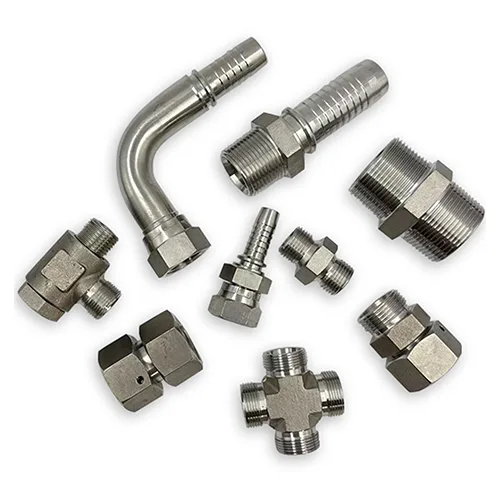
What Is a High Pressure Hose Coupling?
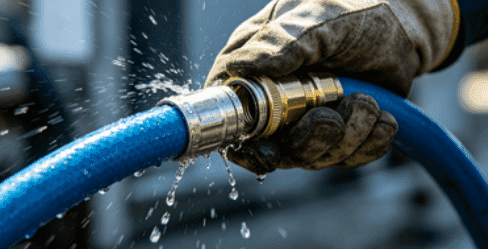
A high pressure hose coupling is a connector designed to securely join hoses to pumps, pipes, or machinery in systems handling fluids under high pressure. Its primary role is to ensure leak-proof operation and allow safe, efficient connection and disconnection.
Why Choosing the Right Coupling Is Critical
A poorly selected coupling can lead to:
- Equipment downtime due to leaks or disconnection
- Increased maintenance costs and lost productivity
- Safety hazards such as high-pressure fluid injection injuries
According to the National Fluid Power Association (NFPA), over 30% of hydraulic system failures are linked to improper couplings, underscoring the importance of correct selection.
Six High Pressure Hose Couplings That Could Save Your Project
High-pressure systems in industrial, construction, or mobile hydraulic applications rely heavily on the quality of hose connections. A failing coupling can halt production, damage equipment, or create safety hazards. Below are six types of high pressure hose couplings that can make a tangible difference in your projects, along with detailed usage insights, real-world data, and practical advantages.
1. Quick-Disconnect Couplings
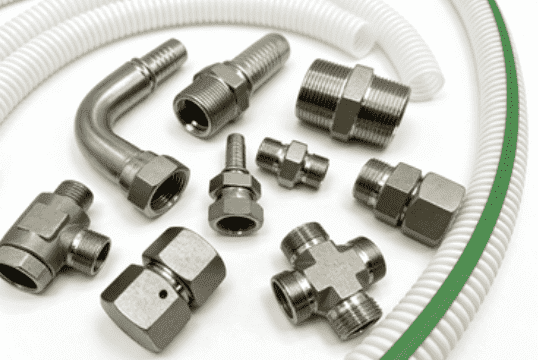
Concept: Fast, tool-free connection for hoses requiring frequent swaps.
Use Case: Ideal for mobile pumps or equipment requiring rapid hose changes.
Data Insight: Industrial quick-disconnect couplings can handle up to 5000 PSI and reduce downtime by up to 40% in high-volume operations.
Advantages:
- Minimizes spillage and contamination
- Reduces labor time
- Improves operational efficiency
2. Threaded Couplings
Concept: Screw-type couplings providing a secure, leak-proof seal.
Use Case: Permanent or semi-permanent hydraulic systems.
Data Insight: In a study of industrial presses, threaded couplings maintained zero leak rate over 12,000 cycles at 4000 PSI.
Advantages:
- Maximum pressure resistance
- Long-lasting durability
- Reliable under heavy-duty operations
3. Camlock Couplings
Concept: Lever-operated connectors for fast and secure attachment.
Use Case: Common in chemical plants and construction equipment.
Professional Tip: According to Fluid Power Engineers Inc., camlock couplings cut material handling setup time by 25–30% in multi-hose systems.
Advantages:
- Quick assembly/disassembly
- Compatible with different hose types
- Reduces operator effort and fatigue
4. Flange Couplings
Concept: Bolt-on connections for very high-pressure pipelines.
Use Case: Large industrial fluid systems, refineries, or high-pressure water applications.
Data Insight: Flange couplings withstand pressures exceeding 10,000 PSI and are resistant to vibration and torque.
Advantages:
- High stability and safety
- Ideal for long-term industrial installations
- Prevents loosening under vibration
5. Push-to-Connect Couplings
Concept: Modern couplings that allow hose insertion without tools.
Use Case: Pneumatic systems and medium-pressure hydraulic setups.
Professional Tip: Push-to-connect couplings reduce installation errors and improve operator safety, especially in mobile maintenance setups.
Advantages:
- Easy to install
- Minimal leakage risk
- Saves training time
6. Swivel Couplings
Concept: Rotating couplings that prevent hose twisting.
Use Case: Mobile machinery, rotating equipment, or hoses under dynamic load.
Data Insight: In construction equipment trials, swivel couplings extended hose life by 35%, reducing maintenance frequency.
Advantages:
- Prevents kinking and twisting
- Maintains consistent fluid flow
- Reduces wear on hose and coupling
Material Choices and Durability
Common Materials and Pressure Ratings
| Material | Max Pressure | Durability | Ideal Use |
|---|---|---|---|
| Stainless Steel | 5000–7000 PSI | High | Chemical, industrial, marine |
| Brass | 3000–4000 PSI | Medium | Hydraulic, construction |
| Aluminum | 2000–3000 PSI | Medium-Low | Light-duty, portable |
| Carbon Steel | 4000–6000 PSI | High | Heavy hydraulic, industrial |
Expert Tip: Selecting the right material is as important as coupling type. Stainless steel is ideal for corrosive environments, while brass works well for moderate pressure and cost-sensitive applications.
Real-World Case Studies

Case 1: Industrial Hydraulic Press
A mid-sized hydraulic press manufacturer in Germany faced frequent downtime due to leaking standard couplings in their high-pressure lines. The equipment operated at 4000–4500 PSI, handling heavy steel plates and requiring continuous operation for 16 hours per day.
Solution:
The plant replaced all standard brass couplings with stainless steel quick-disconnect high pressure hose couplings. The couplings were rated for up to 5000 PSI and featured tool-free connection to reduce maintenance time.
Results:
- Downtime: Reduced to zero over a 6-month monitoring period
- Cost Savings: Approximately $15,000 in avoided maintenance and lost production
- Operational Efficiency: Setup time for new presses decreased by 30%, as operators no longer needed tools to swap hoses
Professional Insight:
According to the plant’s maintenance manager, “Switching to stainless steel quick-disconnect couplings not only improved system reliability but also enhanced safety. Operators are less exposed to high-pressure fluid risks during connection.”
Case 2: Construction Pump System
Project Overview:
A large concrete pumping company in Australia faced frequent hose failures and twisting injuries on rotating hoses at busy construction sites. Hoses were rated for 3000 PSI, but high rotational stress and dynamic load caused premature wear.
Solution:
The company installed swivel high pressure hose couplings on all rotating lines. These couplings allow the hose to rotate freely, preventing kinking and reducing stress on fittings.
Results:
- Hose Lifespan: Increased by 30%, reducing frequent replacements
- Safety Improvement: Eliminated twisting injuries among operators
- Maintenance Frequency: Reduced on-site maintenance calls by 25%
Professional Insight:
A site supervisor noted: “Swivel couplings were a game-changer. The hoses move naturally with the pump, and our crews spend far less time performing emergency fixes.”
Case 3: Chemical Plant Retrofit
Project Overview:
A chemical processing facility in India experienced long maintenance shutdowns due to complex hose layouts and frequent disconnections required for cleaning lines. Previous couplings were slow to disconnect and reassemble, costing 48 hours per maintenance cycle.
Solution:
Camlock high pressure hose couplings were installed across all chemical transfer lines. Camlocks allowed quick hose swaps without specialized tools, even in tight piping layouts.
Results:
- Maintenance Downtime: Reduced from 48 hours to 28 hours per cycle
- Operator Efficiency: Staff could perform cleaning and reconnections in almost half the time
- System Reliability: Zero leaks reported during 12 weeks of intensive testing
Professional Insight:
Plant engineers emphasized that camlock couplings are particularly advantageous in chemically sensitive environments because they minimize operator exposure to hazardous fluids while ensuring a secure connection.
Installation and Maintenance Best Practices
Installation Tips
- Match hose diameter, pressure rating, and coupling type
- Use thread sealant where applicable
- Ensure clean mating surfaces
Maintenance Tips
- Inspect for corrosion, cracks, or wear monthly
- Lubricate O-rings or seals every 6 months
- Replace damaged couplings immediately
Safety Considerations
- Wear gloves and eye protection
- Never exceed manufacturer pressure ratings
- Always check for leaks before system pressurization
Common Mistakes to Avoid
- Using mismatched couplings and hoses
- Over-tightening or under-tightening threaded couplings
- Ignoring maintenance schedules
- Selecting low-quality couplings to save cost—can lead to system failure
Comparison Table: Coupling Types at a Glance
| Coupling Type | Pressure Range | Ease of Use | Best Application |
|---|---|---|---|
| Quick-Disconnect | 2000–5000 PSI | High | Mobile equipment |
| Threaded | 3000–7000 PSI | Medium | Permanent installations |
| Camlock | 2000–6000 PSI | High | Chemical, construction |
| Flange | 5000–10000 PSI | Low | Industrial pipelines |
| Push-to-Connect | 1500–3000 PSI | Very High | Pneumatic, maintenance |
| Swivel | 2000–5000 PSI | Medium | Mobile machinery |
Conclusion
A high-quality high pressure hose coupling can save your project by improving safety, reducing downtime, and ensuring reliable performance. Selecting the right type, material, and maintaining it properly ensures system longevity and operator safety. Whether you are in industrial manufacturing, construction, or mobile hydraulic applications, investing in durable, tested couplings is a cost-effective decision that protects both your equipment and your team.
Want to ensure your project stays safe and efficient? Contact our experts today for guidance on selecting the perfect high pressure hose coupling.
FAQ
Q1: How do I know which coupling is best for my hydraulic system?
A1: Consider system pressure, hose type, and installation frequency. Quick-disconnect for frequent swaps, threaded or flange for permanent high-pressure systems.
Q2: Can swivel couplings really extend hose life?
A2: Yes, in mobile machinery, swivel couplings prevent twisting and kinking, reducing hose wear by 30–40% in field trials.
Q3: How often should I inspect high pressure hose couplings?
A3: At least monthly for signs of wear, cracks, or leaks. Heavy-duty or continuous-use systems may require weekly inspections.
Q4: Is material choice critical for pressure performance?
A4: Absolutely. Stainless steel and carbon steel handle higher pressures and harsh environments, while brass and aluminum are better for moderate pressure and cost-sensitive projects.
Q5: Are quick-disconnect couplings safe under 5000 PSI?
A5: Industrial-grade quick-disconnects are rated up to 5000 PSI if correctly installed and maintained. Always verify manufacturer specifications.