Table of Contents
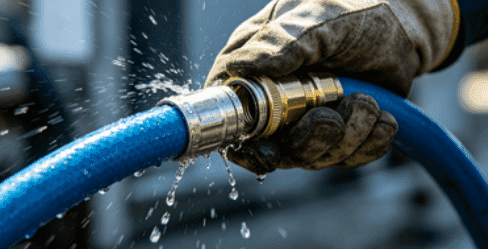
When it comes to connecting hoses for garden, industrial, or household use, a hose connector pipe plays a crucial role. Whether you are a DIY enthusiast, a professional landscaper, or someone who frequently uses water systems, understanding this simple yet essential component can save you time, money, and frustration. In this article, we’ll walk you through everything you need to know about a hose connector pipe, from types and materials to installation, maintenance, and buying tips.
Introduction
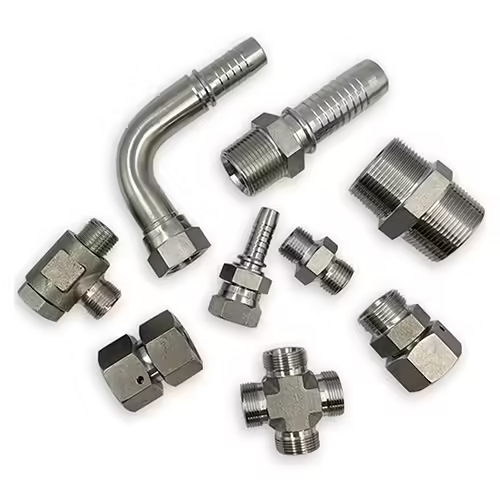
A hose connector pipe is a device designed to join hoses, extend water flow, or connect hoses to equipment such as sprinklers, pumps, or irrigation systems. While it may look like a simple tube with threads, the right connector pipe ensures a leak-free and durable connection.
The materials used for a hose connector pipe vary widely. Plastic connectors are lightweight and affordable, making them ideal for casual garden use. Stainless steel or brass connectors provide superior durability and resistance to corrosion, often lasting several years in harsh outdoor conditions. Choosing the right material depends on the environment, usage frequency, and type of water system you have.
Types of Hose Connector Pipes
Hose connector pipes come in several types, each suited for different purposes:
- Plastic Hose Connector Pipes: Lightweight, affordable, and resistant to rust. Best for light garden use.
- Stainless Steel Hose Connector Pipes: Durable and corrosion-resistant. Suitable for heavy-duty or outdoor applications.
- Brass or Aluminum Hose Connector Pipes: Strong and long-lasting, often used in professional or industrial setups.
- Quick-Connect Hose Connector Pipes: Designed for easy, tool-free attachment and removal, saving time for frequent connections.
Understanding these types helps you select a connector pipe that aligns with your needs and ensures a longer lifespan.
How to Choose the Right Hose Connector Pipe
Choosing the right hose connector pipe is more than just picking a size. Here are key factors to consider:
- Size and Compatibility: Measure your hose diameter accurately and select a connector pipe that fits snugly. Loose fittings can cause leaks, while too-tight fittings can damage the hose.
- Material Considerations: Plastic is suitable for light-duty tasks, stainless steel for durability, and brass or aluminum for professional applications.
- Durability and Weather Resistance: If the connector will be exposed to sunlight or cold temperatures, choose a material that can withstand environmental conditions.
- Cost vs Quality: While affordable options exist, investing in a high-quality connector pipe can prevent frequent replacements and reduce long-term costs.
Step-by-Step Installation Guide
Installing a hose connector pipe is straightforward but requires attention to detail:
- Tools You Need: Typically, you need adjustable wrenches or pliers for threaded connections, and plumber’s tape can help ensure a tight seal.
- Installation Steps:
- Turn off water supply before installation.
- Align the hose with the connector pipe threads.
- Screw the connector pipe onto the hose until snug, avoiding over-tightening.
- Attach the other end to the desired equipment or hose section.
- Safety Tips: Always ensure water pressure is off during installation, and avoid forcing connectors to prevent cracking or damage.
Maintenance and Troubleshooting
Even a high-quality hose connector pipe requires some maintenance:
- Regular Maintenance Tips: Clean the connector pipe periodically to remove dirt or mineral deposits. Use mild soap and water and dry thoroughly.
- Common Problems and Solutions: Leaks are the most frequent issue. Applying plumber’s tape to the threads or replacing worn washers can often resolve leaks.
- How to Extend the Life of Your Hose Connector Pipe: Store connectors indoors during winter or prolonged non-use, avoid exposure to direct sunlight for long periods, and check for signs of corrosion regularly.
Hose Connector Pipe vs Other Hose Adapters
You might wonder why a hose connector pipe is necessary when other adapters exist. Here’s a breakdown:
- Differences Between Connector Pipes and Standard Adapters: Connector pipes often provide a more durable and leak-resistant solution, especially for heavy-duty or frequent use.
- When to Use a Hose Connector Pipe: Use it when you need secure connections, extensions, or compatibility with multiple hose sizes.
- Pros and Cons: While connector pipes are generally durable and versatile, they may be slightly more expensive than basic adapters. However, their longevity and reliability usually justify the cost.
Buying Guide and Recommendations
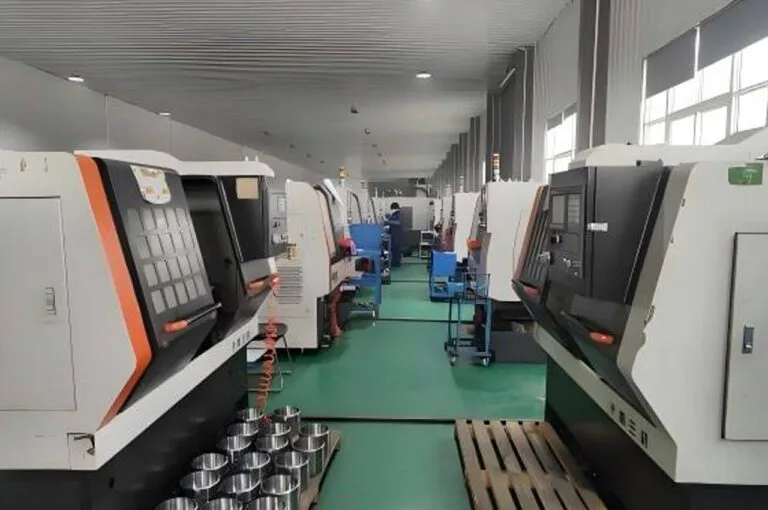

Selecting the right hose connector pipe requires understanding your options:
| Feature | Plastic | Stainless Steel | Brass/Aluminum | Quick-Connect |
|---|---|---|---|---|
| Durability | Medium | High | High | Medium-High |
| Corrosion Resistance | Low | Very High | High | Medium |
| Price | Low | Medium-High | High | Medium |
| Ease of Use | Easy | Moderate | Moderate | Very Easy |
| Best Use | Light garden | Outdoor/Industrial | Heavy-duty | Frequent connections |
When buying, check online retailers or local suppliers for product specifications, durability, and compatibility with your hoses. Look for products with clear warranty information, as this often reflects quality standards.
Conclusion
A hose connector pipe may seem like a small component, but it plays a vital role in maintaining an efficient and leak-free water system. Understanding its types, materials, installation process, and maintenance tips ensures you make the right choice and enjoy a long-lasting, reliable solution. Whether you are upgrading your garden system or managing industrial hoses, investing time in selecting the right connector pipe pays off in durability, convenience, and peace of mind.
FAQ
What is a hose connector pipe?
A hose connector pipe is a device used to join hoses or connect them to equipment, ensuring a secure and leak-free water flow.
How do I install a hose connector pipe?
Simply align the hose with the connector pipe threads, screw it in snugly, and use plumber’s tape if needed to prevent leaks.
Can any hose fit a hose connector pipe?
Not all hoses are compatible. Check the diameter and thread type of both the hose and connector pipe before purchase.
How do I maintain a hose connector pipe?
Clean it regularly, avoid prolonged exposure to sunlight or harsh weather, and replace washers when worn to ensure durability.
Where can I buy a hose connector pipe?
Hose connector pipes are available online, at hardware stores, or from local suppliers—choose based on size, material, and intended use.
Need Help Choosing the Right Hose Connector Pipe?
If you’re unsure about which hose connector pipe is best for your garden, home, or industrial system, our experts are here to help. Contact us today for a personalized consultation, and ensure your water connections are secure and leak-free. Don’t wait until problems arise—get in touch now to protect your hoses and keep your system running smoothly!