Table of Contents
Stainless tubing fittings are an essential component in many industrial, commercial, and residential piping systems. They provide a secure connection between tubes and pipes, ensuring leak-free operation and system reliability. Choosing the right stainless tubing fittings and maintaining them properly can dramatically extend their service life, reduce downtime, and improve overall system efficiency. In this article, we explore everything you need to know about maintaining stainless tubing fittings, including installation, regular maintenance, troubleshooting, and buying tips.
Introduction
Stainless tubing fittings are connectors designed to join or terminate stainless steel tubes in piping systems. They are widely used in applications that demand high strength, corrosion resistance, and durability. The most common materials used for these fittings are stainless steel grades 304 and 316, chosen for their resistance to corrosion, chemical exposure, and high temperatures. Grade 316 stainless steel, for instance, contains molybdenum, which enhances resistance to chlorides and other corrosive elements, making it ideal for harsh environments.
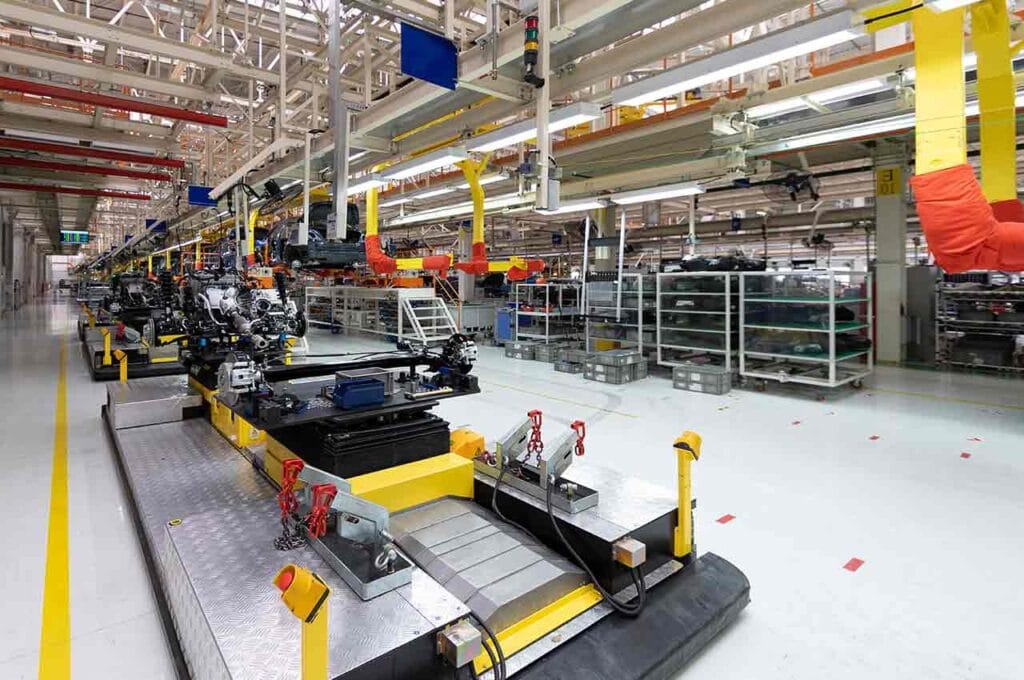
Understanding the type of system you are working with is critical when selecting stainless tubing fittings. They are widely used in chemical processing, water treatment, food and beverage production, and laboratory applications. The correct selection ensures safety, reliability, and long-term performance.
Types of Stainless Tubing Fittings
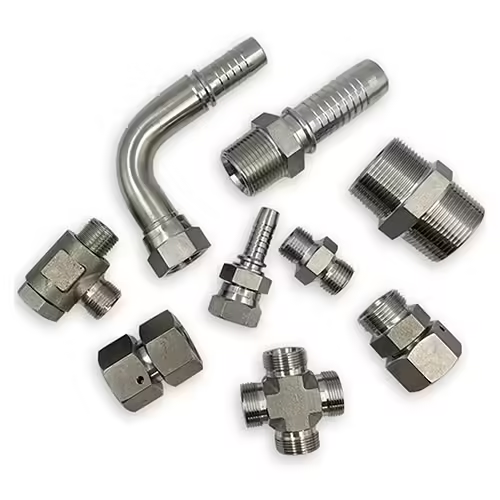
Stainless tubing fittings come in various designs to accommodate different applications. Common types include:
Compression Fittings: These fittings use a compression ring to create a tight seal between the tube and fitting. They are ideal for moderate-pressure systems and offer easy installation and maintenance.
Flare Fittings: Flare fittings require the tube end to be flared before installation. This type provides a secure connection for high-pressure applications and reduces the risk of leaks.
Push-to-Connect Fittings: These fittings allow for quick and tool-free installation, making them convenient for systems that require frequent assembly and disassembly.
Threaded Fittings: Threaded fittings use standard threads to secure connections. They are widely used in industrial systems for their strength and ease of replacement.
Choosing the Right Stainless Tubing Fittings
Selecting the right stainless tubing fittings involves more than simply matching tube diameters. Consider these factors:
Size and Compatibility: Ensure the fitting matches your tube’s outer diameter precisely. Even a small mismatch can lead to leaks or reduced performance.
Material Considerations: Choose the appropriate stainless steel grade based on system exposure to chemicals, temperature, and moisture. For highly corrosive environments, grade 316 is preferable.
Application Requirements: Evaluate the system’s pressure, flow rate, and operating conditions. Some fittings are better suited for high-pressure applications, while others are designed for low-pressure or sensitive fluid systems.
Installation Best Practices
Proper installation of stainless tubing fittings is crucial for long-term performance:
Tools You Need: Adjustable wrenches, pliers, and plumber’s tape are often required.
Step-by-Step Installation: Start by cutting the tube squarely, clean the ends, slide the fitting on, and tighten according to manufacturer specifications. Avoid over-tightening, which can deform the tube or fitting.
Avoiding Common Mistakes: Do not force a mismatched tube into a fitting, and always double-check thread alignment to prevent leaks or system damage.
Regular Maintenance Tips
Maintaining stainless tubing fittings is essential to prevent corrosion, leaks, and system failures:
Cleaning Methods: Use mild detergents and water to remove dirt and debris. Avoid abrasive cleaners that may scratch the stainless surface.
Inspection Checklist: Regularly inspect fittings for corrosion, wear, or loosened connections. Pay attention to compression rings and washers.
Preventive Measures: Apply corrosion-resistant lubricants if recommended, and ensure fittings are not exposed to unnecessary mechanical stress.
The following table summarizes recommended maintenance intervals based on system type and environment:
| System Type | Maintenance Interval | Key Checks | Recommended Cleaning Method |
|---|---|---|---|
| Industrial high-pressure | Every 3 months | Corrosion, leaks, thread integrity | Mild detergent + rinse |
| Chemical processing | Every 2 months | Wear, chemical residue, sealing rings | Neutralizing agent + water |
| Water treatment | Every 6 months | Scale buildup, loose fittings | Vinegar or mild descaling solution |
| Residential/Low-pressure | Every 12 months | Leaks, corrosion | Soap and water |
Troubleshooting Common Problems
Even with proper maintenance, issues can arise:
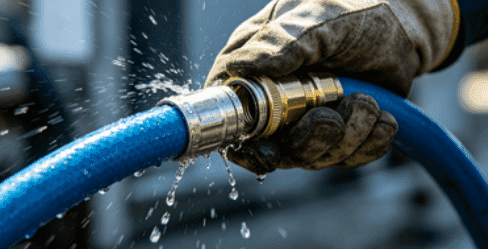
Leaks and Loose Connections: These are often caused by worn washers or improperly tightened fittings. Replacing washers or re-tightening connections usually resolves the problem.
Corrosion Issues: Stainless fittings can corrode if exposed to incompatible chemicals or extreme conditions. Use compatible materials and perform regular cleaning to minimize risks.
Pressure or Flow Problems: Blockages or partial closures in the tubing can reduce flow. Inspect fittings and tubing for obstructions, and replace damaged components if necessary.
Comparing Stainless Tubing Fittings with Other Fittings
Compared to plastic or brass fittings, stainless tubing fittings offer several advantages:
Durability: Stainless steel resists wear, corrosion, and temperature fluctuations better than most other materials.
High-Pressure Applications: Stainless fittings maintain integrity under high-pressure and high-temperature conditions.
Cost vs Longevity: While stainless fittings may have a higher upfront cost, their longevity and low maintenance requirements often justify the investment.
Buying Guide and Recommendations
When purchasing stainless tubing fittings, consider:
Where to Buy: Both online and local industrial suppliers offer a variety of options. Look for verified suppliers with clear material specifications.
Key Features: Leak-proof design, corrosion resistance, pressure rating, and compatibility with your tubing system.
Price Considerations: Evaluate the trade-off between upfront cost and expected service life. High-quality fittings may reduce long-term maintenance costs.
Conclusion
Proper selection, installation, and maintenance of stainless tubing fittings are essential for ensuring reliable, leak-free systems. By understanding types, materials, and preventive care techniques, you can extend the life of your fittings, reduce downtime, and maintain system efficiency. Whether you are managing industrial pipelines or residential water systems, investing in high-quality stainless tubing fittings and following best maintenance practices will provide long-term value and system reliability.
FAQ
What are stainless tubing fittings?
Stainless tubing fittings are connectors used to join tubes in piping systems, ensuring a secure and leak-free connection.
How do I install stainless tubing fittings?
Clean the tube ends, align with the fitting, and tighten according to manufacturer instructions to prevent leaks.
What types of stainless tubing fittings are available?
Common types include compression, flare, push-to-connect, and threaded fittings for different applications.
How do I maintain stainless tubing fittings for long life?
Regularly clean stainless tubing fittings, inspect for corrosion or wear, and replace washers or seals to ensure leak-free, durable connections.
Where can I buy high-quality stainless tubing fittings?
They are available from industrial suppliers, online distributors, and local hardware stores with verified specifications.
Need Help Choosing the Right Stainless Tubing Fittings?
If you’re unsure which stainless tube fittings are best for your system or application, our experts are here to help. Contact us today for a personalized consultation, and ensure your piping connections are secure, leak-free, and long-lasting. Don’t wait until issues arise—get in touch now to protect your system and keep it running smoothly!