Table of Contents
Hydraulic Connectors are critical components in any hydraulic system, connecting hoses, pipes, and tubes to ensure smooth, leak-free operation. Despite their robust design, hydraulic fittings can experience a range of problems that affect system efficiency and safety. Understanding these issues and how to resolve them can save you costly repairs, downtime, and prevent equipment damage.
Introduction
Hydraulic fittings are connectors that join hoses, tubes, or pipes in a hydraulic system. They are designed to withstand high pressures and transmit fluids efficiently while preventing leaks. Selecting the right type of fitting and ensuring proper installation is essential for optimal system performance. According to a study by the Hydraulic Institute, improper or worn hydraulic fittings are responsible for over 35% of fluid loss incidents in industrial systems.
Types of Hydraulic Fittings
There are several types of hydraulic fittings, each serving different purposes:
- Threaded Fittings: These provide strong, leak-resistant connections but must be installed correctly to avoid cross-threading.
- Flared and Compression Fittings: Often used for high-pressure lines, these fittings require precise installation to prevent leaks.
- Quick-Connect Fittings: Ideal for applications that require frequent assembly and disassembly, but they require regular inspection for wear.
Each type has its own advantages and potential failure points, making proper selection and maintenance critical.
Common Issues with Hydraulic Fittings
Hydraulic fittings can develop various problems over time:
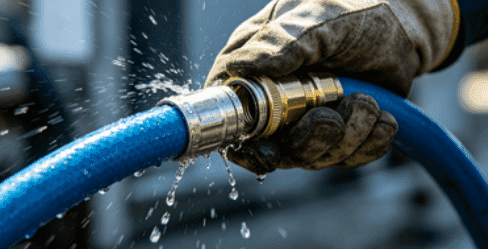
- Leaks at joints or connectors: Often caused by worn seals, over-tightening, or cross-threading.
- Corrosion or material degradation: Exposure to moisture, chemicals, or extreme temperatures can weaken metal or plastic fittings.
- Cracks or wear: Pressure fluctuations and vibration can cause cracks or wear in fittings and connectors.
- Reduced system performance: Blockages, incorrect installation, or damaged fittings can restrict fluid flow, reducing efficiency.
Causes of Hydraulic Fitting Problems
Understanding why hydraulic fittings fail is essential for prevention:
- High pressure or overloading: Exceeding a fitting’s rated pressure can cause leaks or damage.
- Poor material quality: Low-grade metals or plastics are prone to corrosion and wear.
- Incorrect installation practices: Twisting, over-tightening, or cross-threading can compromise seals.
- Environmental factors: Exposure to chemical fluids, extreme temperatures, and moisture can accelerate degradation.
How to Diagnose Hydraulic Fitting Problems
Identifying issues early can prevent major failures:
- Visually inspect fittings for cracks, corrosion, or deformation.
- Listen for hissing or unusual sounds indicating leaks.
- Test system pressure and flow rate to detect performance drops.
- Examine seals, washers, and O-rings for wear or damage.
Step-by-Step Solutions to Common Problems
Resolving hydraulic fitting problems requires proper techniques:
- Fixing leaks: Replace damaged washers, O-rings, or connectors. Ensure fittings are tightened correctly without cross-threading.
- Handling corrosion and wear: Use corrosion-resistant materials such as stainless steel or brass for critical connections.
- Correct installation: Follow manufacturer torque specifications, avoid twisting, and ensure proper alignment.
- Preventing blockages: Clean fittings and filters regularly to maintain smooth fluid flow.
Preventive Maintenance Tips
Regular maintenance extends the life of hydraulic fittings:
- Schedule periodic inspections to check for leaks or damage.
- Clean fittings and hoses to remove debris and chemical residues.
- Lubricate threads and seals where recommended.
- Replace worn or damaged components immediately.
- Ensure fittings match the system’s pressure and fluid type.
Material Considerations for Longevity
Selecting the right material is essential for durability and performance:
| Material | Advantages | Disadvantages | Best Use Case |
|---|---|---|---|
| Stainless Steel | Highly corrosion-resistant, durable | Higher cost | High-pressure, corrosive environments |
| Brass | Corrosion-resistant, easy to install | Softer than steel, may deform under high pressure | Standard hydraulic systems, moderate pressure |
| Plastic | Lightweight, cost-effective | Less durable, prone to cracking | Low-pressure systems, non-critical applications |
Choosing the correct material based on pressure, chemical exposure, and environmental conditions is key to reducing failures.
Selecting the Right Hydraulic Fittings


When selecting fittings:
- Match the fitting to the hose or tube size and pressure requirements.
- Consider material compatibility with the hydraulic fluid and environment.
- Evaluate quality and supplier reliability, balancing cost and durability.
- Understand the system application, whether industrial, automotive, or machinery-specific.
Correct selection reduces maintenance costs and prevents operational issues.
Conclusion
Hydraulic fittings are vital for the efficiency and safety of any hydraulic system. Common problems such as leaks, corrosion, and wear can be prevented or resolved with proper material selection, installation, and maintenance. Regular inspection and adherence to manufacturer guidelines will ensure your system remains reliable, leak-free, and long-lasting. Investing in high-quality fittings and practicing proactive maintenance ultimately protects your equipment and reduces costly downtime.
FAQ
What are hydraulic fittings used for?
Hydraulic fittings connect hoses, tubes, and pipes in a hydraulic system to ensure leak-free fluid transfer and system efficiency.
How do I choose the right hydraulic fittings?
Select fittings based on hose/tube size, system pressure, material compatibility, and intended application.
How can I prevent leaks in hydraulic fittings?
Regularly inspect fittings, replace worn seals, and ensure proper installation without cross-threading.
Can hydraulic fittings handle high-pressure systems?
Yes, but only if you use fittings rated for the system’s maximum pressure and follow installation guidelines.
Where can I buy high-quality hydraulic fittings?
You can purchase them from industrial suppliers, certified online distributors, and specialized hydraulic equipment retailers.
Need Help Choosing the Right Hydraulic Fittings?
If you’re unsure which hydraulic fittings are best for your system or machinery, our experts are here to help. Contact us today for a personalized consultation, and ensure your hydraulic system is secure, leak-free, and long-lasting. Don’t wait until issues arise—get in touch now to protect your equipment and maintain optimal performance!