Table of Contents
Selecting the right hydraulic fittings for your hydraulic system is crucial for safety, efficiency, and long-term performance. Hyd fittings ensure secure connections between hoses, tubes, and other hydraulic components, preventing leaks, pressure loss, and potential system failures. Understanding types, materials, and installation best practices is essential for engineers, technicians, and maintenance personnel.
Types of Hyd Fittings
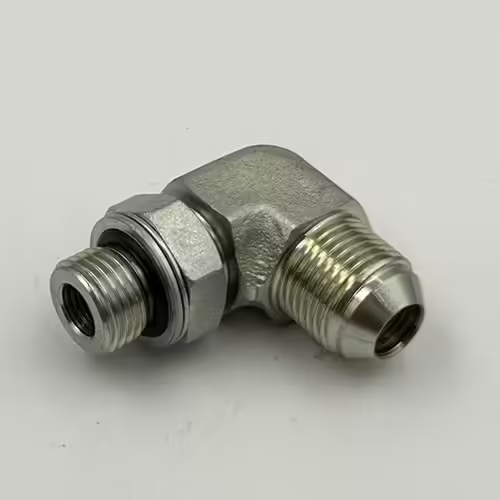
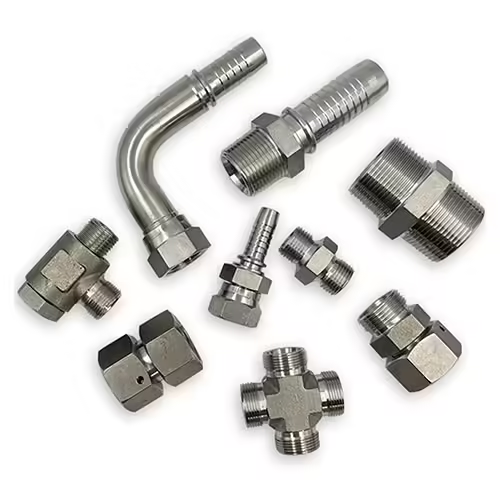
Hydraulic fittings come in various designs to accommodate different applications:
- Threaded fittings – Common in low-pressure systems; easy to install and maintain.
- Flared fittings – Provide leak-free connections for high-pressure hydraulic lines.
- Compression fittings – Ideal for connecting rigid tubes; reliable and robust.
- Quick-connect fittings – Allow fast assembly and disassembly without tools, suitable for mobile or frequently changed setups.
Choosing the appropriate type depends on system pressure, fluid type, and application environment.
Common Materials Used
Hydraulic fittings are made from materials that balance durability, corrosion resistance, and compatibility with hydraulic fluids. Common options include:
| Material | Key Features | Typical Applications |
|---|---|---|
| Stainless Steel | Corrosion-resistant, durable | High-pressure and harsh environments |
| Carbon Steel | High strength, cost-effective | General hydraulic systems |
| Brass | Corrosion-resistant, easy to machine | Low-pressure, water-based hydraulics |
| Aluminum | Lightweight, corrosion-resistant | Mobile and aerospace hydraulic applications |
Material choice directly affects system longevity and maintenance frequency.
How to Select the Right Hyd Fittings
When selecting hydraulic fittings, consider these key factors:
- Pressure Rating – Ensure the fitting can handle your system’s maximum operating pressure.
- Fluid Compatibility – Confirm the material resists chemical reactions with the hydraulic fluid.
- Connection Type – Choose a type that matches hoses or tubes for proper sealing.
- Temperature Range – Verify the fitting withstands the operating temperature without deforming or leaking.
- Compliance Standards – Follow ISO, SAE, or industry-specific standards for safety and reliability.
Installation Best Practices
Correct installation is critical to prevent leaks and system failures:
- Use appropriate torque on threaded fittings to avoid over-tightening.
- Ensure alignment to prevent stress on the connection.
- Apply thread sealant or PTFE tape where required by manufacturer guidelines.
- Inspect seals, O-rings, or ferrules before assembly.
Maintenance Tips
Regular maintenance ensures your hydraulic fittings perform reliably:
- Inspect for corrosion, cracks, or wear.
- Replace damaged seals or washers promptly.
- Clean fittings to prevent debris contamination.
- Check for leaks after pressurizing the system.
Common Issues and Troubleshooting
Even with proper selection and installation, hydraulic fittings can encounter problems:
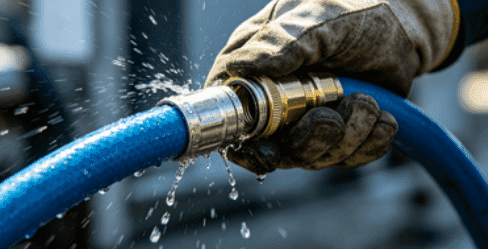
- Leaks – Often caused by damaged seals or improper torque.
- Corrosion – Can weaken fittings and lead to failure.
- Loose connections – Result from vibration or insufficient tightening.
- Misalignment – Causes stress on hoses and tubes, increasing wear.
Understanding these issues helps prevent downtime and costly repairs.
Benefits of High-Quality Hyd Fittings
Investing in quality hyd fittings offers multiple advantages:
- Increased system reliability and safety
- Reduced maintenance costs and downtime
- Enhanced pressure and flow performance
- Extended lifespan of hoses, tubes, and equipment
Conclusion
Hyd fittings are essential components in hydraulic systems. Selecting the right type, material, and size, coupled with proper installation and maintenance, ensures your system operates efficiently and safely. Always follow manufacturer specifications and industry standards to avoid leaks, failures, and unnecessary downtime.
FAQ
What are hyd fittings used for?
Hyd fittings are essential components in hydraulic systems, designed to securely connect hoses, tubes, and other hydraulic components. They ensure a leak-free transfer of fluids under high pressure, maintain system integrity, and support reliable operation in machinery, industrial equipment, and mobile applications.
How do I choose the right hyd fittings?
Choosing the right hyd fittings requires evaluating system pressure, fluid type, temperature range, material compatibility, and connection style. Selecting fittings that match your hydraulic system’s requirements ensures safety, prevents leaks, reduces wear, and enhances long-term performance under varying operational conditions.
Which materials are commonly used for hyd fittings?
Hyd fittings are typically made from stainless steel, carbon steel, brass, or aluminum. Material choice depends on application demands such as pressure tolerance, resistance to corrosion, fluid compatibility, and environmental conditions, ensuring durability and optimal performance in industrial, mobile, or chemical systems.
How can I prevent leaks in hyd fittings?
Preventing leaks involves proper installation techniques, correct torque settings, precise alignment of connected components, and using compatible seals or O-rings. Regular inspection and maintenance can identify early signs of wear, corrosion, or misalignment, extending the service life of the fittings and maintaining system efficiency.
What are common problems with hyd fittings?
Common issues include leaks, corrosion, loose connections, misalignment, and thread damage. These problems often stem from improper installation, using incompatible materials, exposure to extreme pressures or temperatures, or insufficient maintenance, potentially leading to system failure or decreased performance over time.
Need Help Choosing the Right Hyd Fittings?
If you’re unsure about which hyd fittings are best for your system, our experts are here to help. Contact us today for a personalized consultation, and ensure your hydraulic system is reliable and leak-free. Don’t wait until it’s too late—get in touch now to protect your equipment and performance!