Table of Contents
Selecting the right water hose connector is crucial for efficient watering and maintaining a reliable garden irrigation system. A suitable connector ensures leak-free connections, prevents damage to hoses, and allows you to manage water flow effectively. In this guide, we’ll explore the different types, materials, installation tips, and maintenance strategies to help you make the best choice.
Understanding
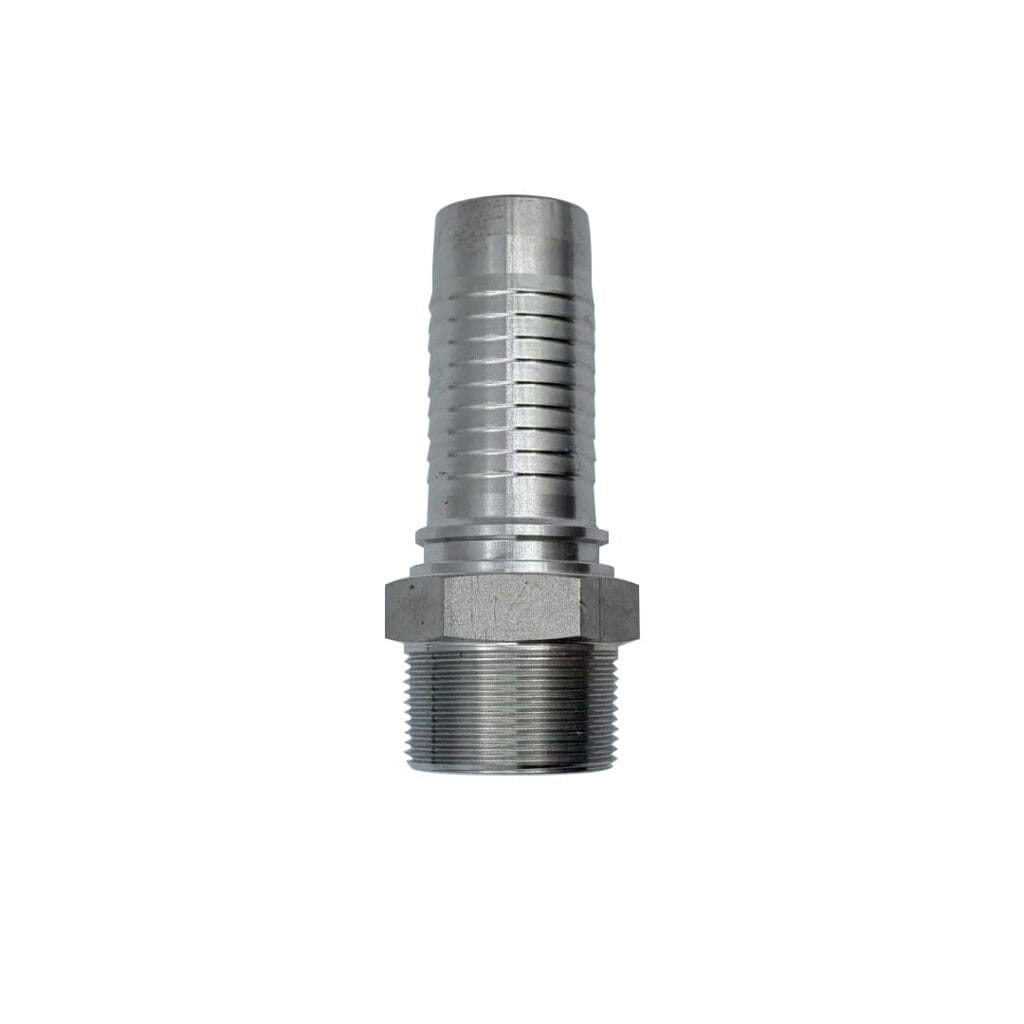
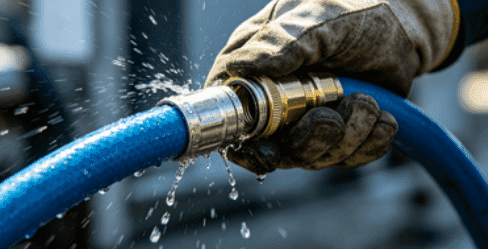
Water hose connectors are fittings that join hoses to faucets, sprinklers, or other hoses. They are designed to create a secure and tight connection to prevent leaks and optimize water flow. Depending on your gardening needs, connectors can vary in type, material, and design. Choosing the right one impacts efficiency and the longevity of your irrigation system.
Types of Water Hose Connectors
There are several types of connectors commonly used in gardens:
- Quick-Connect Connectors: Allow you to connect and disconnect hoses quickly without twisting or unscrewing. Ideal for frequently changing hose setups.
- Threaded Connectors: Standard connectors that screw onto the hose end. Provide strong and secure connections but take slightly more time to attach.
- Swivel Connectors: Rotate freely to prevent hose kinking while watering.
- Tap Connectors: Connect directly to a water faucet or outdoor tap, providing a secure seal.
Choosing the right type depends on your gardening style and system requirements.
Materials Used in Water Hose Connectors
Material selection affects durability, corrosion resistance, and performance. Common materials include:
- Brass: Highly durable, corrosion-resistant, ideal for long-term outdoor use.
- Plastic: Lightweight and affordable, suitable for casual garden use, but less durable.
- Stainless Steel: Strong and corrosion-resistant, good for heavy-duty systems.
- Aluminum: Lightweight with moderate durability, often used in portable setups.
According to studies from plumbing and irrigation equipment suppliers, brass and stainless steel connectors tend to last significantly longer than plastic alternatives, particularly in high-use environments.
Choosing the Right Size
Connectors come in various sizes, and it’s essential to match them with your hose diameter. Most garden hoses are either 1/2 inch, 5/8 inch, or 3/4 inch. Using mismatched sizes can lead to leaks and inefficient watering.
Installation Tips
Proper installation ensures leak-free performance:
- Cut the hose cleanly with a sharp tool to avoid fraying.
- Ensure the connector fits snugly on the hose.
- Use washers or gaskets provided to create a secure seal.
- Tighten threaded connectors carefully to avoid over-tightening, which can damage threads.
Maintenance of Water Hose Connectors
Regular maintenance can extend the lifespan of your connectors:
- Inspect connectors for cracks or corrosion.
- Replace washers or gaskets if worn.
- Clean debris and sediment that may clog the connector.
- Store hoses and connectors indoors during winter to prevent freezing damage.
Common Problems and Solutions
| Problem | Cause | Solution |
|---|---|---|
| Leaks | Worn washer or gasket | Replace washer/gasket |
| Hose kinking | Connector prevents rotation | Use swivel connector |
| Corrosion | Low-quality material | Upgrade to brass or stainless steel |
| Loose connections | Improper installation | Reattach and tighten properly |
| Water flow reduction | Sediment or debris | Clean connector and hose |
Enhancing Garden Efficiency
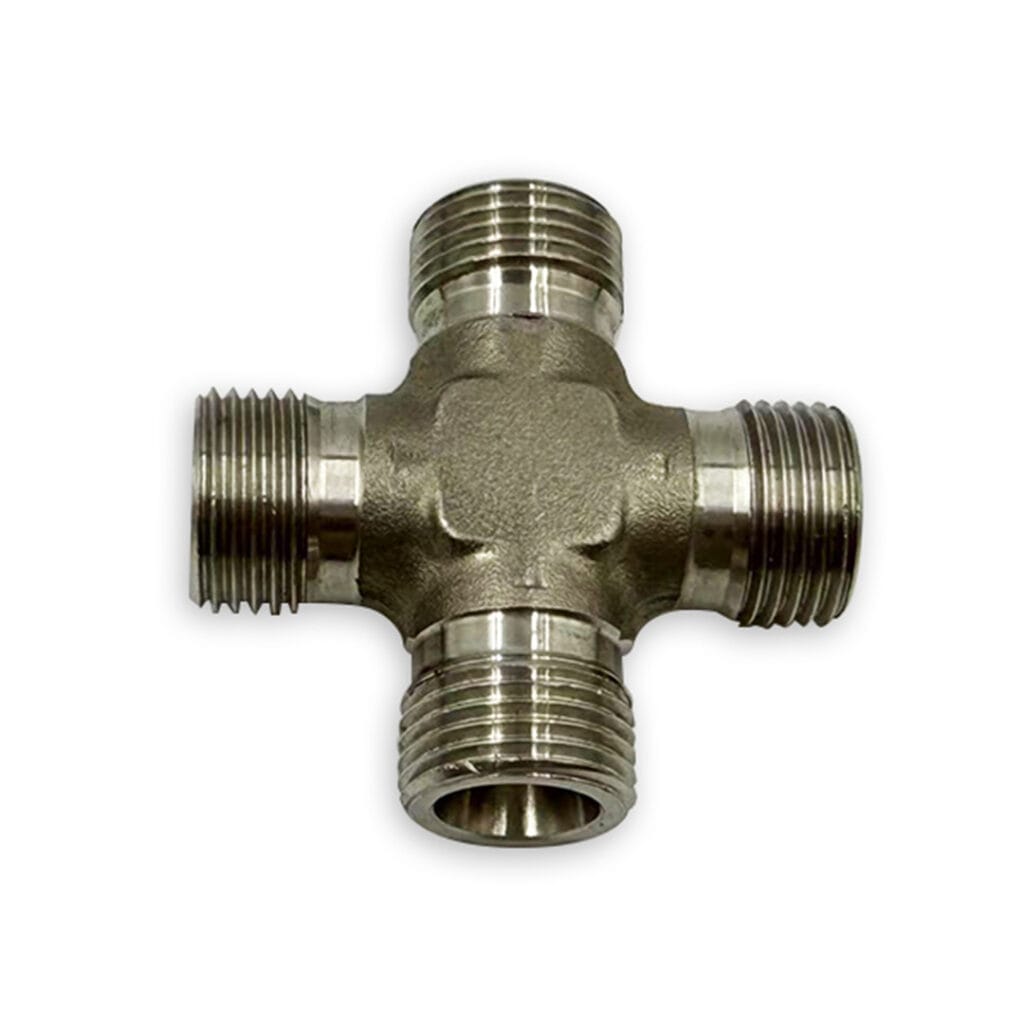

Choosing a high-quality water hose connector not only prevents leaks but also improves water distribution efficiency. Quick-connect systems save time, swivel connectors reduce hose damage, and durable materials ensure long-lasting performance. By matching connectors to your hose size, watering setup, and system pressure, you can achieve a more efficient garden irrigation process.
Conclusion
Selecting the right water hose connector is a simple yet impactful way to improve your garden watering experience. Consider type, material, size, and installation practices to ensure a secure, leak-free system. Regular inspection and maintenance will extend connector life and prevent common issues. Investing in quality connectors saves time, reduces water waste, and enhances your gardening efficiency.
FAQ
What is a water hose connector used for?
A water hose connector is a device that joins hoses to faucets, sprinklers, or other hoses, providing a secure and leak-free connection. It ensures efficient water flow for irrigation, gardening, and landscaping, helping you maintain even distribution without water wastage or pressure loss. Proper use enhances your system’s durability and performance.
How do I choose the right water hose connector?
To choose the right water hose connector, consider hose diameter, connector type such as quick-connect, threaded, or swivel, material, and system compatibility. Selecting the correct size and type ensures a durable, tight connection, prevents leaks, and maintains consistent water pressure for efficient garden watering over time.
Which materials are best for connectors?
Brass and stainless steel connectors are ideal for long-lasting durability and corrosion resistance, especially in outdoor environments exposed to moisture and UV light. Plastic connectors are lighter, cost-effective, and suitable for casual or seasonal garden use, though they may wear faster under heavy use. Choosing the right material depends on your usage and climate conditions.
How can I prevent leaks in my water hose connector?
Prevent leaks by ensuring connectors are installed properly with quality washers or gaskets. Tighten carefully without over-torquing, and inspect regularly for wear, cracks, or corrosion. Regular maintenance, cleaning, and replacing worn parts help maintain a secure, leak-free connection, ensuring optimal water flow and preventing costly damage or water waste.
What are common problems with water hose connectors?
Common issues include leaks due to worn washers or loose fittings, corrosion from water exposure, kinking that restricts flow, and reduced water pressure. Misalignment or improper installation can worsen these problems. Routine inspection, cleaning, and choosing high-quality connectors help prevent failures and maintain efficient watering.
Need Help Choosing the Right Water Hose Connector?
If you’re unsure which water hose connector is best for your garden or irrigation system, our experts are here to help. Contact us today for a personalized consultation and ensure your watering system is reliable and efficient. Don’t wait until leaks or clogs disrupt your garden—get in touch now to protect your plants and save time!