Table of Contents
Introduction
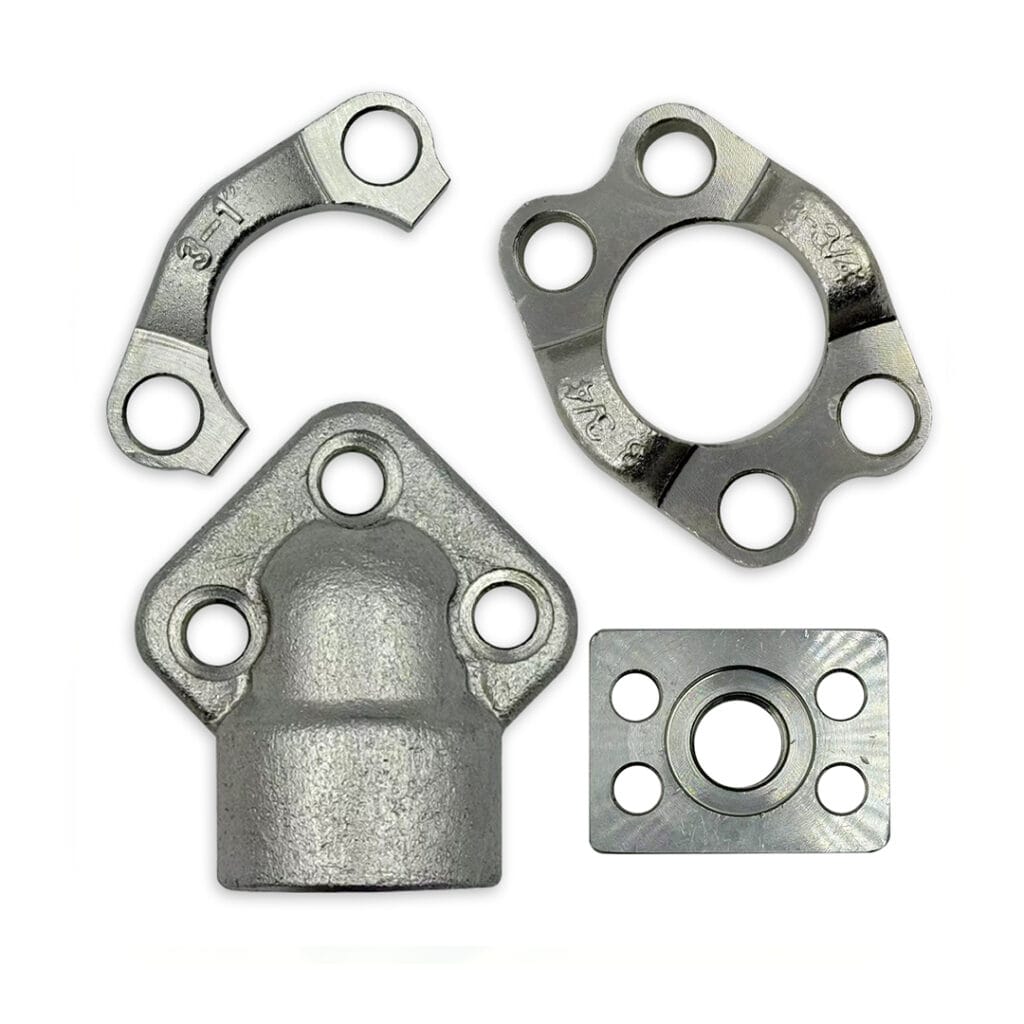
Galvanized pipe connectors are widely used in plumbing and industrial piping systems due to their corrosion resistance, strength, and cost-effectiveness. These fittings are coated with a layer of zinc to protect the underlying steel, making them suitable for water supply lines, outdoor installations, and various mechanical systems. Choosing the right galvanized pipe connectors is essential for ensuring long-term reliability and leak-free performance.
What Are Galvanized Pipe Fittings?
Galvanized pipe connectors are steel or iron fittings that have been coated with zinc to prevent rust and corrosion. This protective layer extends the lifespan of piping systems, especially in environments exposed to moisture or outdoor conditions.
Types of Galvanized Pipe Fittings
There are several commonly used types of galvanized pipe connectors:
- Elbow fittings – Used to change pipe direction (45° or 90°).
- Tee fittings – Allow branching of flow into multiple directions.
- Couplings – Connect two pipes in a straight line.
- Reducers – Connect pipes of different diameters.
- Caps and plugs – Seal pipe ends securely.
Materials and Coating Protection
Galvanized pipe connectors are typically made from carbon steel or iron and coated with zinc. This coating provides a protective barrier against moisture and oxidation.
| Material Base | Coating Type | Key Benefit | Typical Application |
|---|---|---|---|
| Carbon Steel | Zinc coated | Strong corrosion resistance | Water supply systems |
| Malleable Iron | Zinc coated | High durability | Industrial piping systems |
| Cast Iron | Zinc coated | Pressure resistance | Outdoor plumbing networks |
Industry studies show that galvanized coatings can significantly extend service life compared to untreated steel, especially in humid or outdoor environments.
How to Choose the Right Galvanized Pipe Fittings
When selecting fittings, consider the following factors:
- Pipe size compatibility – Ensure correct diameter matching
- Pressure rating – Match system pressure requirements
- Environment exposure – Outdoor or humid conditions require better coating quality
- Fluid type – Water, air, or non-corrosive fluids
- Thread type – BSP, NPT, or metric threading compatibility
Installation Tips
Proper installation is critical for performance:
- Clean threads before installation
- Apply thread seal tape or sealant
- Tighten fittings evenly to avoid stress points
- Avoid over-tightening to prevent cracking
- Inspect alignment before final fixing
Maintenance Tips
- Inspect fittings regularly for corrosion or leaks
- Replace damaged or rusted components promptly
- Clean external surfaces to prevent buildup
- Monitor joints in high-pressure systems
Advantages of Galvanized Pipe Fittings


- Strong corrosion resistance
- Cost-effective compared to stainless steel
- Long service life in outdoor conditions
- Suitable for water and air systems
- Easy installation and replacement
Conclusion
Galvanized pipe fittings provide a durable and economical solution for a wide range of piping systems. Their zinc coating helps protect against corrosion, making them ideal for water supply and outdoor applications. By selecting the right type, ensuring proper installation, and performing regular maintenance, you can significantly extend system lifespan and improve performance reliability.
FAQ
What are galvanized pipe fittings used for?
They are used to connect and control pipes in water, air, and fluid systems, providing corrosion resistance and durability in both indoor and outdoor applications.
How do I choose the right galvanized pipe fittings?
Consider pipe size, pressure rating, environment, fluid type, and thread compatibility to ensure safe and efficient performance.
Do galvanized pipe fittings rust?
They are highly resistant to rust due to zinc coating, but damage to the coating can lead to corrosion over time.
Can galvanized pipe fittings be used for drinking water?
Yes, but suitability depends on local regulations and system requirements; in some cases, alternatives may be preferred for potable water systems.
What are common issues with galvanized pipe fittings?
Rust, leaks, thread damage, and sediment buildup are common issues caused by wear, improper installation, or coating damage.
Need Help Choosing the Right Galvanized Pipe Fittings?
If you’re unsure which galvanized pipe fittings are best for your piping system, our experts are here to help. Contact us today for professional guidance and ensure your system is safe, durable, and efficient. Don’t wait until corrosion or leaks appear—get in touch now to protect your pipeline!