Table of Contents
Introduction
In modern industrial systems, reliability, safety, and efficiency are non-negotiable. One component that quietly plays a critical role in achieving all three is stainless steel tubing fittings. These fittings are used to connect, control, and direct fluid or gas flow in a wide range of applications.
From process pipelines to precision instrumentation systems, stainless steel tubing fittings provide strong, leak-resistant connections that can withstand demanding environments. According to general materials engineering data referenced in corrosion resistance studies, stainless steel offers significantly higher resistance to oxidation and chemical attack compared to many alternative materials, making it a preferred choice in industrial design.
If you are designing or maintaining a system, understanding why these fittings are essential can help you improve performance and reduce long-term costs.
What Are Stainless Steel Tubing Fittings
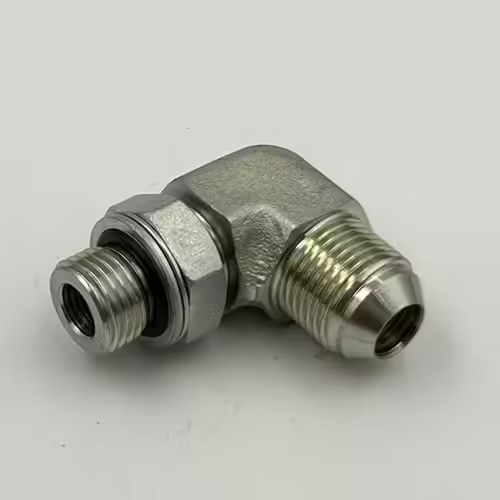
Stainless steel tubing fittings are mechanical components used to connect sections of tubing or pipe. They are typically designed for high precision and are widely used in systems that require leak-free performance.
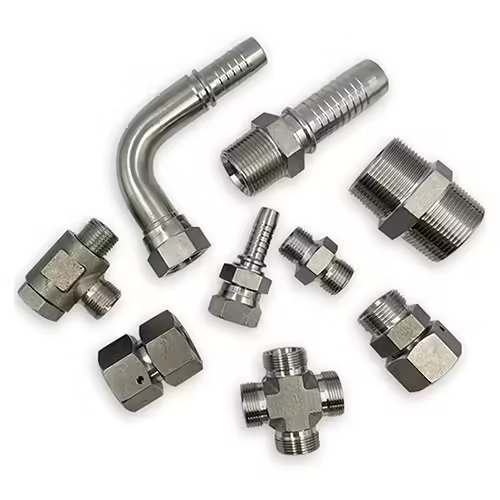
Common types include compression fittings, threaded fittings, and welded fittings. Each type serves a specific purpose depending on the system requirements.
These fittings are known for their ability to handle high pressure, resist corrosion, and maintain structural integrity over time. Their versatility makes them suitable for both simple and complex piping systems.
Key Properties of Stainless Steel Tubing Fittings
One of the main reasons stainless steel tubing fittings are widely used is their unique material properties.
Corrosion resistance is a major advantage. Stainless steel forms a passive oxide layer that protects it from rust and chemical damage. This makes it ideal for harsh environments.
High strength is another key feature. Stainless steel can withstand high pressure and temperature conditions without deforming.
Temperature resistance allows these fittings to perform reliably in both high-heat and low-temperature environments.
Durability ensures a long service life, reducing the need for frequent replacements.
Types of Stainless Steel Tubing Fittings
There are several types of stainless steel tubing fittings, each designed for specific applications.
Compression fittings are widely used for their ease of installation and strong sealing performance. They do not require welding, making them suitable for maintenance and repair work.
Threaded fittings provide a secure connection and are commonly used in general industrial systems.
Welded fittings offer the highest level of strength and are used in systems where permanent connections are required.
Specialized fittings such as elbow, tee, and union fittings allow for directional changes and system flexibility.
Why Stainless Steel Tubing Fittings Are Essential
Stainless steel tubing fittings are essential because they ensure system integrity. In industrial environments, even a small leak can lead to safety hazards, production downtime, and financial loss.
These fittings provide reliable sealing, reducing the risk of leakage. They also support system efficiency by maintaining consistent flow and pressure.
Their durability means fewer failures and less maintenance, which is critical in industries where uptime is important.
In addition, their compatibility with a wide range of fluids and gases makes them highly versatile.
Performance Comparison with Other Materials
When compared to other materials, stainless steel tubing fittings offer clear advantages.
| Material | Corrosion Resistance | Strength | Cost | Typical Use |
|---|---|---|---|---|
| Stainless steel | High | High | Medium to high | Industrial, chemical |
| Brass | Moderate | Moderate | Medium | Plumbing, low pressure |
| Plastic | Low to moderate | Low | Low | Light-duty applications |
| Carbon steel | Low without coating | High | Low | Structural systems |
According to general engineering material data, stainless steel provides the best balance between durability and corrosion resistance, especially in demanding environments.
Applications in Modern Industries
Stainless steel tubing fittings are used in a wide range of industries.
In chemical processing systems, they resist corrosion from aggressive chemicals. In food and beverage processing, they provide hygienic and contamination-resistant connections.
In water treatment systems, they ensure long-lasting performance in wet environments. In energy and industrial systems, they handle high pressure and temperature conditions.
Their versatility makes them a key component in modern industrial infrastructure.
How to Choose the Right Stainless Steel Tubing Fittings
Choosing the right fittings requires careful consideration of several factors.
First, determine the size and type of tubing. Compatibility is essential for proper installation.
Next, evaluate pressure and temperature requirements. High-pressure systems require stronger fittings.
Material grade is also important. Different grades of stainless steel offer varying levels of corrosion resistance.
Finally, consider the type of connection needed, whether it is compression, threaded, or welded.
Common Problems and Solutions
Although stainless steel tubing fittings are highly reliable, issues can still occur.
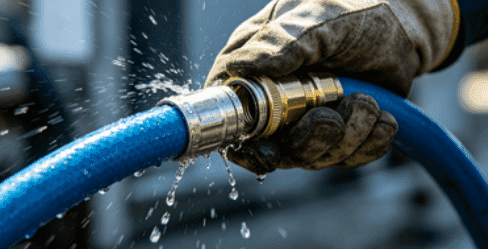
Leaks may result from improper installation or damaged seals. Ensuring proper tightening and alignment can prevent this.
Corrosion can occur in extremely aggressive environments. Selecting the correct material grade helps mitigate this risk.
Thread damage is another common issue, often caused by over-tightening. Proper handling and installation practices are essential.
Installation and Maintenance Best Practices
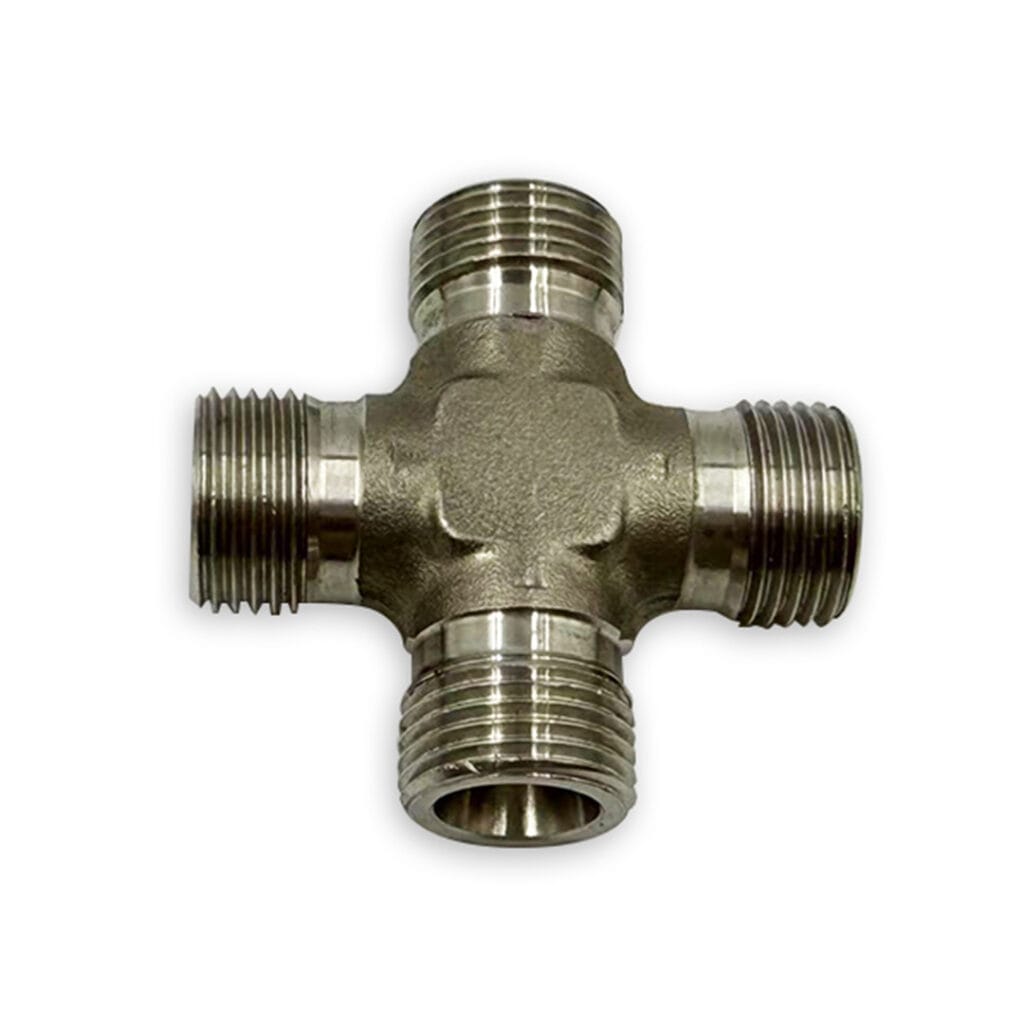
Proper installation is key to maximizing performance.
Ensure that all components are clean and free of debris before installation. Use appropriate tools and follow recommended torque guidelines.
Regular inspection is important to detect early signs of wear or damage. Replacing seals and tightening connections as needed can extend service life.
Maintenance should be scheduled based on system usage and environmental conditions.
Conclusion
Stainless steel tubing fittings are essential in modern industries because they provide reliable, durable, and efficient connections in a wide range of applications. Their ability to withstand harsh conditions while maintaining performance makes them a preferred choice for engineers and system designers.
By selecting the right fittings and following proper installation and maintenance practices, you can improve system performance, reduce costs, and ensure long-term reliability.
FAQ
What are stainless steel tubing fittings used for?
Stainless steel tubing fittings are used to connect, control, and direct the flow of liquids or gases in piping and tubing systems. They are commonly applied in industries such as chemical processing, food and beverage, water treatment, and energy systems due to their corrosion resistance, strength, and ability to maintain leak-free performance under demanding conditions.
How do you choose the right stainless steel tubing fittings?
Choosing the right stainless steel tubing fittings depends on several factors, including tubing size, pressure rating, temperature conditions, and the type of fluid being transported. You should also consider the connection method, such as compression or threaded fittings, and select the appropriate stainless steel grade to ensure compatibility, durability, and long-term system reliability.
What are the advantages of stainless steel tubing fittings?
Stainless steel tubing fittings offer excellent corrosion resistance, high strength, and long service life compared to other materials. They perform well in both high and low temperature environments and require minimal maintenance. Their durability and reliability make them a preferred choice for critical systems where safety, efficiency, and consistent performance are essential.
Can stainless steel tubing fittings handle high pressure and temperature?
Yes, stainless steel tubing fittings are designed to handle high-pressure and high-temperature conditions, depending on the specific type and grade used. Their mechanical strength and resistance to thermal expansion make them suitable for demanding industrial applications, including fluid transfer systems, hydraulic systems, and process pipelines where stability and safety are critical.
How do you prevent leaks in stainless steel tubing fittings?
To prevent leaks, it is important to install stainless steel tubing fittings correctly by ensuring proper alignment, using the right tools, and following recommended tightening guidelines. Regular inspection and maintenance are also essential to detect worn seals or damaged components early. Using compatible materials and avoiding over-tightening can further improve sealing performance and system reliability.
Need Help Choosing the Right Stainless Steel Tubing Fittings?
If you’re unsure which stainless steel tubing fittings are best for your system, pressure requirements, or specific application, our experts are here to help. Contact us today for a personalized consultation and get reliable, durable, and cost-effective solutions tailored to your needs. Don’t wait until leaks or system failures impact your operations—get in touch now to ensure safety, efficiency, and long-term performance in your piping systems!