Table of Contents
Introduction
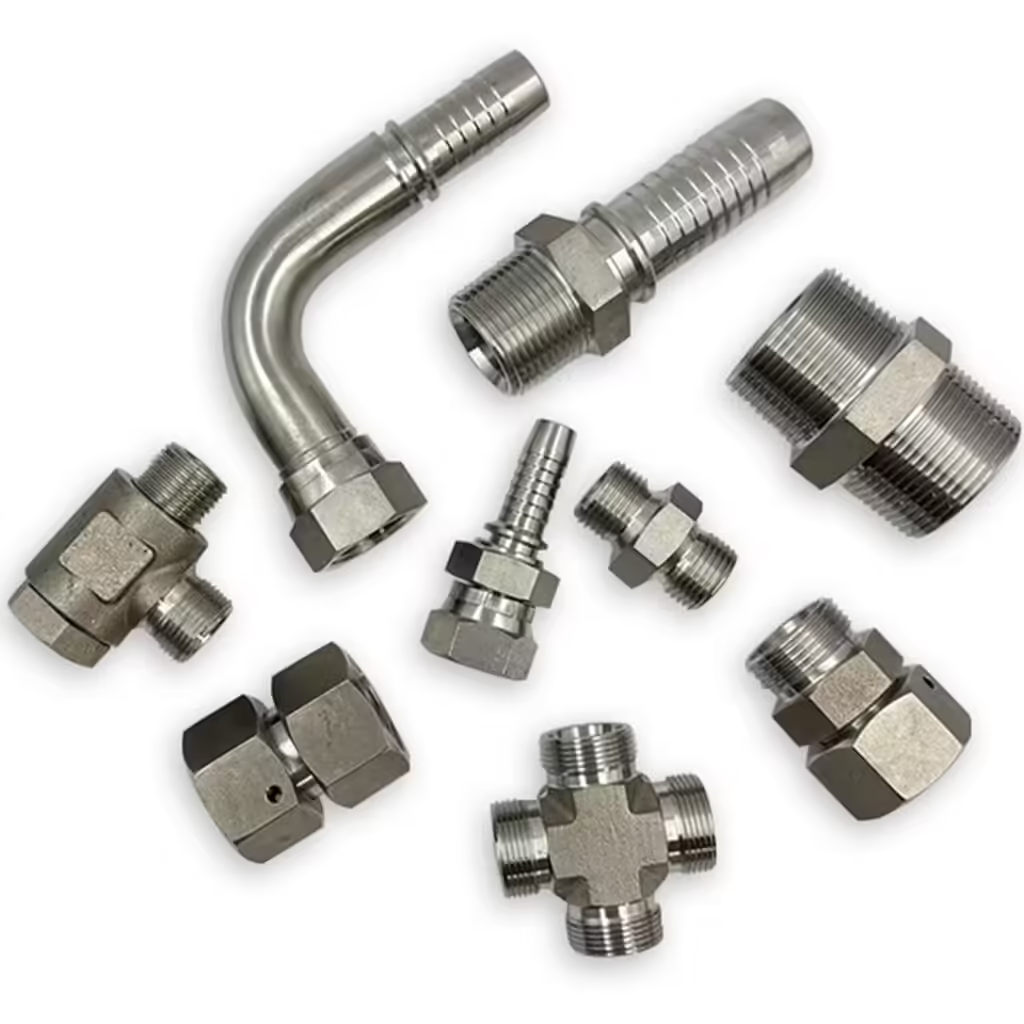
In modern industrial systems, stainless tube fittings are essential components that ensure secure and leak-free connections in fluid, gas, and hydraulic systems. Engineers rely on these fittings for durability, corrosion resistance, and consistent performance under high pressure and temperature conditions. According to industry data, improper fitting selection contributes to nearly 30% of hydraulic and pneumatic system failures, emphasizing the importance of choosing the right stainless tube fitting.
This guide provides an in-depth overview of stainless tube fittings, including types, materials, design, installation, applications, and maintenance, offering engineers practical insights to enhance system efficiency and safety.
What Is a Stainless Tube Fitting
A stainless tubing fitting is a mechanical component used to join or terminate stainless steel tubing in fluid or gas systems. These fittings provide secure, leak-proof connections and allow engineers to route, extend, or change the direction of tubing safely.
Key features include:
- Corrosion resistance for harsh industrial environments
- High-pressure tolerance for hydraulic and pneumatic systems
- Compatibility with stainless steel tubing standards
- Ease of installation and maintenance
Stainless tubing fittings are used extensively in chemical plants, food processing, pharmaceuticals, and high-pressure hydraulic systems due to their reliability and long service life.
Types of Stainless Tube Fittings
Stainless tube fittings are available in several types depending on system requirements:
- Compression Fittings – Use a ferrule to seal tubing; ideal for high-pressure applications.
- Flare Fittings – Tubing ends are flared to create a metal-to-metal seal; commonly used in gas lines.
- Push-to-Connect Fittings – Allow quick installation without tools; suitable for low- to medium-pressure systems.
- Welded Fittings – Provide permanent, leak-proof joints; ideal for high-pressure or critical applications.
- Swage Fittings – Reduce or increase tubing size; maintain flow integrity and system pressure.
Material Considerations
Stainless tube fittings are typically made from 304 or 316 stainless steel, offering:
- Excellent corrosion resistance
- High tensile strength
- Resistance to high temperatures and chemicals
Material choice depends on the system environment. For example, 316 stainless steel is preferred in marine or chemical environments for its superior corrosion resistance.
Key Design Features
| Feature | Description |
|---|---|
| Pressure Rating | Can handle from 3,000 psi up to 10,000 psi depending on fitting type |
| Temperature Range | -65°F to 800°F for standard stainless steel fittings |
| Seal Type | Metal-to-metal or elastomeric O-rings for leak-proof connections |
| Tube Compatibility | Designed for stainless steel tubing of various diameters |
| Installation | Threaded, welded, or push-to-connect depending on application |
These design elements ensure that stainless tube fittings maintain system integrity under diverse operational conditions.
Applications of Stainless Tube Fittings
Stainless tubing fittings are used across multiple industries, including:
- Hydraulic and pneumatic systems – For high-pressure fluid transfer
- Chemical and pharmaceutical processing – For corrosion-resistant piping
- Food and beverage industry – For hygienic, non-reactive connections
- Oil and gas – For high-pressure tubing in challenging environments
- Marine and offshore systems – For saltwater corrosion resistance
Installation and Maintenance Tips
- Always match fittings to the tubing size and pressure rating.
- Use proper torque and tools to prevent leaks.
- Inspect for wear, cracks, or corrosion regularly.
- Replace O-rings or ferrules as needed to maintain performance.
- Avoid mixing materials that may cause galvanic corrosion.
Proper installation and regular maintenance ensure the longevity and reliability of stainless tube fittings in industrial systems.
Performance Benefits

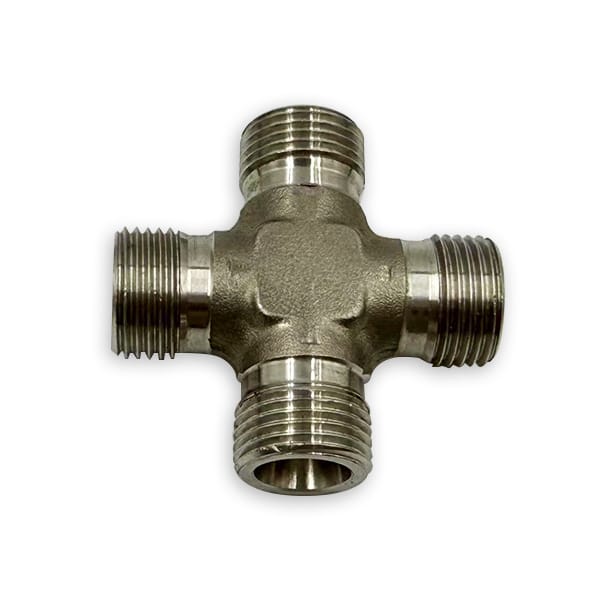
- Leak prevention – Metal-to-metal or compression seals reduce the risk of leaks.
- Durability – Stainless steel resists corrosion, abrasion, and high-pressure cycles.
- Ease of replacement – Modular designs allow for quick servicing without system shutdown.
- System safety – High-pressure and high-temperature ratings enhance operational safety.
Using stainless tube fittings enhances both system efficiency and equipment lifespan, saving costs in the long term.
Conclusion
Stainless tubing fittings are indispensable in modern industrial systems, providing secure, durable, and corrosion-resistant connections. Understanding the types, materials, design features, and proper maintenance practices ensures system reliability, efficiency, and safety. Selecting the correct fitting for your application reduces downtime, prevents leaks, and extends the service life of your tubing systems.
FAQ
What is a stainless tube fitting used for?
A stainless tubing fitting connects or terminates stainless steel tubing in hydraulic, pneumatic, or fluid systems. It ensures a leak-free, durable joint capable of withstanding high pressure, high temperature, and corrosive environments, making it essential in industrial applications.
How do you choose the right stainless tube fitting?
Select a fitting based on tubing diameter, pressure rating, material type, connection method, and system environment. Ensuring the fitting exceeds peak system pressures and is compatible with tubing material maximizes safety, performance, and long-term reliability.
What materials are stainless tube fittings made from?
Stainless tube fittings are commonly made from 304 or 316 stainless steel. These alloys provide excellent corrosion resistance, mechanical strength, and chemical stability, making them suitable for industrial, chemical, marine, and high-temperature applications.
Can stainless tube fittings be reused?
Yes, fittings can be reused if they are not damaged or corroded and the sealing components like ferrules or O-rings remain intact. Always inspect threads, seals, and metal surfaces before reuse to maintain leak-free and reliable system performance.
Why do stainless tube fittings leak?
Leaks are often caused by incorrect installation, improper tube sizing, damaged ferrules or O-rings, or exceeding pressure limits. Regular inspection, proper torque application, and choosing fittings rated above operating pressures help prevent leaks and system failures.
Need Help Choosing the Right Stainless Tube Fitting?
If you’re unsure which stainless tube fitting is best for your system or application, our experts are here to help. Contact us today for a personalized consultation, and ensure your piping and tubing systems are safe, reliable, and efficient. Don’t wait until a leak or failure occurs—get in touch now to protect your equipment and operations!