Table of Contents
Introduction
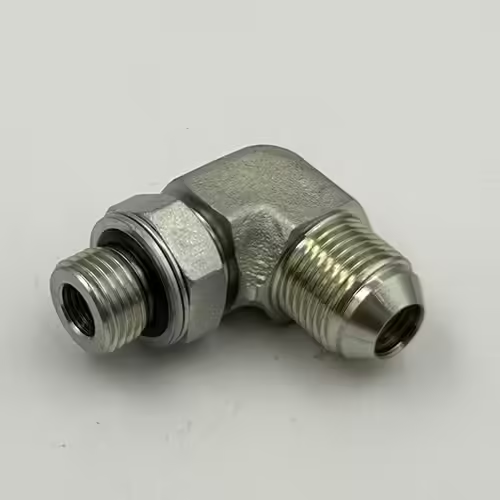
In industrial piping systems, pipe union fittings are essential components used to connect two pipes in a way that allows easy assembly and disassembly without cutting the pipeline. They are widely used in hydraulic systems, pneumatic lines, chemical processing, and general industrial piping where maintenance flexibility is required.
Industry maintenance data shows that a large portion of piping system downtime is caused by connection failures or difficult-to-service joints. Pipe union fittings help reduce this risk by offering a reusable, sealed connection that simplifies maintenance and system modification.
This guide explains the top 5 essential things you must know about pipe union fittings to improve system reliability and efficiency.
What Pipe Union Fittings Are and How They Work
A pipe union connector is a mechanical connector designed to join two pipes or tubing sections securely while allowing easy disconnection when needed.
It typically consists of three parts:
- A male end
- A female end
- A sealing nut
When tightened, the union compresses a sealing surface or gasket, creating a leak-proof connection. Unlike welded joints, pipe union connectors can be disconnected without damaging the piping system.
This makes them ideal for systems requiring frequent maintenance or modification.
Types of Pipe Union Fittings
Pipe union connectors come in different designs depending on pressure requirements and application:
- Threaded Union Fittings: Common in general piping systems, easy to install and remove
- Socket Weld Union Fittings: Used in high-pressure applications for stronger connections
- Butt Weld Union Fittings: Provide a permanent, high-strength connection with smooth flow
- Compression Union Fittings: Use compression rings for sealing, ideal for small-diameter tubing
Each type offers different levels of strength, sealing capability, and installation complexity.
Materials Used in Pipe Union Fittings
Material selection plays a critical role in performance, durability, and corrosion resistance.
| Material | Key Advantage | Typical Application |
|---|---|---|
| Carbon Steel | High strength, cost-effective | General industrial systems |
| Stainless Steel | Excellent corrosion resistance | Chemical, marine, and hydraulic systems |
| Brass | Good machinability, moderate corrosion resistance | Low-pressure water and gas systems |
| Alloy Steel | High temperature and pressure resistance | Heavy-duty industrial systems |
Stainless steel is often preferred in corrosive or high-moisture environments due to its long service life.
Advantages of Pipe Union Fittings
Pipe union fittings offer several key advantages in industrial applications:
- Easy maintenance: Pipes can be disconnected without cutting or welding
- Time efficiency: Reduces downtime during system repair or modification
- Leak prevention: Properly installed unions provide secure sealing
- Flexibility: Ideal for systems requiring frequent configuration changes
- Cost savings: Reduces labor and maintenance costs over time
These benefits make pipe union connectors a preferred choice in many engineering systems.
Common Installation Issues and Best Practices
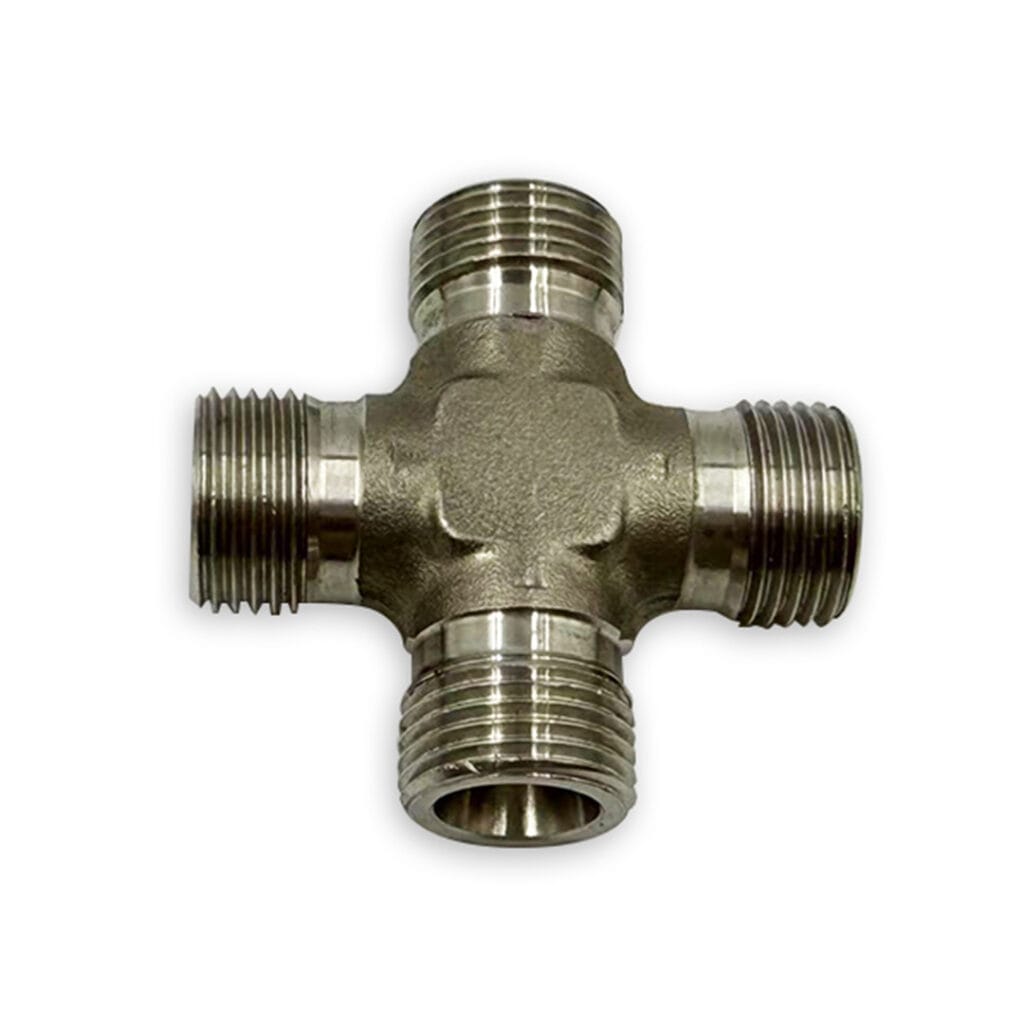

Improper installation is one of the main causes of pipe union connector failures.
Common issues include:
- Over-tightening or under-tightening
- Misalignment of pipe ends
- Damaged sealing surfaces
- Incorrect material selection
- Reusing worn sealing components
Best practices include:
- Ensuring proper alignment before tightening
- Using correct torque specifications
- Inspecting sealing surfaces regularly
- Matching fitting material with system fluid and environment
- Replacing worn seals instead of reusing them
Proper installation significantly improves system safety and long-term performance.
Conclusion
Pipe union connectors are a critical component in modern piping systems, offering flexibility, ease of maintenance, and reliable sealing performance. Understanding their types, materials, advantages, and installation best practices helps ensure long-term system efficiency and reduces operational risks.
For engineers and system designers, selecting the right pipe union connector is essential for maintaining safe, efficient, and cost-effective piping systems.
FAQ
What is a pipe union fitting used for?
A pipe union fitting is used to connect two pipes in a way that allows easy disconnection without cutting or damaging the pipeline. It is widely used in systems requiring frequent maintenance, inspection, or replacement while maintaining a secure, leak-proof connection.
How does a pipe union connector work?
A pipe union connector works by tightening a central nut that pulls two pipe ends together, compressing a sealing surface or gasket. This creates a strong, leak-resistant joint that can be easily assembled or disassembled when maintenance is required.
What materials are pipe union fittings made from?
Pipe union fittings are commonly made from carbon steel, stainless steel, brass, and alloy steel. The material choice depends on pressure level, corrosion resistance needs, temperature conditions, and the type of fluid being transported in the system.
Can pipe union fittings be reused?
Yes, pipe union fittings can usually be reused if they are not damaged. However, sealing components such as gaskets or seats should be inspected and replaced if worn to ensure a proper seal and prevent leakage in the system.
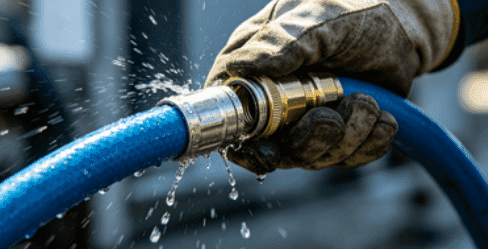
Why do pipe union fittings leak?
Leaks often occur due to improper installation, misalignment, over-tightening, damaged sealing surfaces, or worn gaskets. Regular inspection and correct torque application are essential to maintain a reliable, leak-free connection in piping systems.
Need Help Choosing the Right Pipe Union Fitting?
If you’re unsure which pipe union fitting is best for your piping system, pressure requirements, or industrial application, our experts are here to help. Contact us today for a personalized consultation, and ensure your connections are secure, durable, and leak-free. Don’t wait until system failures occur—get in touch now to protect your equipment and keep your operations running smoothly!