Table of Contents
Introduction
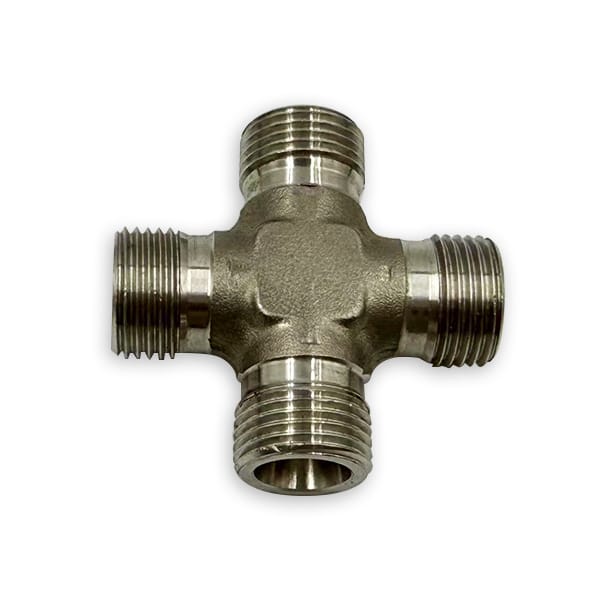
Stainless hydraulic fittings are essential components in modern hydraulic systems, designed to connect hoses, pipes, and tubes while maintaining high-pressure integrity and corrosion resistance. They are widely used in industries such as construction, manufacturing, marine systems, chemical processing, and heavy machinery.
Industry reliability studies show that a significant percentage of hydraulic system failures are linked to connection issues rather than pump or valve failure. This makes stainless hydraulic fittings a critical factor in ensuring system safety, efficiency, and long-term performance.
This guide explains everything engineers and buyers need to know about stainless hydraulic fittings, including types, materials, applications, installation practices, and maintenance strategies.
What Are Stainless Hydraulic Fittings?
Stainless steel hydraulic fittings are connectors used in hydraulic systems to join hoses, tubes, or pipes securely under high pressure. These fittings ensure leak-free fluid transfer while resisting corrosion, vibration, and extreme operating conditions.
Key functions of stainless steel hydraulic fittings:
- Connect hydraulic hoses and rigid tubing
- Maintain system pressure integrity
- Prevent leakage in high-pressure environments
- Ensure system flexibility and modularity
Their stainless steel construction makes them ideal for harsh environments where standard fittings may fail.
Types of Stainless Hydraulic Fittings
Different hydraulic systems require different stainless steel hydraulic fittings:
- Threaded fittings: Easy installation, widely used in general hydraulic systems
- Flange fittings: Used in high-pressure and heavy-duty hydraulic applications
- Compression fittings: Provide secure sealing without welding
- Push-to-connect fittings: Quick installation for low to medium pressure systems
- Welded fittings: Permanent, high-strength connections for critical systems
Each type of stainless steel hydraulic fitting offers different performance levels depending on pressure and application requirements.
Materials and Grades of Stainless Hydraulic Fittings
Stainless steel hydraulic fittings are commonly made from:
| Material Grade | Key Feature | Application |
|---|---|---|
| 304 Stainless Steel | General corrosion resistance | Standard hydraulic systems |
| 316 Stainless Steel | High corrosion resistance | Marine, chemical, offshore systems |
| Duplex Stainless Steel | High strength + corrosion resistance | Heavy industrial systems |
316 stainless steel hydraulic fittings are most commonly used in corrosive environments due to superior durability and chemical resistance.
Advantages of Stainless Hydraulic Fittings
Using stainless steel hydraulic fittings provides multiple engineering benefits:
- High corrosion resistance in harsh environments
- Excellent pressure handling capability
- Long service life with minimal maintenance
- Resistance to vibration and mechanical stress
- Compatibility with a wide range of hydraulic fluids
These advantages make stainless steel hydraulic fittings a preferred choice in critical hydraulic systems.
Applications of Stainless Hydraulic Fittings
Stainless hydraulic fittings are used in various industries:
- Construction machinery hydraulic systems
- Industrial manufacturing equipment
- Marine and offshore hydraulic systems
- Chemical processing plants
- Oil and gas hydraulic operations
- Heavy-duty agricultural machinery
Their versatility allows stainless steel hydraulic fittings to perform reliably in both high-pressure and corrosive environments.
Installation Best Practices
Proper installation is essential for stainless steel hydraulic fittings performance:
- Ensure correct torque during tightening
- Avoid over-tightening threaded stainless hydraulic fittings
- Match fitting type with system pressure rating
- Use compatible sealing materials
- Prevent contamination during installation
Improper installation is one of the main causes of hydraulic leakage and system inefficiency.
Maintenance and Inspection Guidelines
Regular maintenance improves the lifespan of stainless steel hydraulic fittings:
- Inspect fittings for corrosion or wear
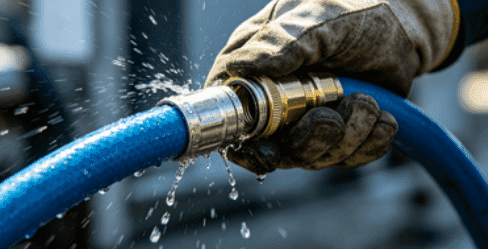
- Check for hydraulic fluid leakage
- Verify torque stability after system operation
- Replace damaged seals immediately
- Monitor vibration-heavy connection points
Preventive maintenance reduces downtime and extends system reliability.
Common Problems with Stainless Hydraulic Fittings


Even high-quality stainless steel hydraulic fittings can face issues:
- Leakage due to improper installation
- Thread damage from over-tightening
- Corrosion in highly aggressive chemical environments (if incorrect grade is used)
- Misalignment causing pressure loss
- Seal degradation over time
Most of these issues are preventable through correct selection and installation practices.
Conclusion
Stainless steel hydraulic fittings play a crucial role in ensuring the safety, efficiency, and durability of hydraulic systems. Their corrosion resistance, high-pressure capability, and long service life make them essential in demanding industrial environments.
Selecting the right stainless steel hydraulic fittings and following proper installation and maintenance practices significantly improves system reliability and reduces operational risks.
FAQ
What are stainless hydraulic fittings used for?
Stainless hydraulic fittings are used to connect hoses, pipes, and tubes in hydraulic systems. They ensure secure, leak-free fluid transfer under high pressure while offering excellent corrosion resistance, making them ideal for industrial, marine, and chemical applications.
Why use stainless steel hydraulic fittings instead of carbon steel?
Stainless steel hydraulic fittings provide better corrosion resistance, longer service life, and improved performance in harsh environments. They are preferred in applications involving moisture, chemicals, or outdoor exposure where carbon steel would rust or degrade faster.
Are stainless steel hydraulic fittings suitable for high pressure systems?
Yes, stainless steel hydraulic fittings are designed to withstand high-pressure hydraulic systems. Their strong material structure and precise engineering ensure safe operation in demanding industrial environments such as construction machinery and heavy equipment.
Can stainless steel hydraulic fittings be reused?
Many stainless hydraulic fittings can be reused if they are not damaged and threads or sealing surfaces remain in good condition. However, seals and O-rings should always be inspected and replaced if worn to ensure leak-free performance.
What causes stainless hydraulic fittings to leak?
Leaks are usually caused by improper installation, incorrect torque, damaged seals, or selecting the wrong fitting type. Regular inspection and proper installation practices help prevent leakage and maintain reliable hydraulic system performance.
Need Help Choosing the Right Stainless Hydraulic Fittings?
If you’re unsure which stainless hydraulic fittings are best for your system, pressure requirements, or application environment, our experts are here to help. Contact us today for a personalized consultation, and ensure your hydraulic system is safe, efficient, and built for long-term performance. Don’t wait until failures occur—get in touch now to protect your equipment and keep your operations running smoothly!