Table of Contents
Introduction
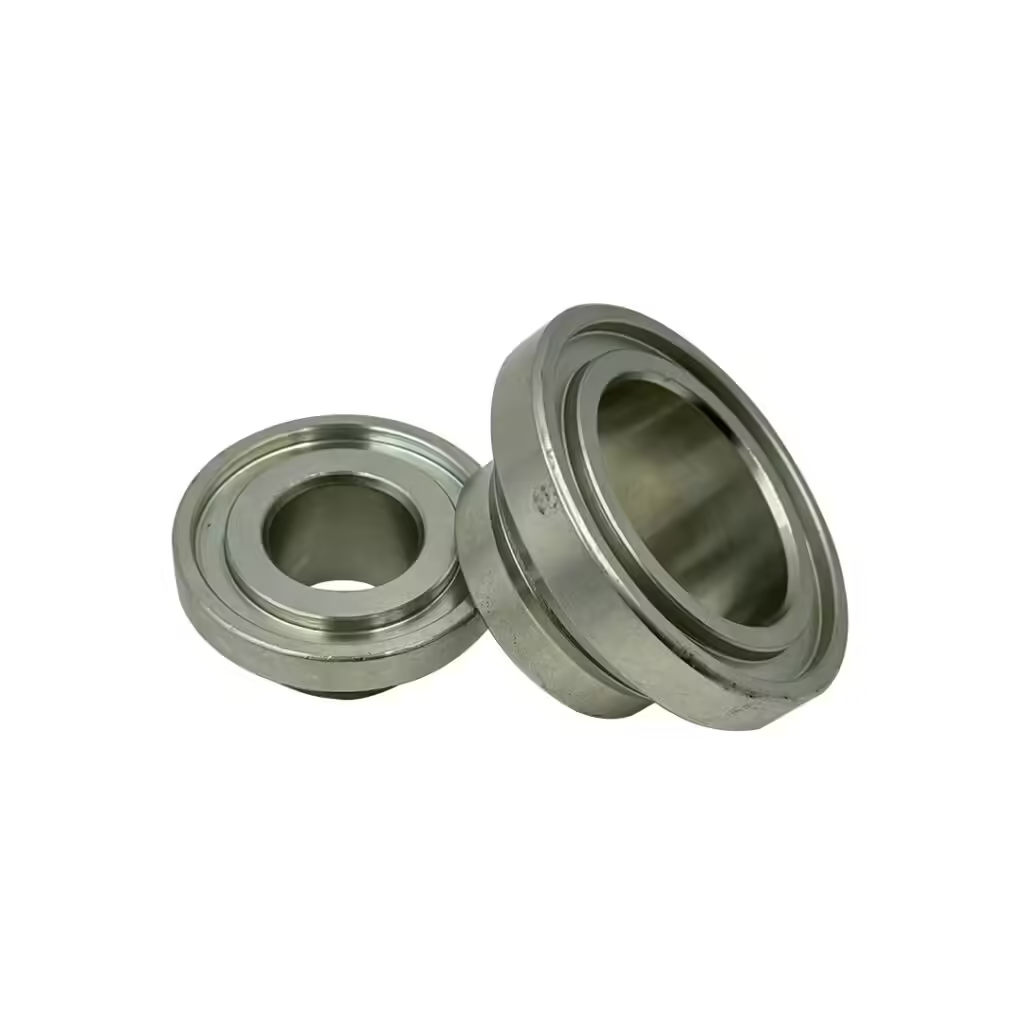
Flange fittings play a crucial role in modern industrial piping systems. They provide secure, leak-proof connections that allow for the safe transport of fluids, gases, and other materials in industries such as chemical processing, power generation, petroleum, and water treatment. Understanding their function, types, and installation requirements is essential for engineers, project managers, and maintenance teams aiming to maintain efficient and reliable systems.
What Are Flange Fittings?
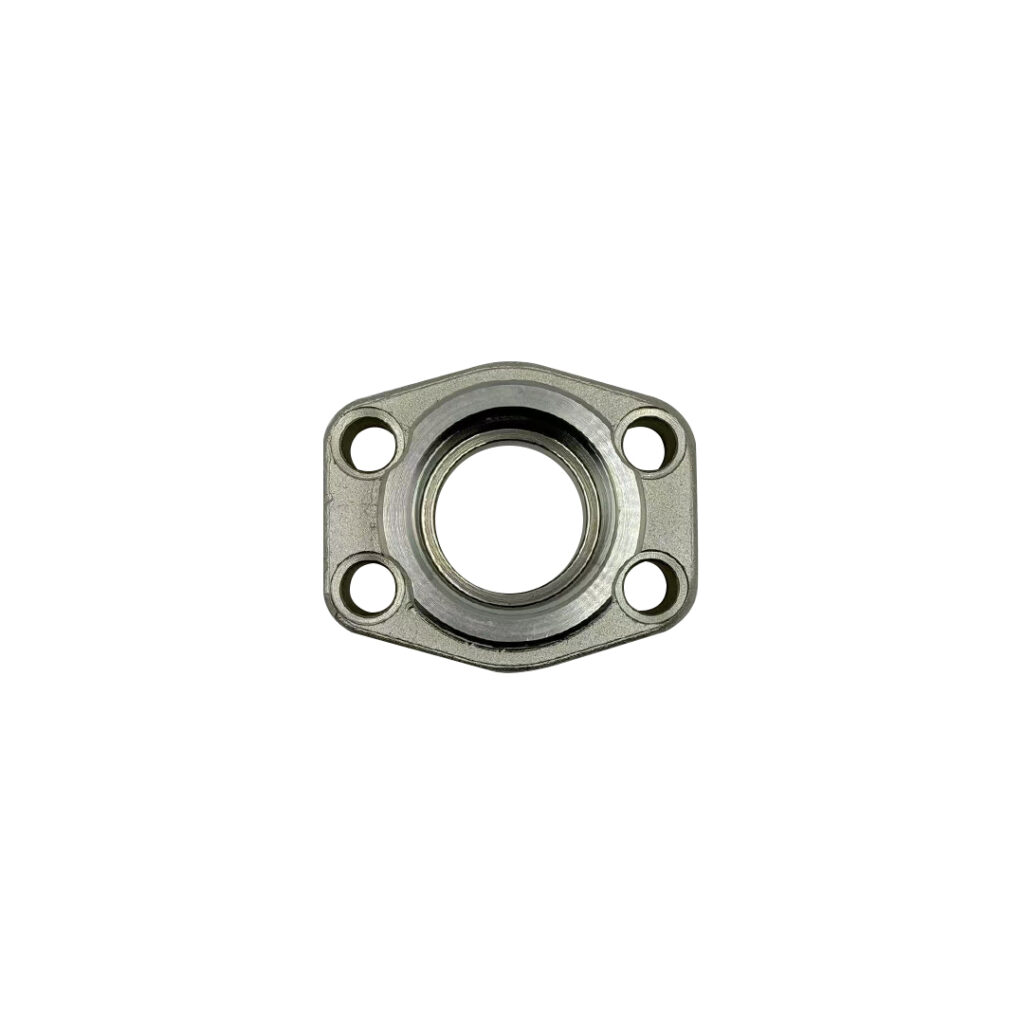
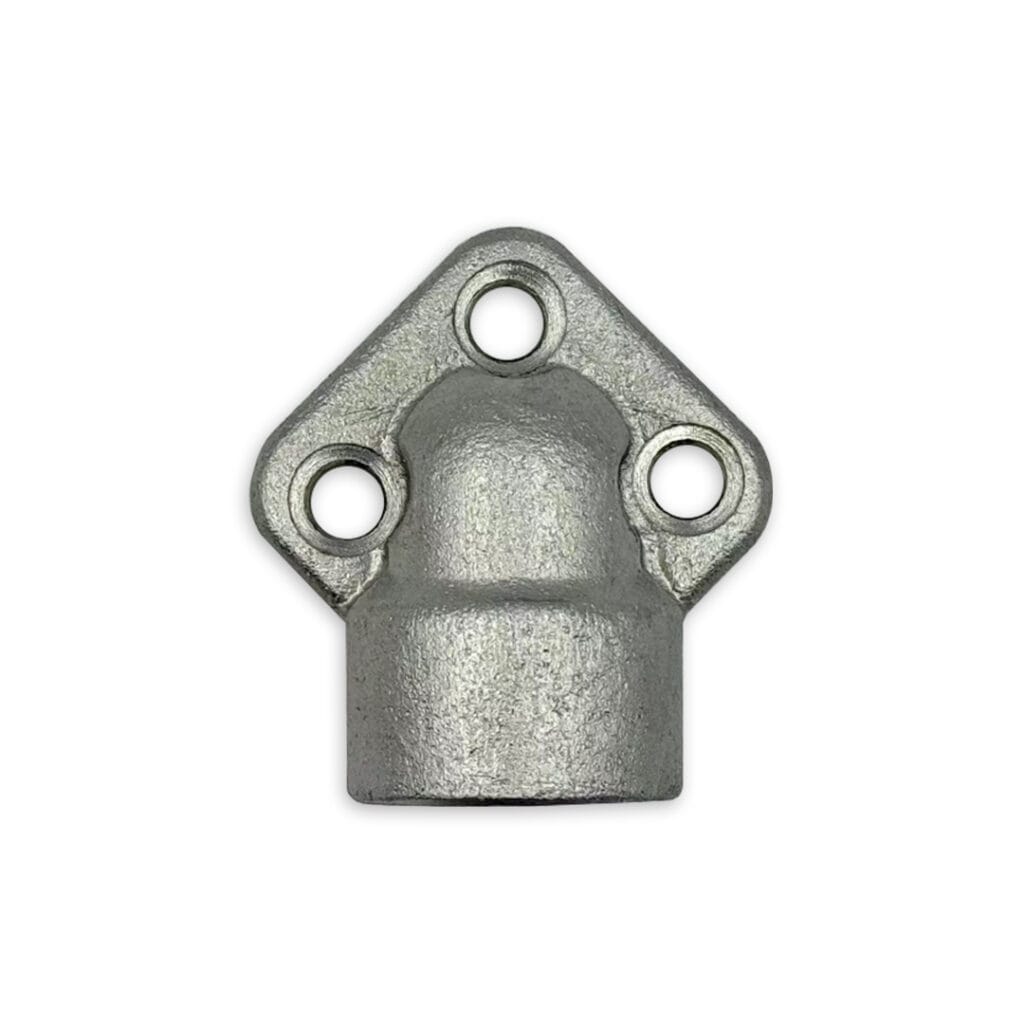
Flange fittings are mechanical components used to connect pipes, valves, pumps, and other equipment to form a piping system. They typically consist of a flat disc or ring with bolt holes that allow for a strong connection. Flanges can be joined using bolts and gaskets, providing a tight seal capable of handling high pressure and temperature variations.
Key Types of Flange Fittings
There are several types of flange fittings designed for different applications:
- Weld Neck Flanges: Ideal for high-pressure systems, they offer excellent strength due to their long tapered hub.
- Slip-On Flanges: Easy to install, suitable for low-pressure applications.
- Blind Flanges: Used to seal the ends of pipelines or valves.
- Socket Weld Flanges: Provide reliable connections for small-diameter high-pressure piping.
- Threaded Flanges: Useful where welding is impractical, especially for small pipes.
| Flange Type | Typical Application | Pressure Rating | Installation Method |
|---|---|---|---|
| Weld Neck | High-pressure pipelines | ANSI Class 150-2500 | Butt weld to pipe |
| Slip-On | Low-pressure pipelines | ANSI Class 150-300 | Slip over pipe and weld |
| Blind | Pipeline termination | ANSI Class 150-2500 | Bolted with gasket |
| Socket Weld | Small-diameter high-pressure | ANSI Class 300-600 | Socket weld to pipe |
| Threaded | Low-pressure or non-weldable | ANSI Class 150-300 | Screwed onto threaded pipe |
Advantages of Flange Fittings
- Ease of Maintenance: Flanges allow for quick disassembly, facilitating inspection, cleaning, and replacement of components.
- High Strength: Properly installed flange fittings withstand high pressure, temperature, and mechanical stress.
- Versatility: They can connect pipes of different materials or sizes, accommodating design flexibility.
- Leak Prevention: When paired with quality gaskets, flange fittings offer superior sealing performance.
How to Choose the Right Flange Fittings
Selecting the correct flange fitting requires careful consideration of the following factors:
- Material Compatibility: Ensure the flange material matches or exceeds the corrosion and temperature resistance requirements of the system. Stainless steel, carbon steel, and alloy options are common.
- Pressure and Temperature Ratings: The chosen flange must handle the maximum system pressure and temperature safely.
- Size and Class: Proper flange size and ANSI/ASME class ensure mechanical integrity.
- Gasket and Bolt Selection: Use compatible gaskets and high-quality bolts to maintain leak-proof connections.
Common Applications of Flange Fittings
Flange fittings are widely used across industries:
- Chemical and Petrochemical Plants: Handling corrosive or high-temperature fluids.
- Oil and Gas Pipelines: Ensuring leak-free transmission over long distances.
- Power Generation Facilities: Connecting boilers, turbines, and condensers.
- Water and Wastewater Systems: Facilitating maintenance and system expansion.
Installation Best Practices
- Surface Preparation: Ensure flange faces are clean, smooth, and free of debris.
- Proper Gasket Placement: Use the right gasket type for the fluid, pressure, and temperature.
- Bolt Tightening: Follow a cross-pattern torque sequence to ensure uniform sealing pressure.
- Regular Inspection: Periodically check flange joints for leaks, corrosion, or wear.
Common Challenges and How to Avoid Them
- Misalignment: Can cause leaks and mechanical stress; ensure accurate alignment during installation.
- Over-Tightening Bolts: May damage gaskets or flanges; use calibrated torque tools.
- Corrosion: Select corrosion-resistant materials or protective coatings for harsh environments.
- Vibration Issues: Use flange supports or vibration dampers to prevent joint fatigue.
Conclusion
Flange fittings are indispensable in industrial piping systems due to their strength, reliability, and ease of maintenance. Proper selection, installation, and regular inspection ensure long-lasting performance and prevent costly downtime or failures. By understanding their types, applications, and installation requirements, engineers and technicians can optimize system safety and efficiency.
FAQ
What are flanged pipe fittings used for?
Flanged pipe fittings connect pipes, valves, and equipment in industrial systems. They provide secure, leak-resistant joints that can withstand high pressure and temperature, ensuring safe fluid or gas transport across chemical, petroleum, and water treatment industries.
How do you select the right flanged pipe fitting?
Choosing the correct flanged pipe fitting requires considering material, pressure rating, pipe size, and system temperature. Proper gasket and bolt selection are also critical to ensure leak-free performance and long-term reliability in demanding industrial environments.
What materials are flanged pipe fittings made from?
Common materials include stainless steel, carbon steel, alloy steel, and sometimes PVC or other plastics for low-pressure applications. Material choice depends on corrosion resistance, temperature tolerance, fluid compatibility, and the system’s pressure requirements.
Why do flanged pipe fittings leak?
Leaks usually result from improper gasket installation, misaligned flanges, insufficient or uneven bolt torque, or worn gaskets. Following proper installation guidelines and using high-quality components can prevent leaks and ensure a secure, long-lasting connection.
Can flanged pipe fittings be reused?
Flanged pipe fittings can be reused if the flange faces are undamaged and bolts are in good condition. Gaskets should always be replaced to maintain sealing integrity, as reusing worn gaskets can compromise the connection and cause leaks or system failures.
Need Help Choosing the Right Flanged Pipe Fittings?
If you’re unsure which flanged pipe fittings are best for your piping system or industrial project, our experts are here to help. Contact us today for a personalized consultation, and ensure your connections are secure and leak-free. Don’t wait until it’s too late—get in touch now to protect your system and ensure long-term reliability!