Table of Contents
Introduction
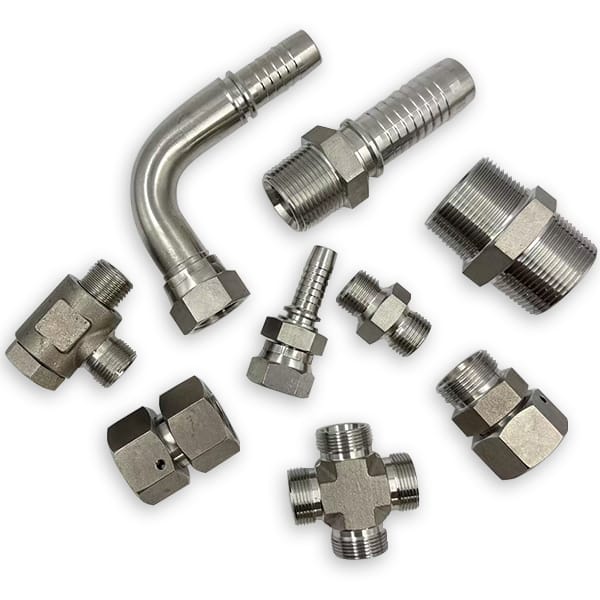
A hose connector is a flexible component used to link two points in a fluid or gas system, ensuring safe and efficient transfer of media such as water, oil, air, or chemicals. In industrial environments, connector hoses play a critical role in maintaining system flexibility, reducing vibration, and enabling secure connections between rigid pipelines and equipment.
From hydraulic systems to manufacturing lines, a properly selected connector hose improves operational safety, reduces leakage risk, and enhances system efficiency.
What Is a Connector Hose?
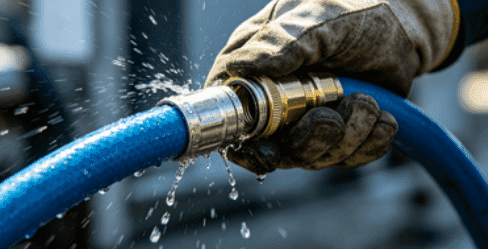
A hose connector is a flexible hose assembly designed to connect different components within a piping or fluid transfer system. Unlike rigid pipes, a hose connector allows movement, vibration absorption, and easy installation in tight or dynamic spaces.
Key functions include:
- Connecting equipment and pipelines
- Absorbing vibration and movement
- Compensating for misalignment
- Ensuring leak-free fluid transfer
Main Types of Connector Hose
Different industrial applications require different hose connector types:
- Rubber connector hose: Flexible and widely used in general fluid transfer
- Stainless steel braided connector hose: High-pressure and corrosion-resistant applications
- PTFE connector hose: Suitable for chemical and high-temperature environments
- PVC connector hose: Lightweight and cost-effective for low-pressure systems
- Hydraulic connector hose: Designed for high-pressure hydraulic systems
Each hose connector type is engineered for specific pressure, temperature, and chemical conditions.
Materials Used in Hose Connector Manufacturing
Hose connector performance depends heavily on material selection:
| Material | Key Advantage | Common Use |
|---|---|---|
| Rubber | High flexibility | General industrial systems |
| Stainless steel | Corrosion resistance | High-pressure environments |
| PTFE | Chemical resistance | Chemical processing |
| PVC | Lightweight & economical | Low-pressure water systems |
Choosing the right hose connector material ensures long service life and system reliability.
Key Benefits of Using Connector Hose
Using a high-quality hose connector provides several advantages:
- Reduces vibration and mechanical stress
- Prevents leakage in fluid systems
- Improves installation flexibility
- Extends equipment lifespan
- Supports high-pressure and dynamic systems
A reliable hose connector is essential for maintaining operational stability in industrial environments.
Industrial Applications of Hose Connector
Hose connectors are widely used across multiple industries:
- Hydraulic machinery systems
- Oil and gas transportation lines
- Chemical processing plants
- Water treatment facilities
- Manufacturing and automation systems
- Construction equipment
Their versatility makes hose connectors a standard component in modern industrial engineering.
How to Choose the Right Hose Connector
Selecting the right hose connector requires evaluating:
- Operating pressure requirements
- Temperature range
- Fluid or gas compatibility
- Hose diameter and length
- End connection type (threaded, flanged, quick connect)
Incorrect selection can lead to leakage, system failure, or reduced efficiency.
Installation and Maintenance Tips
Proper installation ensures long-term hose connector performance:
- Avoid sharp bending or twisting
- Ensure correct fitting torque
- Keep away from heat sources and abrasion points
- Inspect regularly for wear, cracks, or leaks
- Replace seals when necessary
Routine maintenance significantly extends connector hose lifespan.
Common Problems with Hose Connector
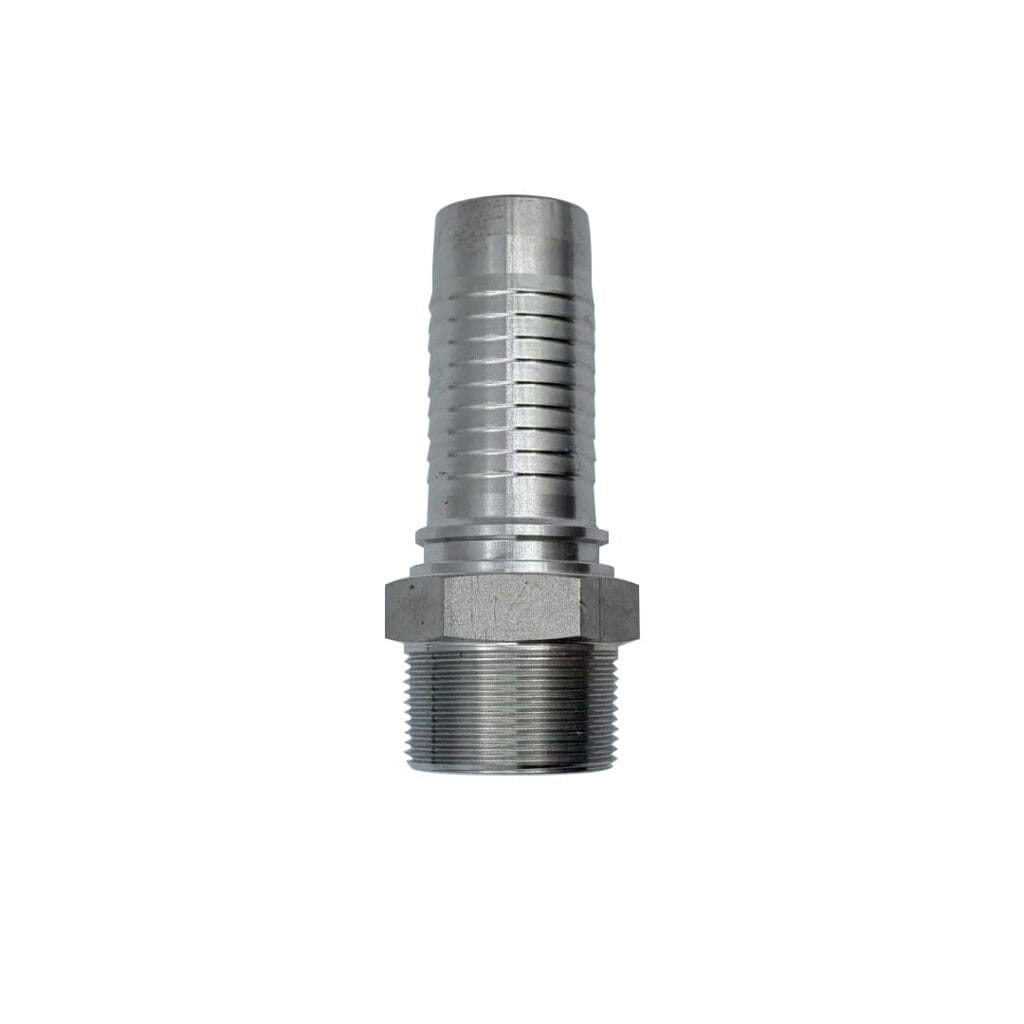
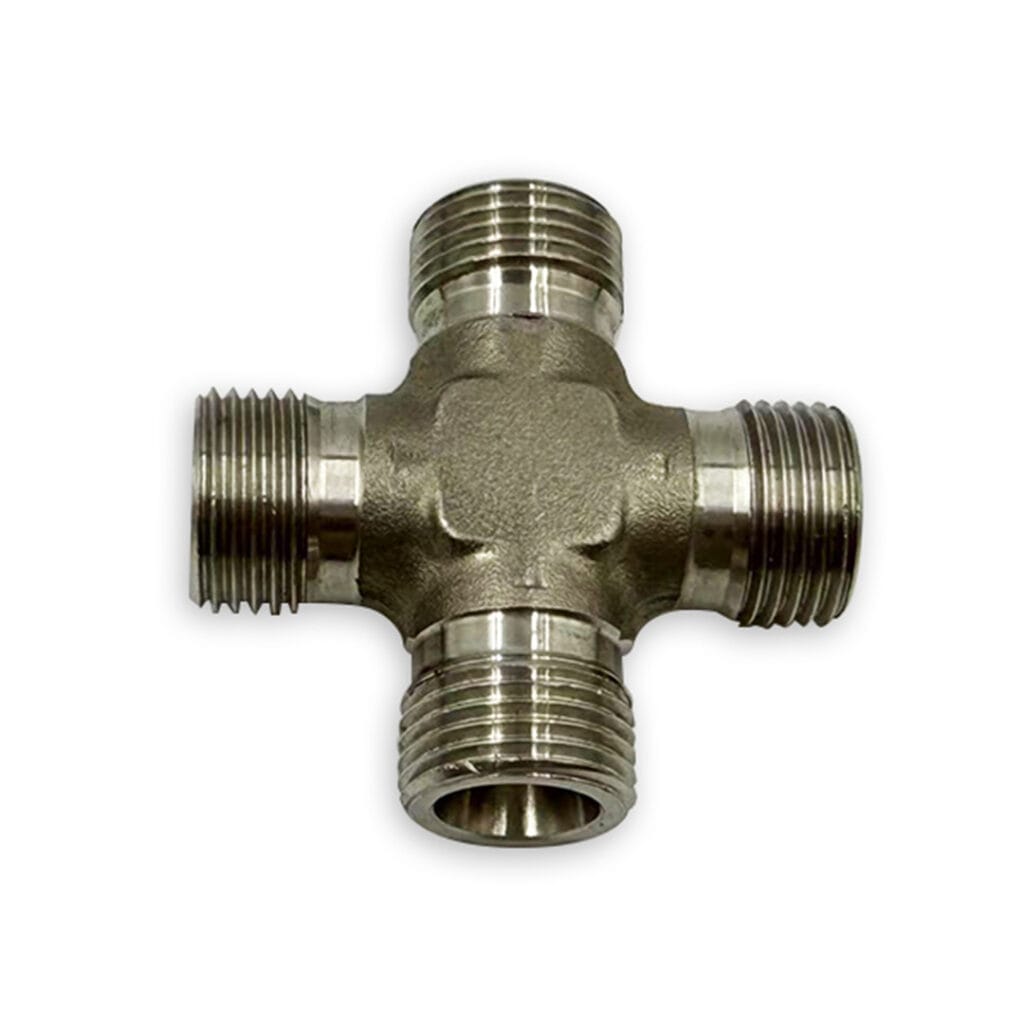
Some typical issues include:
- Leakage due to improper installation
- Hose abrasion from mechanical contact
- Pressure failure from incorrect sizing
- Material degradation over time
- Vibration-induced fatigue
Most of these issues can be avoided with correct selection and maintenance practices.
Conclusion
A hose connector is a vital component in industrial fluid systems, providing flexibility, vibration absorption, and secure fluid transfer. Choosing the right connector hose type and maintaining it properly ensures system efficiency, safety, and long-term reliability in demanding industrial environments.
FAQ
What is a connector hose used for?
A hose connector is used to link two components in a fluid or gas system, enabling flexible, secure, and leak-free transfer. It is widely used in industrial machinery, hydraulic systems, water lines, and equipment requiring vibration absorption and movement flexibility.
What are the main types of hose connector?
Hose connector hose types include rubber hoses, stainless steel braided hoses, PTFE hoses, and PVC hoses. Each type is designed for specific pressure levels, temperatures, and chemical compatibility, making them suitable for different industrial applications.
Can a hose connector handle high pressure?
Yes, certain hose connectors such as hydraulic or stainless steel braided types are designed for high-pressure environments. They provide strong reinforcement to prevent bursting, leakage, or deformation under continuous industrial pressure conditions.
What causes a hose connector to fail?
Hose connector failure is usually caused by overpressure, improper installation, abrasion, chemical incompatibility, or aging. Regular inspection and correct material selection significantly reduce the risk of failure in industrial systems.
How do you choose the right hose connector?
To choose the right hose connector, consider pressure rating, temperature range, fluid type, hose material, and connection style. Selecting a properly matched hose ensures safety, efficiency, and long service life in industrial applications.
Need Help Choosing the Right Connector Hose?
If you’re unsure which hose connector is best for your equipment or industrial system, our experts are here to help. Contact us today for a personalized consultation, and ensure your fluid transfer system is safe, efficient, and reliable. Don’t wait until failures occur—get in touch now to protect your operations and keep your system running smoothly!