Table of Contents
Introduction
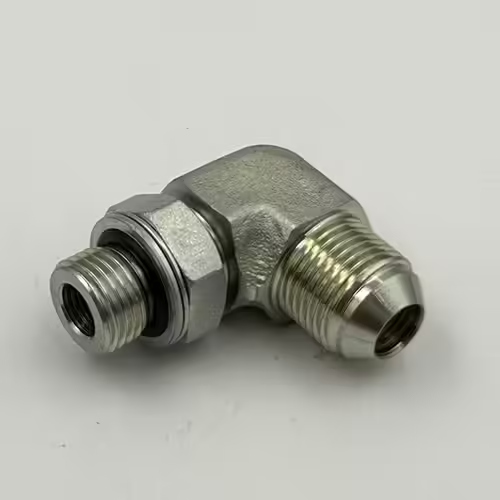
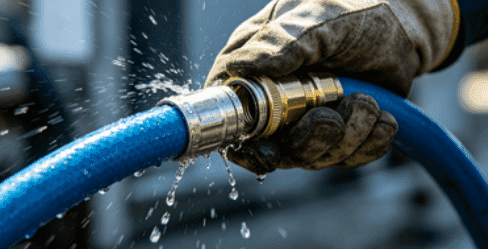
A double hose connector is an essential component in fluid transfer and industrial systems, allowing two hoses to be connected simultaneously to a single source or destination. These connectors improve operational efficiency, minimize downtime, and provide secure, leak-free connections in various industrial, agricultural, and construction applications.
Dual hose connectors are widely used in hydraulic systems, chemical transfer lines, water distribution networks, and manufacturing processes where reliability and flexibility are critical. Choosing the right double hose connector ensures smooth operations and long-term system performance.
What Is a Double Hose Connector?
A dual hose connector is a device that allows two hoses to be connected either to a single output or input, facilitating simultaneous fluid transfer. Unlike standard single connectors, double hose connectors provide dual channels for increased flow capacity or redundancy in critical systems.
Key functions include:
- Enabling dual fluid lines from one source
- Reducing installation time
- Ensuring leak-free connections
- Allowing easy disconnection and maintenance
Types of Double Hose Connectors
Dual hose connectors come in different designs to suit specific applications:
- Brass double hose connectors: Durable, corrosion-resistant, ideal for water and low-pressure systems.
- Stainless steel double hose connectors: High-strength, resistant to pressure and chemicals.
- Plastic double hose connectors: Lightweight and economical, suitable for temporary or low-pressure applications.
- Quick-connect double hose fittings: Allow fast attachment and detachment, reducing system downtime.
Each type is engineered for specific pressure, temperature, and chemical compatibility requirements.
Materials Used in Double Hose Connectors
Material selection directly impacts performance, lifespan, and safety:
| Material | Key Advantage | Common Use |
|---|---|---|
| Brass | Corrosion-resistant, durable | Water lines, general fluid systems |
| Stainless Steel | High strength, chemical-resistant | Industrial, hydraulic systems |
| Plastic (PVC/Polypropylene) | Lightweight, economical | Low-pressure or temporary setups |
| Aluminum | Lightweight, moderate strength | Portable equipment, low-medium pressure systems |
Choosing the correct material ensures the connector can handle the system’s operational demands.
Benefits of Using Double Hose Connectors
Using dual hose connectors offers several advantages:
- Connects two hoses simultaneously, saving time
- Reduces leakage risk through secure seals
- Improves operational efficiency and workflow
- Supports high-pressure and high-volume fluid transfer
- Provides flexibility for maintenance and system modifications
In industrial environments, dual hose connectors are often crucial for redundancy and system reliability.
Industrial Applications of Double Hose Connectors
Dual hose connectors are widely used in:
- Hydraulic machinery and equipment
- Chemical and petrochemical plants
- Water supply and irrigation systems
- Manufacturing and processing industries
- Agricultural equipment and sprayers
- Construction and maintenance systems
Their versatility makes them a staple component in modern industrial fluid systems.
How to Choose the Right Double Hose Connector
Selecting the appropriate dual hose connector requires evaluating:
- System pressure and flow rate requirements
- Hose diameter compatibility
- Material compatibility with the fluid
- Connection type (threaded, quick-connect, push-fit)
- Temperature range and environmental conditions
Correct selection prevents leaks, equipment damage, and operational delays.
Installation and Maintenance Tips
Proper installation ensures long-term reliability:
- Avoid twisting or kinking the hoses
- Ensure proper tightening of threaded connections
- Check seals and O-rings for wear before installation
- Inspect connectors regularly for cracks or corrosion
- Replace damaged components immediately
Routine maintenance maximizes connector lifespan and ensures system safety.
Common Problems and Solutions


Typical issues with dual hose connectors include:
- Leakage due to worn seals or improper installation
- Corrosion from chemical exposure or poor material selection
- Pressure failure from undersized connectors
- Hose detachment due to incorrect tightening
Most problems can be prevented with careful material selection, proper installation, and regular inspection.
Conclusion
A dual hose connector is a vital component in fluid transfer systems, enabling dual connections for improved efficiency, reliability, and safety. Selecting the right type and material, combined with proper installation and maintenance, ensures optimal performance in industrial and commercial operations.
FAQ
What is a double hose connector used for?
A dual hose connector is designed to link two hoses to a single source or outlet simultaneously. It ensures efficient fluid transfer, reduces installation time, and prevents leaks in industrial, hydraulic, agricultural, or water systems where dual connections are needed.
What materials are dual hose connectors made from?
Double hose connectors are commonly made from brass, stainless steel, plastic, or aluminum. Material choice depends on factors such as system pressure, chemical compatibility, temperature range, and environmental conditions, ensuring durability and long-term performance.
Can dual hose connectors handle high pressure?
Yes, high-quality dual hose connectors, especially those made from stainless steel or reinforced brass, are built to withstand high-pressure applications. They provide secure, leak-free connections in demanding industrial, hydraulic, or fluid transfer systems.
How do you maintain a dual hose connector?
Maintenance involves regular inspection for wear or corrosion, checking O-rings and seals, cleaning debris, avoiding over-tightening, and replacing damaged components. Proper care ensures longevity, prevents leaks, and maintains reliable system performance.
How do you choose the right dual hose connector?
To select the right dual hose connector, consider system pressure, hose diameter, material compatibility, connection type (threaded or quick-connect), and environmental conditions. Choosing correctly ensures safety, efficiency, and long-term reliability in your fluid systems.
Need Help Choosing the Right Double Hose Connector?
If you’re unsure which double hose connector is best for your industrial or hydraulic system, our experts are here to help. Contact us today for a personalized consultation, and ensure your fluid transfer system is safe, efficient, and reliable. Don’t wait until leaks or downtime occur—get in touch now to protect your operations and keep your system running smoothly!