Table of Contents
Introduction
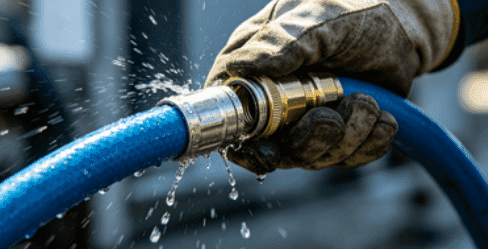
Both hydraulic hoses and industrial hoses are essential components in fluid transfer systems, but they are designed for very different applications and operating conditions. Choosing the wrong hose type can result in leakage, pressure failure, equipment damage, and costly downtime.
Hydraulic fluid hoses are specifically engineered to handle high-pressure hydraulic fluid systems, while industrial hoses are commonly used for transferring air, water, chemicals, food products, or low-pressure fluids. Understanding the differences between hydraulic fluid hoses and industrial hoses is critical for ensuring safety, efficiency, and long-term system performance.
This guide explains the key differences between hydraulic fluid hoses and industrial hoses, including construction, materials, pressure ratings, applications, and maintenance requirements.
What Are Hydraulic Hoses?
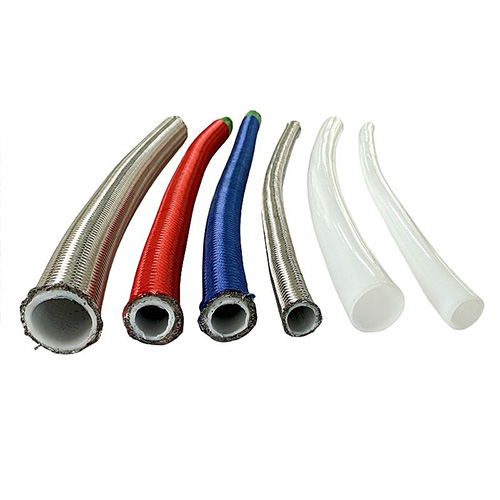
Hydraulic fluid hoses are flexible high-pressure hoses designed to transmit hydraulic fluid within hydraulic systems. Hydraulic fluid hoses are commonly used in construction equipment, agricultural machinery, industrial manufacturing systems, and heavy-duty hydraulic equipment.
A standard hydraulic fluid hose consists of:
- Inner tube for hydraulic fluid transfer
- Reinforcement layer for pressure resistance
- Outer cover for abrasion and environmental protection
Hydraulic hoses are built to withstand extreme pressure, vibration, and demanding industrial environments.
What Are Industrial Hoses?
Industrial hoses are flexible hoses used for transferring a wide range of materials such as water, air, steam, chemicals, fuel, food products, and bulk materials.
Unlike hydraulic fluid hoses, industrial hoses are generally designed for lower pressure applications and focus more on material compatibility and flexibility.
Industrial hoses are widely used in:
- Chemical processing plants
- Water transfer systems
- Food and beverage industries
- Air and ventilation systems
- Fuel transfer operations
Key Differences Between Hydraulic Hoses and Industrial Hoses
| Feature | Hydraulic Hoses | Industrial Hoses |
|---|---|---|
| Primary Function | Hydraulic fluid transfer | General fluid/material transfer |
| Pressure Rating | Very high pressure | Low to medium pressure |
| Reinforcement | Steel wire reinforcement | Fabric or synthetic reinforcement |
| Fluid Type | Hydraulic oil | Water, air, chemicals, fuel |
| Flexibility | Moderate | High |
| Operating Environment | Heavy machinery | General industrial applications |
These differences make hydraulic fluid hoses and industrial hoses suitable for completely different system requirements.
Pressure Performance Comparison
One of the biggest differences between hydraulic fluid hoses and industrial hoses is pressure capability.
Hydraulic fluid hoses are designed for:
- High-pressure hydraulic systems
- Pressure spikes and pulsation resistance
- Continuous heavy-duty operation
Industrial hoses are designed for:
- Lower operating pressure
- General-purpose fluid transfer
- Flexible handling and lightweight operation
Using industrial hoses in place of hydraulic fluid hoses can lead to dangerous hose failure under pressure.
Materials Used in Hydraulic Hoses and Industrial Hoses
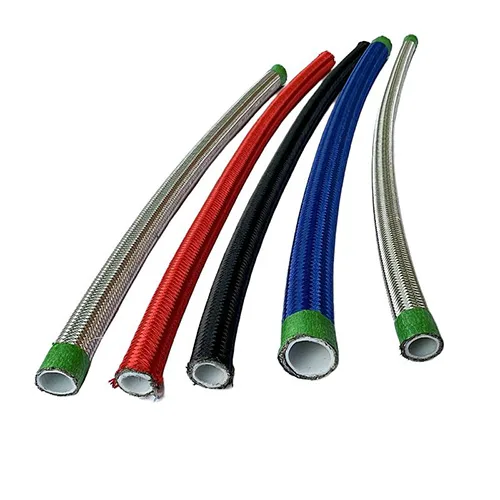
Hydraulic fluid hoses commonly use:
- Synthetic rubber
- Thermoplastic materials
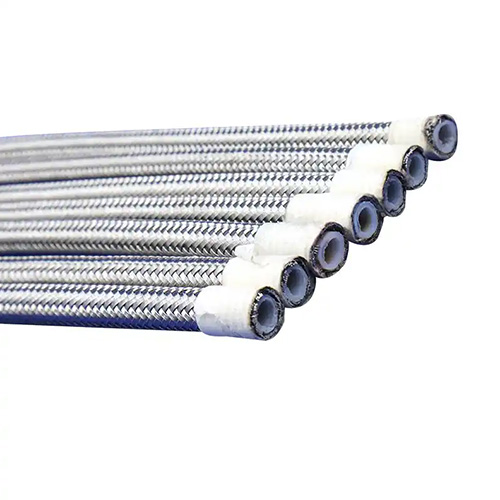
- Steel wire reinforcement
- Stainless steel braided layers
Industrial hoses may use:
- PVC
- Rubber compounds
- Silicone
- Polyurethane
- Textile reinforcement
Material selection depends on pressure requirements, temperature, and fluid compatibility.
Applications of Hydraulic Hoses
Hydraulic fluid hoses are widely used in:
- Excavators and loaders
- Agricultural tractors and machinery
- Hydraulic presses
- Mining equipment
- Industrial automation systems
Hydraulic fluid hoses are essential for transferring hydraulic power efficiently and safely.
Applications of Industrial Hoses
Industrial hoses are commonly used in:
- Water delivery systems
- Chemical transfer systems
- Air compressor systems
- Food processing equipment
- Fuel and petroleum transfer
Industrial hoses provide flexible and efficient fluid transport in non-hydraulic applications.
Maintenance Requirements
Both hydraulic fluid hoses and industrial hoses require regular inspection and maintenance.
Hydraulic fluid hoses should be checked for:
- Pressure damage
- Abrasion
- Fluid leakage
- Reinforcement exposure
Industrial hoses should be inspected for:
- Cracking or aging
- Chemical degradation
- Kinks or collapse
- Loose fittings
Proper maintenance significantly extends hose lifespan and improves operational safety.
How to Choose Between Hydraulic Hoses and Industrial Hoses
When selecting between hydraulic fluid hoses and industrial hoses, consider:
- Operating pressure
- Fluid compatibility
- Temperature range
- Flexibility requirements
- Environmental conditions
- Connection type and fitting compatibility
Choosing the correct hose ensures safety, efficiency, and long-term reliability.
Conclusion
Understanding the differences between hydraulic fluid hoses and industrial hoses is essential for selecting the right hose for your application. Hydraulic fluid hoses are specifically engineered for high-pressure hydraulic systems, while industrial hoses are designed for general fluid and material transfer.
Using the correct hose type improves system safety, operational efficiency, and equipment lifespan while reducing the risk of leakage and unexpected failure.
FAQ
What are hydraulic hoses used for?
Hydraulic fluid hoses are used to transfer hydraulic fluid under high pressure in hydraulic systems. They are commonly installed in construction equipment, agricultural machinery, industrial machines, and heavy-duty hydraulic applications requiring reliable power transmission.
What makes hydraulic fluid hoses different from industrial hoses?
Hydraulic hoses are specifically designed for high-pressure hydraulic fluid transfer and feature reinforced layers such as steel wire braiding. Industrial hoses are generally used for lower-pressure applications involving water, air, chemicals, or fuel transfer.
How long do hydraulic hoses last?
The lifespan of hydraulic hoses depends on pressure levels, operating conditions, maintenance, and hose quality. In most industrial applications, hydraulic hoses can last between 3 and 10 years with proper installation and regular inspection.
What causes hydraulic hoses to fail?
Hydraulic hoses can fail due to excessive pressure, abrasion, improper installation, extreme temperatures, chemical incompatibility, or natural aging. Regular inspection and preventive maintenance help reduce hydraulic hose failure risks.
How do you choose the right hydraulic hoses?
To choose the correct hydraulic hoses, consider operating pressure, fluid compatibility, temperature range, hose size, flexibility, and fitting type. Proper hydraulic hose selection improves safety, system efficiency, and equipment reliability.
Need Help Choosing the Right Hydraulic Hoses?
If you’re unsure which hydraulic hoses are best for your equipment or hydraulic system, our experts are here to help. Contact us today for a personalized consultation, and ensure your hydraulic system is safe, efficient, and built for long-term performance. Don’t wait until hose failure causes costly downtime—get in touch now to protect your equipment and keep your operations running smoothly!