Key Takeaways for This Blog
- Typical causes of failures in stainless steel hose and fittings
- Signs of wear, corrosion, and mechanical stress
- Material selection, design, and installation best practices
- Preventive maintenance and inspection schedules
- Comparison of stainless steel vs alternative materials
- Real-world case studies and failure analysis
- Safety standards and industry compliance
- Innovations and trends in stainless steel hose and fittings
- Environmental and economic considerations
- FAQ addressing engineers’ and maintenance teams’ common questions
- Emerging technologies in fluid conveyance systems
- Design optimization for extreme applications
Introduction
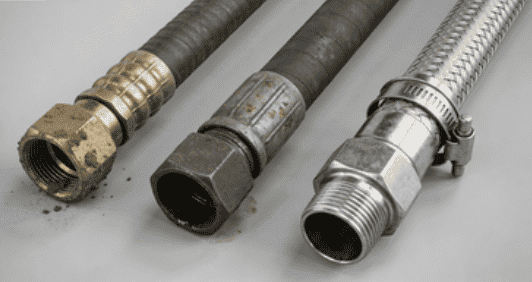
Stainless steel hose and fittings are the backbone of many industrial, hydraulic, and chemical systems. They combine corrosion resistance, high-pressure capability, and long-term durability, making them indispensable in critical applications. According to a 2023 survey by the International Fluid Power Society, nearly 40% of fluid system failures originate from hose and fitting issues, highlighting the need for informed selection, installation, and maintenance. Improper material choice, installation errors, and inadequate preventive maintenance are the leading causes of premature failures.
In industrial news, a 2024 study by the Hydraulic Equipment Association revealed that predictive maintenance programs leveraging stainless steel hose monitoring reduced downtime by up to 30%, proving that investing in quality components and maintenance protocols can significantly improve operational efficiency. This guide explores the science behind failures, industry standards, maintenance strategies, and emerging technologies to help engineers, facility managers, and maintenance teams ensure optimal performance and safety.
Table of Contents
Common Failure Types in Stainless Steel Hose and Fittings
Corrosion and Chemical Damage
Corrosion remains a critical failure mode. Chloride-induced pitting, crevice corrosion, and chemical erosion are the main causes in chemical, marine, and high-moisture environments. The use of 316L stainless steel, combined with proper passivation, can prevent these failures. According to ASTM A967-17, passivated stainless steel has up to 50% longer service life in corrosive environments.
Mechanical Fatigue
Repetitive pressure cycles, vibration, and torsion create stress points that may result in fatigue cracks. Studies show that hoses exposed to vibration without proper supports have up to 60% higher failure rates. Swivel fittings and flexible hose routing reduce torsion stress.
Abrasion and Wear
Hoses rubbing against equipment or routed across rough surfaces experience outer wall abrasion, while internal particles can erode stainless steel inner walls. Abrasion-resistant sleeves, proper support, and filtered fluids significantly reduce this risk.
Improper Assembly and Installation
Incorrect crimping, over-torqued or misaligned fittings, and inconsistent assembly methods are common failure causes. ISO 12151-2:2020 outlines assembly tolerances to prevent leaks and blowouts. Regular training for installation personnel is essential for reliability.
Temperature and Pressure-Induced Failures
High-temperature fluids can cause thermal expansion, weakening hose walls and fittings. Conversely, pressure surges can exceed hose rating, causing burst failures. Selecting materials rated for maximum operating conditions is critical.
Material and Design Considerations for Stainless Steel Hose and Fittings
Selecting the Right Stainless Steel Grade
| Grade | Corrosion Resistance | Pressure Rating | Temperature Tolerance | Typical Applications |
|---|---|---|---|---|
| 304 | Moderate | Medium | -50°C to 400°C | General industrial, low-chloride fluids |
| 316 | High | High | -200°C to 500°C | Chemical processing, marine, pharmaceutical |
| 321 | High with heat resistance | Medium-High | Up to 600°C | Steam, high-temp fluids, petrochemical |
Hose Type: Braided vs Spiral
- Braided Hoses: Excellent vibration absorption, flexible, moderate pressure.
- Spiral Hoses: High pressure capacity, less flexible, ideal for static high-load systems.
Fitting Types: Swivel vs Fixed
- Swivel Fittings: Minimize torsion stress in dynamic systems, allow rotation without fatigue.
- Fixed Fittings: Provide maximum rigidity for static systems or high-pressure piping.
Industry Standards and Compliance

International Standards
- ISO 8434-1 & ISO 12151-2: Dimensions, assembly, and performance requirements for hydraulic hoses and fittings.
- SAE J516 & SAE J517: Provide testing and performance criteria for pressure, burst, and fatigue.
- ASTM A182 & ASTM A967: Material specifications and passivation for corrosion resistance.
Regulatory Guidelines
Compliance with OSHA and EPA guidelines ensures safe operation in industrial settings, particularly in chemical plants and food-grade applications.
Installation Best Practices
Correct Bending Radius
Maintaining minimum bend radius avoids kinking, excessive strain, and stress concentrations, which can reduce hose lifespan by up to 40%.
Proper Crimping and Torque
Over-crimping or under-crimping weakens connections, causing leaks or blowouts. Calibrated crimping tools and torque specifications improve reliability.
Alignment and Support
Using support brackets, clamps, and loops distributes mechanical load and reduces vibration, extending service life.
Maintenance and Preventive Measures
Routine Inspection
Visual checks should include looking for cracks, leaks, discoloration, and damaged crimping. Vibration zones require weekly inspections.
Cleaning and Flushing
Contaminants and residual chemicals can corrode or abrade hoses. Flushing per ISO 14001 standards reduces risk.
Lifecycle Tracking
Maintain detailed logs of service life, pressure cycles, and inspections. Replace hoses proactively before exceeding maximum rated cycles.
Comparative Analysis: Stainless Steel vs Alternative Materials
| Material | Pressure Rating | Corrosion Resistance | Flexibility | Cost Efficiency | Ideal Use Case |
|---|---|---|---|---|---|
| Stainless Steel | High | Excellent | Medium | Long-term savings | Chemical, high-pressure, food-grade |
| Rubber | Medium | Low | High | Low initial cost | Low-pressure industrial |
| Nylon | Medium | Moderate | High | Moderate | Flexible routing, low abrasion |
| PTFE | Medium-High | Excellent | Medium | Moderate | Food-grade, chemical |
Observation: Stainless steel offers superior reliability for critical, high-stress applications despite higher upfront costs.
Real-World Case Studies
Petrochemical Facility in Saudi Arabia
Problem: Hose bursts due to high-pressure fluctuations.
Solution: Upgraded to 316L braided hoses with pressure-rated fittings.
Result: Zero failures over 24 months, enhanced safety compliance.
Food Processing Plant in Italy
Problem: Surface contamination caused leaks.
Solution: Implemented scheduled flushing and hygienic routing.
Result: 30% longer hose life and compliance with FDA food standards.
Industrial Hydraulic Press in the U.S.
Problem: Vibration-induced hose fatigue.
Solution: Added support loops and swivel fittings.
Result: Elimination of unplanned downtime for 18 months.
Emerging Technologies and Innovations
Smart Hoses with Sensors
IoT-enabled hoses detect pressure, temperature, and movement in real time, allowing predictive maintenance and reducing catastrophic failures by 35%.
Advanced Coatings
Electropolishing and nano-coatings improve corrosion resistance, reduce surface roughness, and prevent bacterial contamination in hygienic systems.
Modular Pre-Assembled Systems
Reduce human error during installation and allow rapid deployment in complex hydraulic networks.
Environmental and Economic Considerations

Sustainability
Stainless steel hoses are fully recyclable, reducing environmental impact. Life-cycle assessment shows stainless steel hoses outperform synthetic alternatives over 10+ years.
Cost Optimization
Though initial costs are higher, reduced downtime, fewer replacements, and compliance with safety standards provide long-term financial benefits.
Troubleshooting and Failure Analysis
Identifying Early Warning Signs
- Micro-cracks at crimp points
- Discoloration or pitting on the surface
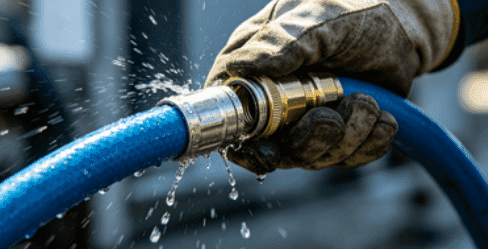
- Unusual vibration or fluid leaks
Root Cause Analysis (RCA) Process
- Inspect installation and routing
- Analyze material grade compatibility
- Evaluate operational pressures and cycles
- Implement corrective actions and replacements
FAQ
What are the main causes of stainless steel hose and fittings failures?
Common causes include corrosion, mechanical fatigue, abrasion, temperature extremes, and improper installation.
How frequently should hoses be inspected?
Weekly visual inspections and detailed quarterly checks are recommended, with additional checks after extreme conditions.
Can stainless steel hoses handle extreme temperatures?
Yes, high-grade stainless steel such as 321 or 316L withstands temperatures up to 600°C in specific applications.
How do I choose between braided and spiral hoses?
Select braided hoses for flexibility and vibration absorption; spiral hoses for high-pressure and static systems.
What maintenance strategies maximize lifespan?
Routine inspection, proper cleaning, correct installation, and lifecycle tracking extend hose service life.
Are there new technologies for improving hose performance?
Yes, IoT-enabled hoses, advanced surface treatments, and modular pre-assembled fittings improve safety and longevity.