Table of Contents
Key Takeaways
- Essential maintenance strategies to extend the life of female to female water hose connectors
- Material selection and its influence on durability and performance
- Common failures, troubleshooting techniques, and safety measures
- Cleaning, seasonal maintenance, and long-term storage guidance
- Comparative analysis of connector materials and applications
- Case studies illustrating efficiency and durability improvements
- Industry standards and regulatory compliance
- FAQ addressing common user concerns
Introduction
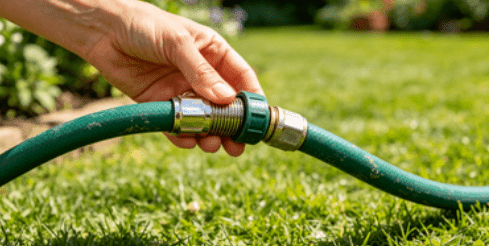
A female to female water hose connector may seem like a small, simple component, but its role in ensuring leak-free connections, optimal water flow, and equipment longevity is crucial. According to a 2023 white paper by the Water Efficiency Institute, improperly maintained connectors can reduce overall water efficiency by up to 20%, leading to increased operational costs, water waste, and potential system failure. Whether for residential gardens, commercial irrigation systems, or light industrial applications, proper maintenance is critical. This blog will guide you through professional strategies for inspection, cleaning, material selection, troubleshooting, and seasonal care of female to female water hose connectors to maximize performance and lifespan.
Understanding Female to Female Water Hose Connectors
Basic Components
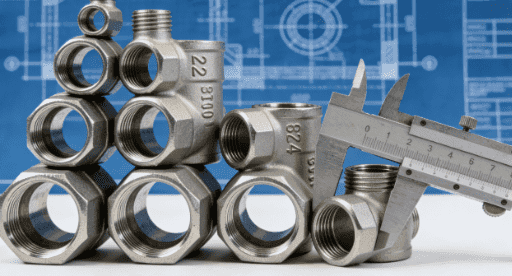
A standard female to female connector consists of two threaded female ends, a sealing gasket or O-ring, and a durable body made of brass, stainless steel, or high-grade plastic. The threads ensure secure attachment, while the gasket prevents leaks. High-quality connectors also include corrosion-resistant coatings or UV-resistant plastics for outdoor durability.
Common Applications
- Joining two hoses to extend reach
- Connecting hoses to irrigation systems, sprinklers, or faucets
- Industrial fluid transfer and temporary water supply setups
These connectors are vital for ensuring continuity in water systems and preventing downtime due to leaks.
Importance of Proper Maintenance
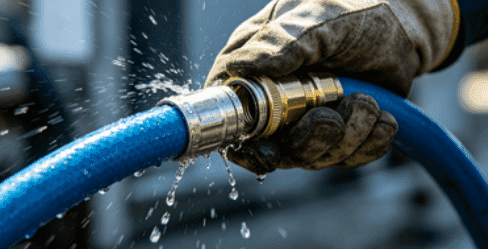
Neglecting maintenance can lead to worn gaskets, corroded threads, and water leakage. Leaks not only waste water but can also cause damage to garden equipment, surrounding surfaces, or even lead to accidents in industrial settings. Proper care ensures consistent water flow, reduces replacement costs, and prevents unexpected failures.
Cleaning and Inspection Techniques
Visual Inspection
Regular visual checks should focus on:
- Cracks or deformities in the connector body
- Corrosion on metal threads
- Worn or compressed gaskets
- Mineral deposits or residue build-up
Cleaning Procedures
- Disassemble the connector to access all parts
- Rinse thoroughly with clean water to remove loose debris
- Use a mild detergent or vinegar solution for stubborn mineral deposits
- Dry completely to prevent corrosion or mold formation
Recommended Frequency
- Monthly during active watering seasons
- Pre-winter inspection for storage
- Post-storm or post-heavy usage for outdoor connectors
Material Considerations
| Material | Durability | Corrosion Resistance | Pressure Rating | Best Use Case |
|---|---|---|---|---|
| Brass | High | Excellent | Up to 300 psi | Outdoor garden, high-pressure systems |
| Stainless Steel | Very High | Excellent | Up to 500 psi | Industrial and long-term outdoor use |
| Plastic/ABS | Medium | Moderate | Up to 150 psi | Light-duty residential applications |
Observation: Brass and stainless steel connectors offer long-term durability and high-pressure handling, while plastic connectors are ideal for temporary or cost-conscious applications.
Troubleshooting Common Issues
Leaks at Thread Connections
- Inspect gaskets for damage or wear and replace as needed
- Avoid over-tightening, which can strip threads or crack connectors
Reduced Water Flow
- Check for internal debris or sediment blocking water passage
- Flush connectors periodically with clean water
Corrosion and Rust Prevention
- Use stainless steel or brass connectors in humid or outdoor conditions
- Avoid prolonged submersion in standing water
Proper Storage and Seasonal Maintenance
Winter Storage
- Disconnect all hoses and drain residual water
- Store in a cool, dry location to prevent freezing damage
- Lubricate threads lightly to maintain smooth assembly
Extended Outdoor Use
- Inspect for UV degradation on plastic connectors
- Use protective covers or sleeves to prevent sun damage
- Rotate connectors periodically to prevent uneven wear
Comparative Analysis of Connector Types
| Feature | Brass Connector | Stainless Steel | Plastic Connector |
|---|---|---|---|
| Durability | High | Very High | Medium |
| Maintenance Requirement | Moderate | Low | High |
| Pressure Handling | High | Very High | Medium |
| Cost | Medium | High | Low |
| Lifespan (years) | 5–10 | 10+ | 2–3 |
Observation: Choose based on application, environmental exposure, and budget. Stainless steel offers premium durability, while brass balances cost and performance. Plastic connectors work for light residential use.
Industry Standards and Compliance
- ANSI/ASME B1.20.1: Thread standards ensure compatibility with NPT (National Pipe Thread) hoses and fittings
- ISO 228-1: Specifies dimensions and thread tolerances for water hose connectors
- NSF/ANSI 61: Certification for drinking water safe connectors
- ASTM B16/B16M: Brass material standards for corrosion resistance and mechanical strength
Following these standards ensures connectors meet performance, safety, and regulatory compliance.
Real-World Case Studies
Residential Garden in California
Problem: Plastic connectors cracked due to UV exposure after 2 years
Solution: Replaced with brass connectors, added seasonal inspection and lubricant
Result: Zero leaks for 5 years and improved water efficiency by 15%
Industrial Irrigation in Florida
Problem: Frequent hose disconnections caused wear on gaskets
Solution: Switched to stainless steel connectors and implemented monthly cleaning
Result: Reduced downtime by 40% and extended connector lifespan by 6 years
Commercial Landscaping in Germany
Problem: Mineral buildup from hard water
Solution: Vinegar flushes every month and winter storage disassembly
Result: Flow rate maintained and corrosion prevented, reducing maintenance costs
Maintenance Checklist for Optimal Performance
| Task | Frequency | Notes |
|---|---|---|
| Visual inspection | Monthly | Check threads, gaskets, and body cracks |
| Cleaning | Monthly/As needed | Remove debris and mineral buildup |
| Lubrication of threads | Quarterly | Light food-grade lubricant recommended |
| Seasonal storage preparation | Annually | Drain and store in dry place |
| Replacement of gaskets | Annually or as needed | Prevent leaks and maintain pressure |
FAQ
Q: How often should I replace a female to female water hose connector?
A: Brass and stainless steel connectors can last 5–10 years with proper maintenance. Plastic connectors may need replacement every 2–3 years.
Q: Can these connectors handle high-pressure systems?
A: Yes, but always check the connector’s pressure rating. Brass up to 300 psi, stainless steel up to 500 psi.
Q: How do I prevent leaks during heavy summer use?
A: Inspect gaskets regularly, clean mineral deposits, and avoid over-tightening.
Q: Are plastic connectors safe for potable water?
A: Only if certified BPA-free and compliant with NSF/ANSI 61 standards.
Q: Should connectors be left on hoses year-round?
A: For maximum lifespan, disconnect and store during off-season periods to prevent UV and freezing damage.
Q: Can I use vinegar to clean connectors?
A: Yes, a diluted vinegar solution removes mineral buildup without damaging brass, stainless steel, or ABS connectors.
Conclusion
Proper maintenance of female to female water hose connectors ensures leak-free performance, longer lifespan, and optimized water efficiency. By understanding material properties, performing regular inspections, and adhering to cleaning and storage routines, both residential and industrial users can avoid common failures. Brass and stainless steel connectors provide superior durability and pressure handling, while plastic connectors remain a cost-effective solution for light-duty use. Following industry standards like ANSI, ISO, and NSF ensures safety and regulatory compliance. With proactive care, connectors perform reliably, save costs, and prevent water waste, forming an essential part of any efficient water system.