Table of Contents
Introduction
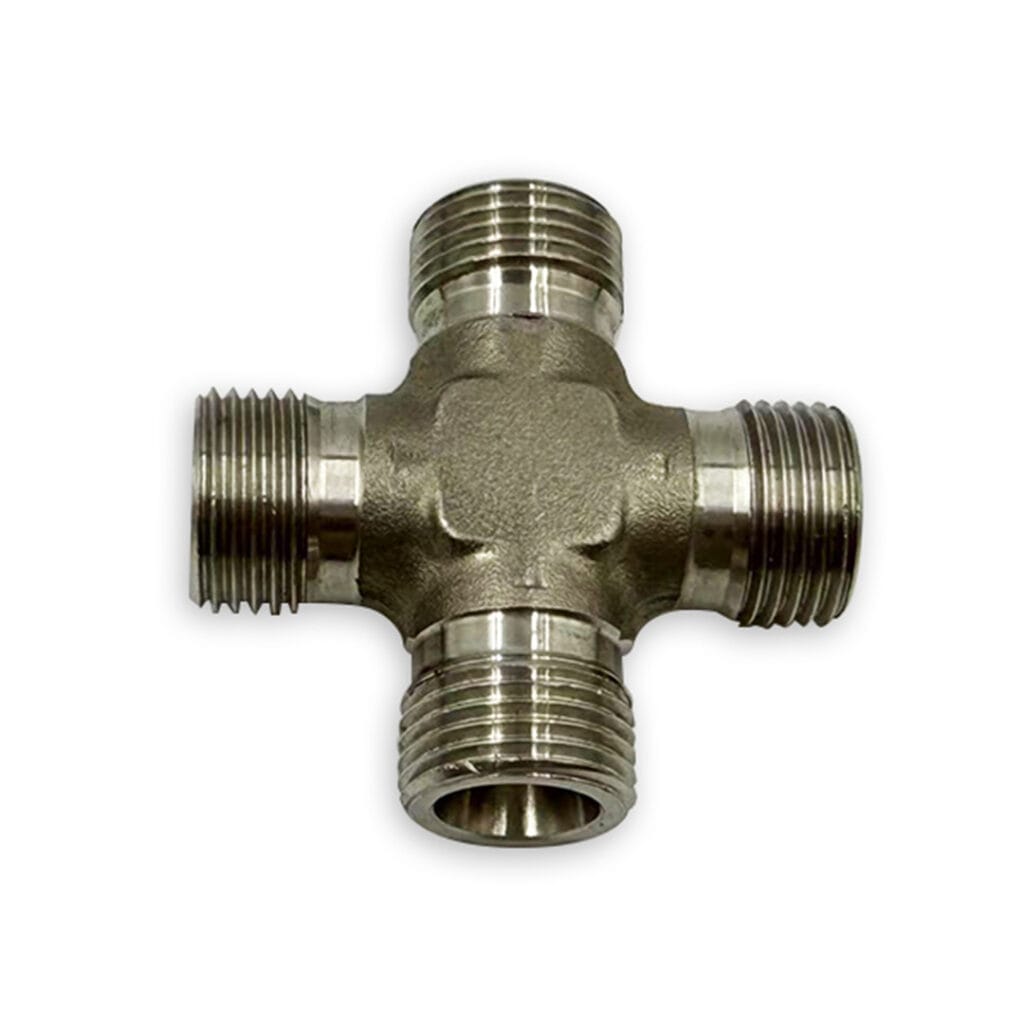
316 stainless steel is one of the most widely used austenitic stainless steels in industrial engineering, known for its excellent corrosion resistance, high strength, and durability in harsh environments. Compared to standard grades, 316 grade stainless steel performs exceptionally well in marine, chemical, and high-moisture applications.
Because of its molybdenum content, 316 stainless steel offers superior resistance to chloride corrosion, making it a preferred material for hydraulic systems, piping components, valves, and industrial fittings.
This guide explains the properties, composition, advantages, applications, and selection criteria of 316 grade stainless steel for engineering and industrial use.
What Is 316 Stainless Steel?
316 grade stainless steel is an austenitic chromium-nickel stainless steel alloy containing molybdenum. This added element significantly improves resistance to corrosion, especially in chloride-rich environments such as seawater or chemical processing systems.
It is commonly used in:
- Hydraulic components
- Pipe fittings and connectors
- Marine equipment
- Chemical processing systems
- Food-grade equipment
Chemical Composition of 316 Stainless Steel
The performance of 316 grade stainless steel comes from its precise chemical structure:
| Element | Approx. Content | Function |
|---|---|---|
| Chromium (Cr) | 16–18% | Corrosion resistance |
| Nickel (Ni) | 10–14% | Strength and toughness |
| Molybdenum (Mo) | 2–3% | Chloride corrosion resistance |
| Carbon (C) | ≤0.08% | Hardness control |
| Iron (Fe) | Balance | Base material |
The addition of molybdenum is the key difference between 316 and lower-grade stainless steels.
Key Properties of 316 Stainless Steel
316 grade stainless steel offers a combination of mechanical and chemical properties:
- Excellent corrosion resistance
- High tensile strength
- Good performance in high-temperature environments
- Strong resistance to pitting and crevice corrosion
- Excellent weldability and formability
These properties make it ideal for demanding industrial applications.
Advantages of 316 Stainless Steel
Using 316 grade stainless steel provides several engineering benefits:
- Long service life in corrosive environments
- Reduced maintenance requirements
- High strength-to-weight ratio
- Suitable for high-pressure systems
- Excellent resistance to seawater and chemicals
It is widely used where reliability and safety are essential.
Applications of 316 Stainless Steel
316 grade stainless steel is used across multiple industries:
- Hydraulic fittings and connectors
- Industrial piping systems
- Marine engineering and shipbuilding
- Chemical processing plants
- Food and pharmaceutical equipment
- Oil and gas systems
Its versatility makes it a standard material in industrial design.
Why 316 Stainless Steel Is Used in Industrial Systems
Engineers choose 316 grade stainless steel because it offers:
- Stability under high pressure
- Resistance to aggressive chemicals
- Reduced risk of system failure
- Compatibility with fluid transport systems
- Long-term cost efficiency
These advantages make it ideal for critical infrastructure.
Maintenance and Durability


Although 316 grade stainless steel is highly corrosion-resistant, proper maintenance improves performance:
- Regular cleaning to remove contaminants
- Inspection in chloride-rich environments
- Avoiding prolonged exposure to harsh chemicals
- Checking for surface pitting in extreme conditions
Proper maintenance ensures maximum lifespan and reliability.
Conclusion
316 grade stainless steel is a high-performance engineering material widely used in industrial, marine, and chemical applications. Its excellent corrosion resistance, strength, and durability make it a preferred choice for hydraulic systems, fittings, and critical infrastructure.
Selecting 316 grade stainless steel ensures long-term reliability, reduced maintenance, and superior performance in demanding environments.
FAQ
What is 316 stainless steel used for?
316 grade stainless steel is widely used in hydraulic systems, pipe fittings, marine equipment, chemical processing, and industrial machinery. Its strong corrosion resistance makes it ideal for harsh environments, especially where moisture, salt, or chemicals are present.
What makes 316 grade stainless steel different from 304?
The key difference is molybdenum content. 316 grade stainless steel contains molybdenum, which improves resistance to chloride corrosion. This makes it more suitable than 304 stainless steel for marine, chemical, and high-corrosion environments.
Is 316 grade stainless steel rust-proof?
316 grade stainless steel is highly corrosion-resistant but not completely rust-proof. In most industrial and marine environments, it performs extremely well, but prolonged exposure to harsh conditions may still cause minor surface corrosion.
Can 316 grade stainless steel handle high pressure?
Yes, 316 grade stainless steel has high tensile strength and is commonly used in high-pressure systems such as hydraulic lines, valves, and industrial piping. It maintains structural integrity under demanding mechanical and pressure conditions.
Why choose 316 stainless steel for industrial use?
316 stainless steel offers excellent durability, corrosion resistance, and long service life. It reduces maintenance costs and improves system reliability, making it a preferred material for critical industrial and engineering applications.
Need Help Choosing the Right 316 Stainless Steel Products?
If you’re unsure which 316 stainless steel materials or components are best for your industrial system or application, our experts are here to help. Contact us today for a personalized consultation, and ensure your equipment is durable, corrosion-resistant, and built for long-term performance. Don’t wait until material failure causes costly downtime—get in touch now to secure reliable solutions for your project!