Table of Contents
Introduction
In hydraulic systems, both hydraulic hoses and hydraulic tubing play a critical role in transporting pressurized fluid. Although they serve the same fundamental purpose, their structure, performance, flexibility, and applications are significantly different.
Choosing between hydraulic hoses and hydraulic tubing directly affects system safety, efficiency, installation cost, and long-term maintenance. This guide explains the key differences to help engineers and system designers make the right selection.
What Are Hydraulic Hoses?
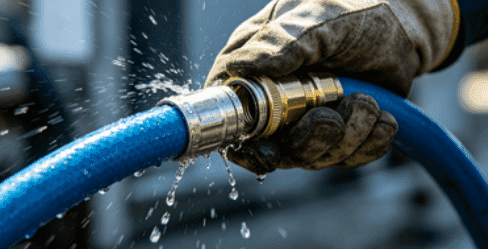
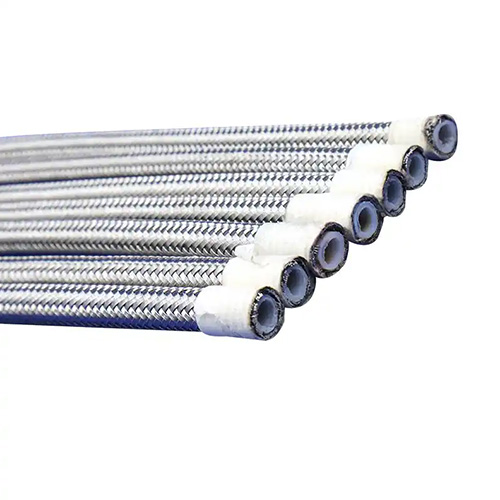
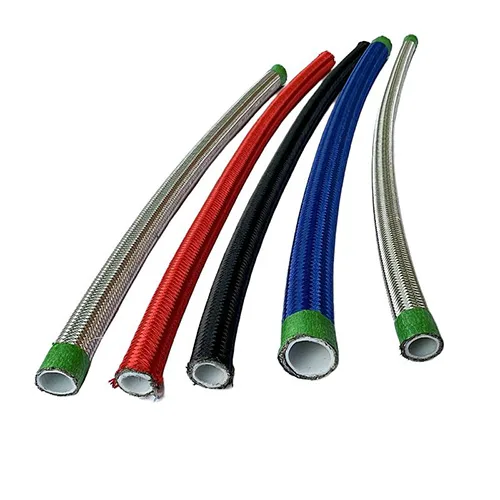
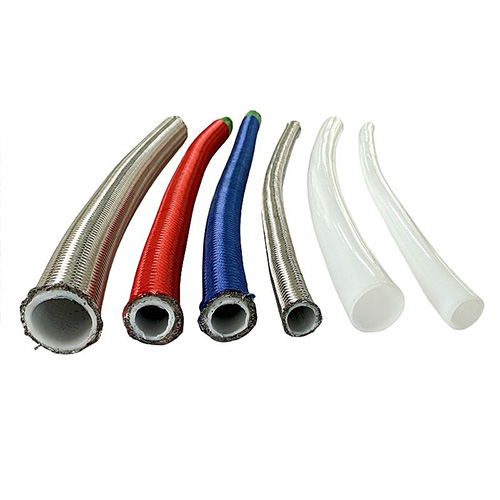
Hydraulic fluid hoses are flexible, reinforced conduits designed to carry hydraulic fluid under high pressure. They are typically made from rubber or thermoplastic materials with internal reinforcement layers such as steel wire braiding.
Key features:
- High flexibility
- Excellent vibration absorption
- Suitable for dynamic movement
- Easy installation in tight spaces
Hydraulic fluid hoses are widely used in mobile equipment and systems requiring movement.
What Is Hydraulic Tubing?
Hydraulic tubing refers to rigid metal pipes used to transport hydraulic fluid in fixed systems. It is usually made from steel or stainless steel and formed into precise shapes for stable fluid transmission.
Key features:
- High structural strength
- Excellent pressure resistance
- Fixed installation
- Minimal expansion under pressure
Hydraulic tubing is commonly used in stationary industrial systems.
Key Differences Between Hydraulic Hoses and Hydraulic Tubing
| Feature | Hydraulic Hoses | Hydraulic Tubing |
|---|---|---|
| Flexibility | High | Low (rigid) |
| Material | Rubber, thermoplastic, steel wire | Steel, stainless steel |
| Installation | Easy, flexible routing | Requires precise bending |
| Vibration Resistance | Excellent | Limited |
| Pressure Handling | High (varies by design) | Very high |
| Application Type | Mobile systems | Fixed systems |
Pressure Performance Comparison
Hydraulic tubing generally offers higher structural pressure resistance due to its rigid metal construction. However, modern hydraulic hoses with steel reinforcement can also handle extremely high pressure while providing flexibility.
- Tubing: Best for constant, stable pressure systems
- Hoses: Best for variable, dynamic pressure environments
Installation and Maintenance Differences
Hydraulic Hoses
- Faster installation
- No need for complex bending tools
- Easier replacement
- Requires regular inspection for wear and leaks
Hydraulic Tubing
- Requires precision cutting and bending
- Longer installation time
- More permanent system structure
- Lower long-term deformation risk
Applications of Hydraulic Hoses
Hydraulic fluid hoses are used in:
- Excavators and loaders
- Agricultural machinery
- Construction equipment
- Mining machinery
- Mobile hydraulic systems
Their flexibility makes them ideal for moving parts.
Applications of Hydraulic Tubing
Hydraulic tubing is commonly used in:
- Industrial machinery
- Factory automation systems
- Hydraulic power units
- Fixed hydraulic circuits
- High-pressure stationary systems
Tubing is preferred where stability is more important than flexibility.
How to Choose Between Hydraulic Hoses and Hydraulic Tubing
When selecting between hydraulic fluid hoses and tubing, consider:
- System movement requirements
- Pressure stability
- Installation environment
- Maintenance accessibility
- Vibration levels
- Space constraints
Choose Hydraulic Hoses if:
- The system involves movement or vibration
- Installation space is limited
- Flexibility is required
Choose Hydraulic Tubing if:
- The system is fixed and stable
- High structural pressure resistance is required
- Long-term durability is a priority
Conclusion
Understanding the difference between hydraulic fluid hoses and hydraulic tubing is essential for designing efficient and safe hydraulic systems. Hoses provide flexibility and vibration resistance, while tubing offers superior rigidity and pressure stability.
Choosing the right option ensures system reliability, reduces maintenance costs, and improves overall hydraulic performance.
FAQ
What is the difference between hydraulic hoses and hydraulic tubing?
Hydraulic fluid hoses are flexible and designed for dynamic systems with movement and vibration. Hydraulic tubing is rigid metal piping used in fixed systems requiring high structural strength and stable fluid transfer under pressure.
Which is better for high-pressure systems?
Hydraulic tubing generally offers higher structural pressure resistance due to its rigid steel construction. However, reinforced hydraulic hoses can also handle high pressure in mobile or vibration-prone applications depending on design.
When should I usehydraulic fluid hoses instead of tubing?
Use hydraulic fluid hoses when the system involves movement, vibration, or tight installation space. They are ideal for mobile machinery such as excavators, tractors, and industrial equipment with moving components.
Can hydraulic fluid hoses replace hydraulic tubing?
In some cases, yes. However, replacement depends on system design. Hydraulic fluid hoses provide flexibility, while tubing is preferred for permanent, fixed installations requiring maximum rigidity and long-term stability.
Which lasts longer: hydraulic fluid hoses or hydraulic tubing?
Hydraulic tubing typically lasts longer due to its rigid metal structure. Hydraulic hoses have a shorter lifespan because they are exposed to flexing and pressure cycles, usually requiring replacement every few years depending on usage.
Need Help Choosing the Right Hydraulic Hoses or Hydraulic Tubing?
If you’re unsure which option is best for your hydraulic system, our experts are here to help. Contact us today for a personalized consultation, and ensure your system is safe, efficient, and built for long-term industrial performance. Don’t wait until failures cause downtime—get in touch now to optimize your hydraulic system and protect your equipment!