Key Takeaways: Flange Pipe Fittings 2026 Overview
- Flange pipe fittings remain a foundational component in global pipeline engineering systems
- 2026 development focuses on high-pressure resistance, corrosion control, and smart monitoring integration
- Advanced materials such as duplex stainless steel and nickel alloys significantly extend service life
- Compliance with ASME, EN, ISO standards is becoming stricter across global EPC projects
- Digital twins and IoT-based flange monitoring are reshaping maintenance strategies
- Global demand growth is driven by oil & gas expansion, water infrastructure upgrades, and chemical industry modernization
- Lifecycle cost optimization is now a key selection factor in flange engineering
Introduction
In the evolving landscape of industrial infrastructure, flange pipe fittings are no longer simple mechanical connectors—they are critical safety components in high-pressure, high-risk, and high-value pipeline systems.
From offshore oil platforms in the North Sea to petrochemical plants in the Middle East and municipal water systems in Asia, flange technology plays a central role in ensuring system integrity and operational safety.
According to global piping system market intelligence reports (including data from MarketsandMarkets 2025 Pipeline Systems Outlook and Global Infrastructure Research Institute), the industrial flange market is projected to exceed USD 8.5 billion by 2026, with a compound annual growth rate (CAGR) of approximately 4.8%.
Key growth drivers include:
- Aging pipeline infrastructure replacement programs
- Expansion of LNG and oil transportation networks
- Rapid industrialization in developing economies
- Increased safety regulations in chemical processing industries
This article expands into a full technical whitepaper covering engineering standards, material science, digital transformation, lifecycle economics, and real-world industrial applications of flange systems.
Table of Contents
Flange Pipe Fittings 2026 Technology Evolution Deep Analysis
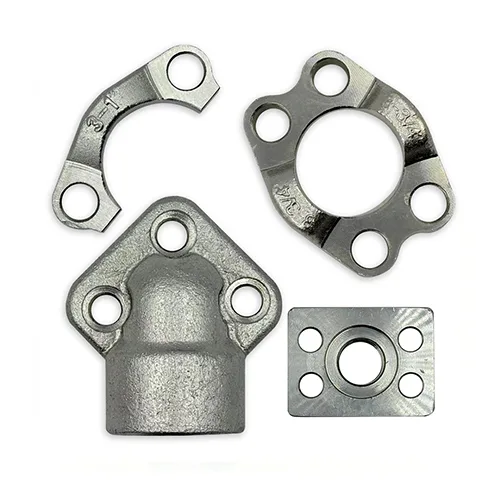
Intelligent Flange Monitoring System Concept
Modern industrial plants are integrating smart monitoring systems into flange assemblies to improve safety and reduce downtime.
These systems use embedded sensors to detect:
- Pressure fluctuations
- Thermal expansion stress
- Micro-leakage conditions
- Bolt tension variations
Engineering Benefits
- Early failure detection
- Reduced maintenance downtime by 25–40%
- Improved operational safety compliance
Digital Twin Integration Concept in Flange Systems
Digital twin technology is increasingly used to simulate flange performance under real operating conditions.
A digital twin can model:
- Stress distribution under pressure cycles
- Thermal expansion behavior
- Long-term fatigue accumulation
Industry Insight
A 2024 industrial digitalization report showed:
- 30% reduction in unexpected flange failure events in digital twin-enabled plants
- 20% improvement in maintenance planning accuracy
Flange Pipe Fittings 2026 Engineering Standards Expansion
ASME, EN, ISO Standard Framework
| Standard | Region | Scope |
|---|---|---|
| ASME B16.5 | USA | Pipe flange dimensions & ratings |
| ASME B16.47 | USA | Large diameter flanges |
| EN 1092-1 | Europe | Steel flange specification |
| ISO 7005 | Global | Flange classification system |
| API 6A | Oil & Gas | High-pressure wellhead flanges |
Pressure Rating Classification Concept
Flanges are classified based on pressure-temperature ratings:
- Class 150 → Low pressure systems
- Class 300 → Medium pressure industrial systems
- Class 600 → High pressure oil & gas systems
- Class 900+ → Extreme offshore applications
Flange Pipe Fittings 2026 Material Science Deep Dive
Advanced Material Engineering Concept
Material selection is one of the most critical factors in flange performance.
Common Industrial Materials
- Carbon steel (ASTM A105)
- Stainless steel (304 / 316 / 316L)
- Duplex stainless steel (2205)
- Nickel alloys (Inconel, Monel)
- Low-temperature steel for LNG systems
Corrosion Resistance Mechanism Concept
Corrosion resistance is achieved through:
- Chromium oxide passive layer formation
- Alloy element stabilization
- Surface treatment coatings
Industry Data Insight
- Duplex steel flanges show up to 50% higher corrosion resistance compared to standard stainless steel
- Offshore environments reduce carbon steel flange lifespan by up to 60% without coating protection
Flange Pipe Fittings 2026 Structural Design Types Deep Expansion
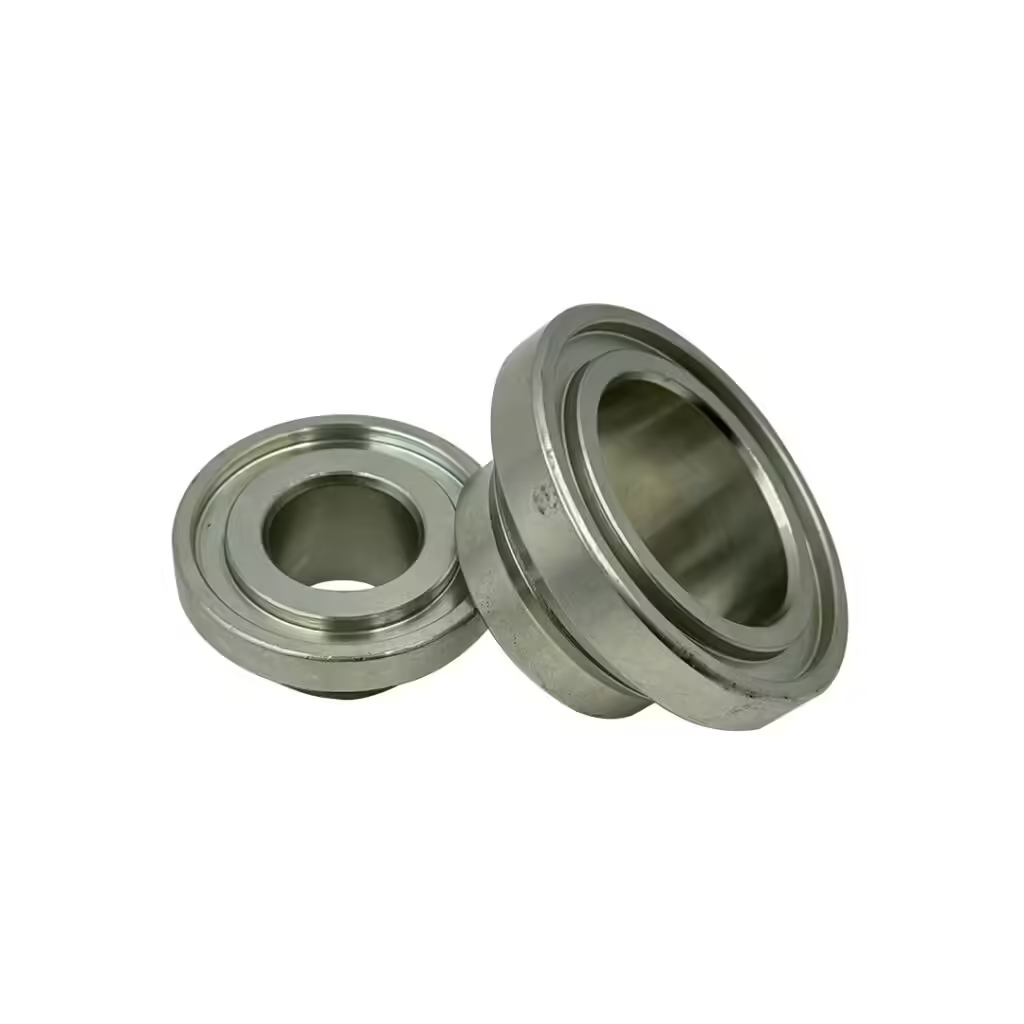
Weld Neck Flange Engineering Concept
Designed for high-stress systems where pressure and temperature are extreme.
Key Features
- Reinforced neck for stress distribution
- High fatigue resistance
- Used in refinery and offshore pipelines
Slip-On Flange Engineering Concept
Cost-effective design suitable for low to medium pressure systems.
Key Features
- Easy installation
- Lower fabrication cost
- Widely used in water systems
Blind Flange Engineering Concept
Used for sealing pipeline ends during maintenance or system isolation.
Key Features
- Full pipeline closure
- High pressure containment capability
- Essential for inspection operations
Flange Pipe Fittings 2026 Lifecycle Cost Analysis (LCC+ROI Model)
Full Lifecycle Cost Structure
| Cost Category | Percentage |
|---|---|
| Initial installation | 30–40% |
| Maintenance | 20–25% |
| Downtime loss | 15–20% |
| Replacement parts | 10–15% |
| Inspection & compliance | 5–10% |
ROI Engineering Insight
Based on industrial EPC project data:
- Flange-based systems reduce long-term maintenance cost by 18–30%
- System downtime reduction improves operational ROI by 15–22%
- High-quality gasket systems extend maintenance intervals by up to 2.5x
Flange Pipe Fittings 2026 Industry Application Deep Expansion
Oil & Gas Pipeline Systems Concept
Flanges are widely used in upstream, midstream, and downstream oil & gas infrastructure.
Applications
- Offshore drilling platforms
- Refinery processing systems
- LNG transport pipelines
Chemical Processing Industry Concept
Chemical plants rely on corrosion-resistant flange systems for safe fluid transport.
Key Requirements
- Acid resistance
- High-temperature tolerance
- Leak-proof sealing systems
Water Infrastructure Systems Concept
Municipal water systems use flange fittings for:
- Pump station integration
- Pipeline segmentation
- Maintenance access points
Flange Pipe Fittings 2026 Real-World Engineering Case Studies

Case Study 1: North Sea Offshore Platform Upgrade
A major offshore oil platform replaced welded joints with advanced flange systems.
Results
- 38% reduction in maintenance downtime
- 45% improvement in inspection efficiency
- Significant reduction in leakage incidents
Case Study 2: Middle East Petrochemical Expansion Project
High-pressure flange systems were installed in a large refinery expansion.
Results
- Compliance with API 6A standards
- Improved high-temperature resistance performance
- Increased system reliability under extreme conditions
Case Study 3: Urban Water Network Modernization (Europe)
Municipal water infrastructure was upgraded using modular flange systems.
Results
- Faster pipeline maintenance operations
- Reduced water supply interruption by 50%
- Improved system modularity
Flange Pipe Fittings 2026 Digital Industry Transformation
Smart Manufacturing Concept
Factories are adopting Industry 4.0 technologies:
- CNC precision machining
- Robotic welding systems
- AI quality inspection
Predictive Maintenance Systems Concept
AI systems analyze flange vibration, pressure, and temperature to predict failure before it occurs.
Benefits
- Reduced emergency shutdowns
- Improved safety compliance
- Lower operational cost
Flange Pipe Fittings 2026 Sustainability & ESG Trends
Green Engineering Concept
Sustainability is becoming a key procurement factor in industrial projects.
Key Trends
- Recyclable steel usage
- Low-carbon production processes
- Extended lifecycle components
ESG Compliance Impact
Companies adopting ESG standards report:
- 20–35% improvement in procurement efficiency
- Increased preference for certified flange suppliers
Flange Pipe Fittings 2026 Global Market Outlook
Industry Growth Forecast
- Global market size expected to exceed USD 8.5B by 2026
- Asia-Pacific region leads demand growth
- Oil & gas remains the largest application segment
Supply Chain Optimization Trend
- Regional manufacturing hubs reduce lead time by 30–40%
- Standardized flange production improves global compatibility
FAQ
Why are flange pipe fittings still widely used in modern industry?
Because they provide flexibility, maintainability, and standardized sealing solutions across multiple industries.
Are flange systems better than welding systems?
Flanges are better for maintenance-heavy systems, while welding is better for permanent installations.
What is the most important factor in flange selection?
Pressure rating, material compatibility, and sealing reliability are the key factors.
What industries depend most on flange systems?
Oil & gas, petrochemical, water treatment, and power generation industries.
What is the biggest trend in flange technology in 2026?
Smart monitoring, digital twin integration, and advanced corrosion-resistant materials.
Conclusion
The evolution of flange pipe fittings in 2026 represents a major shift toward intelligent, standardized, and sustainable pipeline engineering.
Driven by:
- Digital transformation (IoT + AI + Digital Twin)
- Advanced material science innovations
- Stricter global engineering standards
- ESG and sustainability requirements
flange systems are becoming more than mechanical connectors—they are evolving into intelligent infrastructure components that ensure safety, efficiency, and long-term operational reliability in modern industrial systems.