Key Takeaways
- Understand what a flanged joint is and why it is critical in pipeline systems
- Learn how different flanged joint types affect sealing performance and durability
- Compare welded joints, threaded joints, and flanged connections in real applications
- Explore material options such as carbon steel, stainless steel, and alloy steel
- Review installation methods and sealing mechanisms used in industrial pipelines
- Identify key selection factors for pressure, temperature, and media compatibility
- Get answers to common buyer questions based on real search intent
Pipeline systems are the backbone of modern industrial infrastructure. From oil and gas transportation to water treatment plants, chemical processing, and power generation systems, every pipeline requires a reliable connection method to ensure safety and efficiency. Among all connection types, the flanged joint remains one of the most widely used solutions due to its strength, versatility, and ease of maintenance.
Unlike permanent welding connections, a flanged joint allows sections of a pipeline to be connected using bolted flange faces and sealing gaskets. This structure makes inspection, repair, and replacement significantly easier, especially in high-pressure or high-temperature environments.
As industries demand higher safety standards and lower maintenance costs, flanged connections continue to play a critical role in modern engineering systems.
Table of Contents
Flanged Joint Types in Pipeline Systems

Different pipeline systems require different flange designs depending on pressure level, fluid type, and operating conditions. Understanding these variations is essential for selecting the right solution.
Weld Neck Flanged Joint
A weld neck flange is designed with a long tapered hub that is welded directly to the pipe. This structure provides excellent stress distribution and is commonly used in high-pressure systems.
Key Concept
The smooth transition between pipe and flange reduces turbulence and improves structural integrity under extreme conditions.
Slip-On Flanged Joint
Slip-on flanges are installed by sliding the pipe into the flange before welding. This type is easier to install but slightly weaker than weld neck designs.
Key Concept
It is widely used in low-pressure pipeline systems where cost efficiency is a priority.
Blind Flanged Joint
Blind flanges are used to close the end of a pipeline or pressure vessel. They allow easy access for maintenance and inspection.
Key Concept
This type acts as a removable seal, making it essential for system testing and future expansion.
Threaded Flanged Joint
Threaded flanges are connected to pipes without welding, using internal threads instead.
Key Concept
They are commonly used in systems where welding is not practical or where disassembly is required.
Flanged Joint vs Other Pipeline Connection Methods
Understanding how flanged connections compare with other methods helps engineers choose the most efficient solution.
| Connection Type | Strength | Maintenance | Installation | Cost | Best Use Case |
|---|---|---|---|---|---|
| Flanged Joint | High | Easy | Moderate | Medium | Industrial pipelines |
| Welded Joint | Very High | Difficult | Complex | Low | Permanent systems |
| Threaded Joint | Medium | Easy | Easy | Low | Small pipelines |
| Compression Joint | Medium | Easy | Easy | Medium | Instrument systems |
Concept Comparison: Flanged vs Welded
Flanged systems allow disassembly, while welded joints are permanent. This makes flanged systems more suitable for maintenance-heavy industries.
Concept Comparison: Flanged vs Threaded
Threaded joints are easier to install but less suitable for high-pressure systems compared to flanged designs.
Materials Used in Flanged Joint Systems
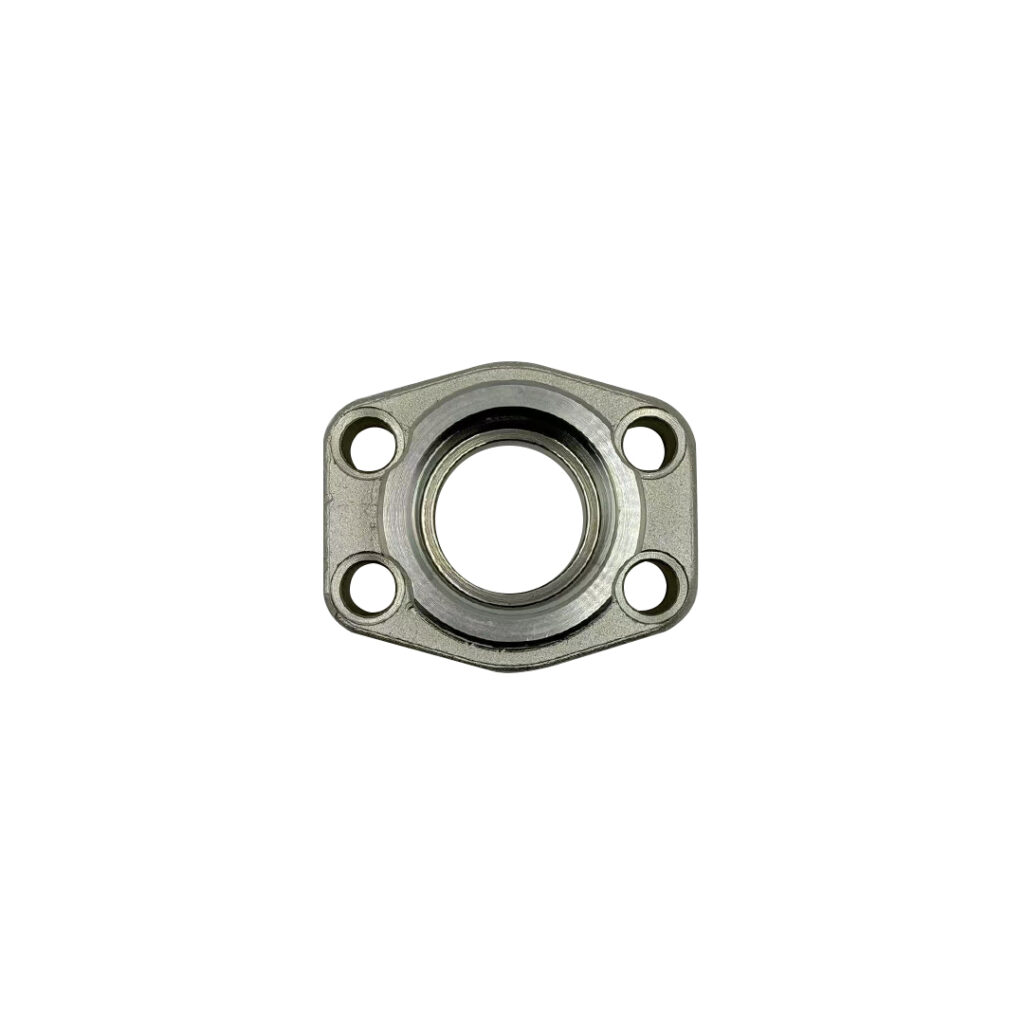
Material selection plays a critical role in performance, especially under harsh operating conditions.
Carbon Steel Flanged Joint
Carbon steel is widely used in industrial pipelines due to its strength and cost efficiency.
Key Concept
Best suited for oil, gas, and water transport systems with moderate corrosion risk.
Stainless Steel Flanged Joint
Stainless steel offers excellent corrosion resistance and is widely used in chemical and food processing industries.
Key Concept
Ideal for environments where hygiene and chemical resistance are critical.
Alloy Steel Flanged Joint
Alloy steel flanges are designed for extreme pressure and temperature conditions.
Key Concept
Common in power plants and high-performance industrial systems.
Flanged Joint Pressure and Performance Standards
Pipeline flanges must meet strict international standards to ensure safety and reliability.
Common Standards Used in Industry
- ANSI/ASME B16.5
- DIN standards
- EN 1092-1
- JIS B2220
Pressure Rating Classes
| Class | Pressure Range | Application |
|---|---|---|
| Class 150 | Low pressure | Water systems |
| Class 300 | Medium pressure | Industrial pipelines |
| Class 600 | High pressure | Oil & gas systems |
| Class 900+ | Extreme pressure | Power plants |
Flanged Joint Installation Concept Guide
Proper installation directly affects sealing performance and system safety.
Step 1: Surface Preparation
Flange faces must be clean and free from scratches or debris.
Key Concept
Even minor surface damage can lead to gasket leakage under pressure.
Step 2: Gasket Selection
Gaskets ensure a tight seal between flange faces.
Common types include:
- Rubber gaskets
- Spiral wound gaskets
- PTFE gaskets
Step 3: Bolt Tightening Sequence
Bolts must be tightened in a cross-pattern sequence to ensure even pressure distribution.
Key Concept
Uneven tightening is one of the most common causes of flange leakage.
Flanged Joint Applications in Pipeline Systems
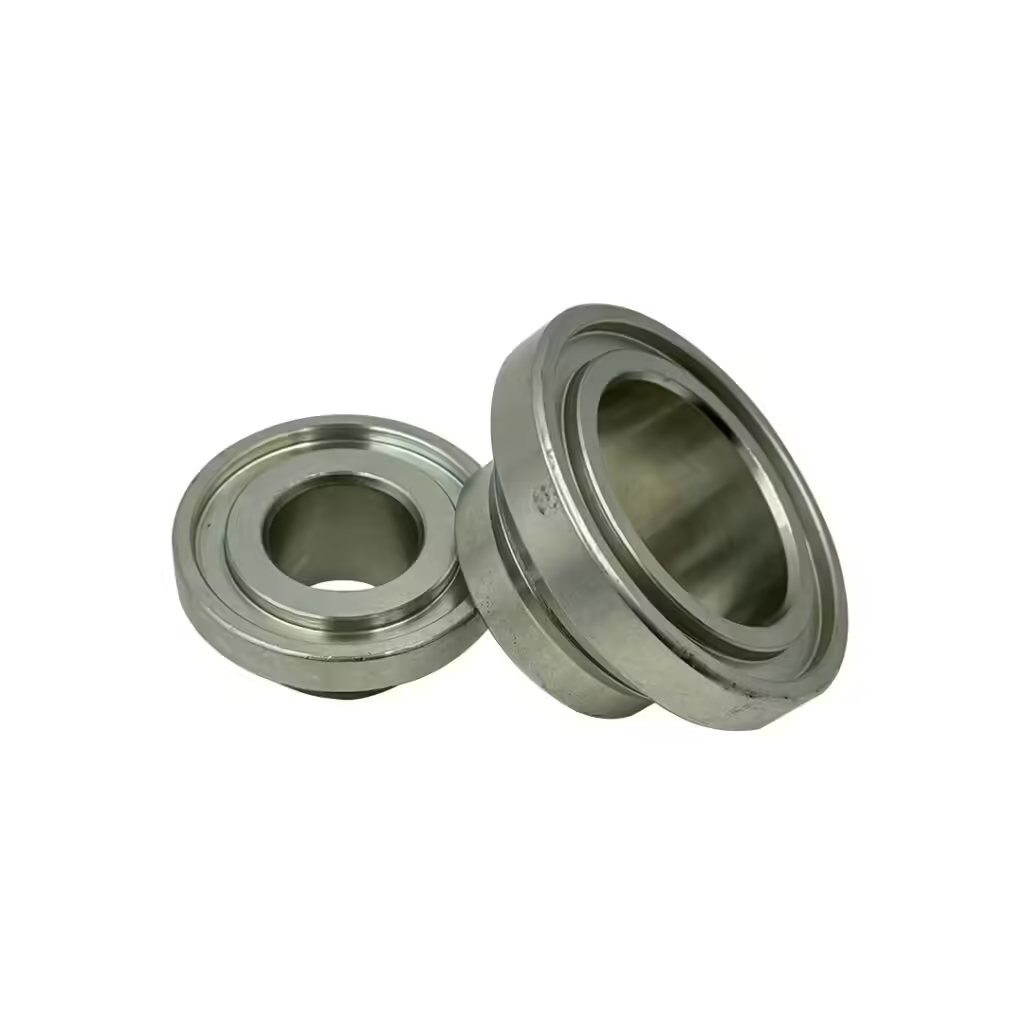
Flanged connections are widely used across multiple industries.
Oil and Gas Industry
Used in high-pressure pipelines for crude oil and natural gas transport.
Chemical Processing Plants
Used where corrosion-resistant materials are required.
Water Treatment Systems
Used for filtration, pumping, and distribution systems.
Power Generation Plants
Used in steam and cooling water systems operating under extreme conditions.
Advantages of Using Flanged Joint Systems
Flanged connections offer several advantages over other pipeline systems.
Easy Maintenance
Flanges can be disassembled quickly for inspection or replacement.
High Pressure Capability
Suitable for medium to high-pressure industrial applications.
Flexible System Design
Allows system expansion or modification without major reconstruction.
Reliable Sealing Performance
When properly installed, flanged systems provide strong leak protection.
Flanged Joint Selection Factors
Choosing the right flange depends on system requirements.
Pressure and Temperature Conditions
Higher pressure systems require stronger materials and thicker flange ratings.
Fluid Type Compatibility
Corrosive or chemical fluids require stainless steel or special alloy flanges.
Installation Environment
Outdoor systems may require corrosion-resistant coatings.
Maintenance Frequency
Systems requiring frequent inspection benefit from flanged connections.
Conclusion
Flanged joint systems remain one of the most reliable and versatile connection methods in modern pipeline engineering. Their ability to balance strength, flexibility, and maintenance convenience makes them essential across industries such as oil and gas, chemical processing, and power generation.
Selecting the right flanged joint depends on understanding pressure requirements, material selection, and installation standards. When properly designed and installed, flanged connections provide long-term safety, efficiency, and operational stability in complex pipeline systems.
FAQ
What is a flanged joint used for?
A flanged joint is used to connect pipes, valves, and equipment in pipeline systems while allowing easy disassembly and maintenance.
Which industries use flanged joints most?
They are widely used in oil and gas, chemical processing, water treatment, and power generation industries.
Is flanged joint better than welding?
Flanged joints are better for systems requiring maintenance, while welded joints are better for permanent installations.
What causes leakage in flanged joints?
Common causes include improper bolt tightening, damaged gaskets, or misaligned flange faces.
How long does a flanged joint last?
With proper installation and maintenance, flanged joints can last many years in industrial environments.