Key Takeaways
- Turning rubber barrels improve industrial mixing safety by reducing leakage and contamination risks
- High-quality rubber materials provide excellent resistance to heat, corrosion, tearing, and aging
- Precision turning processes create smooth inner surfaces that improve cleaning efficiency and material flow
- Custom turning rubber barrel solutions support chemical, pharmaceutical, mining, food, and heavy manufacturing industries
- Advanced sealing technology helps reduce production downtime and operational waste
- Modern turning rubber barrel systems are increasingly aligned with ISO quality standards and smart manufacturing trends
- Choosing the right turning rubber barrel can significantly improve productivity, equipment lifespan, and worker safety
Table of Contents
Introduction
Industrial mixing environments are becoming more demanding every year. Manufacturers are expected to improve production efficiency, reduce downtime, maintain consistent product quality, and meet stricter environmental and workplace safety regulations. In industries such as chemical processing, mining, coating production, pharmaceuticals, and construction materials, even a small mixing failure can lead to contamination, equipment damage, or costly production interruptions.
This is where the importance of the Turning Rubber Barrel becomes increasingly clear.
A modern turning rubber barrel is more than just a rotating container. It is an engineered industrial component designed to improve safety, mixing consistency, durability, and operational efficiency under difficult working conditions. With advanced rubber formulations, precision turning processes, and customizable structural designs, these barrels are now widely used in high-demand industrial applications around the world.
Compared with conventional mixing barrels, advanced turning rubber barrels provide better sealing performance, smoother internal surfaces, improved wear resistance, and significantly lower leakage risks. Their ability to operate under high temperatures and corrosive environments makes them particularly valuable for industries dealing with aggressive chemicals or abrasive materials.
As industrial automation continues to expand globally, the demand for customized turning rubber barrel solutions is also increasing. According to industrial equipment market research published in recent manufacturing reports, global demand for corrosion-resistant rotating mixing equipment is expected to grow steadily due to increased investments in chemical processing, lithium battery production, and environmentally friendly manufacturing systems.
This article explores how turning rubber barrels improve mixing safety, how modern production technologies enhance durability, and why industries are increasingly upgrading to precision-engineered rubber barrel systems.
Understanding the Concept of a Turning Rubber Barrel
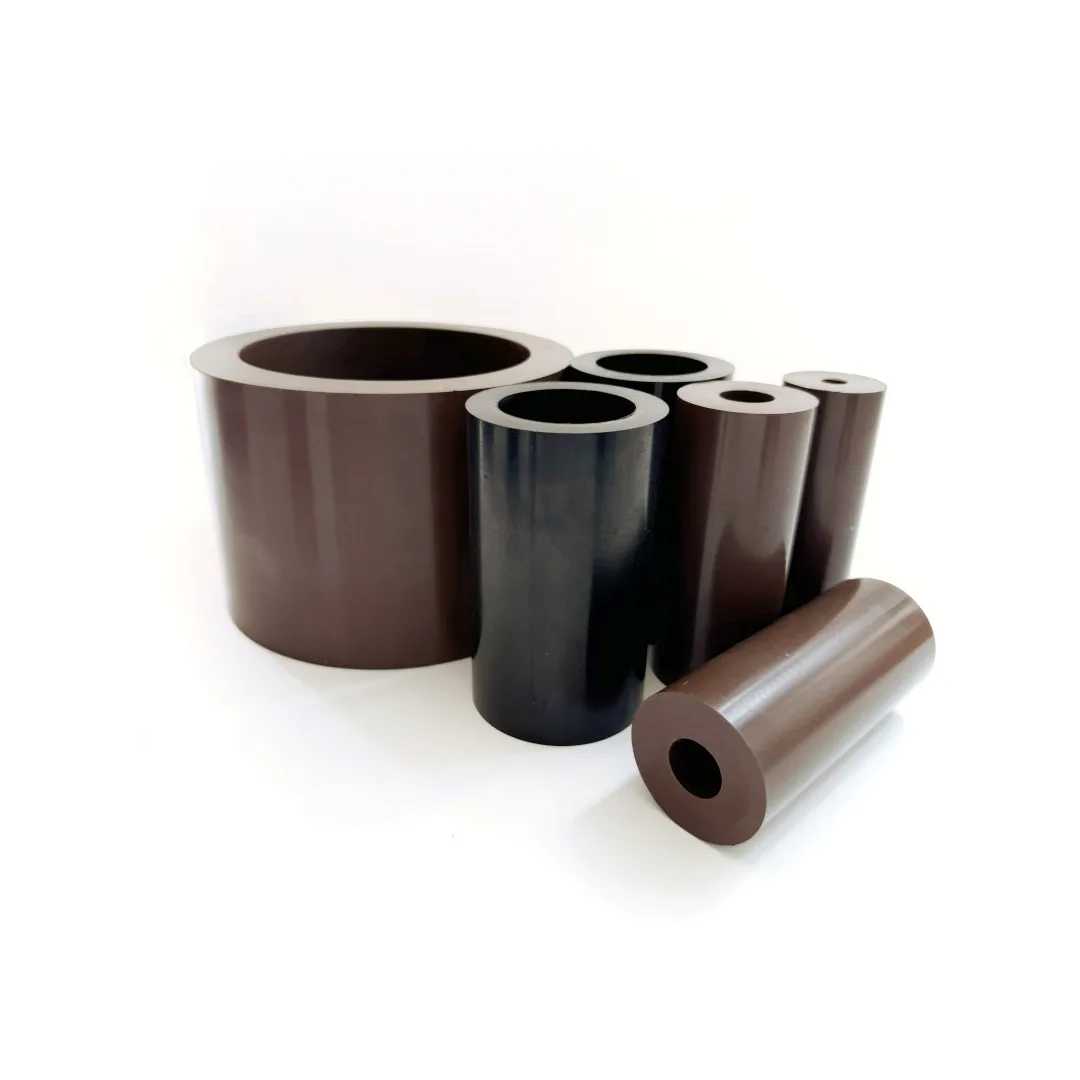
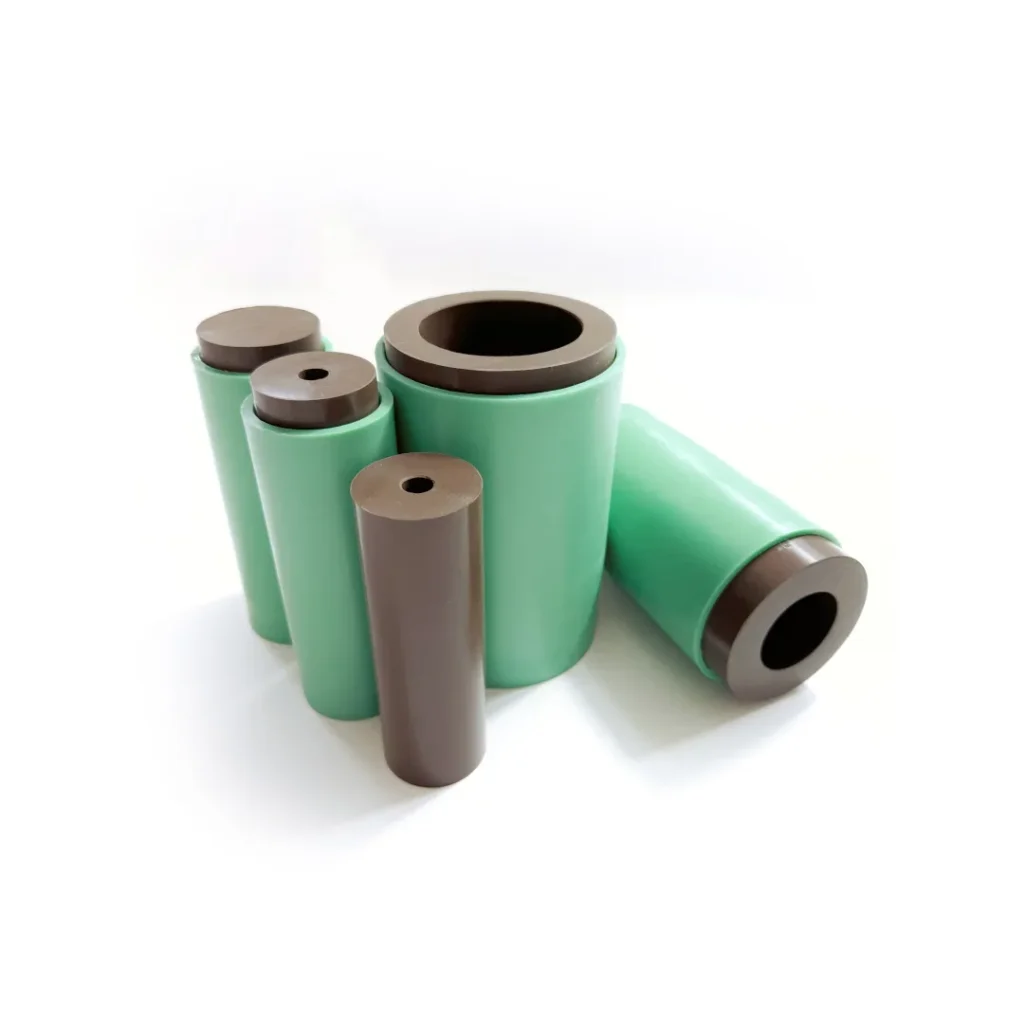
A turning rubber barrel is a rotating industrial barrel lined or manufactured with specialized rubber materials. It is primarily designed for mixing, blending, transporting, or processing materials in environments where corrosion resistance, sealing performance, and durability are critical.
Unlike ordinary metal barrels, turning rubber barrels are engineered to handle abrasive materials, chemical exposure, high humidity, and temperature fluctuations without rapid wear or contamination risks.
Core Characteristics of Modern Turning Rubber Barrel Systems
Corrosion Resistance
Special industrial rubber compounds provide excellent resistance against acids, alkalis, solvents, and moisture. This helps extend service life in chemical and mining environments.
High Temperature Resistance
Many turning rubber barrel designs can operate under elevated temperatures without structural deformation or sealing failure.
Strong Sealing Performance
Advanced sealing systems help minimize leakage risks during rotation and mixing operations.
Precision Inner Surface
The precision turning process creates a smooth and burr-free internal wall that improves material flow and simplifies cleaning procedures.
Flexible Customization
Manufacturers can produce turning rubber barrels with special dimensions, structural shapes, reinforcement systems, and customized rubber formulas based on operational requirements.
Why Mixing Safety Matters in Industrial Production
Mixing operations are often one of the most sensitive stages of industrial manufacturing. Poor mixing equipment can result in:
- Material leakage
- Chemical contamination
- Inconsistent product quality
- Worker safety hazards
- Excessive equipment wear
- Production downtime
- Environmental violations
In industries handling flammable powders, aggressive chemicals, or high-viscosity compounds, safety becomes even more critical.
Industrial accident reports published by international workplace safety organizations show that equipment leakage and poor sealing systems remain major causes of chemical exposure incidents in manufacturing facilities.
A high-quality turning rubber barrel directly addresses many of these risks by improving containment, reducing friction damage, and maintaining stable operational performance.
How Turning Rubber Barrel Improves Mixing Safety
Advanced Leakage Prevention Technology
One of the primary safety advantages of a turning rubber barrel is its ability to minimize leakage during rotation.
Traditional mixing barrels often suffer from:
- Weak sealing structures
- Surface wear
- Corrosion-induced cracks
- Uneven rotational stress
Modern turning rubber barrels use precision sealing systems combined with elastic industrial rubber materials that maintain stability even during continuous operation.
Benefits of Improved Sealing
| Safety Factor | Traditional Barrel | Turning Rubber Barrel |
|---|---|---|
| Leakage Risk | Moderate to High | Low |
| Chemical Resistance | Limited | Excellent |
| Seal Durability | Moderate | High |
| Cleaning Efficiency | Average | Excellent |
| Worker Exposure Risk | Higher | Lower |
Strong sealing not only protects workers but also reduces material waste and environmental contamination.
Smooth Inner Wall Improves Operational Safety
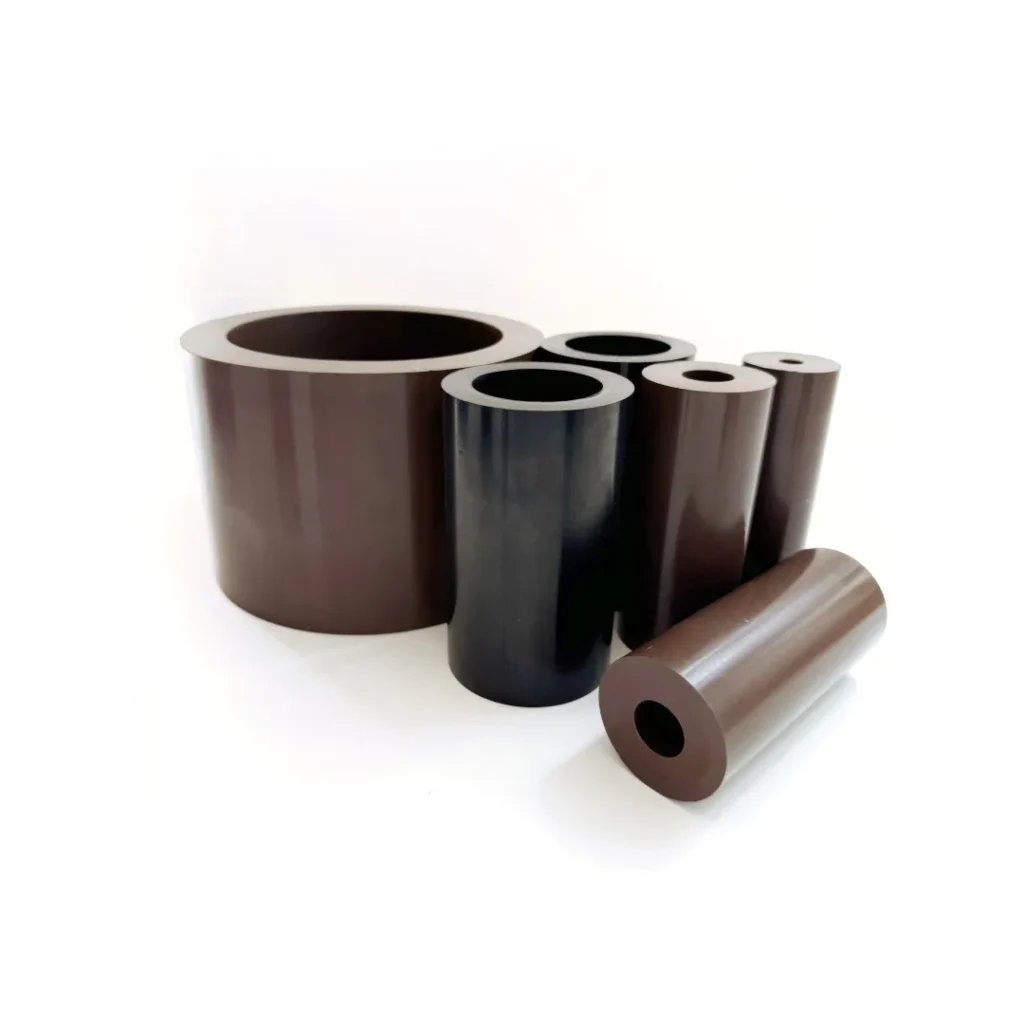
The precision turning process used in advanced turning rubber barrel manufacturing creates an exceptionally smooth interior surface.
This smooth structure helps:
- Prevent material buildup
- Reduce contamination risks
- Improve mixing consistency
- Lower cleaning time
- Reduce bacterial accumulation in sensitive industries
In pharmaceutical and food-grade applications, smooth internal surfaces are especially important because rough surfaces can trap residues and create sanitation problems.
High-Quality Rubber Materials Enhance Durability
Material selection plays a critical role in turning rubber barrel performance.
Modern industrial barrels often use specialized rubber compounds such as:
- EPDM rubber
- Natural rubber
- Nitrile rubber
- Silicone rubber
- Fluoroelastomer compounds
Each material provides different performance advantages depending on the application.
Common Rubber Material Comparison
| Rubber Type | Main Advantage | Suitable Industries |
|---|---|---|
| EPDM | Heat & weather resistance | Chemical & outdoor use |
| Nitrile Rubber | Oil resistance | Petroleum & lubricants |
| Natural Rubber | Elasticity & wear resistance | Mining & abrasive materials |
| Silicone Rubber | Extreme temperature resistance | Food & pharmaceutical |
| Fluoroelastomer | Chemical resistance | High-corrosion environments |
Using aging-resistant and tear-resistant rubber significantly extends operational lifespan and improves workplace reliability.
Turning Rubber Barrel in Harsh Working Conditions
Industrial environments are rarely ideal. Equipment may operate under:
- High humidity
- Acidic exposure
- Abrasive particle contact
- Continuous rotation
- Temperature fluctuations
- Heavy load conditions
Turning rubber barrels are specifically engineered to withstand these harsh conditions.
Mining Industry Applications
Mining facilities often use turning rubber barrels for slurry mixing and abrasive material handling. Rubber-lined systems help absorb impact forces and reduce internal wear caused by mineral particles.
Chemical Processing Applications
Chemical plants rely on corrosion-resistant turning rubber barrels to safely process reactive materials without rapid structural deterioration.
Construction Material Production
Cement additives, coatings, adhesives, and industrial compounds require reliable mixing systems capable of continuous operation.
Precision Manufacturing Technology Behind Turning Rubber Barrel
Modern turning rubber barrels are no longer simple molded products. Advanced production technology now includes:
- CNC precision turning
- Automated rubber vulcanization
- Digital thickness control
- Dynamic balance testing
- Non-destructive inspection systems
These manufacturing processes improve:
- Dimensional accuracy
- Rotational stability
- Surface smoothness
- Structural consistency
- Long-term operational safety
Precision Size Control
Customized turning rubber barrels can achieve highly accurate dimensional tolerances for complex industrial systems.
Precise dimensions help improve:
- Equipment compatibility
- Rotational balance
- Sealing performance
- Installation efficiency
Customizable Turning Rubber Barrel Solutions
Modern industries rarely use standardized equipment alone. Different applications require different structural characteristics.
Common Customization Options
Special-Shaped Structures
Manufacturers can produce barrels with non-standard shapes for unique production systems.
Reinforced Layer Design
Additional reinforcement layers improve structural strength for heavy-duty applications.
Multi-Layer Rubber Construction
Some industries require multiple rubber layers with different chemical resistance properties.
Customized Internal Texture
Certain mixing applications benefit from specialized surface textures that improve blending efficiency.
Industrial Standards and Certifications
Quality certifications are increasingly important for industrial buyers.
Reliable turning rubber barrel manufacturers often comply with international standards such as:
| Certification | Purpose |
|---|---|
| ISO 9001 | Quality management |
| ISO 14001 | Environmental management |
| ISO 45001 | Occupational safety |
| FDA Compliance | Food-grade material safety |
| RoHS | Hazardous substance restriction |
These certifications help buyers ensure product reliability and compliance with international regulations.
The Role of Turning Rubber Barrel in Sustainable Manufacturing
Environmental sustainability is becoming a major priority across industrial sectors.
Turning rubber barrels contribute to sustainability through:
- Reduced material leakage
- Longer equipment lifespan
- Lower replacement frequency
- Reduced chemical waste
- Improved energy efficiency
According to recent industrial sustainability studies, improving mixing equipment efficiency can reduce material waste by up to 15% in certain chemical production systems.
Smart Manufacturing and Automation Trends
Industrial automation is changing how mixing systems operate.
Modern turning rubber barrel systems are increasingly integrated with:
- Smart sensors
- Temperature monitoring systems
- Predictive maintenance software
- Automated rotational controls
- Industrial IoT platforms
These technologies improve:
- Real-time monitoring
- Predictive maintenance
- Operational consistency
- Worker safety
Case Study: Chemical Processing Plant Efficiency Upgrade
A medium-sized chemical processing company upgraded from traditional steel barrels to customized turning rubber barrels with high-sealing technology.
Before Upgrade
- Frequent leakage incidents
- Corrosion-related maintenance
- Long cleaning times
- Production interruptions
After Upgrade
- Leakage incidents reduced by 70%
- Cleaning time reduced by 35%
- Equipment lifespan increased significantly
- Improved worker safety compliance
The company also reported improved mixing consistency and lower maintenance costs within the first year.
Turning Rubber Barrel vs Traditional Steel Barrel
| Feature | Traditional Steel Barrel | Turning Rubber Barrel |
|---|---|---|
| Corrosion Resistance | Moderate | Excellent |
| Impact Resistance | Lower | Higher |
| Noise Reduction | Poor | Better |
| Chemical Compatibility | Limited | Wide |
| Surface Smoothness | Moderate | Excellent |
| Leakage Protection | Average | Strong |
| Maintenance Frequency | Higher | Lower |
This comparison clearly shows why many industrial facilities are replacing traditional systems with advanced rubber barrel technology.
Common Problems Solved by Turning Rubber Barrel
Excessive Wear
Rubber materials absorb impact energy better than rigid metal surfaces.
Material Contamination
Smooth and chemically resistant surfaces reduce contamination risks.
Equipment Downtime
Improved durability helps reduce maintenance interruptions.
Worker Safety Concerns
Advanced sealing systems lower exposure risks during operation.
Maintenance Strategies for Long-Term Performance
Proper maintenance extends the lifespan of turning rubber barrels and improves operational reliability.
Daily Inspection Checklist
- Check sealing integrity
- Inspect for surface cracks
- Monitor rotational balance
- Verify internal cleanliness
Preventive Maintenance Benefits
Preventive maintenance can reduce unexpected failures and improve production continuity.
According to industrial equipment studies, preventive maintenance programs may reduce equipment failure rates by over 40%.
Future Development Trends in Turning Rubber Barrel Technology
The turning rubber barrel industry continues evolving rapidly.
Emerging Trends
Advanced Composite Rubber Materials
New rubber compounds offer better temperature resistance and longer lifespan.
Smart Monitoring Systems
Embedded sensors can monitor wear, temperature, and vibration in real time.
Lightweight Structural Design
New engineering methods reduce overall equipment weight without sacrificing strength.
Eco-Friendly Rubber Formulations
Manufacturers are increasingly exploring recyclable and environmentally friendly rubber materials.
Conclusion
The industrial demand for safer, cleaner, and more efficient mixing systems continues to grow, and the turning rubber barrel has become a critical solution for modern manufacturing environments.
With advantages such as corrosion resistance, high-temperature durability, strong sealing performance, smooth internal surfaces, and flexible customization, turning rubber barrels significantly improve operational safety and production efficiency.
As industries continue adopting automation, sustainability initiatives, and stricter safety standards, advanced turning rubber barrel systems will play an even more important role in future industrial production.
For companies seeking long-term reliability, reduced downtime, improved worker protection, and consistent mixing performance, investing in high-quality turning rubber barrel technology is not only a practical decision but also a strategic one.
FAQ
What is a turning rubber barrel used for?
A turning rubber barrel is commonly used for industrial mixing, blending, rotating transport, and processing applications where corrosion resistance and durability are important.
Why is rubber better than steel for certain mixing applications?
Rubber provides better chemical resistance, impact absorption, and wear protection in harsh industrial environments.
Can turning rubber barrels handle high temperatures?
Yes. High-quality turning rubber barrels use specialized rubber compounds that can operate under elevated temperatures.
How does a turning rubber barrel reduce leakage risk?
Advanced sealing systems combined with elastic rubber materials create a stronger barrier against material leakage.
Are customized turning rubber barrels available?
Yes. Manufacturers can produce customized dimensions, special-shaped structures, reinforced layers, and specific rubber formulations.
How long does a turning rubber barrel typically last?
Service life depends on working conditions, materials, and maintenance practices, but high-quality systems can operate for many years under proper maintenance.
What industries benefit most from turning rubber barrels?
Chemical processing, mining, pharmaceuticals, construction materials, food processing, and heavy manufacturing industries commonly use turning rubber barrels.